
Hello,
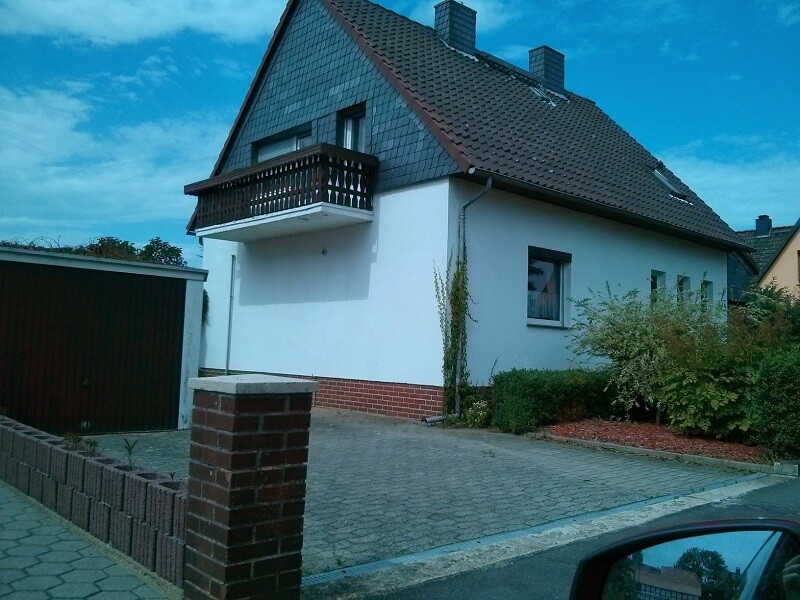
It would be really great if everyone here could just post one or a few pictures showing the current state of their house.
I'll start right away.
For renovations, it’s best to provide a comparison of before and after the remodeling.
Before March 2014:
After May 2015:
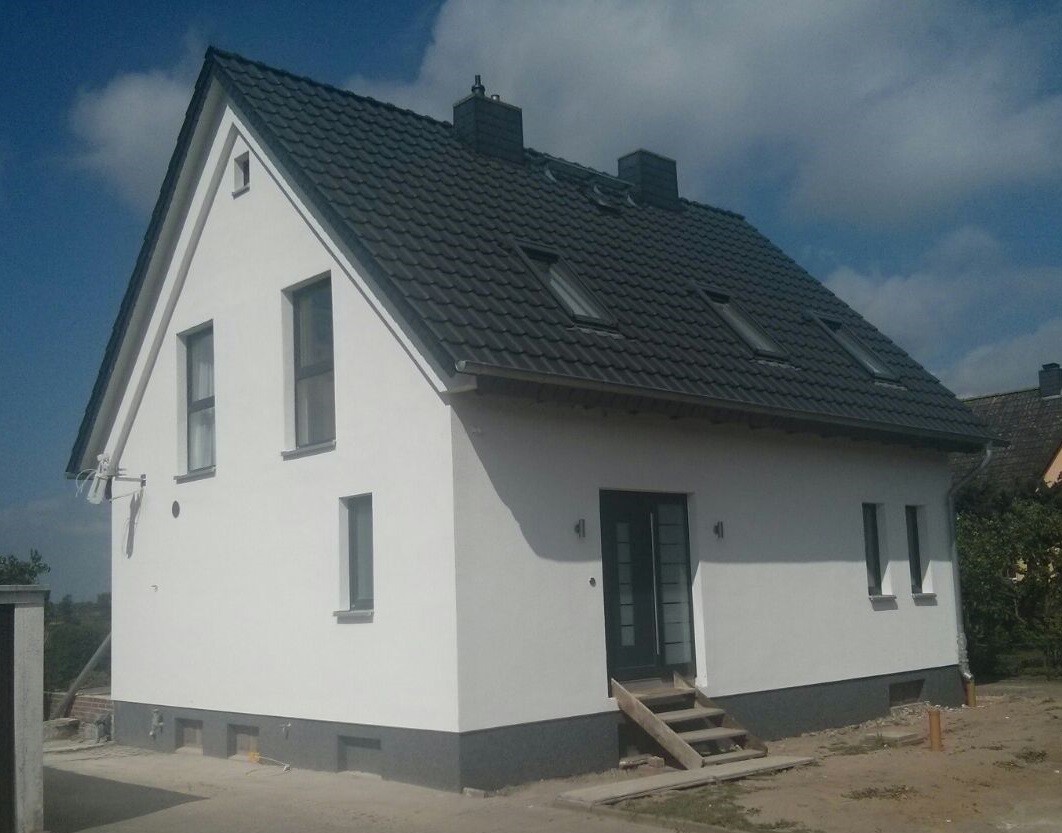
It would be really great if everyone here could just post one or a few pictures showing the current state of their house.
I'll start right away.
For renovations, it’s best to provide a comparison of before and after the remodeling.
Before March 2014:
After May 2015:

niri09 schrieb:
Is the surrounding material insulation? Yes, but I also want to ask: what kind of sand or flakes have been spread there?
AxelH. schrieb:
The extensions were planned like that from the start. Hard to believe: intentionally including a living room in the plans.
https://www.instagram.com/11antgmxde/
https://www.linkedin.com/company/bauen-jetzt/
11ant schrieb:
Yes, but I’ll join in on the question: what kind of sand / flakes were swept in there?
Hard to believe: intentionally planning a living room The beads are also insulation to fill the small gaps between the pipes. The rest are boards. On top of that, there will be a layer of insulation boards with the coating for the underfloor heating.This is a perlite loose fill, but I’ll take a risk and say it’s not applied completely correctly. It requires 10% overlap, as it will compact and lose volume to achieve the properties of a bound loose fill. Such fills also need a minimum thickness of 10mm (0.4 inches) over pipes – take a look at the ventilation ducts; are they flush with the insulation?
Alex85 schrieb:
This is a perlite loose-fill insulation, but I’ll take a guess and say it’s not installed entirely correctly. It requires a 10% overlap because it will settle and lose volume in order to achieve the properties of a bound loose fill. Such loose fills also need a minimum thickness of 10mm (0.4 inches) over pipes – take a look at the ventilation ducts, or are they flush with the insulation?From what I saw, they are flush. However, an additional insulation layer will be added. If that’s not done properly, our site supervisor will definitely notice it, fortunately he spots even the smallest mistakes or defects.HöKi2018 schrieb:
From what I saw, they are flush. However, an insulation layer will be added later. If this is not done properly, our construction supervisor will definitely notice it, fortunately they catch even the smallest errors or defects. Provided they inspect before the next layer is applied.
There will definitely be a layer added in the form of the impact sound insulation. But this is rather thin (2-3cm (1-1¼ inches)) and not very load-bearing, so there should be no voids underneath. That’s what the fill material is for, alongside preventing thermal bridges. But as long as the pipes are flush with the insulation layer, everything should be fine.
Similar topics