
Hello,
It would be really great if everyone here could just post one or a few pictures showing the current state of their house.
I'll start right away.
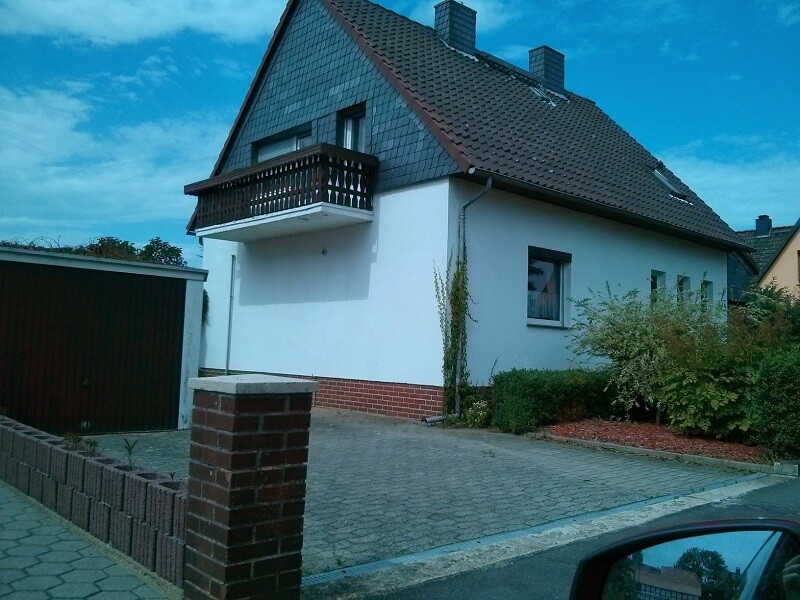
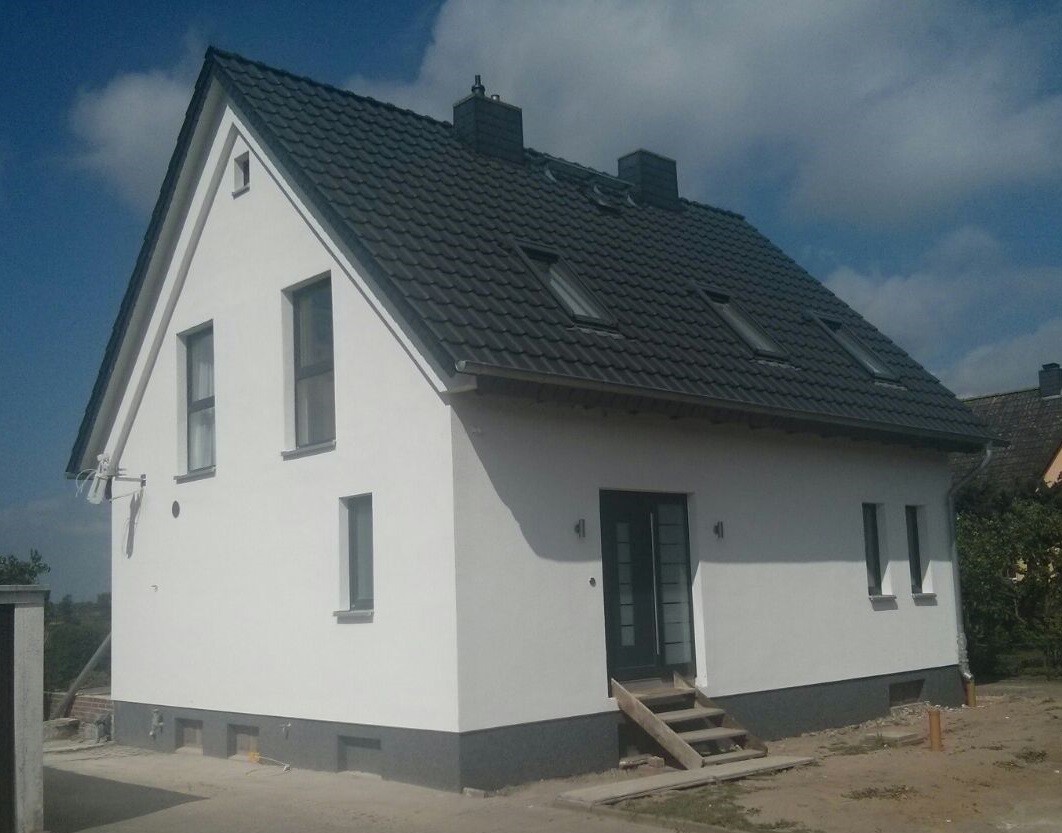
For renovations, it’s best to provide a comparison of before and after the remodeling.
Before March 2014:
After May 2015:
It would be really great if everyone here could just post one or a few pictures showing the current state of their house.
I'll start right away.
For renovations, it’s best to provide a comparison of before and after the remodeling.
Before March 2014:
After May 2015:
Aerated concrete will still absorb hundreds of liters of water from the plaster. Don’t worry about that.
Bricks sit on pallets in the rain, and shell structures are exposed to the weather over winter...
I would just be reluctant to have moisture trapped between the waterproofing membrane and the floor insulation, as it would be sealed in.
Bricks sit on pallets in the rain, and shell structures are exposed to the weather over winter...
I would just be reluctant to have moisture trapped between the waterproofing membrane and the floor insulation, as it would be sealed in.

guckuck2 schrieb:
The aerated concrete will still absorb hundreds of liters of water from the plaster. Don’t worry about that.
I would just be reluctant to have moisture trapped between the waterproof membrane and the floor insulation. Very good point. I will raise that again.
Tarnari schrieb:
I’m more concerned about the masonry. This aerated concrete is like a sponge.
Well, she will now check if some kind of dehumidification can be done. I had the same issue; in my kitchen, you could almost ice skate. However, it was still a true shell construction, no windows, everything open, and of course, no installations yet.
Yes, the aerated concrete absorbs moisture, but it also dries out again. I used a fan heater, which helped a lot. The blocks don’t get damaged that easily.

That’s really unpleasant! It wasn’t quite as bad for us, but there was still quite a bit of water standing on the floor. It came through the terrace doors that hadn’t been sealed yet. The water actually pressed in from underneath. However, it was quite manageable to remove with a wet vacuum cleaner from Kärcher. Luckily, it stayed dry for a long time afterward, giving enough time for everything to dry out before the floor structure was installed.
Altai schrieb:
I experienced the same; in my kitchen, you could almost ice skate. However, it was still a rough shell, no windows, everything open, and naturally no installations yet.
Yes, aerated concrete soaks up moisture, but it also dries out again. I used a fan heater, which helped a lot. The blocks don’t get damaged that easily. Thanks, you’re giving me hope.
The screed is planned for mid-September. I hope the timing works out.

Similar topics