
I thought a garden chat and photo thread would be a good idea.
This way, we have a space to share current pictures and discuss dandelions and other plants.
This way, we have a space to share current pictures and discuss dandelions and other plants.
S
Schorsch_baut17 Jul 2023 14:24I would buy the walnut tree from a nursery. We had four walnut trees that grew from seedlings. One of the nuts was tasty but very small, and the other three did not taste good. The same was true for the hazelnuts. We kept only one as a shade tree. Nothing grows under walnut trees, and the leaves cannot be composted. If you leave the leaves on the ground, the tannic acid poisons everything.
S
Schorsch_baut17 Jul 2023 16:32haydee schrieb:
The sapling at my parents' place produces good and large walnuts. They taste like those from the original tree.You can be lucky, but if you are unlucky, you only realize it after 10 years. Holzhäuschen24 Jul 2023 12:00
Not much happened inside the house, but we were very busy in the garden. We are rewarded with plenty of (rare) animals, especially insects.
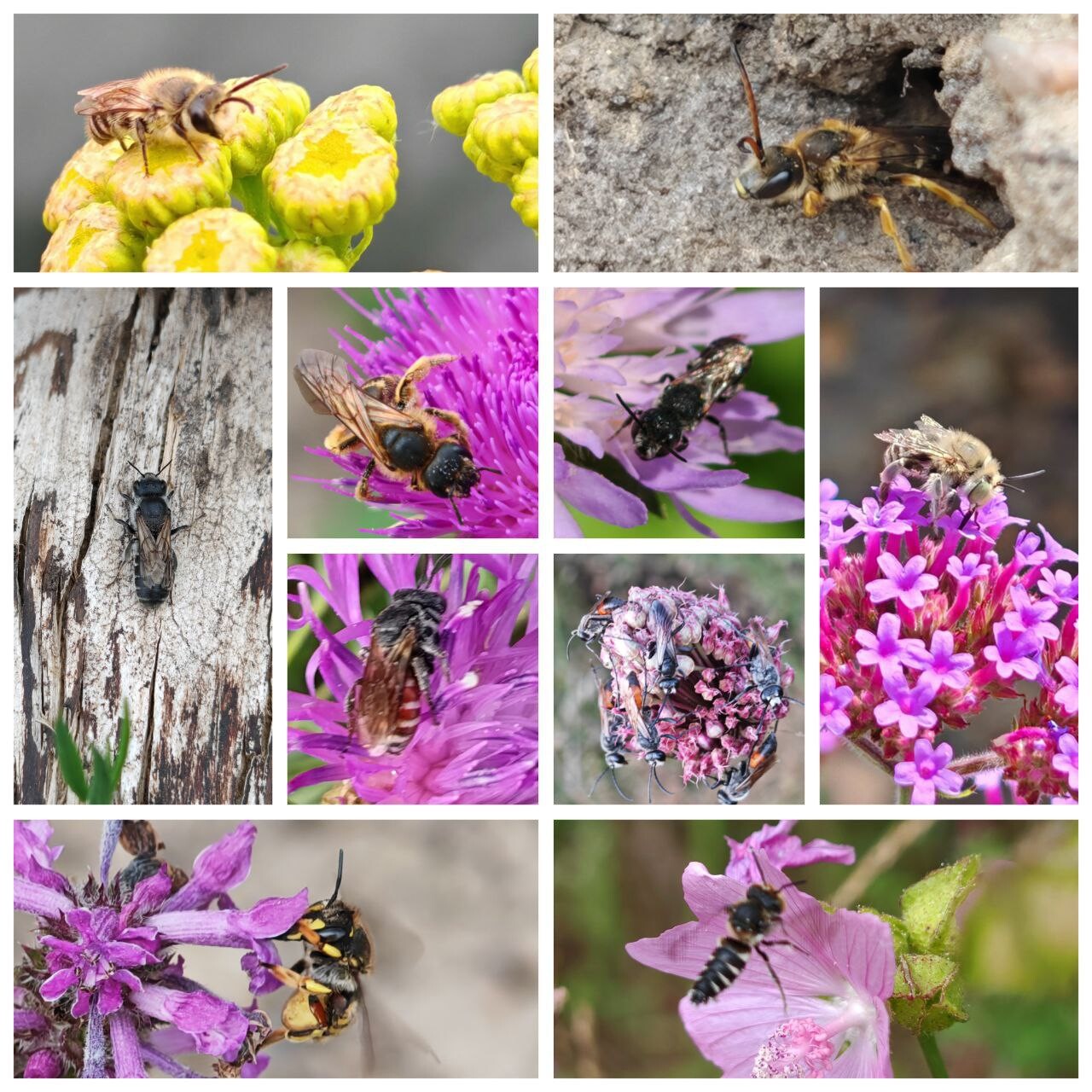
There are wild bees in abundance, and I can hardly identify them because there are so many, and their features can sometimes only be recognized under a microscope. But leafcutter bees, dune fur bees as well as their parasites, garden wool carder bees, furrow bees, hole-nesting bees, mason bees, and many others are active here, nesting in our sandy soil or hollow plant stems.
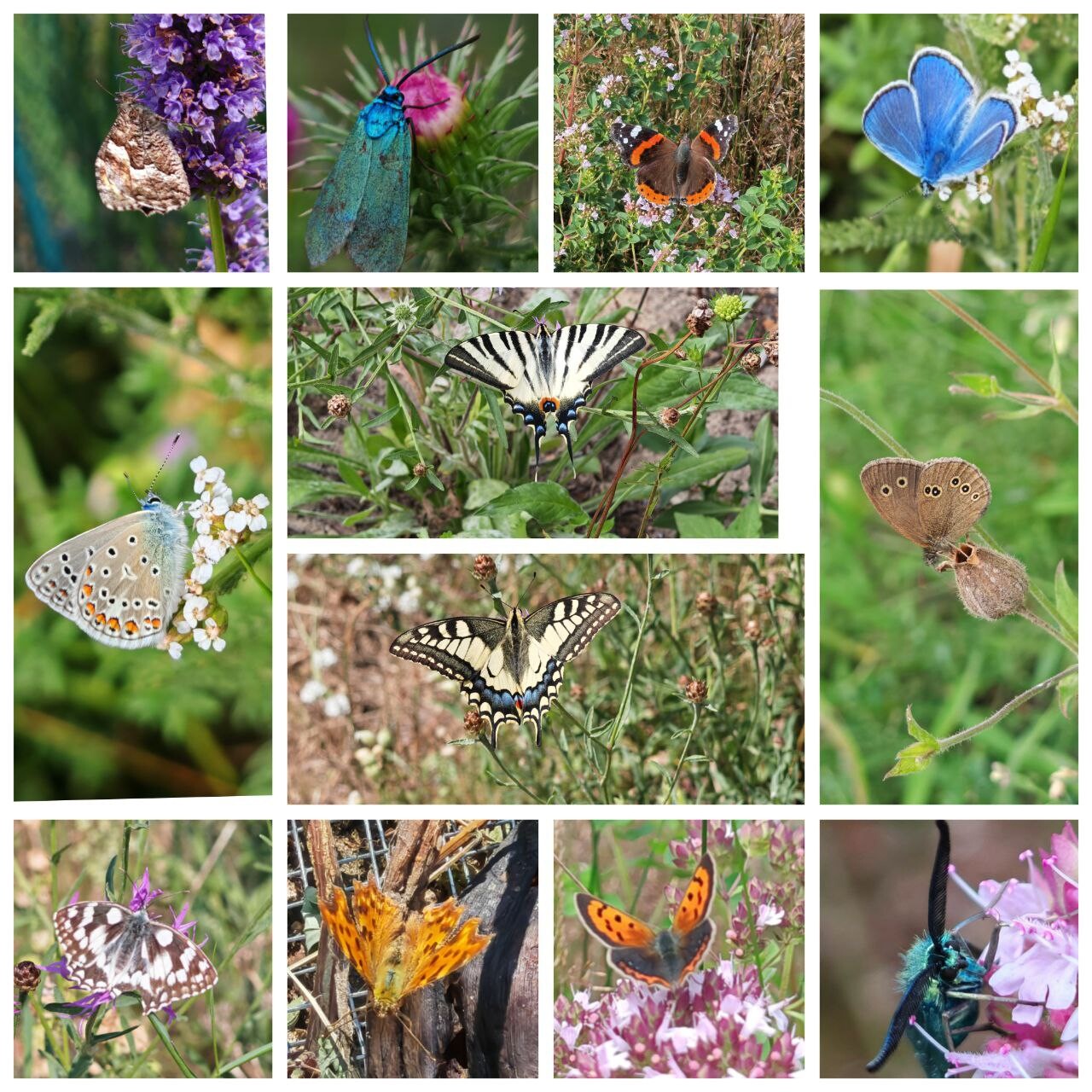
There are also lots of butterflies:
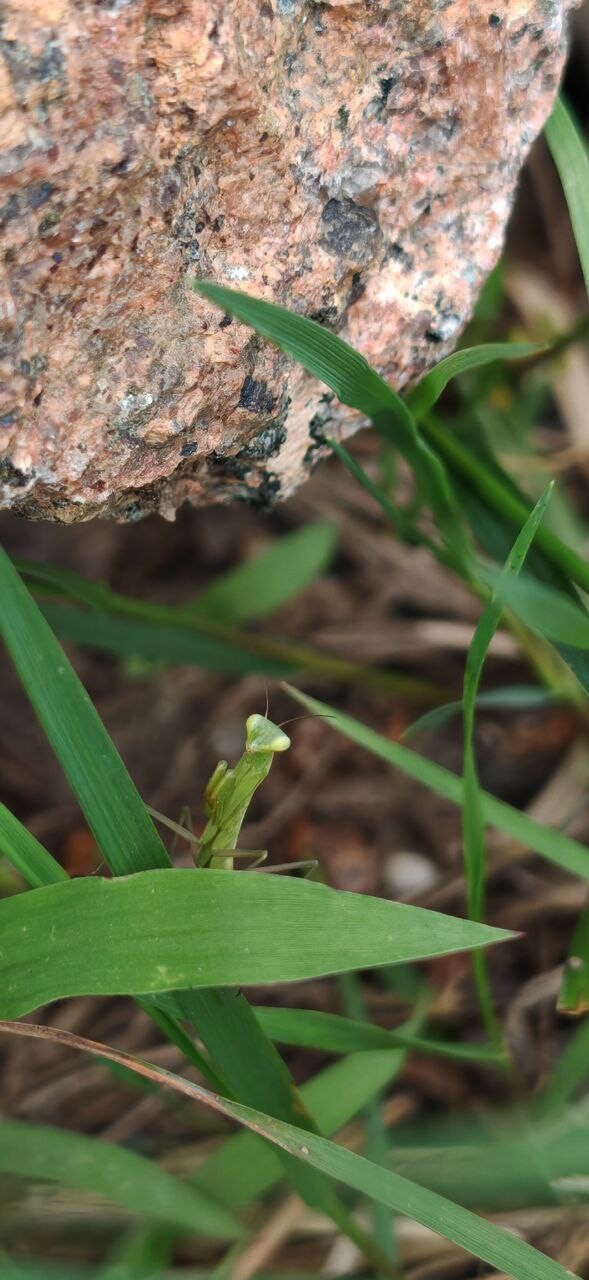
I really enjoy our garden every day—wild and wonderful. I have countless plans and ideas. Soon we will receive a plaque from Nabu for a bat-friendly garden; the fence lizards are darting here and there. Praying mantises have hatched and are seen repeatedly in various sizes.
Black redstarts raised their chicks on our ridge beam and hop around on the deadwood hedge.
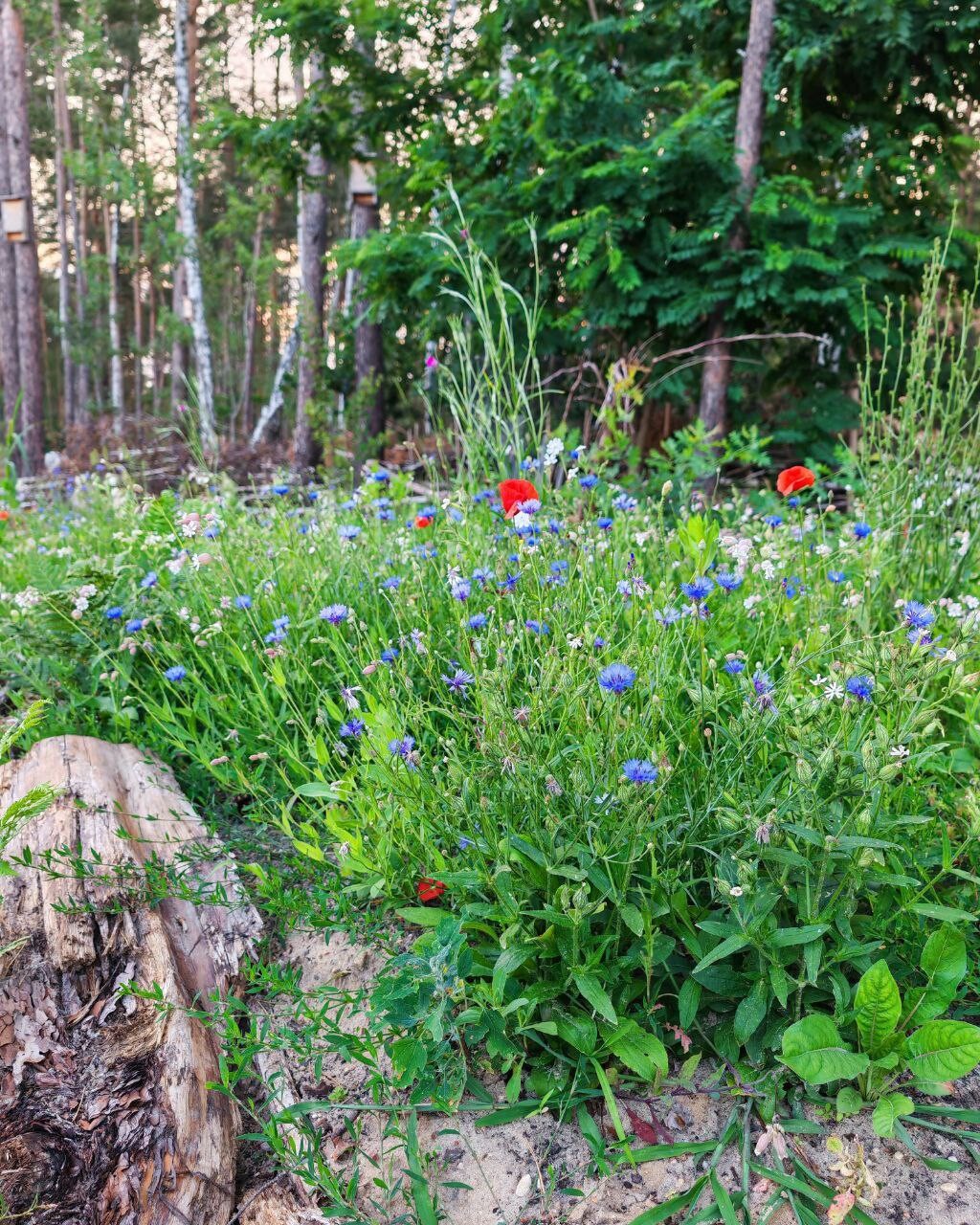
So far, we have created three large beds—two perennial beds and one where I planted species that bloom in the evening and at night (bat snack bar).
The large perennial bed:
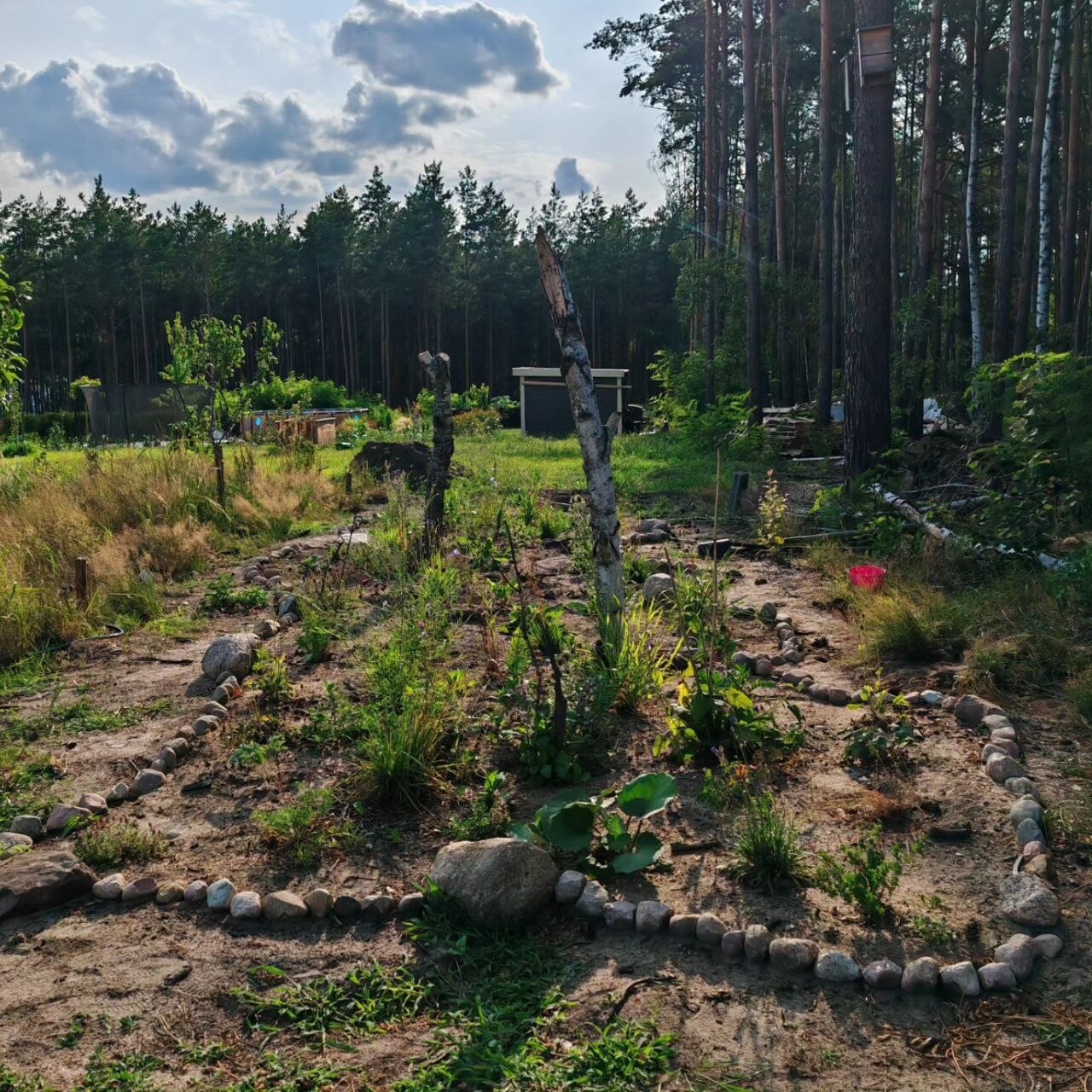
and from the side:
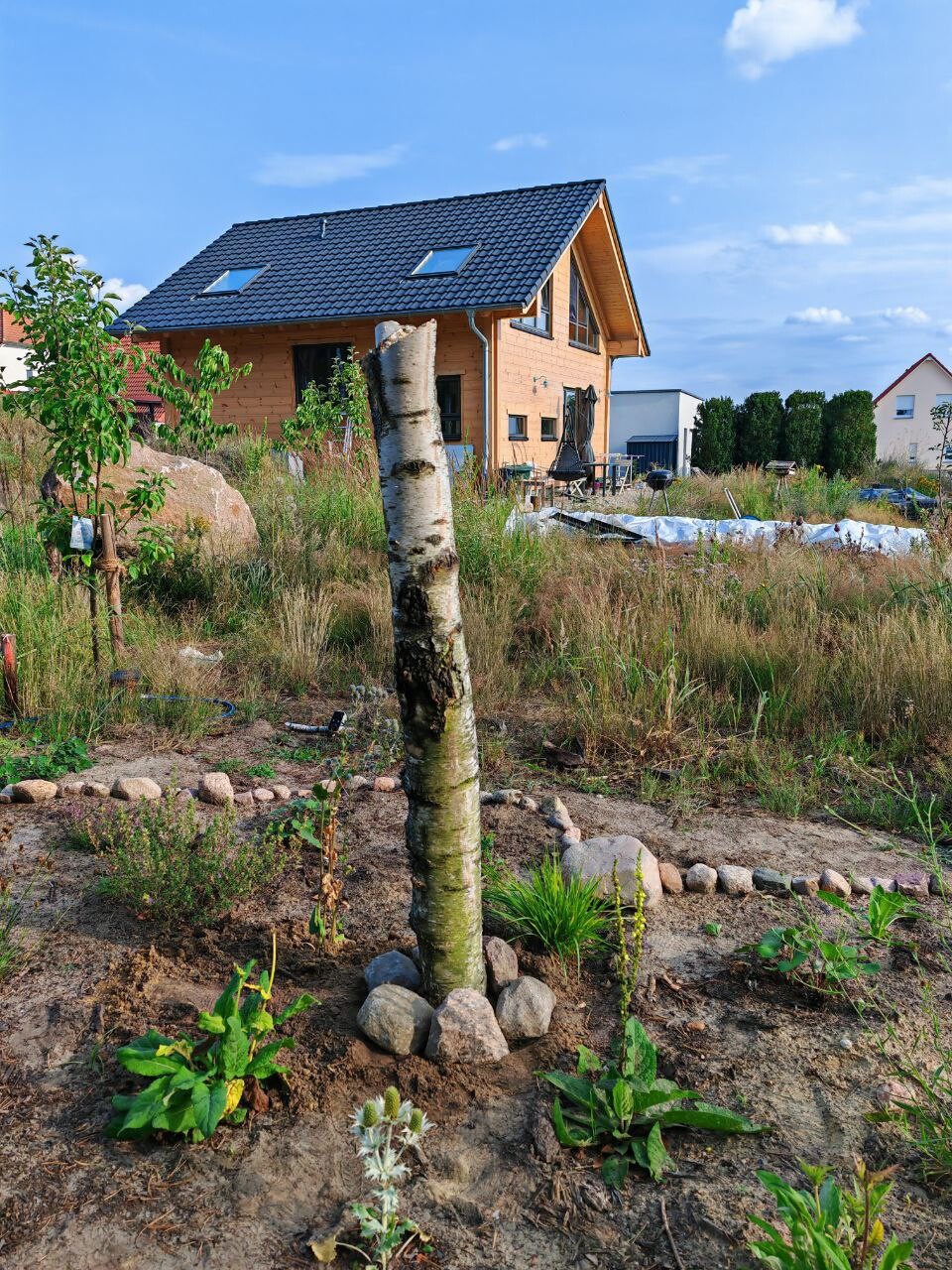
This is still very new and needs to grow.
Here is a section of the bat bed:
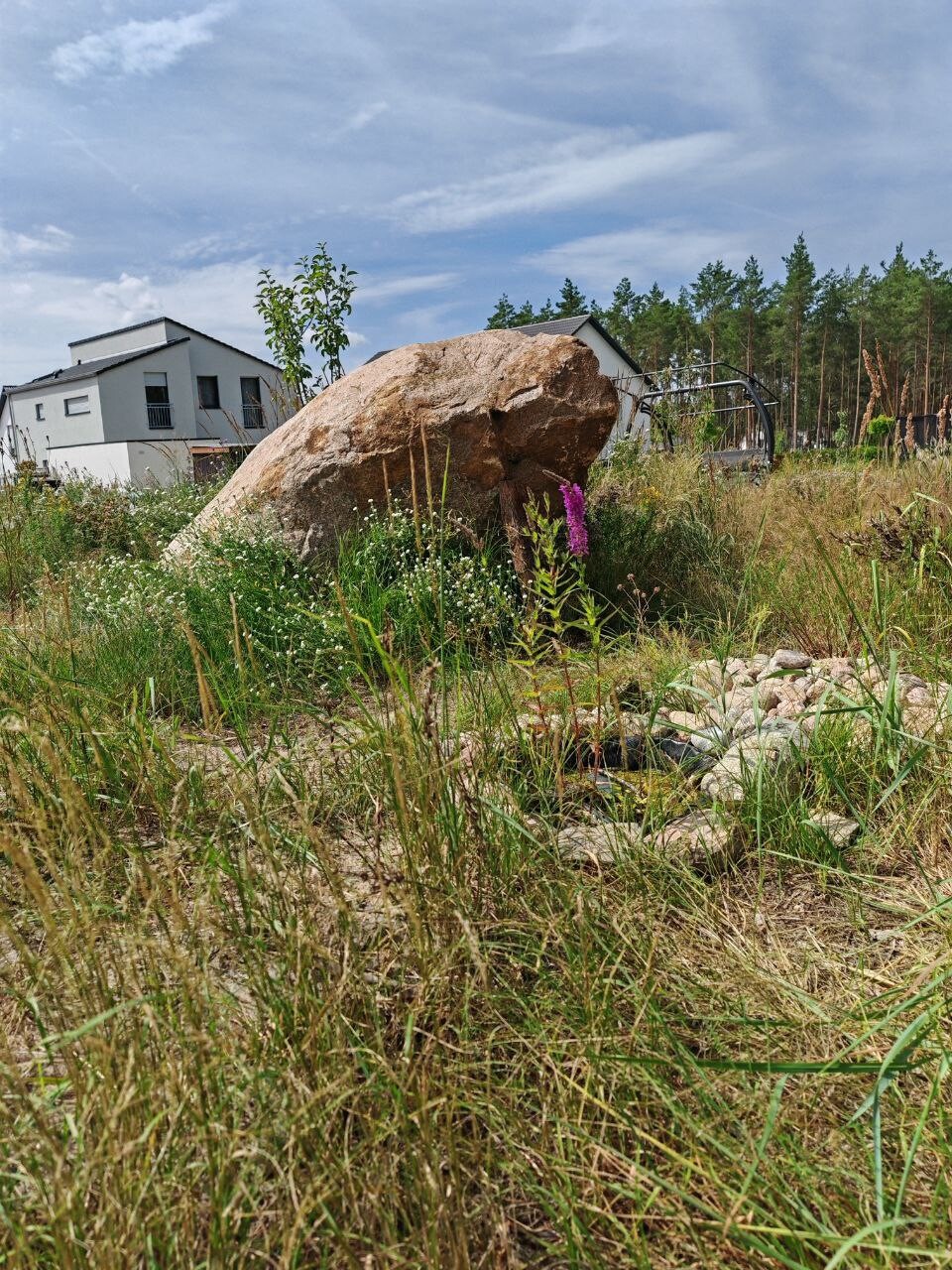
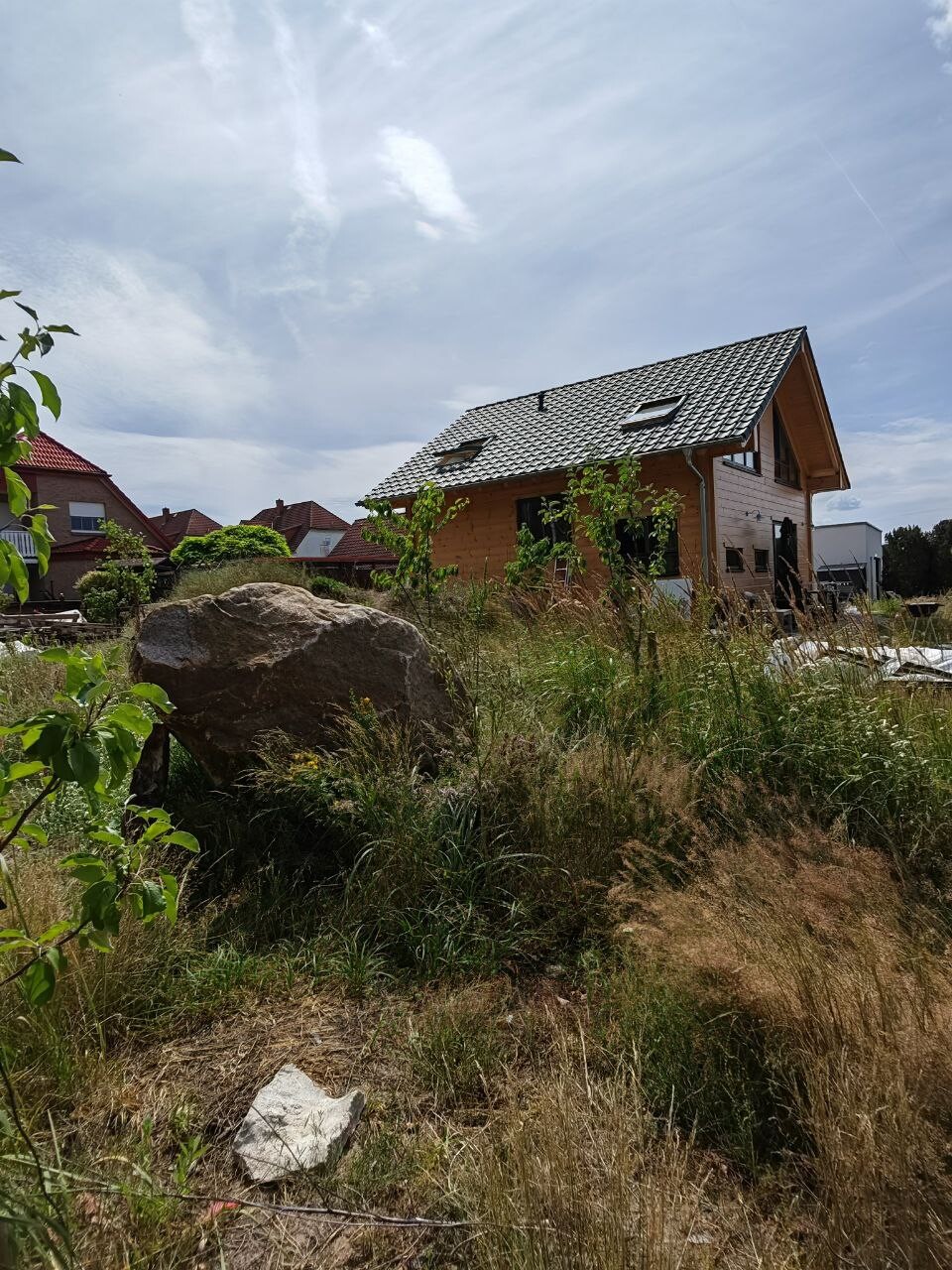
We fell in love with a huge boulder and had it delivered:
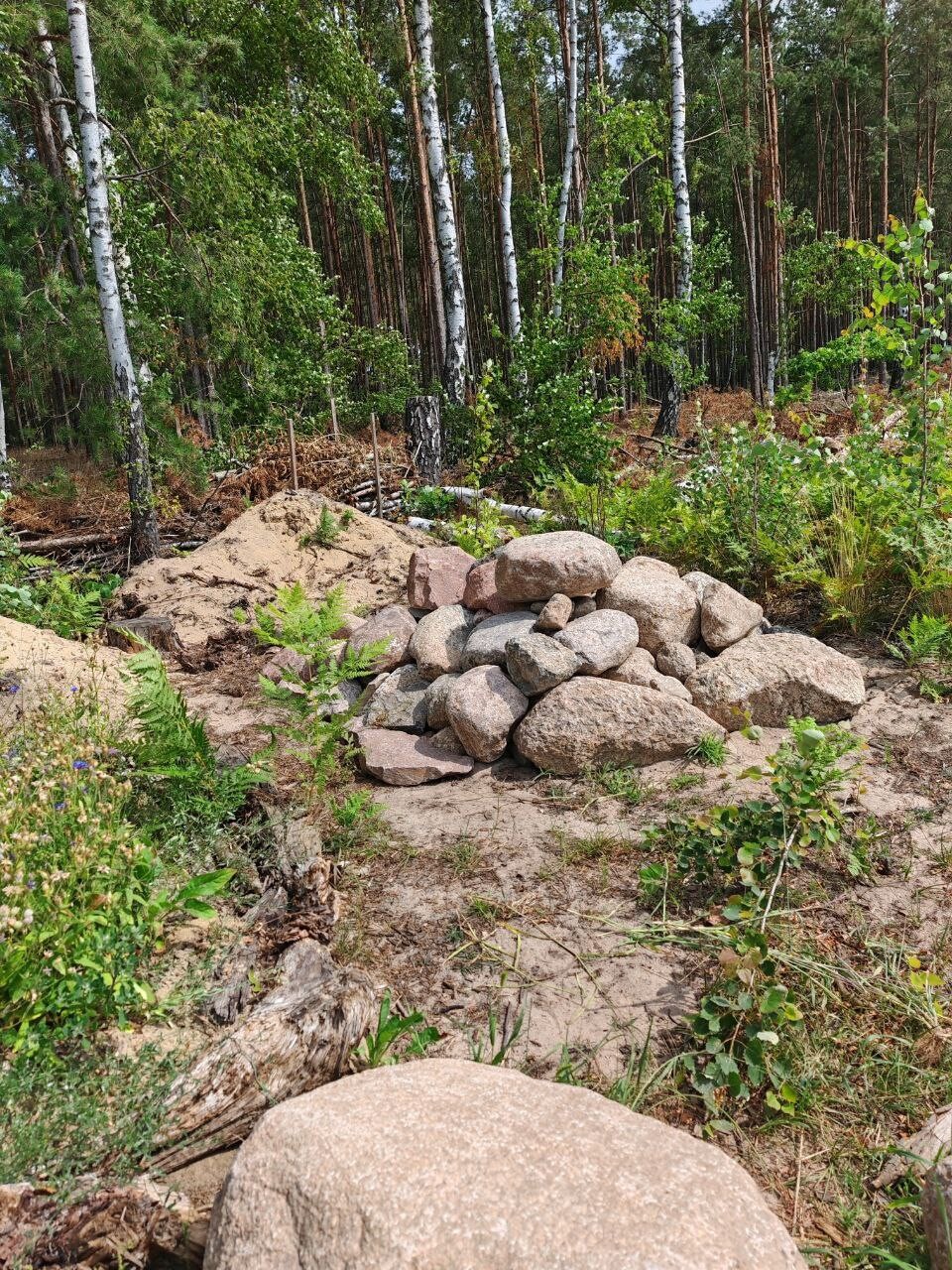
We built a lizard shelter for overwintering and living:
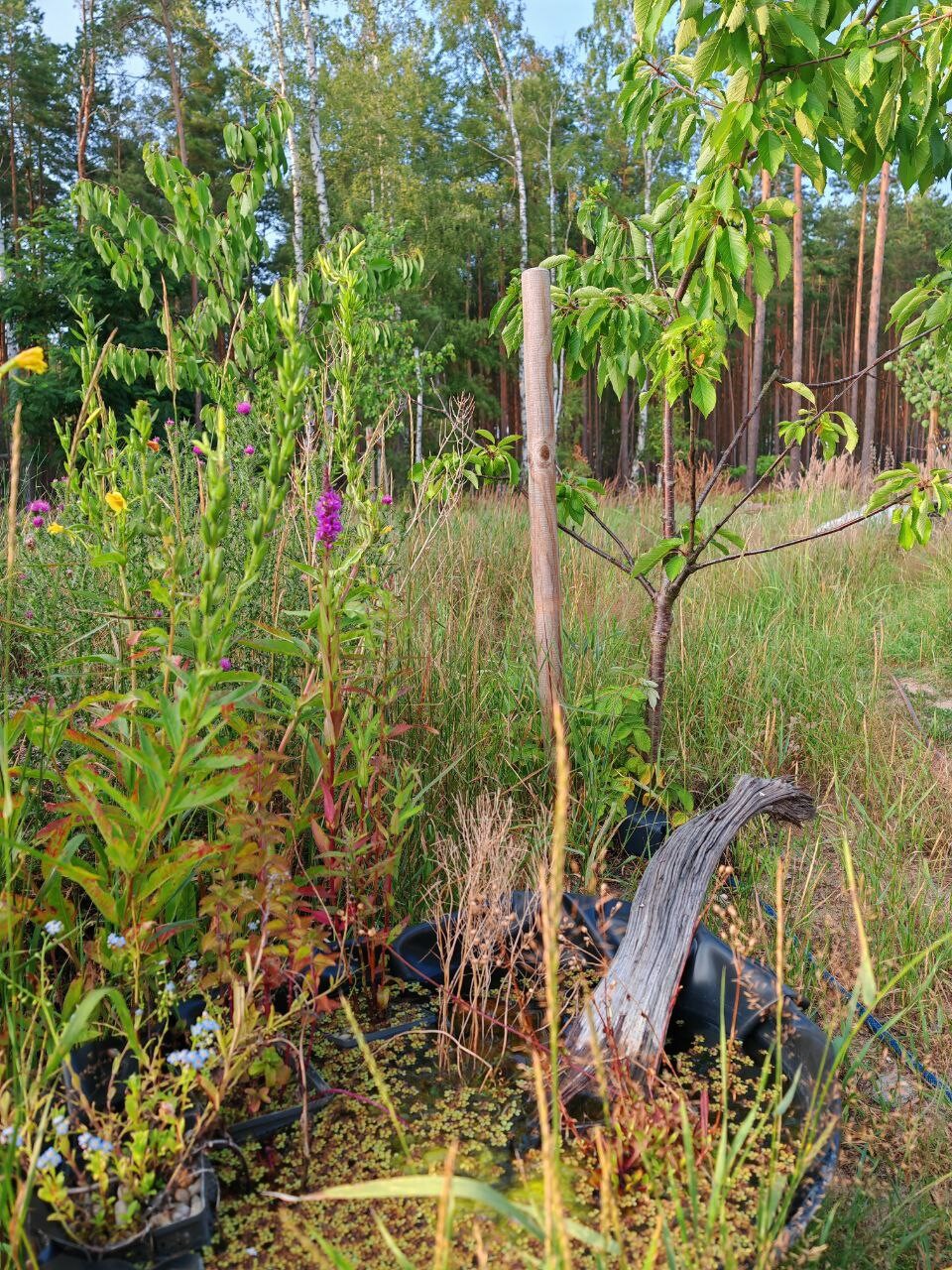
View over a small water feature into the garden:
Inside the house, we finally clad the hallway with wood, installed window sills, and finished setting up the office. We are waiting for our (unfortunately very unreliable) carpenter to complete the pantry and railing. And for motivation to finish the last room. Living here is wonderful anyway 😉
There are wild bees in abundance, and I can hardly identify them because there are so many, and their features can sometimes only be recognized under a microscope. But leafcutter bees, dune fur bees as well as their parasites, garden wool carder bees, furrow bees, hole-nesting bees, mason bees, and many others are active here, nesting in our sandy soil or hollow plant stems.
There are also lots of butterflies:
I really enjoy our garden every day—wild and wonderful. I have countless plans and ideas. Soon we will receive a plaque from Nabu for a bat-friendly garden; the fence lizards are darting here and there. Praying mantises have hatched and are seen repeatedly in various sizes.
Black redstarts raised their chicks on our ridge beam and hop around on the deadwood hedge.
So far, we have created three large beds—two perennial beds and one where I planted species that bloom in the evening and at night (bat snack bar).
The large perennial bed:
and from the side:
This is still very new and needs to grow.
Here is a section of the bat bed:
We fell in love with a huge boulder and had it delivered:
We built a lizard shelter for overwintering and living:
View over a small water feature into the garden:
Inside the house, we finally clad the hallway with wood, installed window sills, and finished setting up the office. We are waiting for our (unfortunately very unreliable) carpenter to complete the pantry and railing. And for motivation to finish the last room. Living here is wonderful anyway 😉

Similar topics