
Hello forum,
I’m considering installing an undermount sink in the kitchen. The countertop will be a solid oak surface. The appropriate hole will be cut and sealed by the supplier. What I’m wondering is: How is the sink attached to the Metod base cabinet (80cm (31.5 inches) wide)? Do I need to get any additional fasteners or modify the cabinet frame?
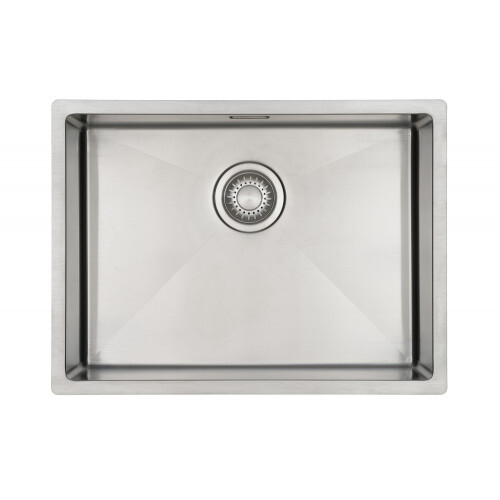
This is the sink I’m planning to use:
Thanks for your help.
I’m considering installing an undermount sink in the kitchen. The countertop will be a solid oak surface. The appropriate hole will be cut and sealed by the supplier. What I’m wondering is: How is the sink attached to the Metod base cabinet (80cm (31.5 inches) wide)? Do I need to get any additional fasteners or modify the cabinet frame?
This is the sink I’m planning to use:
Thanks for your help.
I
IKEA-Experte16 Oct 2016 22:43Hello,
I’m looking for experiences with wooden countertops and sinks. I’m a bit skeptical about whether they will stay in good condition over time if you don’t wipe up every drop immediately.
[YouTube:1aprdsk6]LQSQh7BZSDQ[/YouTube:1aprdsk6]
I’m looking for experiences with wooden countertops and sinks. I’m a bit skeptical about whether they will stay in good condition over time if you don’t wipe up every drop immediately.
[YouTube:1aprdsk6]LQSQh7BZSDQ[/YouTube:1aprdsk6]
Z
zetterberg17 Oct 2016 07:42Is this going to be a display kitchen or do you plan to work in it?
I think a sink without a draining board and solid wood is quite risky. The base with cut surfaces perpendicular to the grain also raises questions about long-term water resistance. By long-term, I mean something like 15 years.
It’s your decision, but I would take the IKEA expert's advice seriously and research others’ experiences.
I think a sink without a draining board and solid wood is quite risky. The base with cut surfaces perpendicular to the grain also raises questions about long-term water resistance. By long-term, I mean something like 15 years.
It’s your decision, but I would take the IKEA expert's advice seriously and research others’ experiences.
In the kitchen, work is done, and I am aware of the “disadvantages” some people associate with wooden worktops. Currently, we already have an oak worktop that is six years old and still looks great. The key is simply caring for it with the right products from specialized retailers—not with the stuff from hardware stores or drugstores. And this doesn’t need to be done daily; we do it once a year, which is more than enough.
I knead dough on the worktop, it comes into contact with water and oil, and pots are placed on it. Of course, there are signs of use, but no stains, cracks, or deep scratches. There is no sign of mold or dirt. We only cut on plastic surfaces, so at least in that regard, I don’t see any problems. We rarely wash it by hand anyway; about 95% of all items go into the dishwasher.
Moreover, we don’t design the kitchen to last 15 years, but significantly less, as tastes, circumstances, and so on tend to change more frequently.
Long story short: high-quality wood + high-quality care products = a beautiful wooden worktop for a long time.
I knead dough on the worktop, it comes into contact with water and oil, and pots are placed on it. Of course, there are signs of use, but no stains, cracks, or deep scratches. There is no sign of mold or dirt. We only cut on plastic surfaces, so at least in that regard, I don’t see any problems. We rarely wash it by hand anyway; about 95% of all items go into the dishwasher.
Moreover, we don’t design the kitchen to last 15 years, but significantly less, as tastes, circumstances, and so on tend to change more frequently.
Long story short: high-quality wood + high-quality care products = a beautiful wooden worktop for a long time.
That’s interesting. We also have solid oak.
Usually, an oil-based product is used. At the moment, we are using Bondex worktop oil.
Which maintenance products from specialized retailers would you recommend?
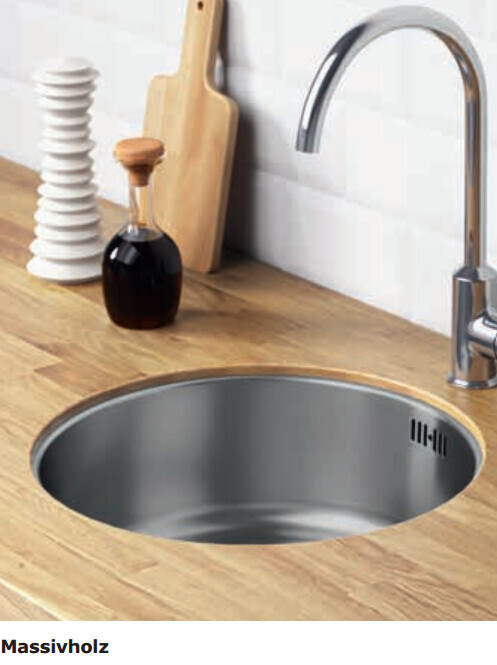
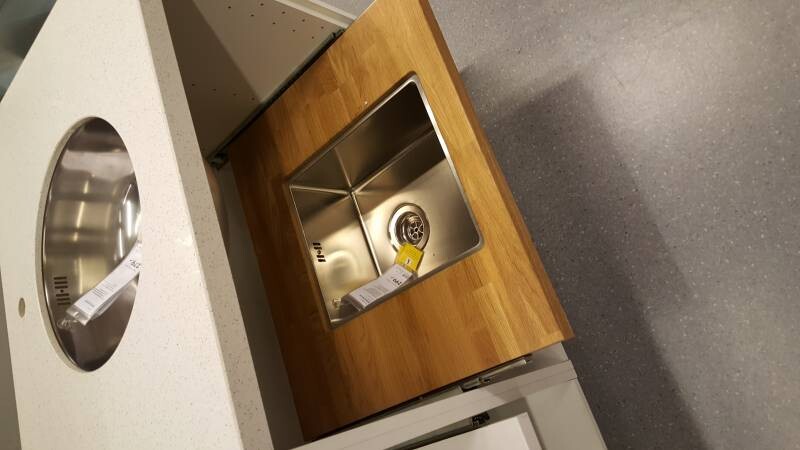
With the IKEA sink base cabinet, the process for wood is a bit different than in the IKEA expert’s video.
The cutout is larger than the internal dimensions of the sink. About 3 cm (1¼ inches) are routed out underneath.
This always results in a horizontal edge, where water naturally collects in the joint and hardly dries. I don’t find that very effective.
Usually, an oil-based product is used. At the moment, we are using Bondex worktop oil.
Which maintenance products from specialized retailers would you recommend?
With the IKEA sink base cabinet, the process for wood is a bit different than in the IKEA expert’s video.
The cutout is larger than the internal dimensions of the sink. About 3 cm (1¼ inches) are routed out underneath.
This always results in a horizontal edge, where water naturally collects in the joint and hardly dries. I don’t find that very effective.
Similar topics