
ᐅ Uncertainties regarding size, planning is otherwise mostly complete.
Created on: 28 Jan 2016 08:54
Z
Zwark
Good morning!
We are about to finalize the planning for our single-family house; we want to build 1.5 stories with a knee wall of 150 cm (59 inches), keeping it as compact as possible. So far, we have been very satisfied with the design from the planner of the construction company, but now that I’m working on the interior layout, the combined living-dining-kitchen area feels a bit cramped. We definitely want a seating corner in the dining area, but I’m afraid that might be difficult to fit (kitchen + seating area). Now I’m considering whether we should generally enlarge the house so everything fits comfortably (from 10.13 x 9 m (33.3 x 29.5 ft) to 11 x 9.5 m (36 x 31 ft)). Maybe someone here has some helpful tips?
The house has a basement, the clear room height in the living areas is 260 cm (102 inches), and a pitched roof with dormer and a 35° slope is planned. The plot is about 900 m² (9700 sq ft), with a 3-meter (10 ft) setback required from the neighbors. Two parking spaces (carport) at the front by the street are included in the plan. Thank you very much and best regards
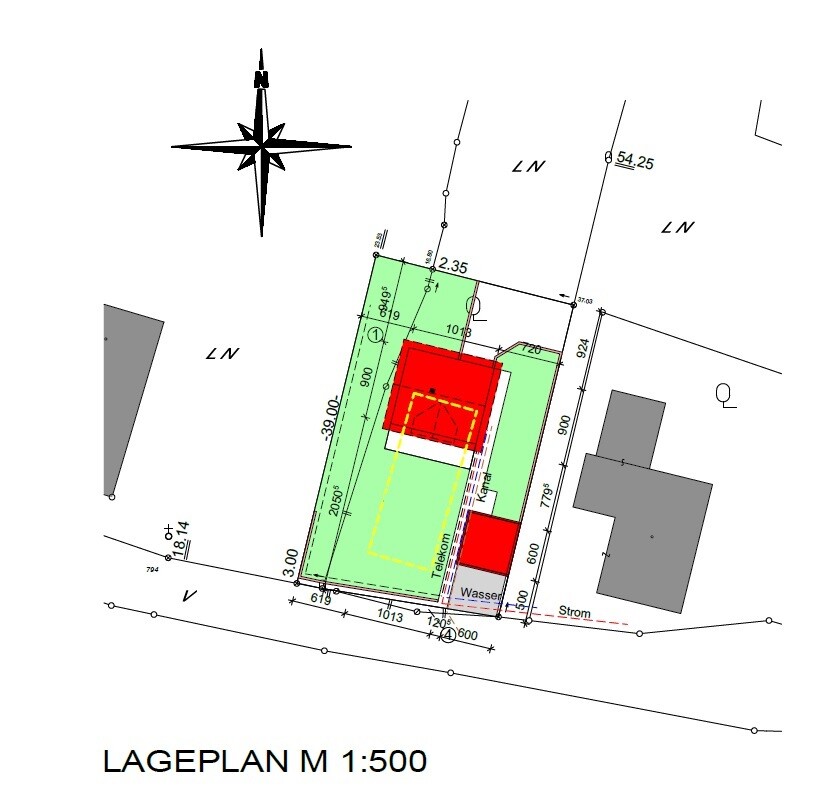

We are about to finalize the planning for our single-family house; we want to build 1.5 stories with a knee wall of 150 cm (59 inches), keeping it as compact as possible. So far, we have been very satisfied with the design from the planner of the construction company, but now that I’m working on the interior layout, the combined living-dining-kitchen area feels a bit cramped. We definitely want a seating corner in the dining area, but I’m afraid that might be difficult to fit (kitchen + seating area). Now I’m considering whether we should generally enlarge the house so everything fits comfortably (from 10.13 x 9 m (33.3 x 29.5 ft) to 11 x 9.5 m (36 x 31 ft)). Maybe someone here has some helpful tips?
The house has a basement, the clear room height in the living areas is 260 cm (102 inches), and a pitched roof with dormer and a 35° slope is planned. The plot is about 900 m² (9700 sq ft), with a 3-meter (10 ft) setback required from the neighbors. Two parking spaces (carport) at the front by the street are included in the plan. Thank you very much and best regards
S
Sebastian798 Feb 2016 19:05Let's look at it differently – the cemetery isn’t far, I would just need to be able to get there on my own later.
I live in the village – so not exactly outside, you could say. Your constant repetition about your building plot is really something – but you need 20 minutes by bike to get to the city center? Cool, I need less time to reach our nice district town. By car, it’s less than 5 minutes...
But whatever, my place won’t be worth anything later anyway, and I don’t care. If I had to sell it at a loss afterwards, that’s fine with me – I’ll have lived the way I wanted until then. Renters don’t cry over money thrown away every month either.
I live in the village – so not exactly outside, you could say. Your constant repetition about your building plot is really something – but you need 20 minutes by bike to get to the city center? Cool, I need less time to reach our nice district town. By car, it’s less than 5 minutes...
But whatever, my place won’t be worth anything later anyway, and I don’t care. If I had to sell it at a loss afterwards, that’s fine with me – I’ll have lived the way I wanted until then. Renters don’t cry over money thrown away every month either.
Sebastian79 schrieb:
I see it differently – that’s why the cemetery isn’t far; later on, I’ll just have to manage to get there on my own. What do you mean? That a house should always be perfect for every stage of life? For the time with children, for when the kids have already moved out, for when you no longer feel like gardening and prefer going to the opera, restaurants, etc. in the nearest big city, and also for later, when you want everything close by and definitely don’t want to take care of 80–90 square meters (860–970 square feet), preferring to live centrally and well-served instead?
I live in a village – so not exactly outside the city. Your repetitive mention of your building plot is really nice – but you need 20 minutes by bike to get to the city center? Cool, I need less to get to our lovely district town. Less than 5 minutes by car... Of course, I’m talking about a “real” city.
One that grows by about 1 percent in population every year (meaning housing is in demand), that has a university with 35,000 students, as well as an opera house, a high-speed train connection (ICE), or at least a small airport with connecting flights to Frankfurt or Munich.
And you know why I mention this here: because it really guarantees that you won’t lose a significant amount of money.
But whatever, my place won’t be worth much afterward anyway, and I don’t care. If I have to sell it later at a loss, that’s fine – I lived the way I wanted until then. Renters don’t cry over wasted money every month either. That’s exactly my point. Live the way you want until then. So I’ll build the house now to be perfect for family life and won’t worry about it being too big, accessible, or anything else later on. Another family can enjoy it afterwards.
S
Sebastian798 Feb 2016 19:33Building a house is usually a huge money drain – but many just don’t want to admit it.
Why not, since emotionally it’s often exactly what people desire. We don’t have a large garden, but we do have a big house – of course, that’s very spacious for two people later on. But it’s not like having too much space is a problem.
I don’t need an opera house, nor do I want students living next to me. I’m also not interested in a growing city – at least not primarily for my lifestyle.
Within a radius of 30 meters (19 miles) around me, I have everything you could want – and I have already lived centrally in cities like Münster. If you like that kind of thing, that’s fine – but I don’t. And I’m not alone in that...
It seems to be really hard for you to understand, doesn’t it?
Why not, since emotionally it’s often exactly what people desire. We don’t have a large garden, but we do have a big house – of course, that’s very spacious for two people later on. But it’s not like having too much space is a problem.
I don’t need an opera house, nor do I want students living next to me. I’m also not interested in a growing city – at least not primarily for my lifestyle.
Within a radius of 30 meters (19 miles) around me, I have everything you could want – and I have already lived centrally in cities like Münster. If you like that kind of thing, that’s fine – but I don’t. And I’m not alone in that...
It seems to be really hard for you to understand, doesn’t it?
D
daniels878 Feb 2016 19:49Grym schrieb:
I am, of course, talking about a "real" city.
One that grows its population by about 1 percent annually (meaning there is demand for housing), has a university with 35,000 students, as well as an opera house, a high-speed train connection, or at least a small airport with connecting flights to Frankfurt or Munich.
And you also know why I mention this here, because this is really a guarantee that you won’t lose significant money. That would be a place where I wouldn’t even want to live, even if I were given a house.
Sebastian79 schrieb:
Building a house is usually a big money drain – though many just don’t want to admit it. If you do it smartly, you’re just reallocating assets. Of course, with dozens of extra customizations, a location way out of town, and so on, it can really drain money. But used properties here, for example, don’t cost less than new builds, so we’re not going to lose value here.
Why would it, since emotionally it’s usually exactly what you want . We don’t have a large garden, but we have a big house – clearly that’s quite big for two people later on. But it’s not like having a house that’s too big breaks you But didn’t you just say it shouldn’t be too big?
I don’t need an opera house and I don’t want students living next door. I’m not interested in a growing city – at least not as a main factor in my life. We don’t need an opera house right now either, and not many people in their 20s go there anyway. But keep in mind preferences develop and change. Students have a positive effect; they keep the city young and prevent that “small town stagnation.” A city also means jobs, purchasing power, and a growing city almost certainly ensures property values don’t decline.
Within a 30 km (20 miles) radius, I have everything you could wish for – and I’ve lived centrally in cities like Münster. If you like it, great – I don’t. And I’m not alone in that... Right now, I wouldn’t want to live centrally either, mainly because of all the fine dust and pollution. But maybe in 20 years, without kids and with different hobbies and pollution-free city centers – possibly? Or maybe not? But I don’t want to close off the option by owning a house that’s impossible to sell.
This really seems hard for you to understand, doesn’t it? Not at all. You built a house that’s perfect for now. I don’t even know if it would be ideal when the kids have to commute alone to secondary school, but right now it’s perfect. We’re building similarly: quiet neighborhood, traffic-calmed residential streets, on a hill so no fine dust issues, and still close to bakeries, supermarkets, butchers, as well as primary and secondary schools (even university, though that wasn’t a deciding factor). Friends and family remain nearby, and besides the car, places are quickly accessible by bike.
But I have no idea how the world will look in 20 years. Maybe I won’t want to do gardening anymore and prefer to swap my house for a city apartment with nightlife and short distances in a car-free city center...
daniels87 schrieb:
That would be a place I wouldn’t even want to live in, even if someone gave me a house there. You wouldn’t want to live close to a historic village center in an absolutely quiet location, with a small forest right next to the development area, and no apartment blocks or anything like that anywhere nearby? Okay, where else then?
Saruss schrieb:
I pick my place to live based on my preferences, not on predicted loss or gain in value (no one knows what will happen in 20 years, maybe a crisis and prices drop). For those high costs, I want to feel comfortable. We chose our location because we already live in the city and didn’t want to move way out just because of land prices. So we looked for something very close to the city center, but still quiet and village-like. Like I said, it’s 3.5 km (2 miles) by bike (or just under 4 km (2.5 miles) by car) to the student quarter/university. A few hundred meters in the other direction is a small stream with a little forest.
But if rents weren’t so high, land prices still affordable, and if we didn’t expect our property at least to hold its value because real estate is in demand here – especially with population growth – we wouldn’t be building at all. This isn’t financial suicide; it just makes sense.
So in a way, we picked the location first, and then from the location decided whether building or renting makes sense. For us, building makes sense here.
Similar topics