
Hello,
after the tiling work was completed, we walked through the house and were a bit surprised by some issues.
Now we are not sure if we are just being picky or if the work was really done carelessly. Are these defects fixable and should they be raised with the tiler?
These corner cubes are mostly installed at an angle.
One rail in the photos is also slightly twisted. The grout joints are not parallel in a few places.
And in the last photo, isn’t an internal corner supposed to be mitered?
See photos

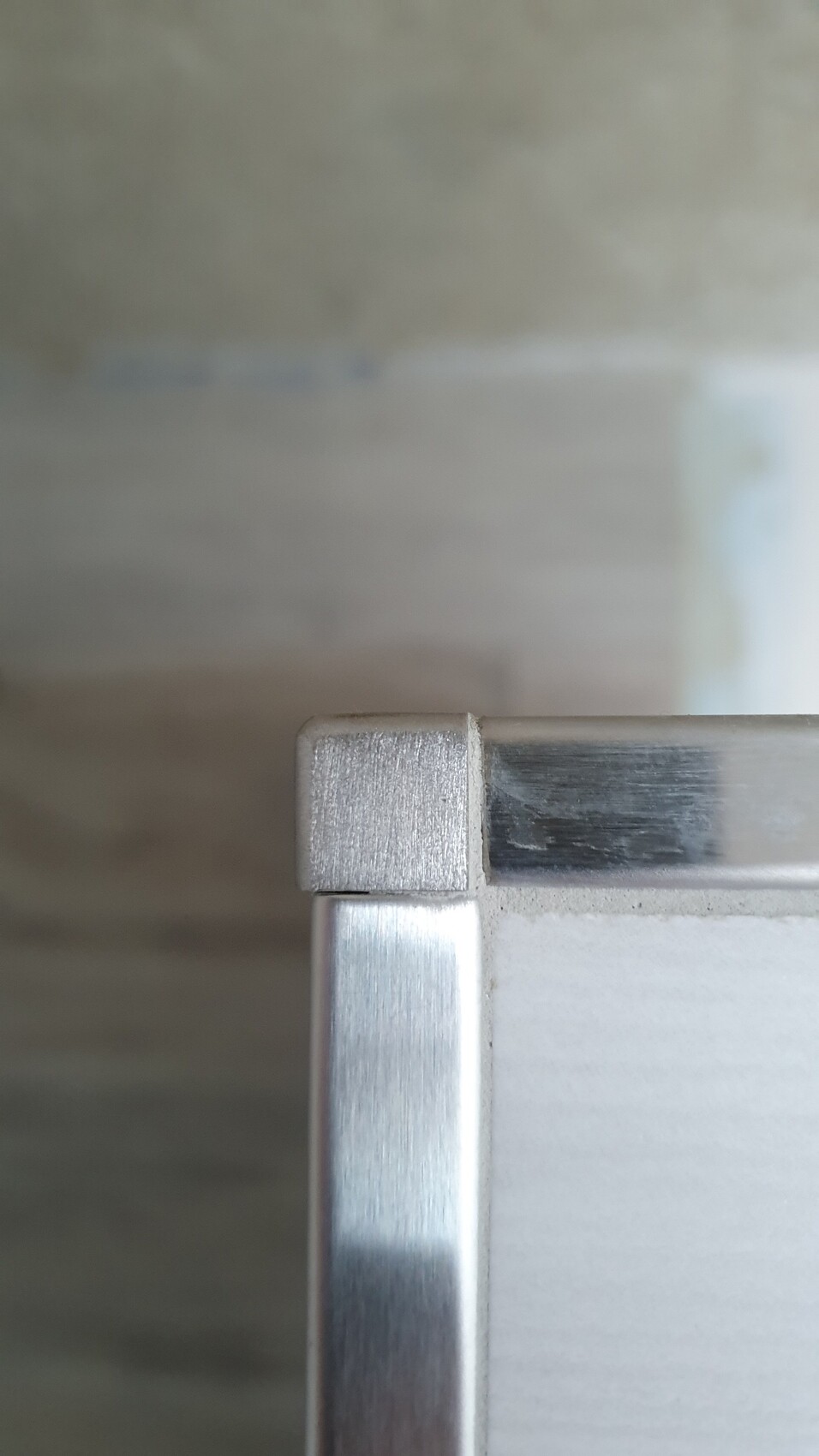
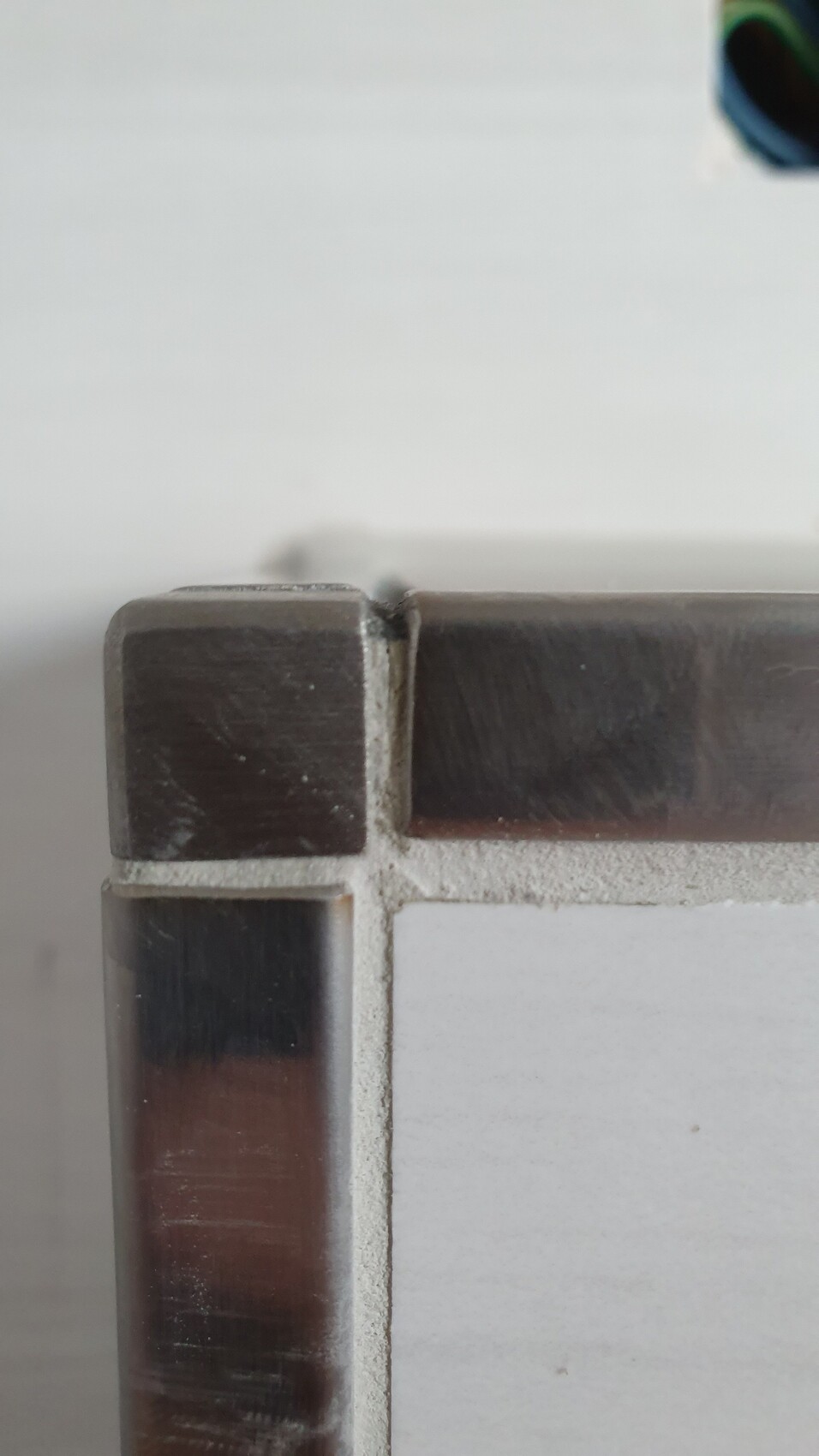
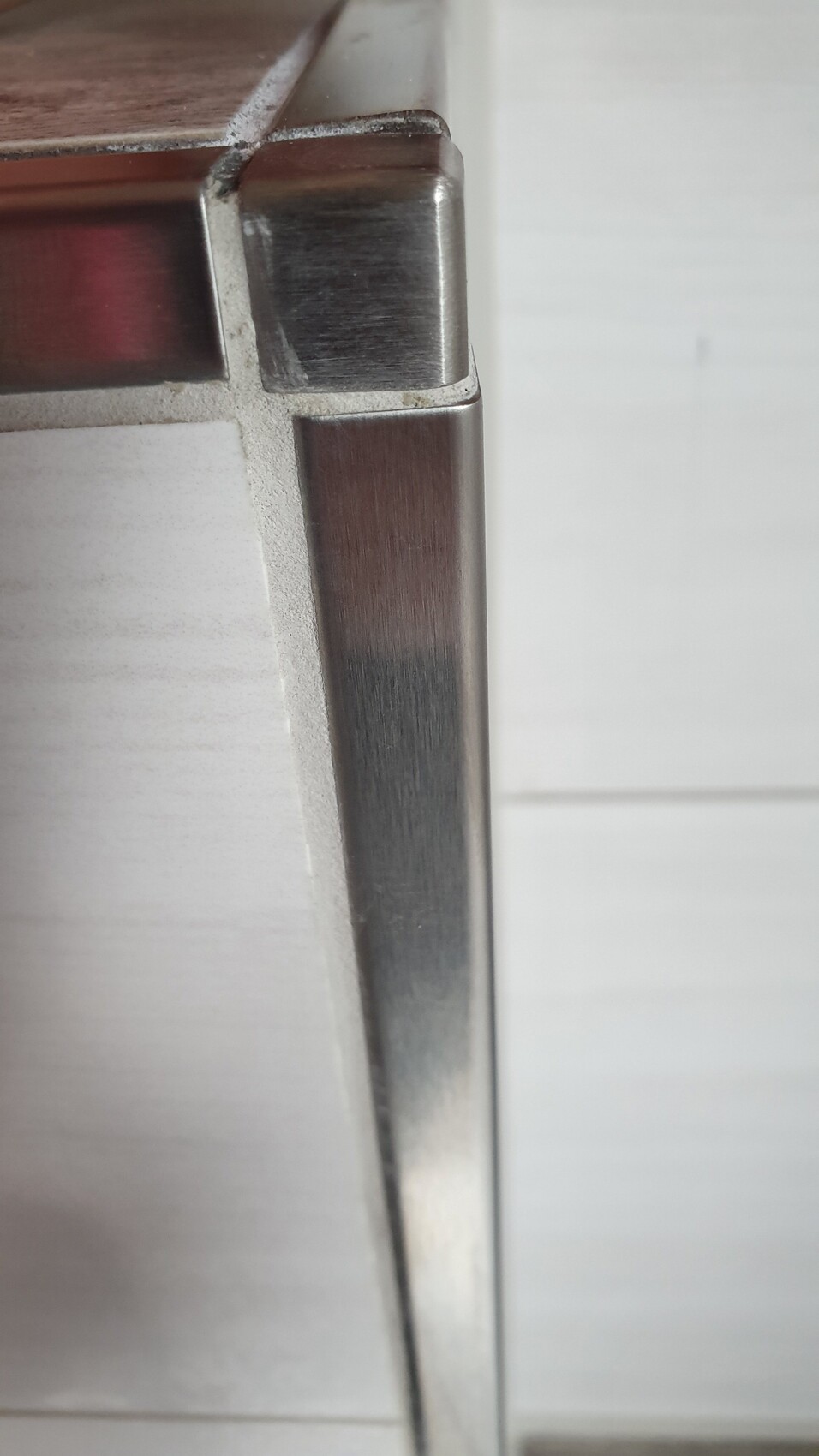
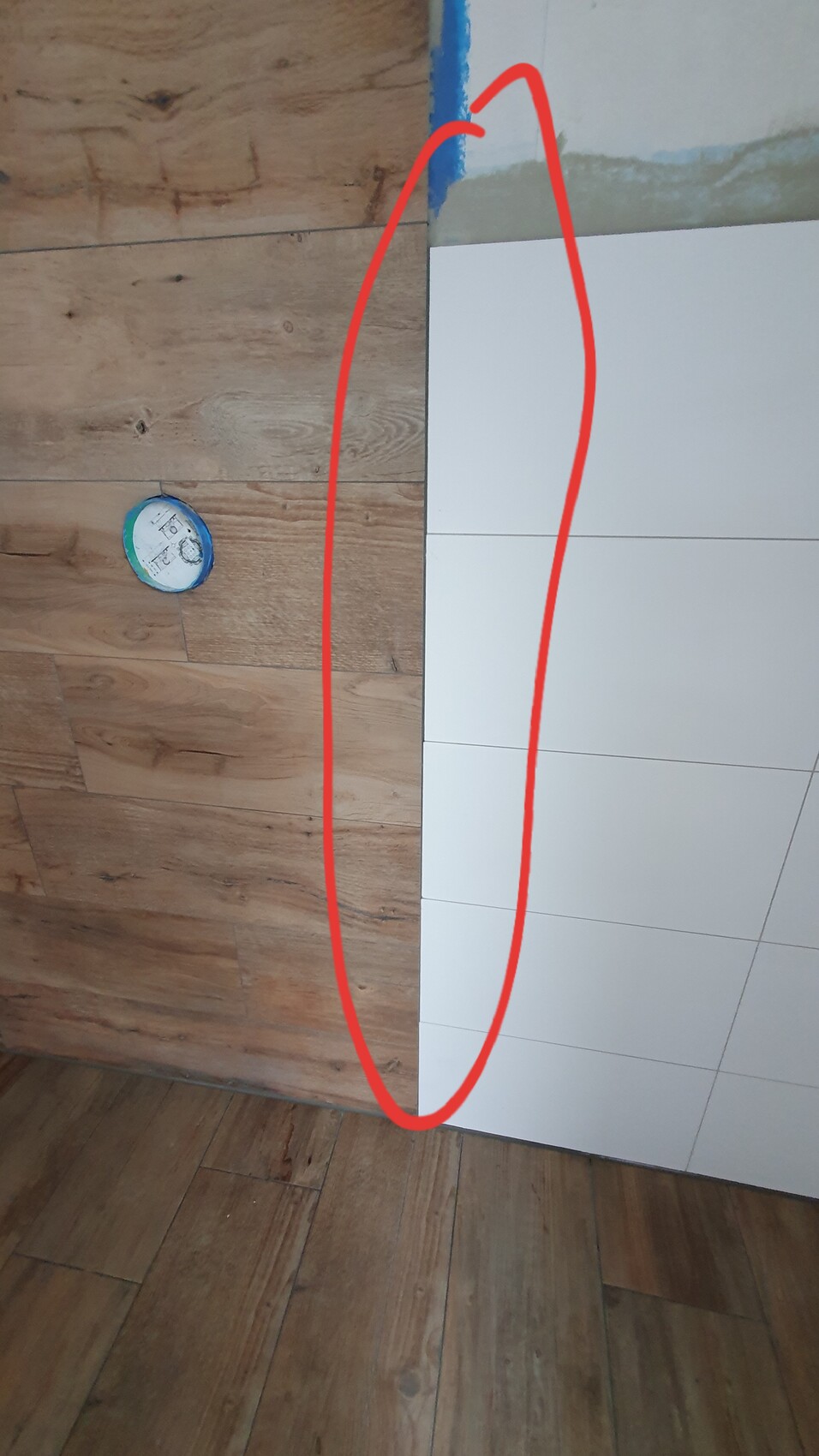
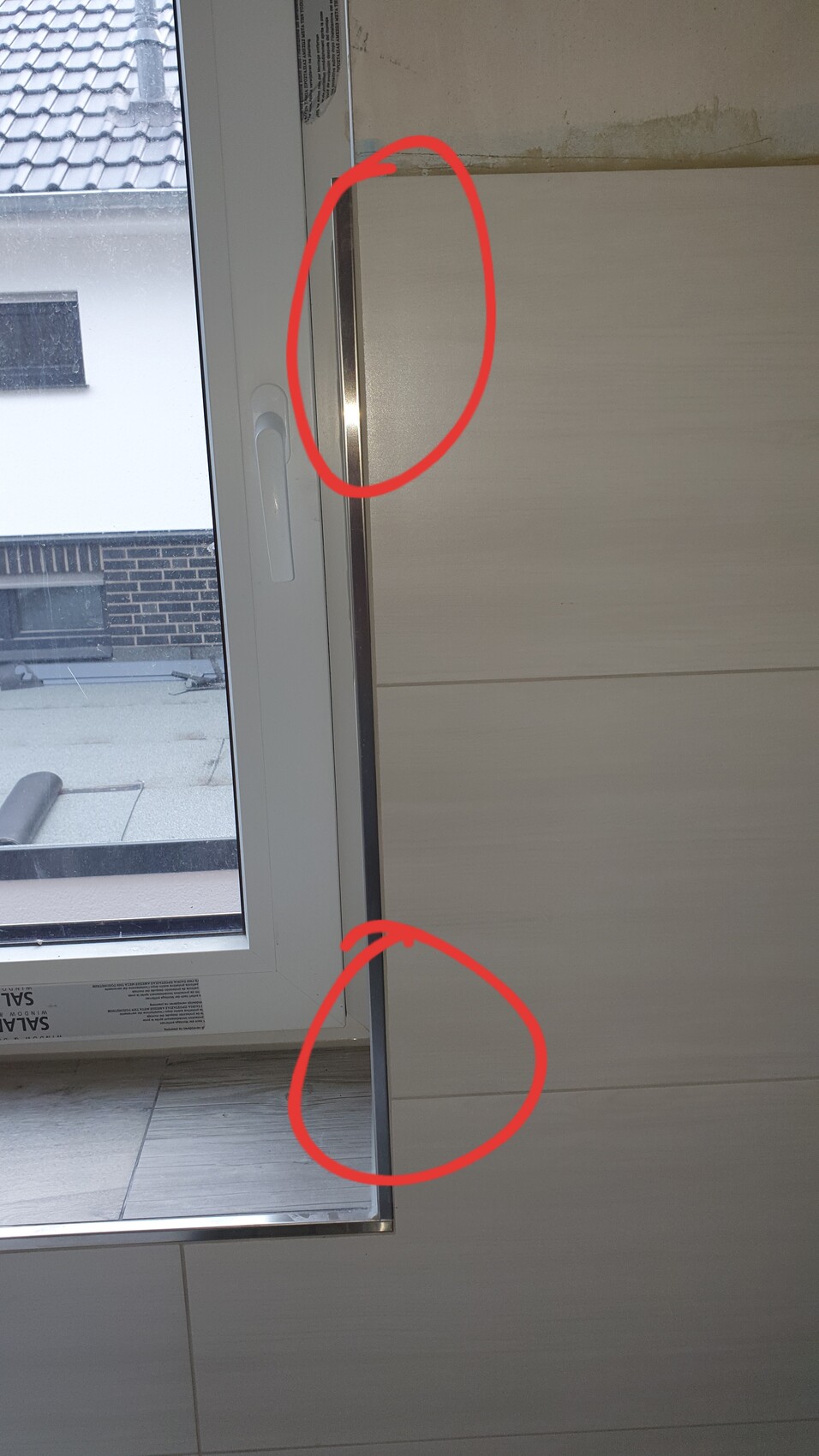
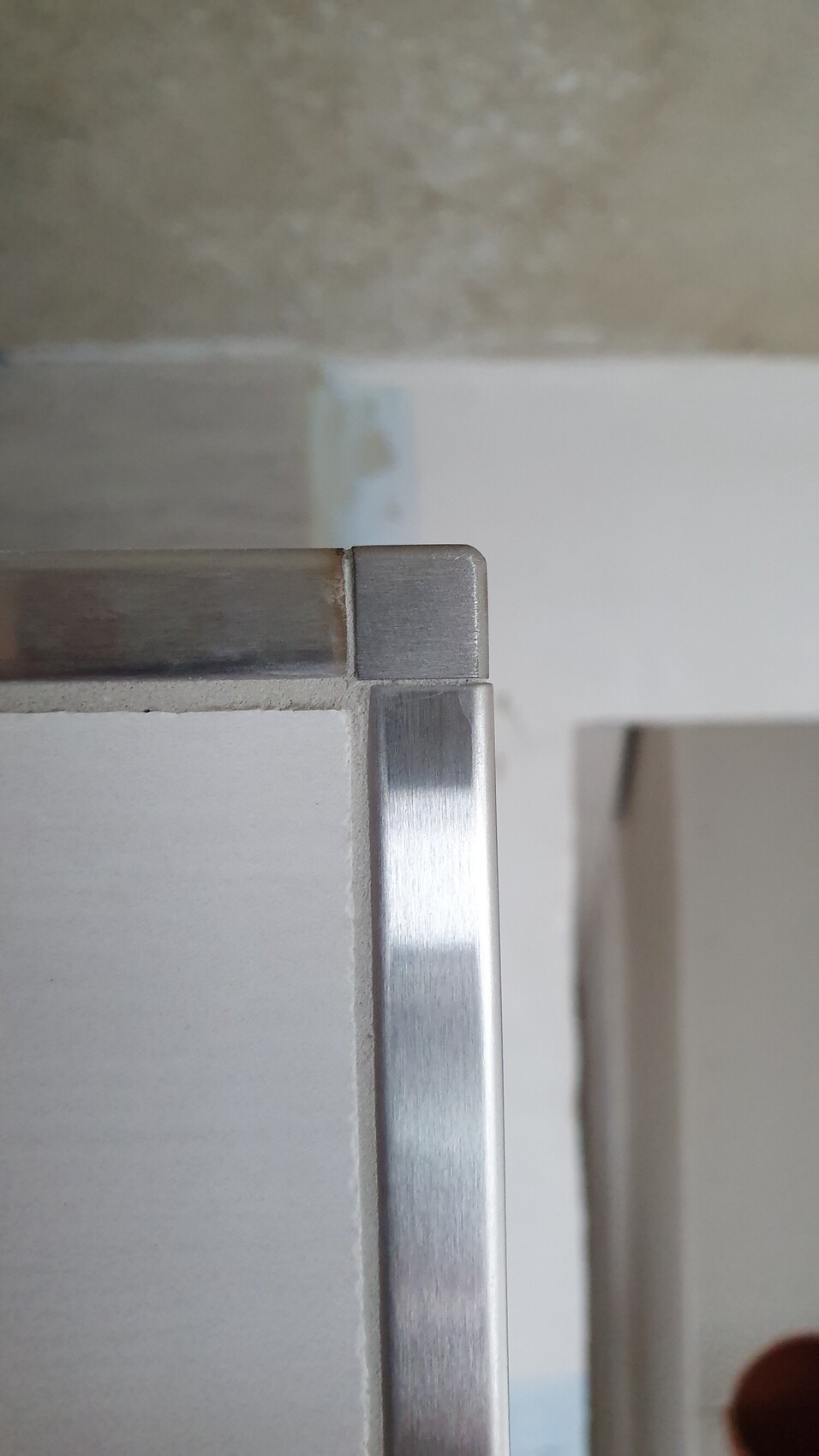
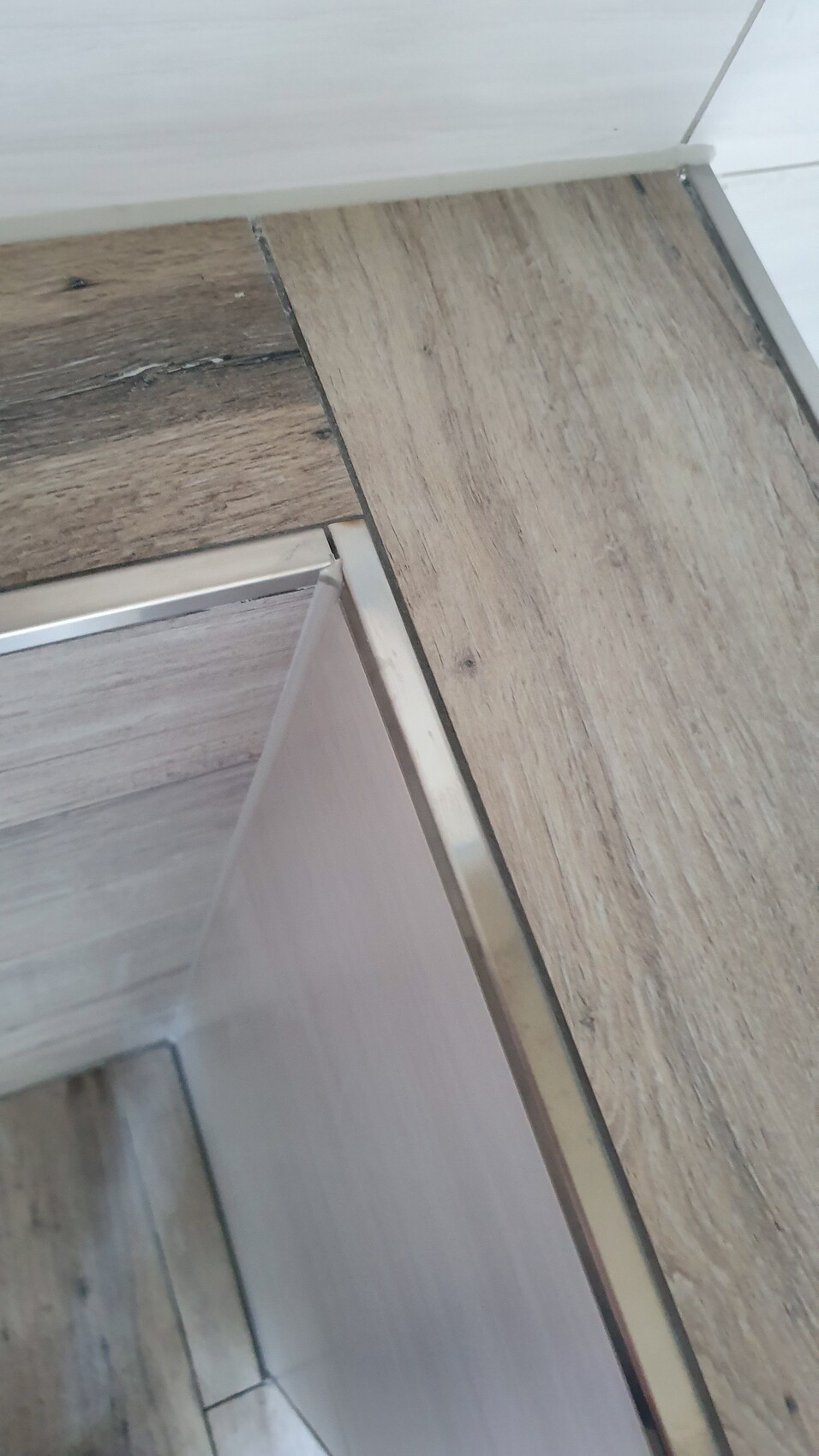
after the tiling work was completed, we walked through the house and were a bit surprised by some issues.
Now we are not sure if we are just being picky or if the work was really done carelessly. Are these defects fixable and should they be raised with the tiler?
These corner cubes are mostly installed at an angle.
One rail in the photos is also slightly twisted. The grout joints are not parallel in a few places.
And in the last photo, isn’t an internal corner supposed to be mitered?
See photos

Regarding the shelves: I would be annoyed if anything that tips over on my shelf rolls off the front and possibly hits the sink. Since walls are rarely cleaned directly with a water jet and are generally wiped down afterward when cleaning, a downward slope toward the front would actually be a drawback for me. In general: If you really want to find faults, you can argue that all the different options are flaws with the right arguments.

Joedreck schrieb:
Sorry, but it can’t be considered a defect of the tiling trade if an uneven wall is being tiled. As mentioned, it is the tiler’s responsibility to inspect the substrate beforehand. If they find that the wall has been plastered crookedly or unevenly, they must inform the client that they cannot guarantee flawless tiling on that surface.
The client then has the option to have the plaster corrected accordingly or to release the tiler from liability regarding that wall.
If the tiler fails to report this and proceeds with tiling anyway, they will be liable later for the uneven surface, even though the defect does not originally stem from their work. I assume that in the case of subsequent repairs, the client will at least have to cover the costs for leveling the substrate (necessary costs), but removing the tiles and re-tiling would then be the tiler’s responsibility.
Imagine the same situation with a bricklayer who, despite the absence of a foundation, just lays bricks directly on the ground. Nobody would say, “Beautiful wall, well done. It’s not your fault the foundation excavation was forgotten.”
Sorry, but comparing a drywall partition that is not perfectly plumb with missing foundations is nonsense. The impact of the slightly leaning drywall partition = 0. Apart from the shelf in the shower, everything else the second tiler is complaining about is totally irrelevant. But it’s also a classic to ask a colleague; they always find something, of course. The ugly tracks and corners would bother me more, but none of that is a defect.
apokolok schrieb:
Sorry, but comparing a drywall partition that is not perfectly plumb with missing foundations is nonsense. Impact of the crooked drywall partition = 0.Regardless of your personal opinion, a "defect" is legally defined and extensively specified across all trades through standards and court rulings. A crooked wall (outside acceptable tolerances) constitutes a defect, even if it only results in a purely cosmetic issue. The example with the wall simply makes this clearer because the consequences are less abstract.
If the tile setter works on top of this without consultation, resulting in their work also falling outside acceptable tolerances, they cannot avoid responsibility by referring to the (defective) preceding work. You can personally think whatever you want, that’s just how it is.
This is just a general note. I didn’t mean to say that there is actually a defect in this specific case. Maybe there is, but I can’t judge.
Similar topics