
Hello dear forum,
I would like to get some opinions on the waterproofing of our house. Our site manager assures us that it is a "reasonable and watertight execution," arguing that "there is no other way to do it" and "this is how we've always done it, and we've never had any problems."
First, as a quote from the construction specification: "The joints remaining on the interior side between exterior components and the building structure (window frames) are to be completely filled with mineral fiber insulation according to DIN 18355. Alternatively, the installation may be carried out using assembly foam in accordance with the state of the art."
1. Our question is whether the waterproofing and installation of the windows were carried out professionally and according to standard practice (raindriven rain protection?).
Here are pictures of the same window at different stages of construction:
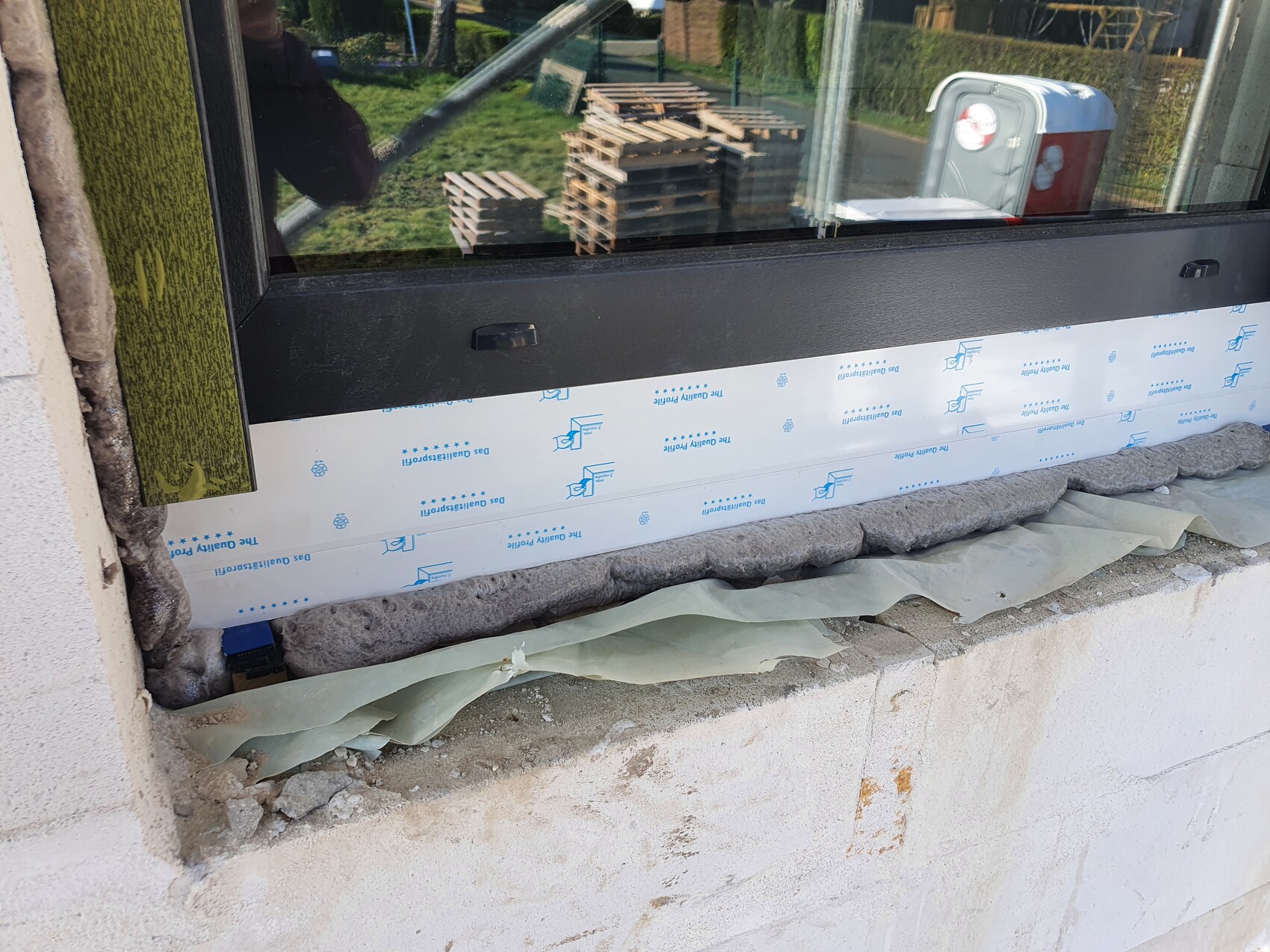
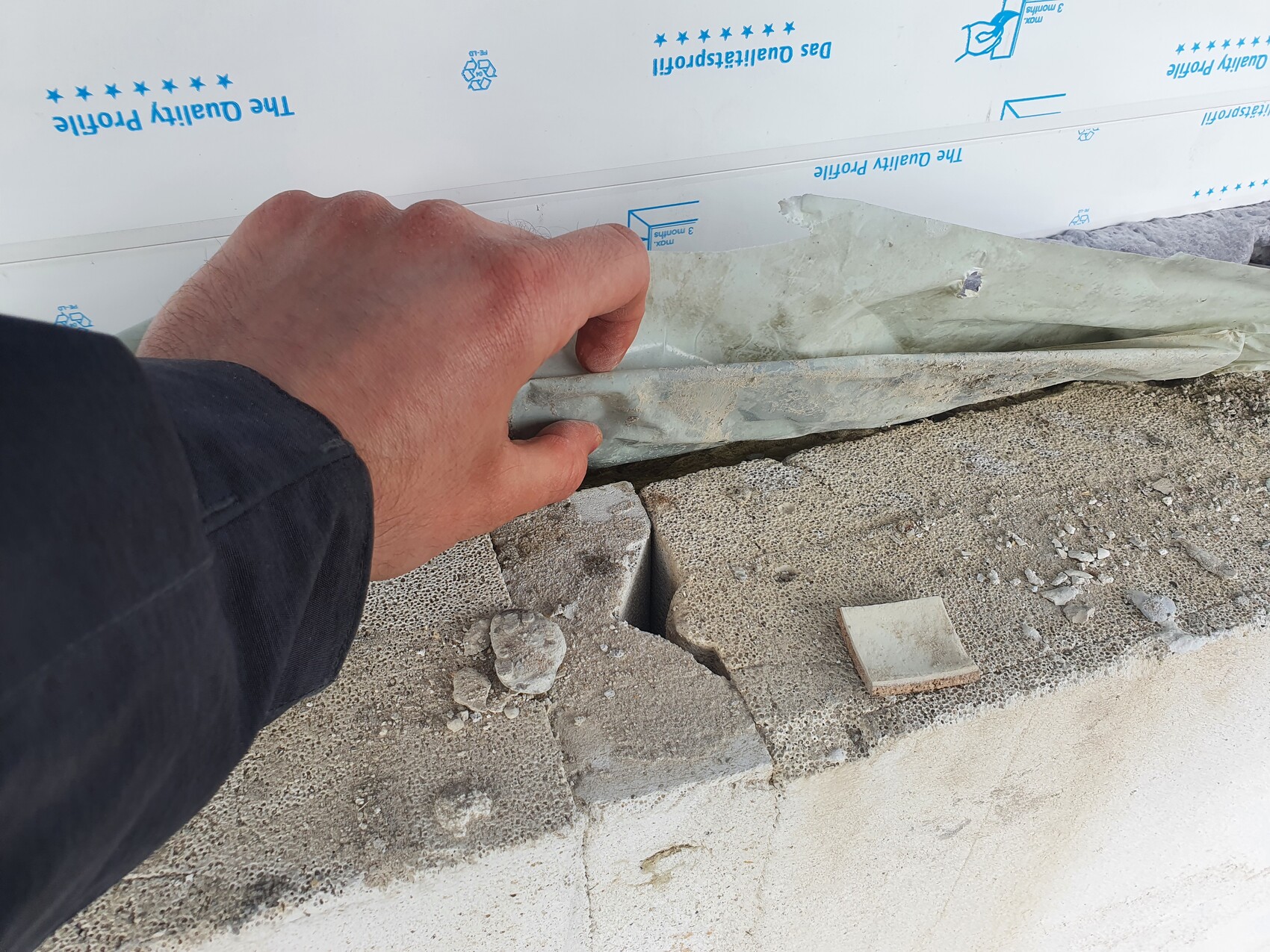
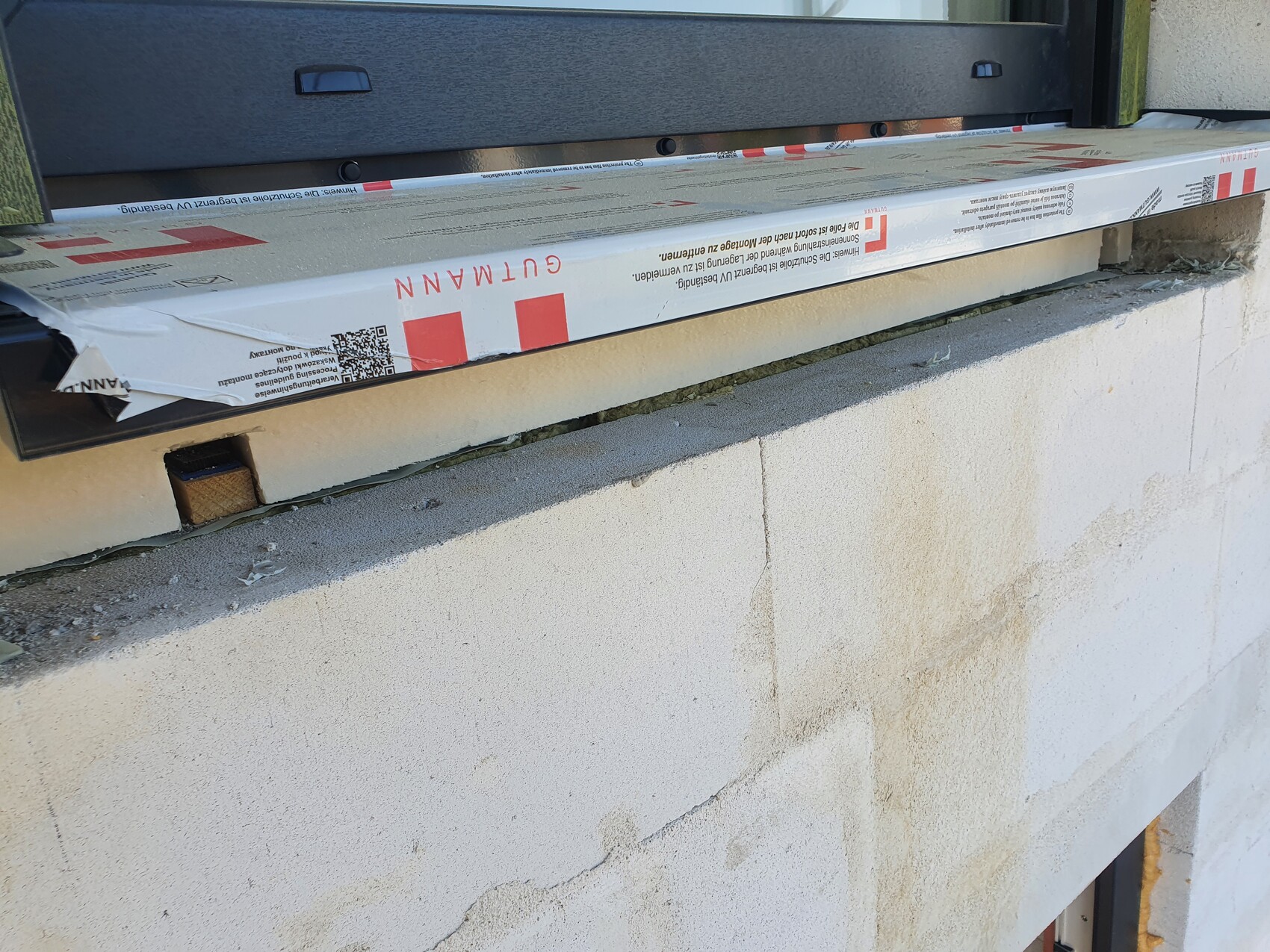
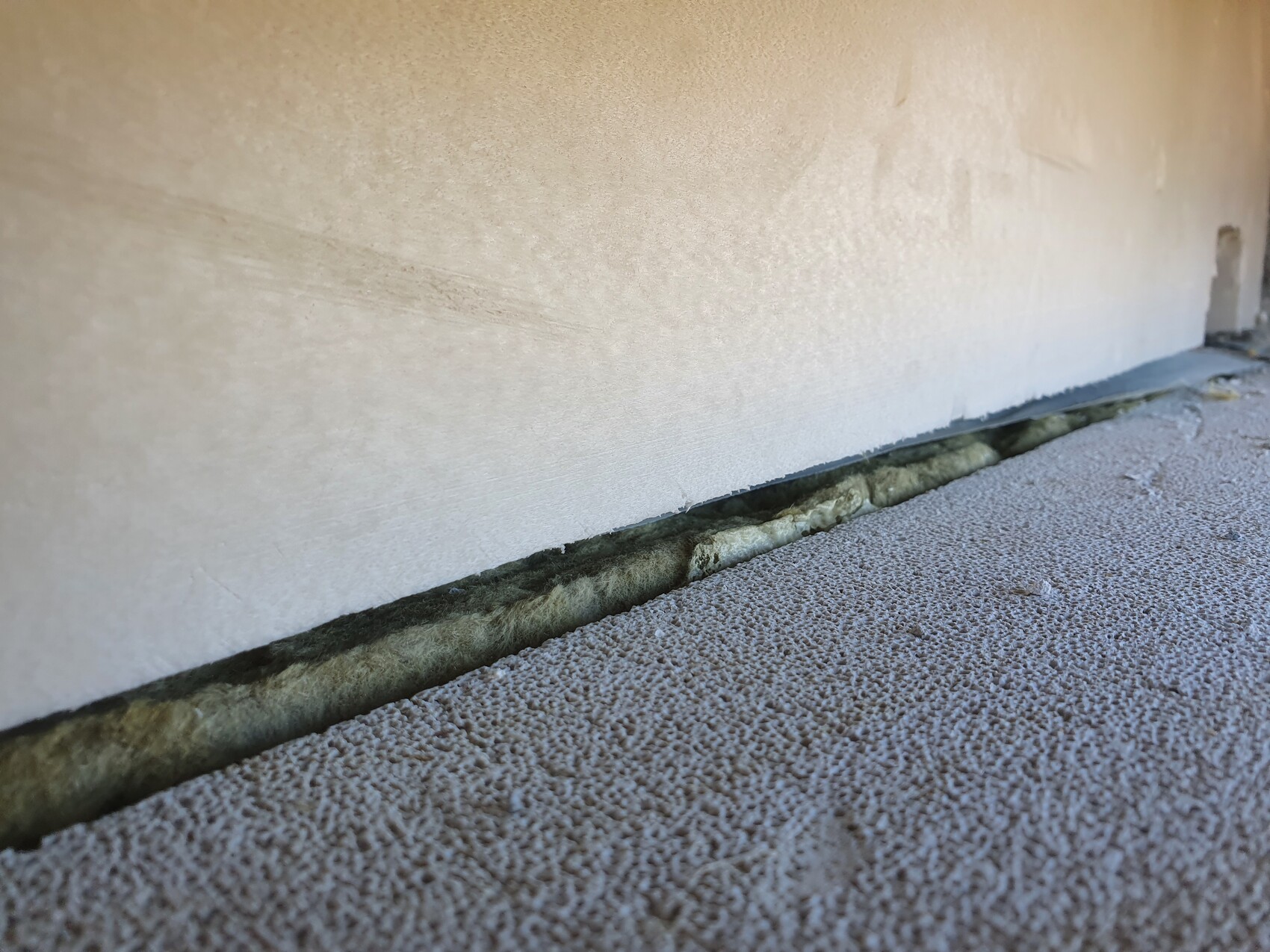
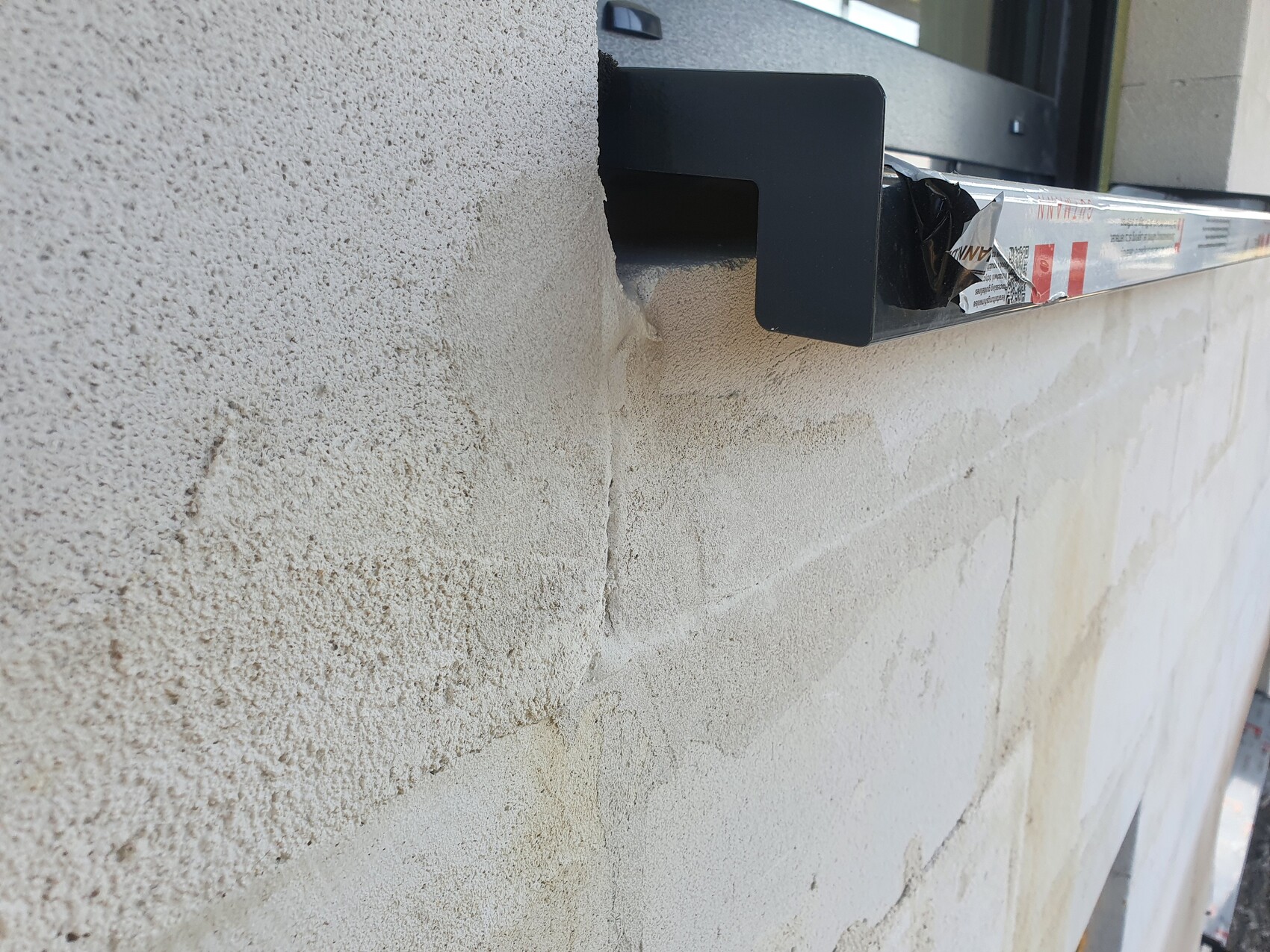
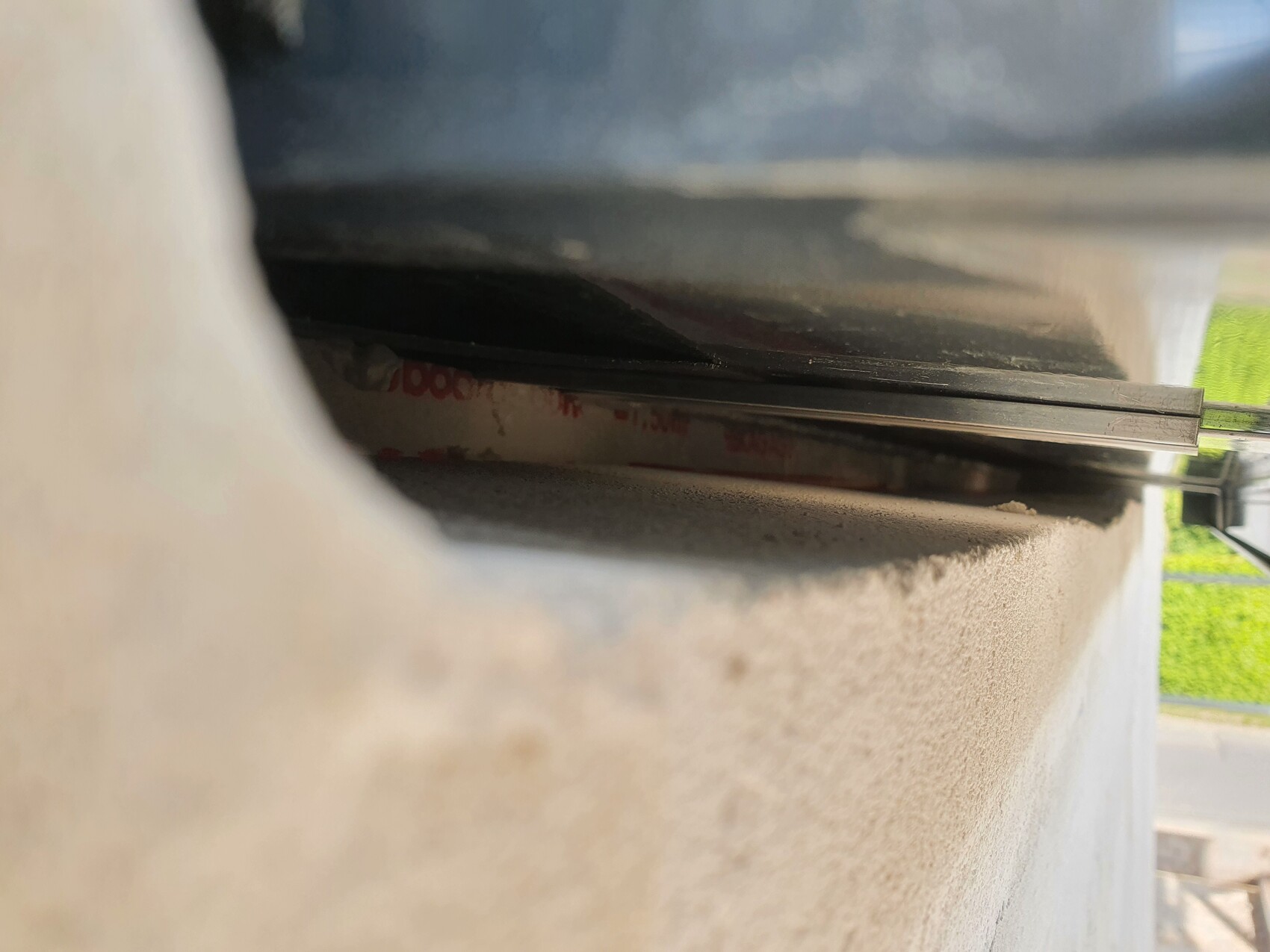
2. Should there have been a secondary waterproofing layer installed under the window sill, before the rigid foam insulation and masonry?
3. In the last picture (6), you can see the installation of all window sills. Below them is a sealing tape and, according to the site manager, "it is plastered over and everything is sealed" – is this sufficient?
Picture 7 before the sealing tape and 9 after sealing tape at the corners:
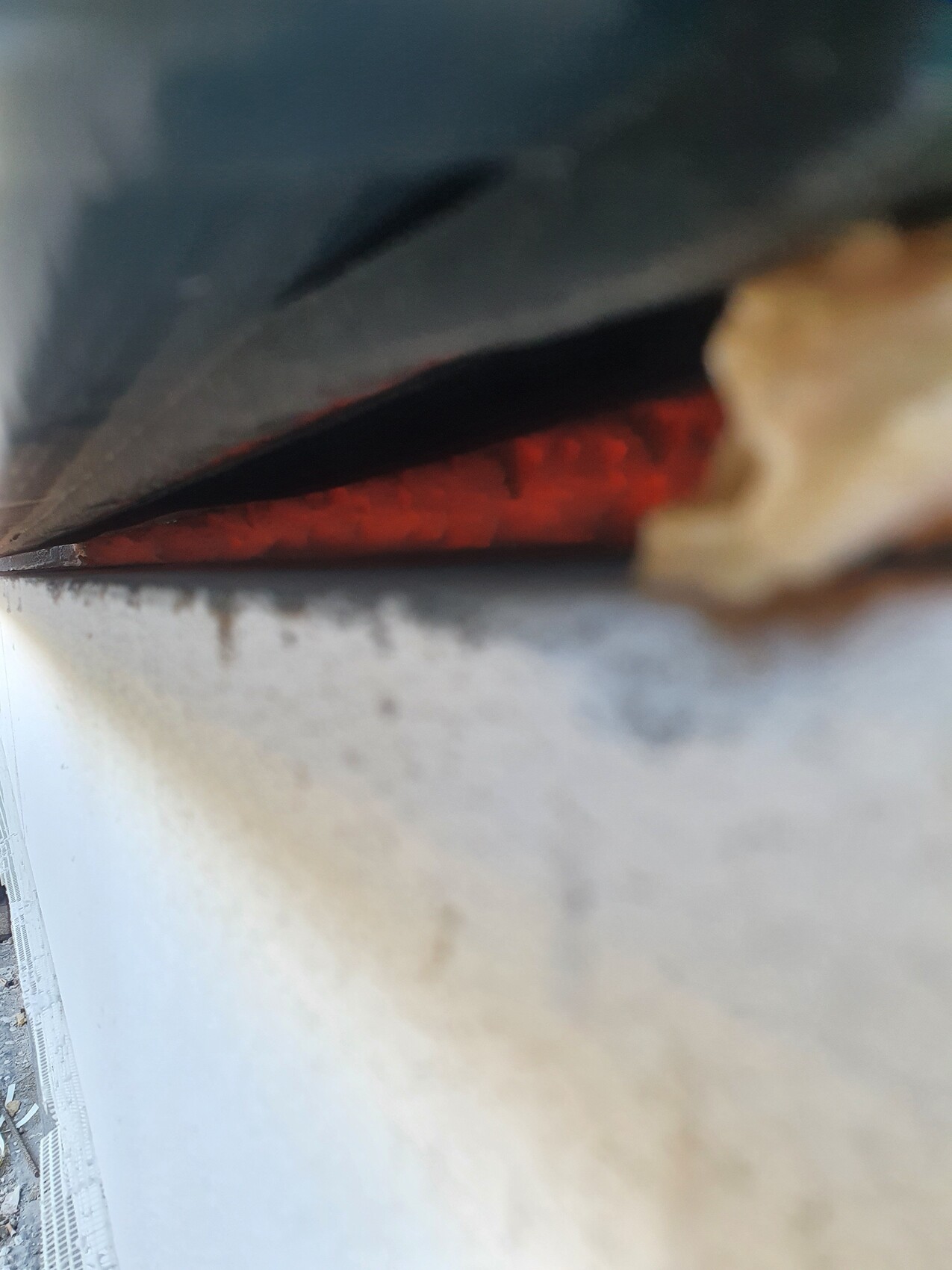
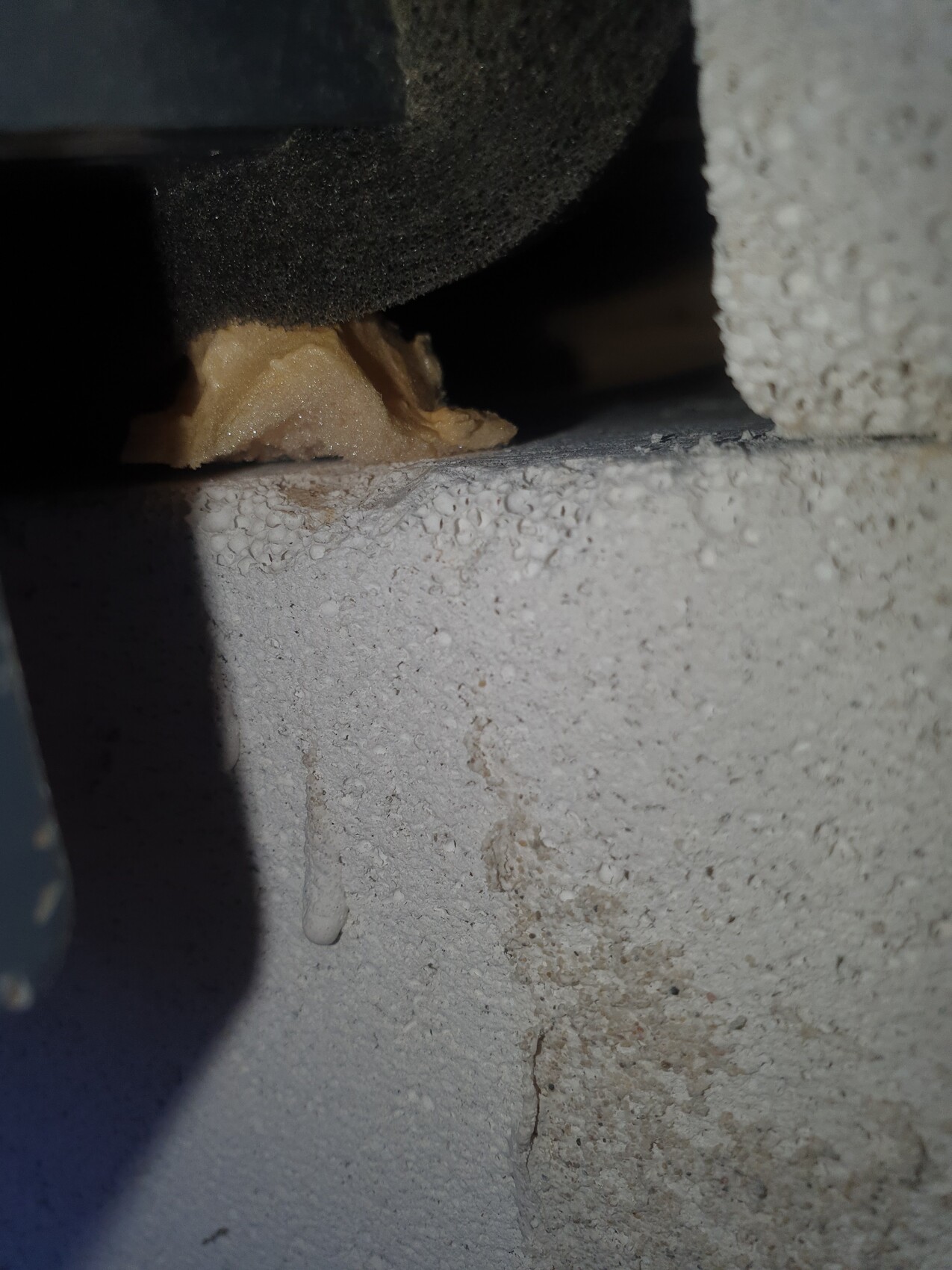
More pictures will follow in the next post:
I would like to get some opinions on the waterproofing of our house. Our site manager assures us that it is a "reasonable and watertight execution," arguing that "there is no other way to do it" and "this is how we've always done it, and we've never had any problems."
First, as a quote from the construction specification: "The joints remaining on the interior side between exterior components and the building structure (window frames) are to be completely filled with mineral fiber insulation according to DIN 18355. Alternatively, the installation may be carried out using assembly foam in accordance with the state of the art."
1. Our question is whether the waterproofing and installation of the windows were carried out professionally and according to standard practice (raindriven rain protection?).
Here are pictures of the same window at different stages of construction:
2. Should there have been a secondary waterproofing layer installed under the window sill, before the rigid foam insulation and masonry?
3. In the last picture (6), you can see the installation of all window sills. Below them is a sealing tape and, according to the site manager, "it is plastered over and everything is sealed" – is this sufficient?
Picture 7 before the sealing tape and 9 after sealing tape at the corners:
More pictures will follow in the next post:
Here is the continuation of the side detail:
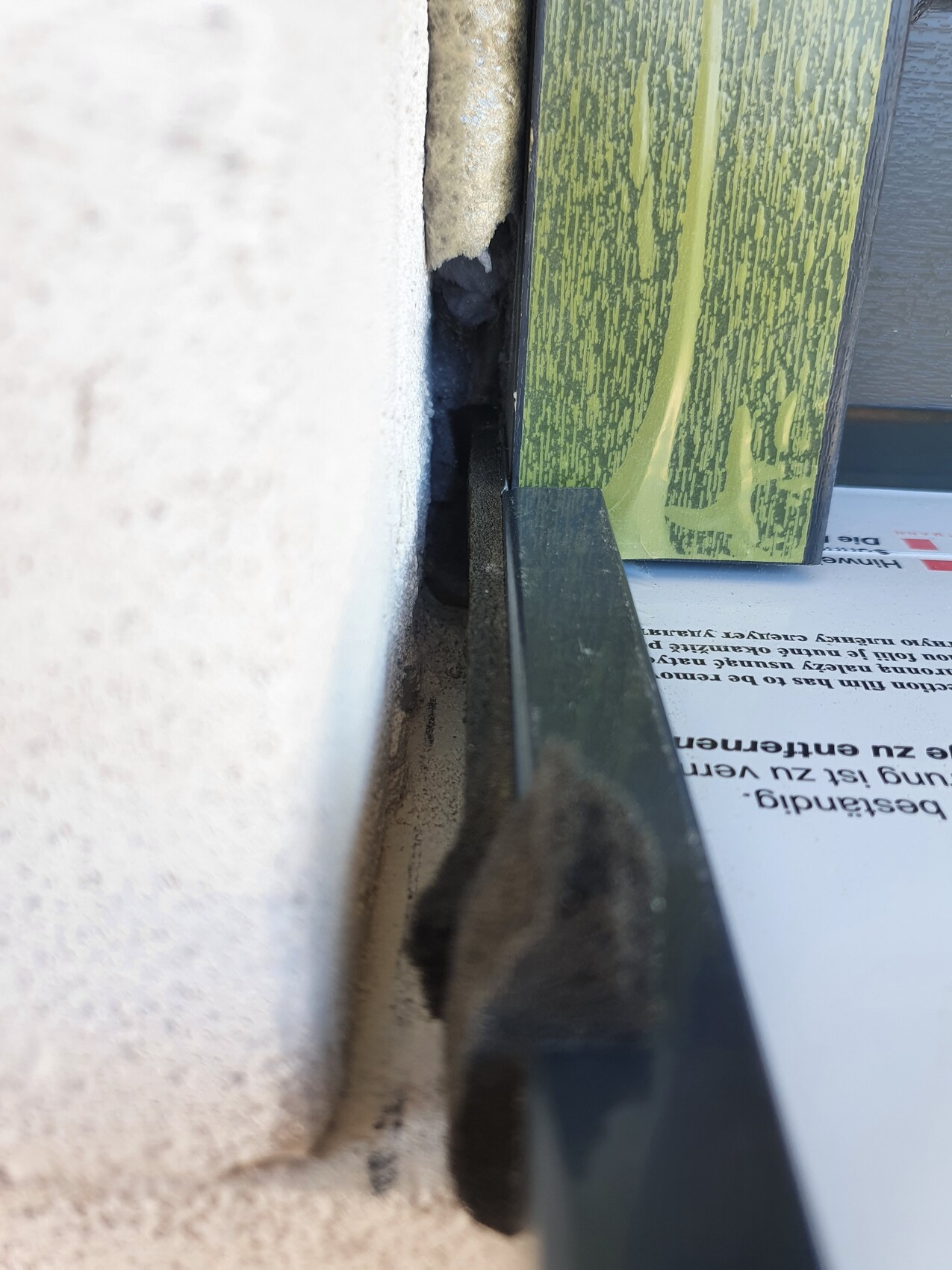
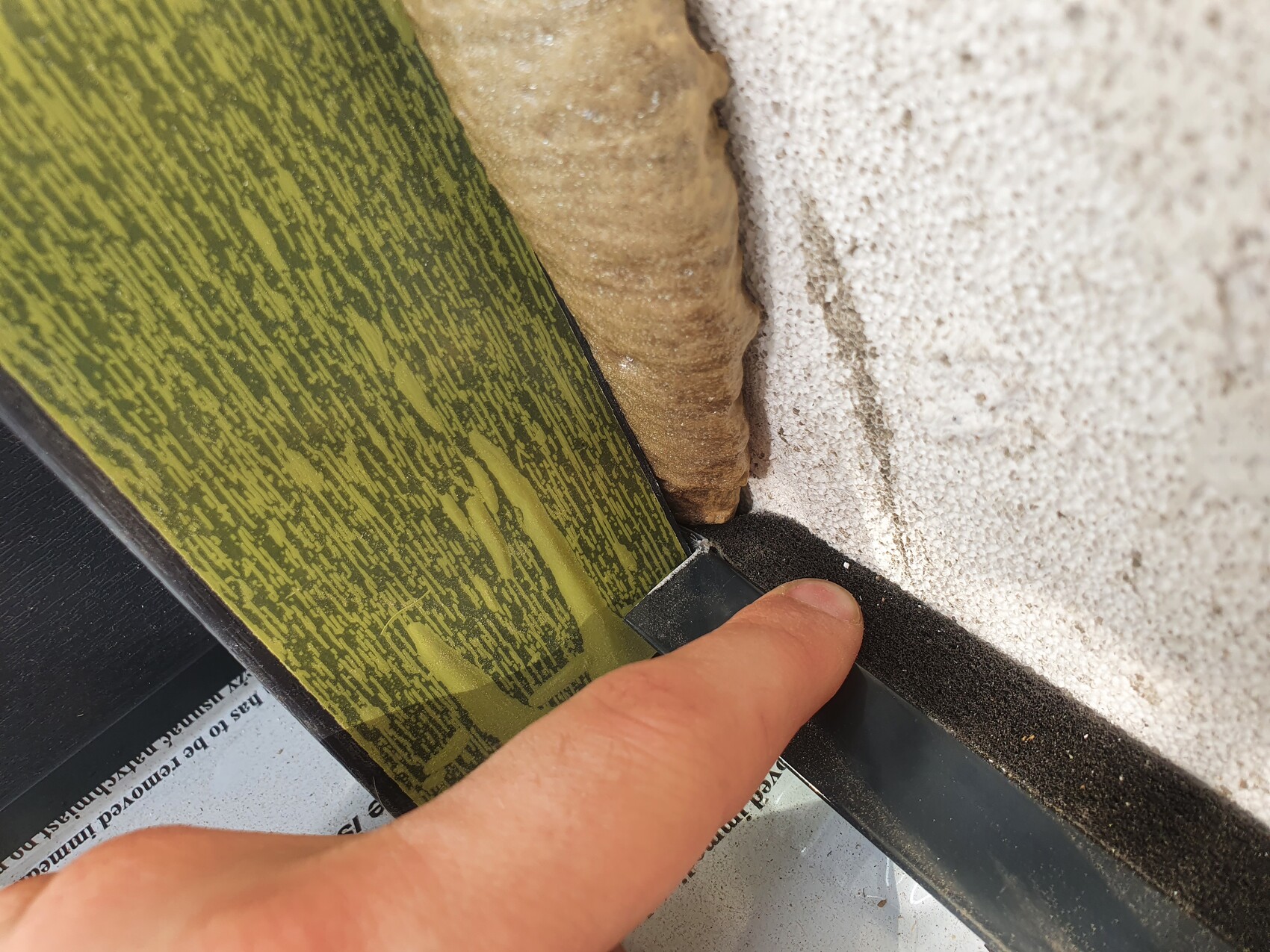
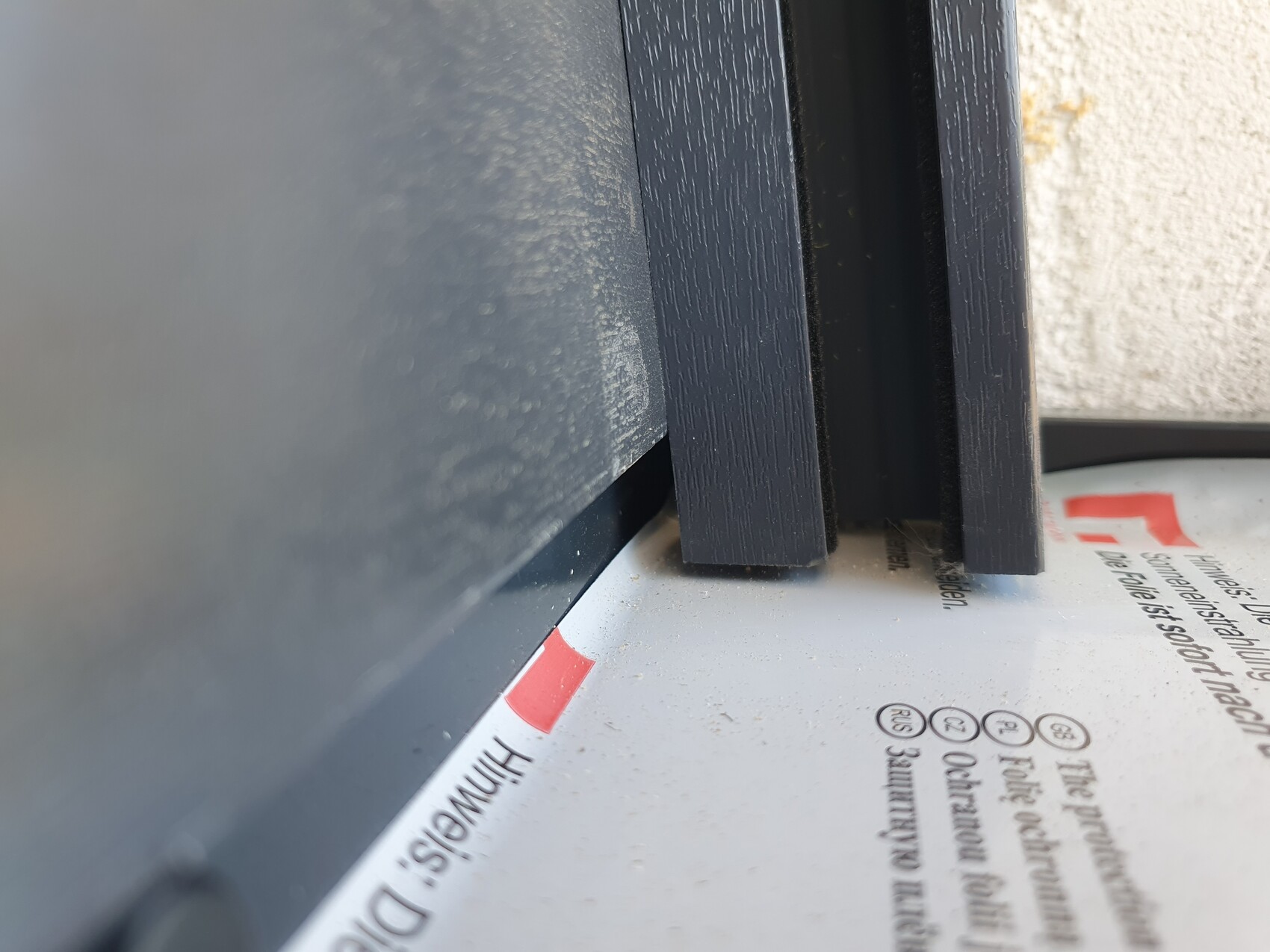
4. And last but not least, an important question for us: Should the floor-to-ceiling windows have been sealed directly at the window frame instead of at the roller shutter guide rail, so that there is also lateral waterproofing of the masonry against penetrating water?

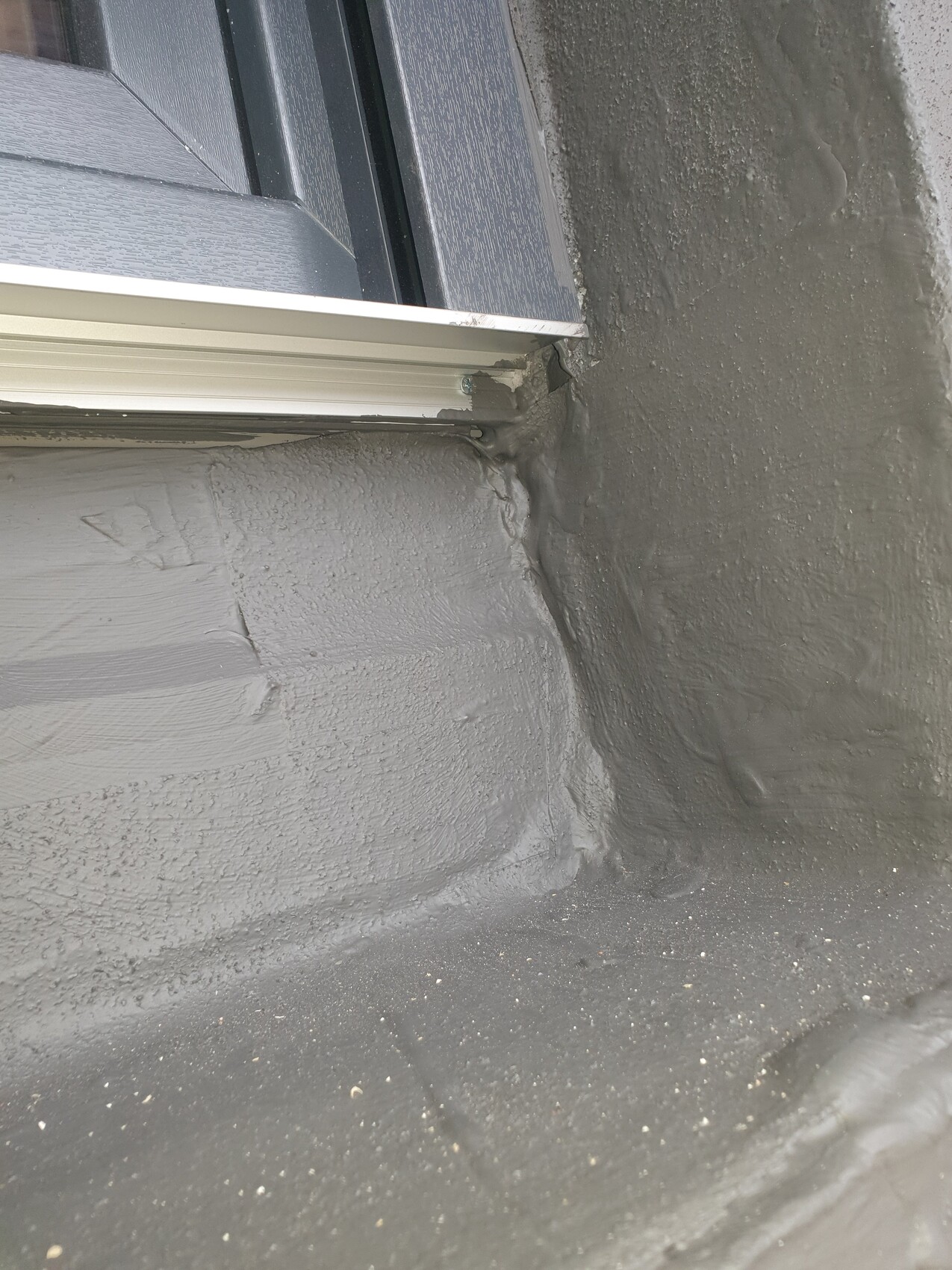
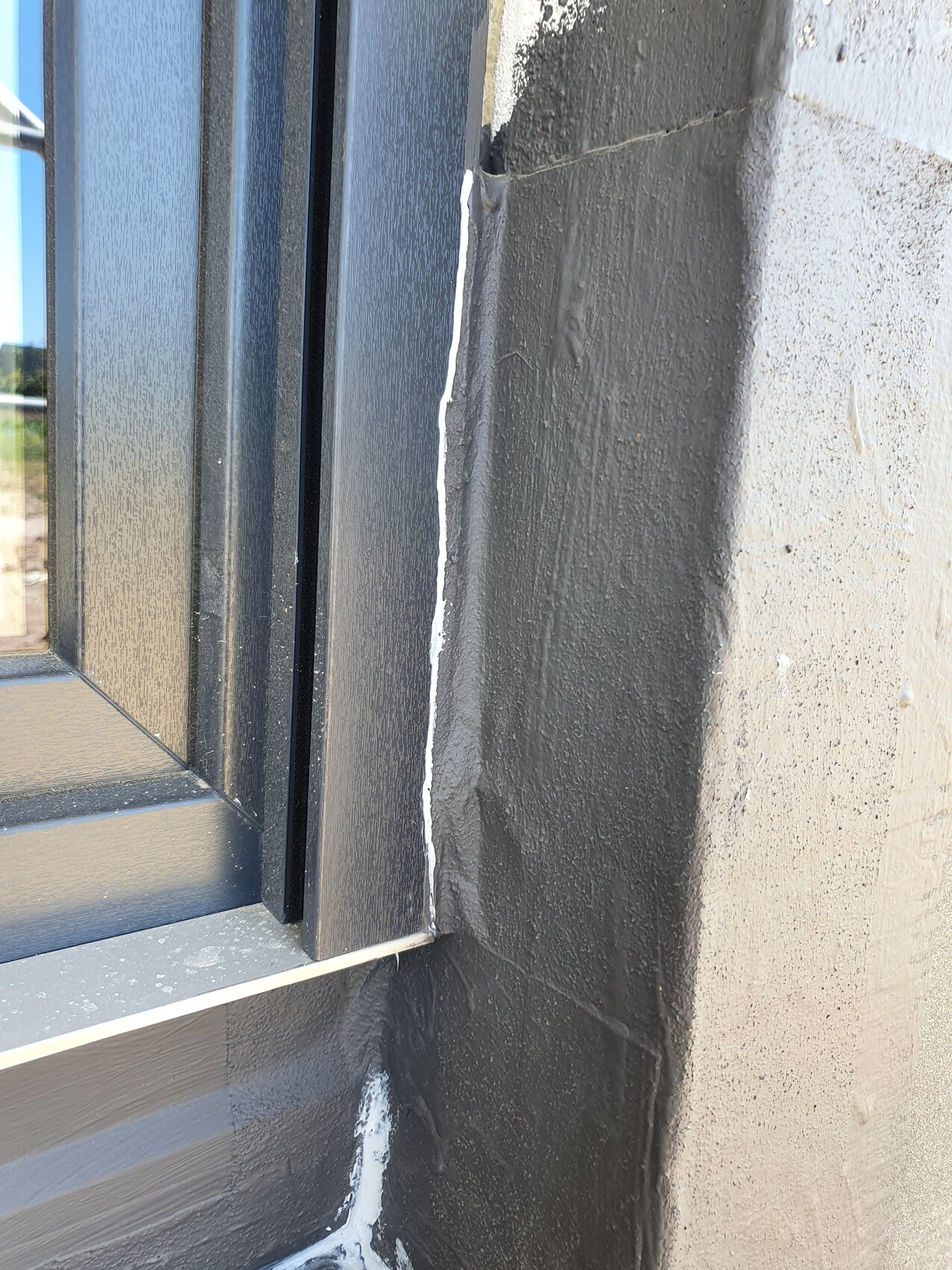
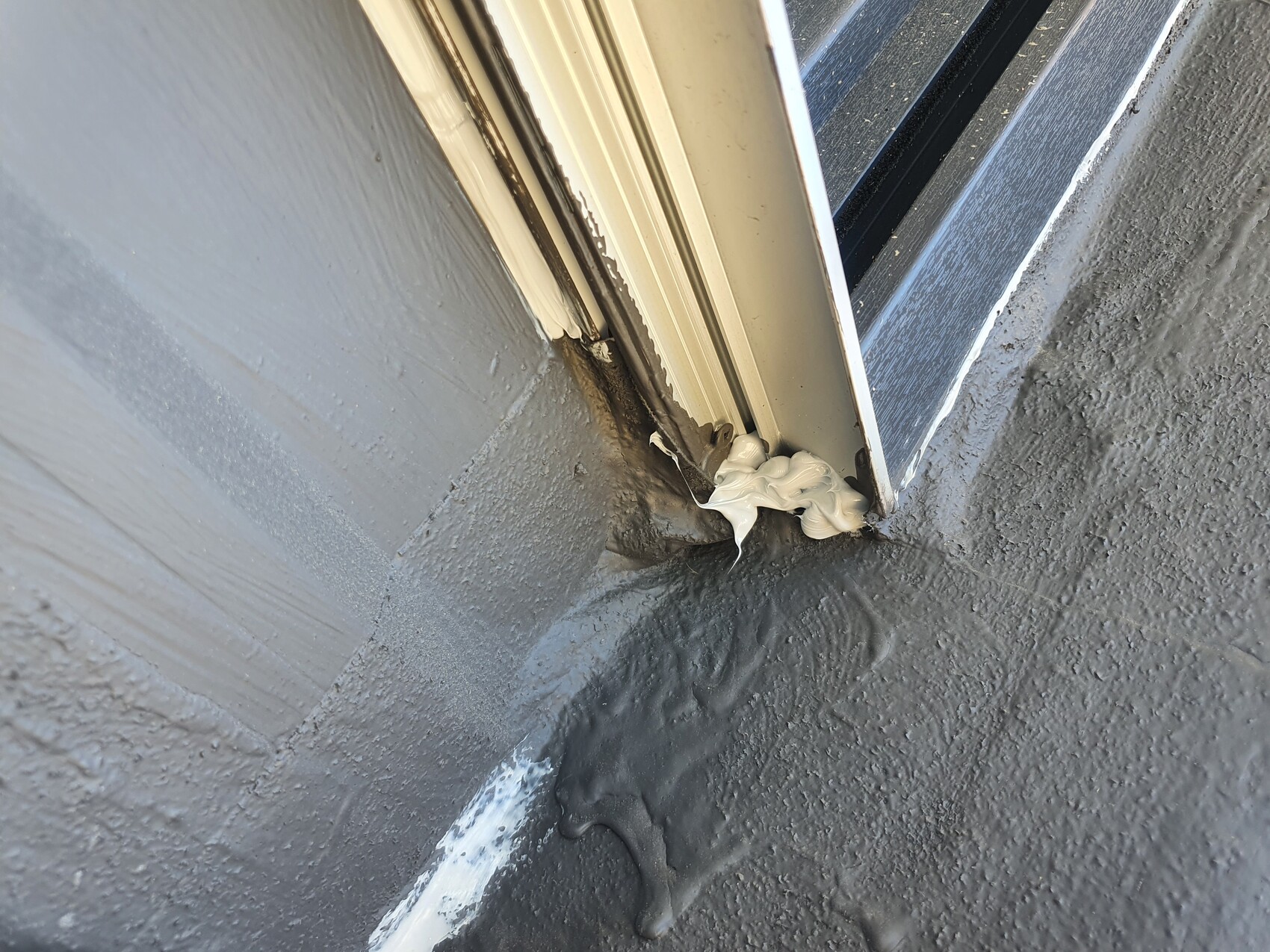
By the way, the "grayish" material was applied by the site manager after we raised our concerns. He assures us that the window is sealed, especially since further plastering work is still planned.
Thank you very much for the input!
4. And last but not least, an important question for us: Should the floor-to-ceiling windows have been sealed directly at the window frame instead of at the roller shutter guide rail, so that there is also lateral waterproofing of the masonry against penetrating water?
By the way, the "grayish" material was applied by the site manager after we raised our concerns. He assures us that the window is sealed, especially since further plastering work is still planned.
Thank you very much for the input!

Mr.m00h schrieb:
By the way, the site manager mentioned the "grayish" part after we raised our concerns. He assures us that the window is sealed properly, mainly because finishing plastering is still ongoing. That looks like a waterproofing slurry to me.
Mr.m00h schrieb:
@11ant, maybe as a former window fabricator? Not a window installer, but a window manufacturer. The pictures do not show the current state of technology or training, but rather the reality in the window installation subcontracting business :-(
I am confident that in the end it will be completed to your satisfaction in practice; nevertheless, during a break a specialist could easily record a complaint about this.
Conclusion: it can definitely be made watertight – but it’s certainly not suitable to demonstrate proper technique to apprentices.
https://www.instagram.com/11antgmxde/
https://www.linkedin.com/company/bauen-jetzt/
Insulation has nothing to do with sealing; it refers to the thermal insulation between building components. Just read what is stated in the approval for the expanding foam. Compression sealing tapes are, of course, not applied around corners...
From the inside, a vapor retarder is required on a smooth plaster base (not glued directly onto the porous bricks), and from the outside, a rainproof seal is necessary. In other words, if you hold a watering can to the joint, the insulation must not get wet, to put it simply.
Just refer to the RAL installation guidelines and how a blower door test is supposed to work...
From the inside, a vapor retarder is required on a smooth plaster base (not glued directly onto the porous bricks), and from the outside, a rainproof seal is necessary. In other words, if you hold a watering can to the joint, the insulation must not get wet, to put it simply.
Just refer to the RAL installation guidelines and how a blower door test is supposed to work...
Regarding the likely two-component sealing slurry: When we use it in our company, the exterior of the interior wall is naturally coated 2-3 times beforehand. After installing the floor-to-ceiling windows, these are also coated except for the wall/panel/foundation that has already been coated. The house must be sealed all around, not each small component individually.
Similar topics