
Hello dear forum,
I would like to get some opinions on the waterproofing of our house. Our site manager assures us that it is a "reasonable and watertight execution," arguing that "there is no other way to do it" and "this is how we've always done it, and we've never had any problems."
First, as a quote from the construction specification: "The joints remaining on the interior side between exterior components and the building structure (window frames) are to be completely filled with mineral fiber insulation according to DIN 18355. Alternatively, the installation may be carried out using assembly foam in accordance with the state of the art."
1. Our question is whether the waterproofing and installation of the windows were carried out professionally and according to standard practice (raindriven rain protection?).
Here are pictures of the same window at different stages of construction:
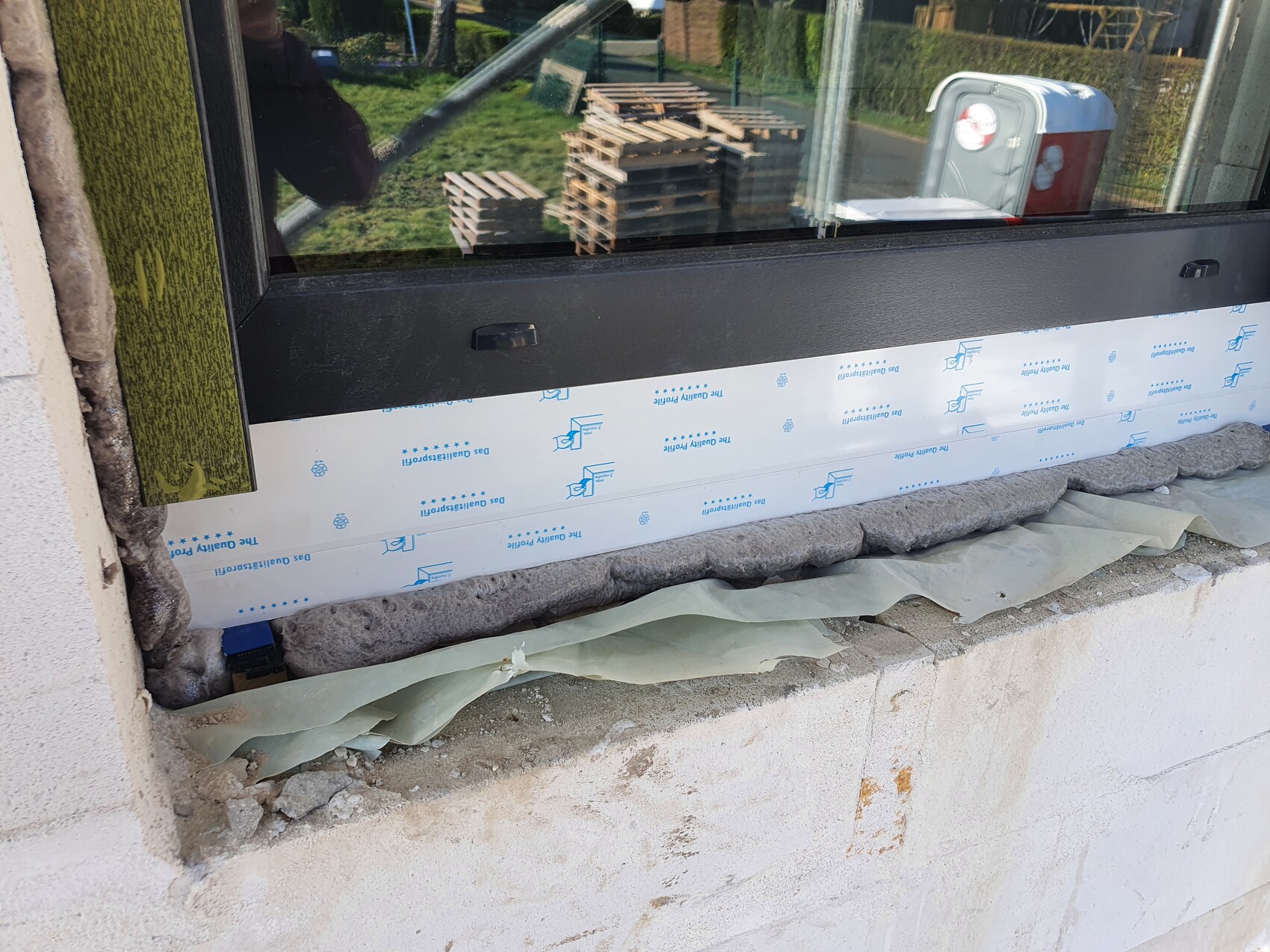
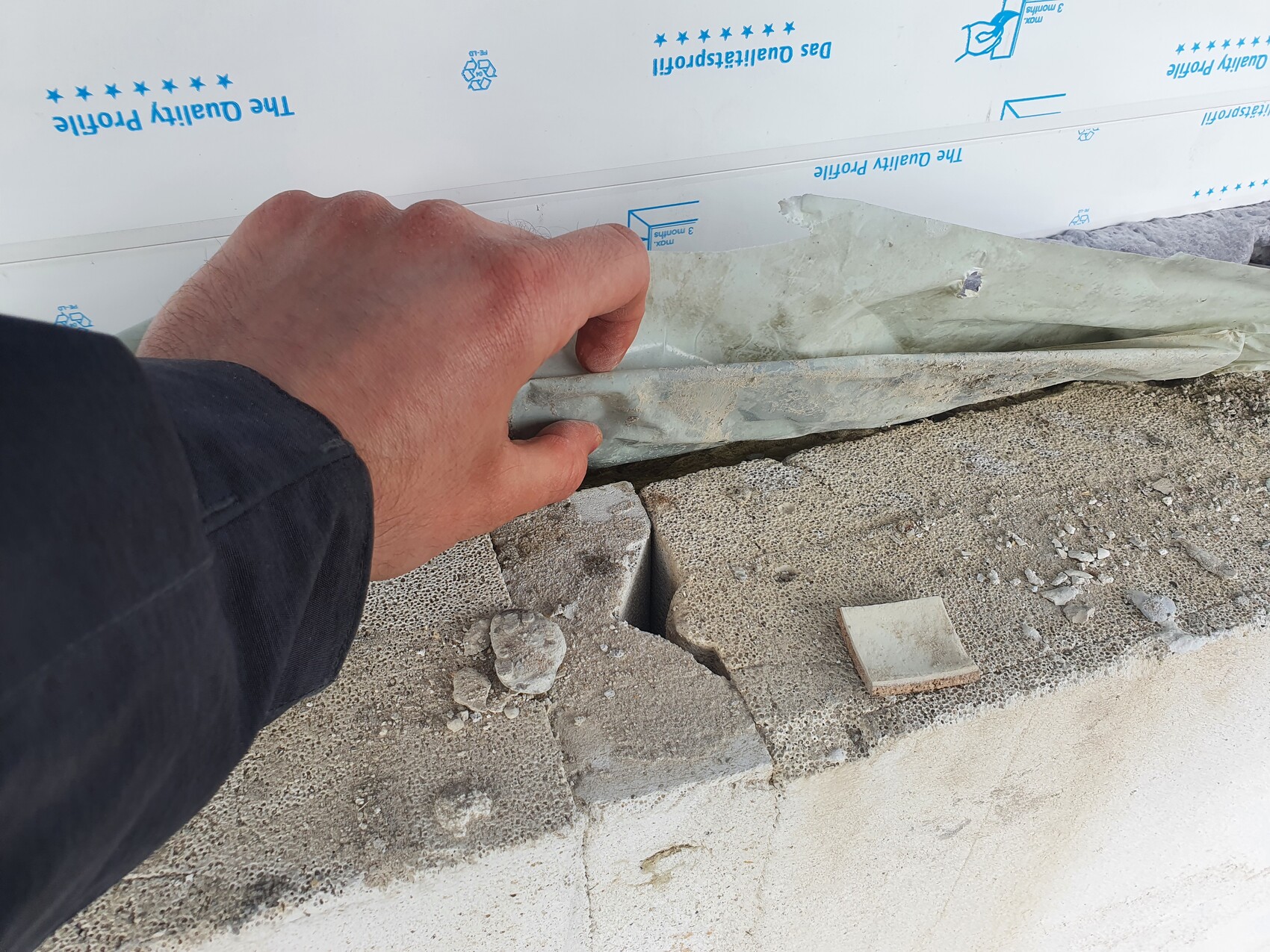
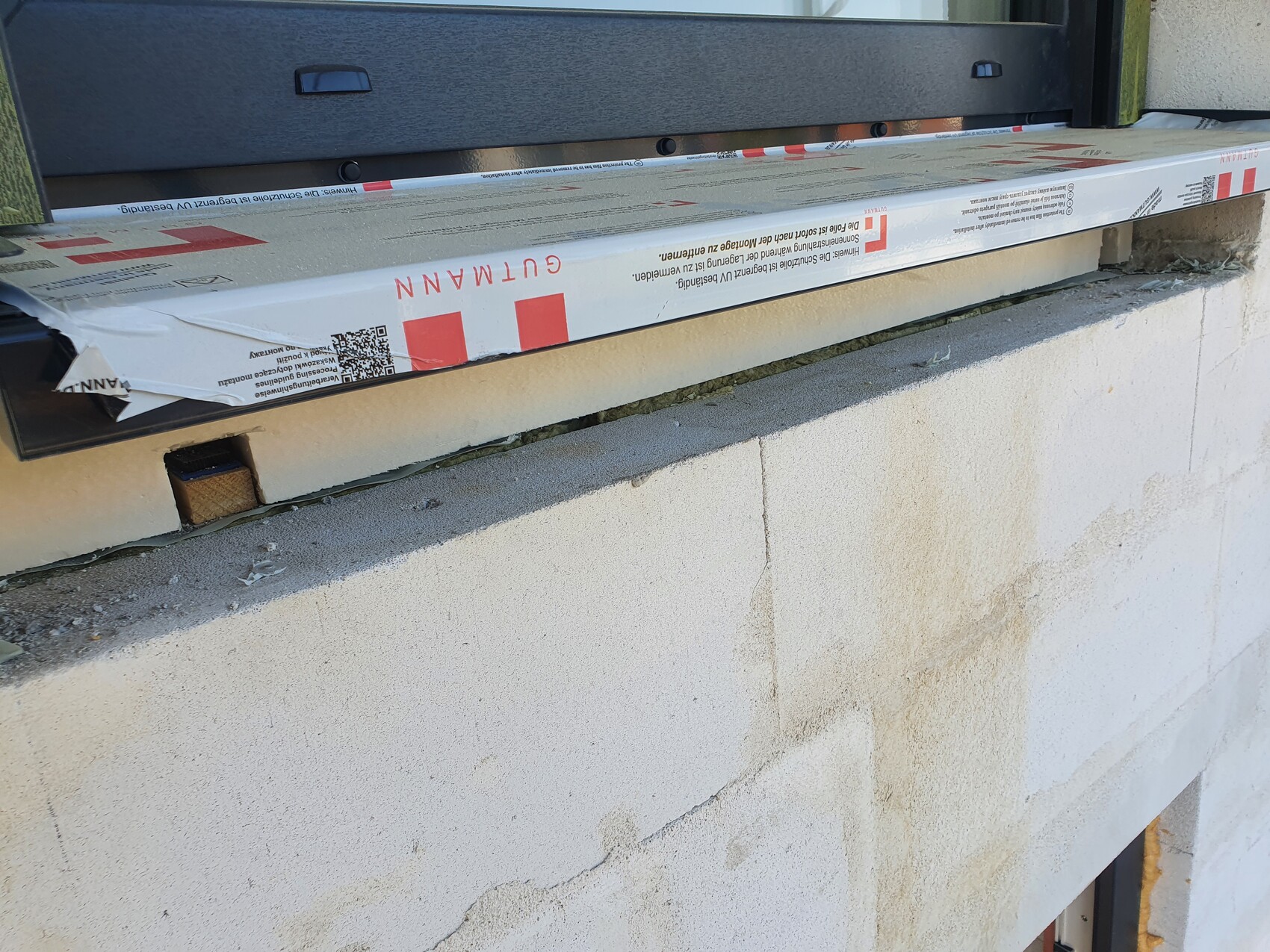
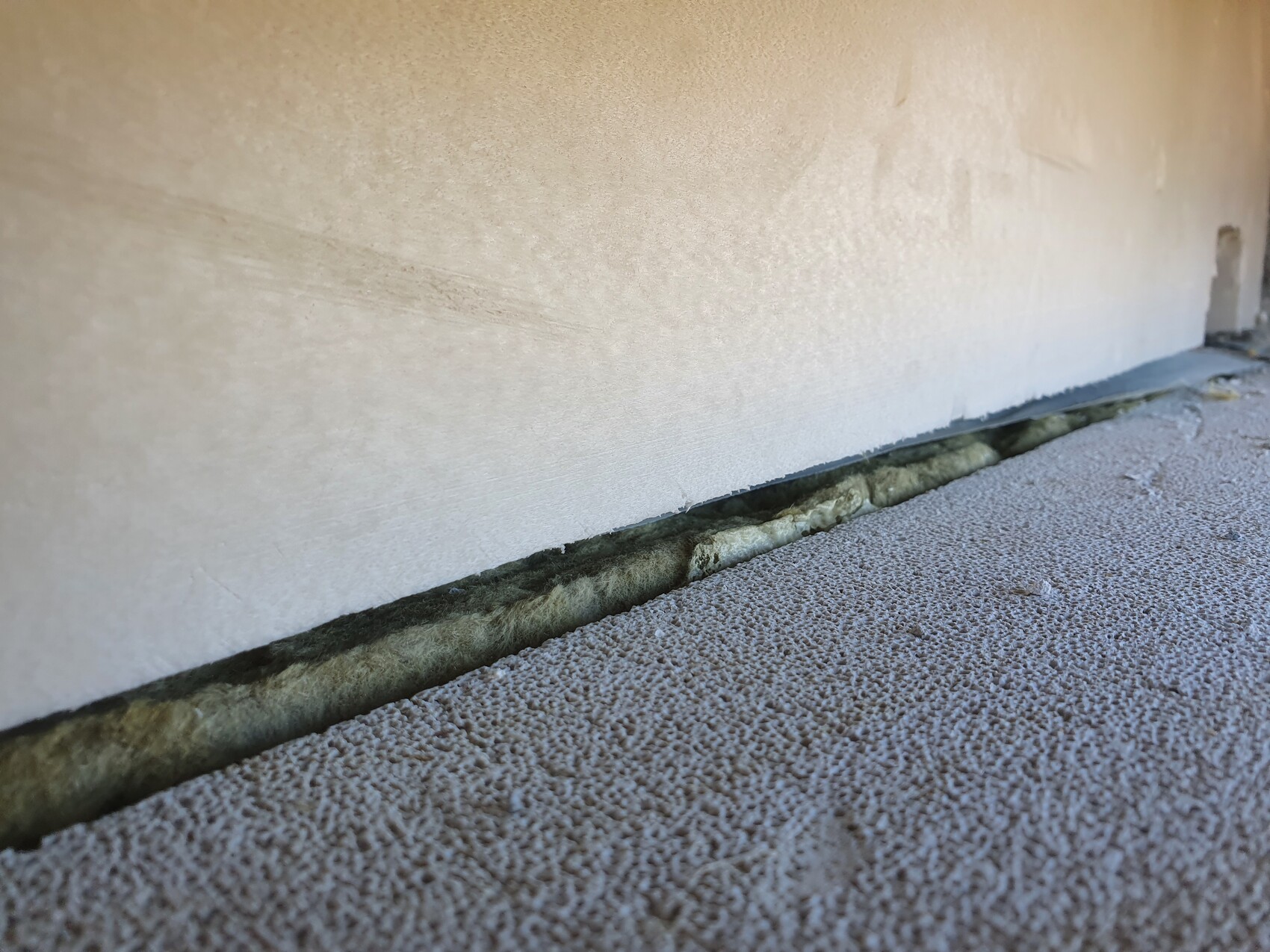
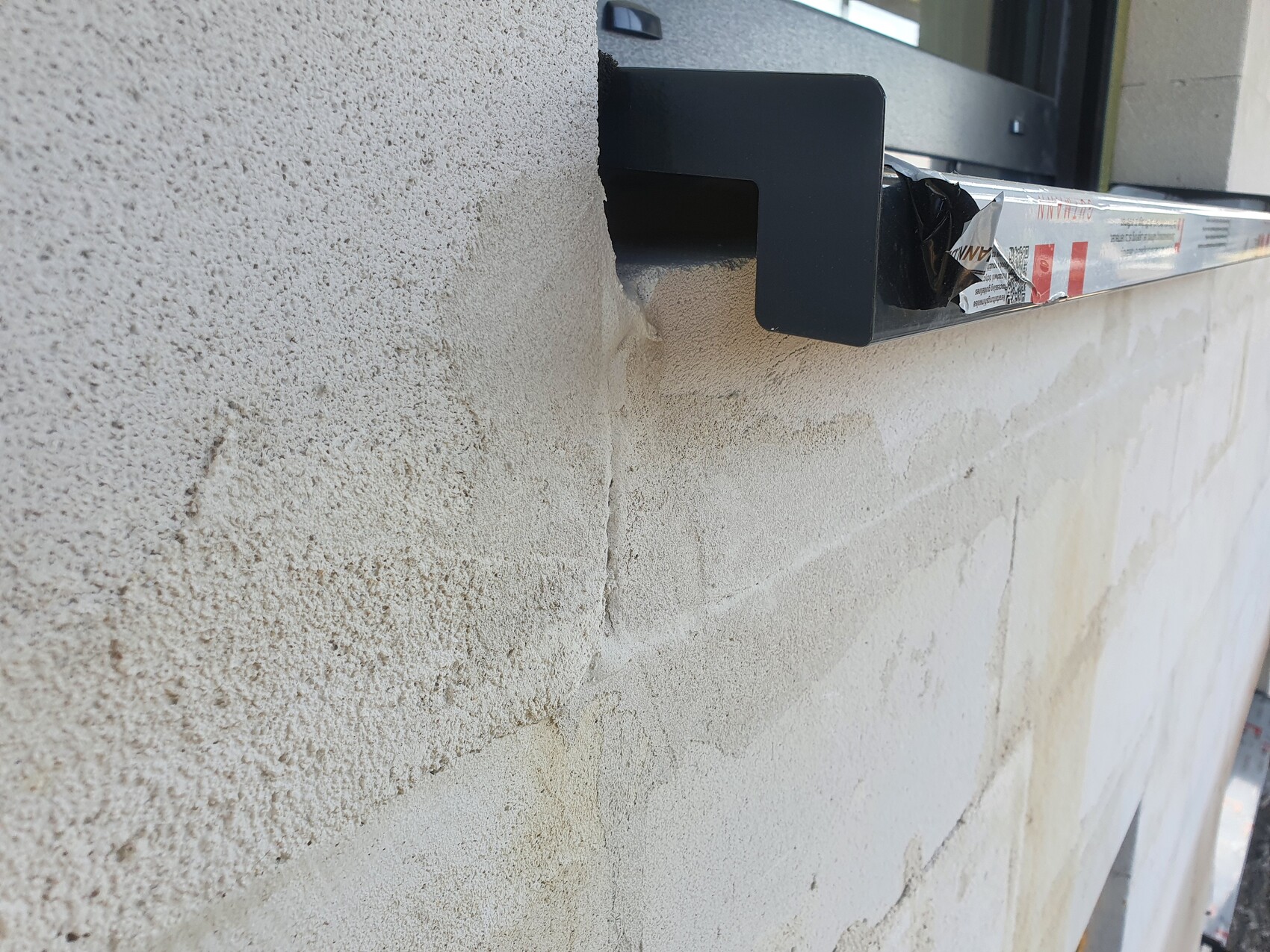
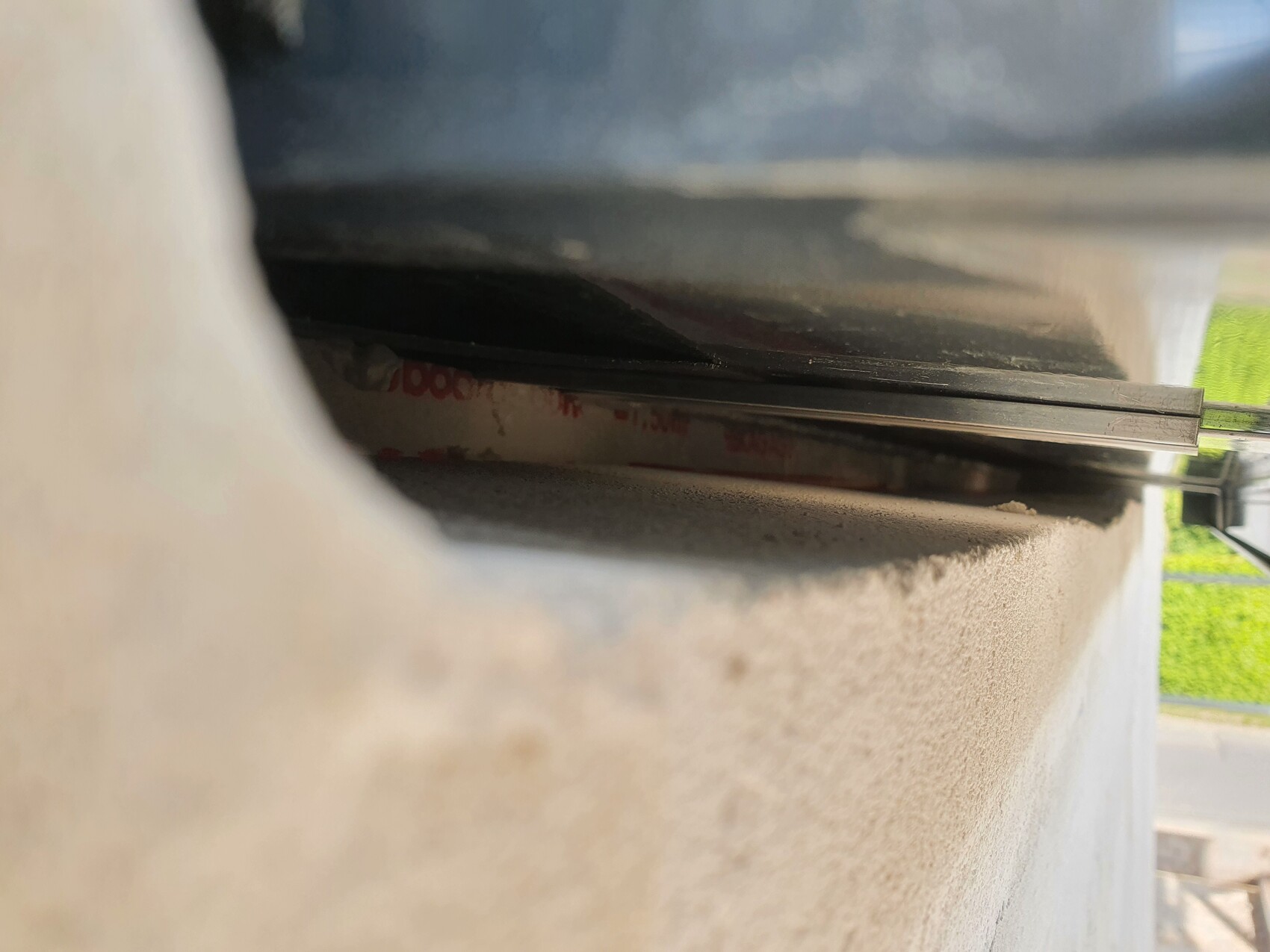
2. Should there have been a secondary waterproofing layer installed under the window sill, before the rigid foam insulation and masonry?
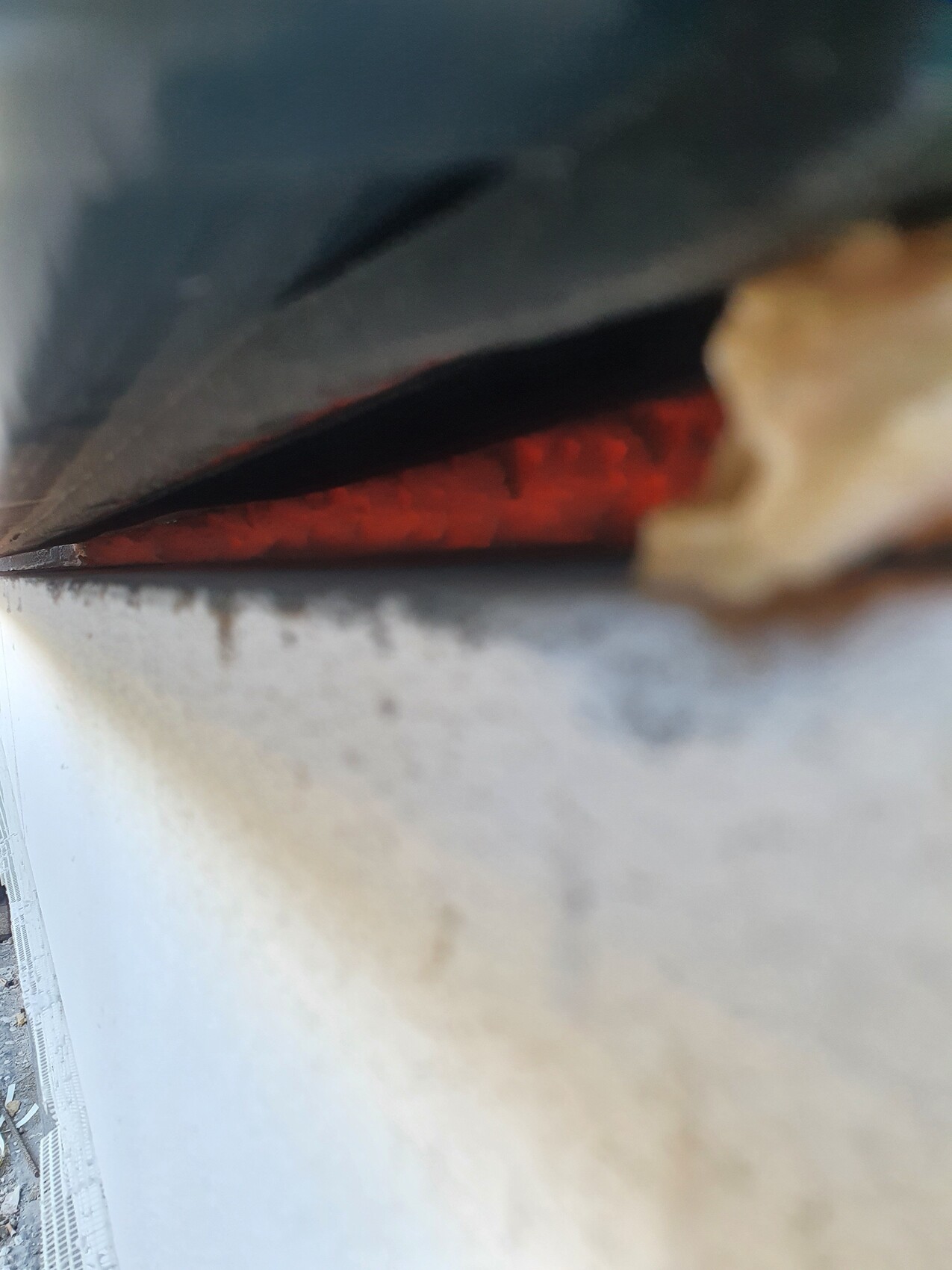
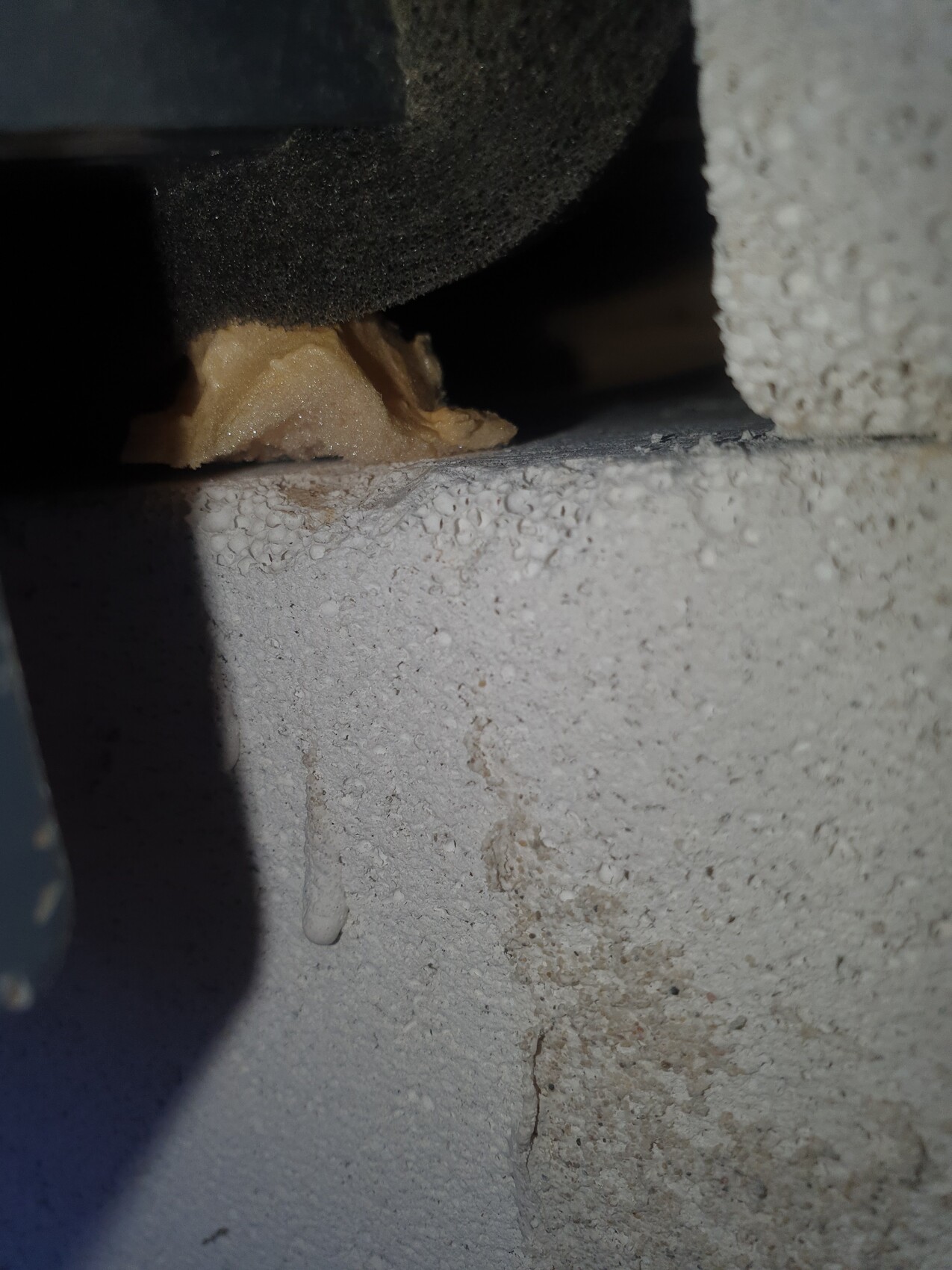
3. In the last picture (6), you can see the installation of all window sills. Below them is a sealing tape and, according to the site manager, "it is plastered over and everything is sealed" – is this sufficient?
Picture 7 before the sealing tape and 9 after sealing tape at the corners:
More pictures will follow in the next post:
I would like to get some opinions on the waterproofing of our house. Our site manager assures us that it is a "reasonable and watertight execution," arguing that "there is no other way to do it" and "this is how we've always done it, and we've never had any problems."
First, as a quote from the construction specification: "The joints remaining on the interior side between exterior components and the building structure (window frames) are to be completely filled with mineral fiber insulation according to DIN 18355. Alternatively, the installation may be carried out using assembly foam in accordance with the state of the art."
1. Our question is whether the waterproofing and installation of the windows were carried out professionally and according to standard practice (raindriven rain protection?).
Here are pictures of the same window at different stages of construction:
2. Should there have been a secondary waterproofing layer installed under the window sill, before the rigid foam insulation and masonry?
3. In the last picture (6), you can see the installation of all window sills. Below them is a sealing tape and, according to the site manager, "it is plastered over and everything is sealed" – is this sufficient?
Picture 7 before the sealing tape and 9 after sealing tape at the corners:
More pictures will follow in the next post:

Mr.m00h schrieb:
For me, it is obvious that a house should be built based on a (construction) plan – it’s rather sad if such a plan doesn’t exist, because the house then can hardly be considered properly done.I wouldn’t bet that more than 5% of single-family homes today are built with detailed construction plans. Thanks to low mortgage rates, achieving the dream of owning a home is affordable even for those who see architect’s fees as a barrier to sufficient financing and fall for the siren calls of general contractors (GCs), settling for just the included planning required for permits. A typical GC operates a construction business, considers it a waste to pay masons for reading plans, and on site only has foundation and floor slab plans. Plumbers are subcontractors; after all, they should just improvise on existing structures with their own tools and manage on their own. On the shell construction phase, plans tend to be dismissed as something unnecessary or for the faint of heart. Without a client-representative site supervisor — who absolutely should not be employed by the GC and should have a no-nonsense, “trainer-like” attitude — construction documents just don’t get used. The typical GC version of “America First” means “efficient” (= piecework) work done by in-house trades, pushing the responsibility for improvisation onto subcontractors. If detailed construction plans are not explicitly listed in the scope of work or included as an option in the offer, you can assume that with a permit-only planner they basically don’t exist. “With plans” costs extra compared to “without any frills.” Anything that sounds nicer than that is just romance.https://www.instagram.com/11antgmxde/
https://www.linkedin.com/company/bauen-jetzt/
P
pffreestyler14 May 2020 15:57Shall I let you in on a secret?
Even in houses like these, life can be wonderful.
Even in houses like these, life can be wonderful.