
ᐅ Repairing a Damaged Glass Door – Should You Report the Defect?
Created on: 28 Jul 2015 01:06
D
D3N7S
Hello everyone!
We ordered a custom-sized glass sliding door (73cm by 210cm (29 inches by 83 inches)). The local dealer ordered it for us, and we picked it up on Friday and transported it carefully to our apartment, which is about 1.5 km (1 mile) away from the dealer. I was really looking forward to this door since it was supposed to be a little highlight in our renovated apartment... After transport, we carefully set it down. Naturally, I wanted to admire it (it was packed in a box). After unpacking, I noticed that the glass had three damages, and unfortunately, on the side that will be visible in the future! Very frustrating! Less than half an hour later, I was back at the dealer with photos as proof, but they postponed me to Monday because the management was not available. It’s Monday now, and I called; they transferred me to the manager who was understanding but tried to settle for a €50 (about $54) discount on a €600 (about $650) purchase price and suggested I claim the damages with my glass insurance in a few months... To me, that sounds like clear incitement to insurance fraud! I have now asked the manager to come to my place personally within the next few days to inspect the damage on site, although I suspect that won’t lead to much. By the way, I haven’t paid any money so far.
What would you do?
What cancellation or withdrawal rights do I have? (custom size)
Should I consult a lawyer regarding the incitement to insurance fraud?
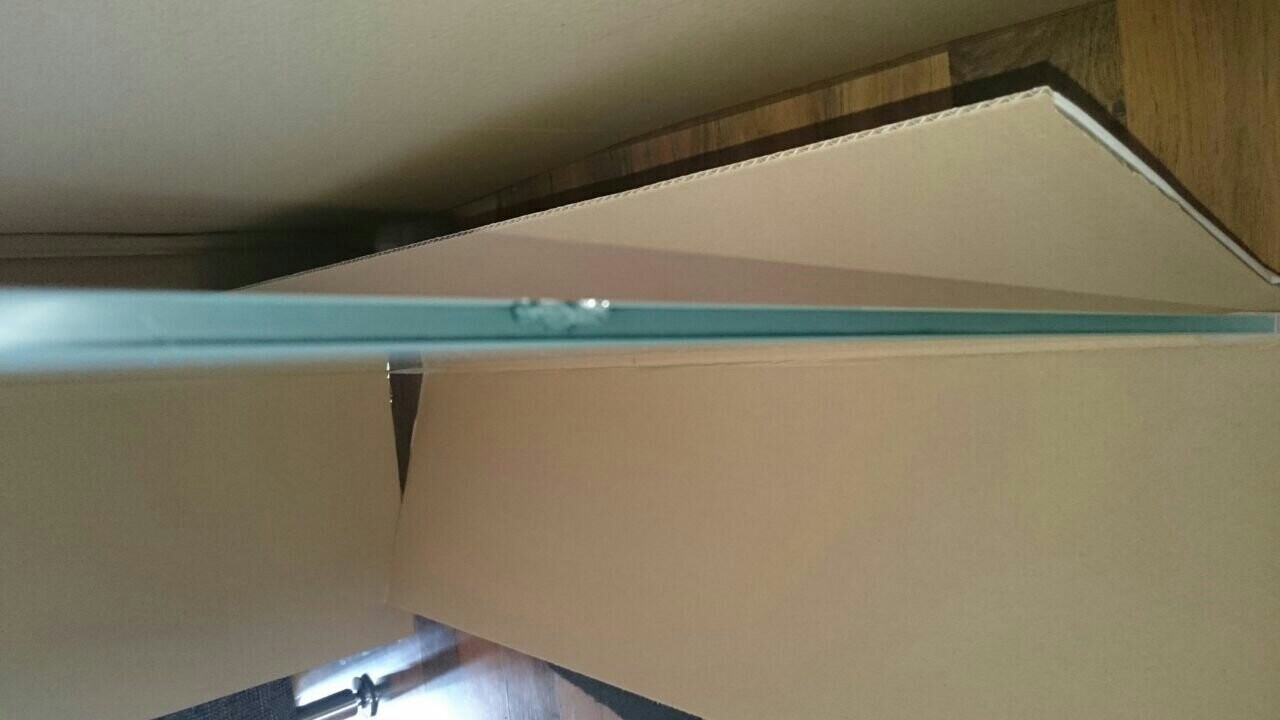
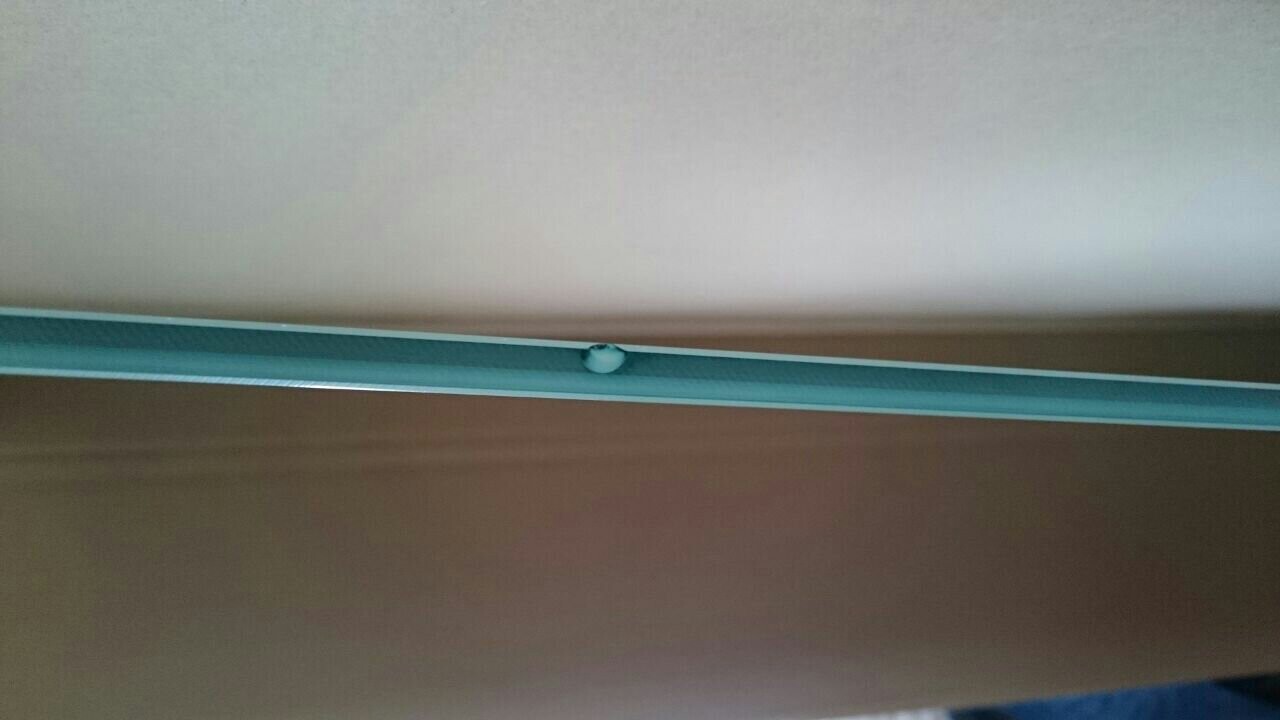
We ordered a custom-sized glass sliding door (73cm by 210cm (29 inches by 83 inches)). The local dealer ordered it for us, and we picked it up on Friday and transported it carefully to our apartment, which is about 1.5 km (1 mile) away from the dealer. I was really looking forward to this door since it was supposed to be a little highlight in our renovated apartment... After transport, we carefully set it down. Naturally, I wanted to admire it (it was packed in a box). After unpacking, I noticed that the glass had three damages, and unfortunately, on the side that will be visible in the future! Very frustrating! Less than half an hour later, I was back at the dealer with photos as proof, but they postponed me to Monday because the management was not available. It’s Monday now, and I called; they transferred me to the manager who was understanding but tried to settle for a €50 (about $54) discount on a €600 (about $650) purchase price and suggested I claim the damages with my glass insurance in a few months... To me, that sounds like clear incitement to insurance fraud! I have now asked the manager to come to my place personally within the next few days to inspect the damage on site, although I suspect that won’t lead to much. By the way, I haven’t paid any money so far.
What would you do?
What cancellation or withdrawal rights do I have? (custom size)
Should I consult a lawyer regarding the incitement to insurance fraud?
Purchased and defective. Repair is likely not an option here, so replacement is required. Especially with a glass door, one generally expects it to be intact, at least along the visible edges. It also cannot be ruled out that someone (for example, children) could get injured at this point.
Replace the door and only pay once you have received a defect-free product.
Replace the door and only pay once you have received a defect-free product.
B
Bauabenteurer28 Jul 2015 07:13And what he may have advised you or not only matters if you can prove YOUR claims! If you cannot, drop it, otherwise you yourself could be liable for defamation...

Voki is the legal expert here and knows more about the case law than I do.
I always see this issue from two perspectives: the customer’s and the supplier’s side.
You have described it from the customer’s point of view. But who guarantees the supplier that you did not improperly set the door down when unpacking? It seems you did not arrange for delivery, so any transport damage could be attributed to you.
It is always problematic if the received goods are not inspected immediately. As a business owner, to my knowledge, you are even obligated to inspect the goods upon receipt. The building code is somewhat more customer-friendly in this regard.
I always see this issue from two perspectives: the customer’s and the supplier’s side.
You have described it from the customer’s point of view. But who guarantees the supplier that you did not improperly set the door down when unpacking? It seems you did not arrange for delivery, so any transport damage could be attributed to you.
It is always problematic if the received goods are not inspected immediately. As a business owner, to my knowledge, you are even obligated to inspect the goods upon receipt. The building code is somewhat more customer-friendly in this regard.
It’s actually quite simple. The goods must be handed over free of defects. The transfer of risk occurs when the item is handed over (that is, when the box is grabbed and taken away). Normally, the buyer (recipient) would have to prove that the defect already existed at the time of risk transfer. However, this does not apply to consumer goods purchases, since the reversal of the burden of proof (§ 476 of the Building Code) states that within 6 months of risk transfer, the seller must prove that the goods were free of defects at the time of handover. The seller usually cannot do this, as they didn’t inspect the goods upon receipt themselves (who opens every box?) and also did not check them when handing them over to you.
Don’t make it more complicated than it is.
I would simply disregard the recommended insurance fraud. Such a thing should not even be considered in the slightest.
Good luck.
Don’t make it more complicated than it is.
I would simply disregard the recommended insurance fraud. Such a thing should not even be considered in the slightest.
Good luck.
B
Bauexperte28 Jul 2015 08:29@ Musketier
I am not sure whether the original poster should have inspected the goods upon collection; Volker can answer that better. Although I also wonder how the party responsible for the damage can be determined.
For commercial customers, however, the risk typically passes when the goods leave the seller’s premises.
Regards, Bauexperte
I am not sure whether the original poster should have inspected the goods upon collection; Volker can answer that better. Although I also wonder how the party responsible for the damage can be determined.
For commercial customers, however, the risk typically passes when the goods leave the seller’s premises.
Regards, Bauexperte
Similar topics