
ᐅ Is underfloor heating necessary in the shower? What are your thoughts?
Created on: 22 Mar 2018 23:20
E
Eldea
There’s some real progress here. Underfloor heating and radiators have now been installed in the basement.
Now we just have to wait for the screed [emoji6]. Let’s see if it will happen next week [emoji848].
However, I don’t understand why the shower area in the guest bathroom has insulation installed slightly deeper and there is no underfloor heating. That area will be tiled. I can understand it for the upper floor with the shower tray. I’ll have to talk to our site manager about this tomorrow.
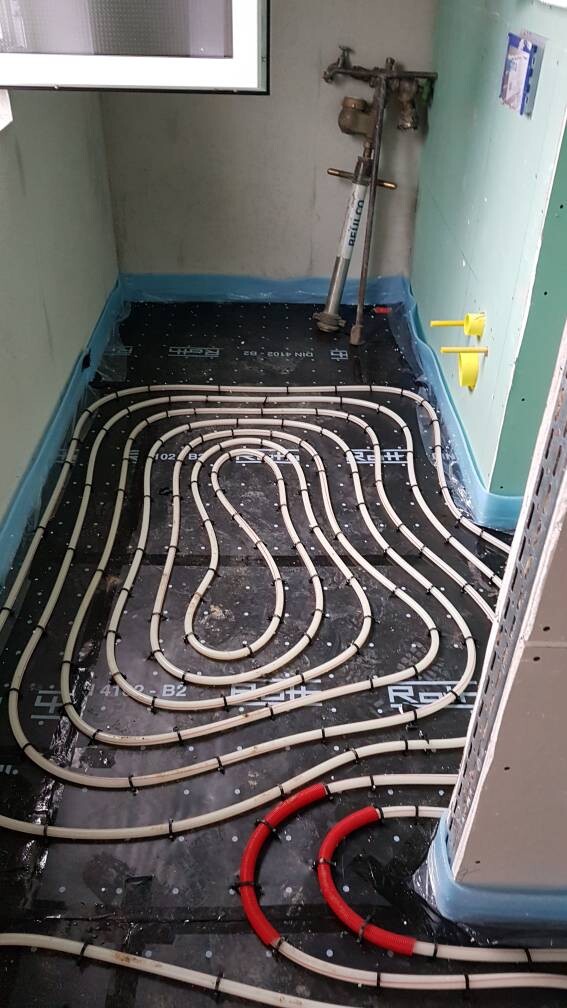
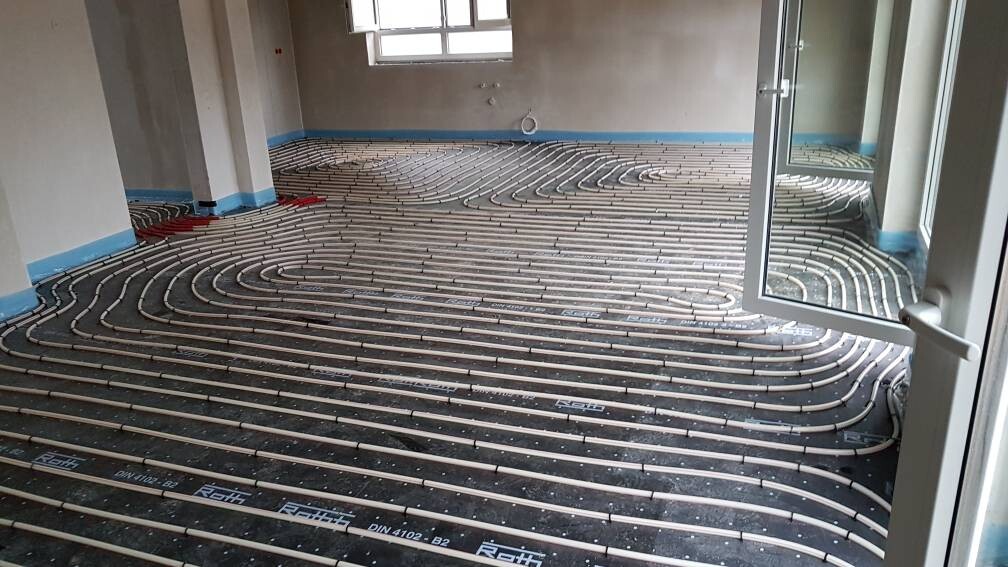
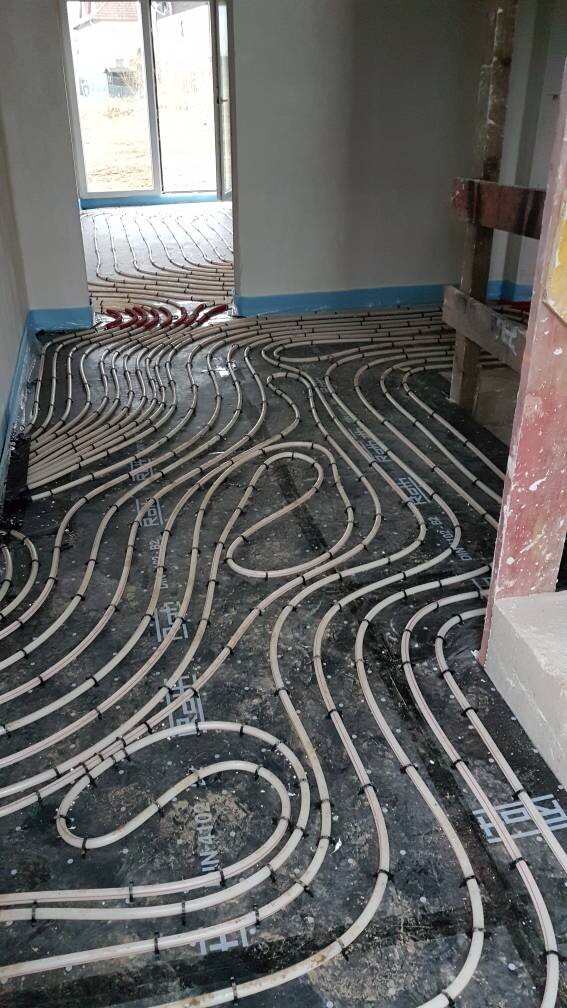
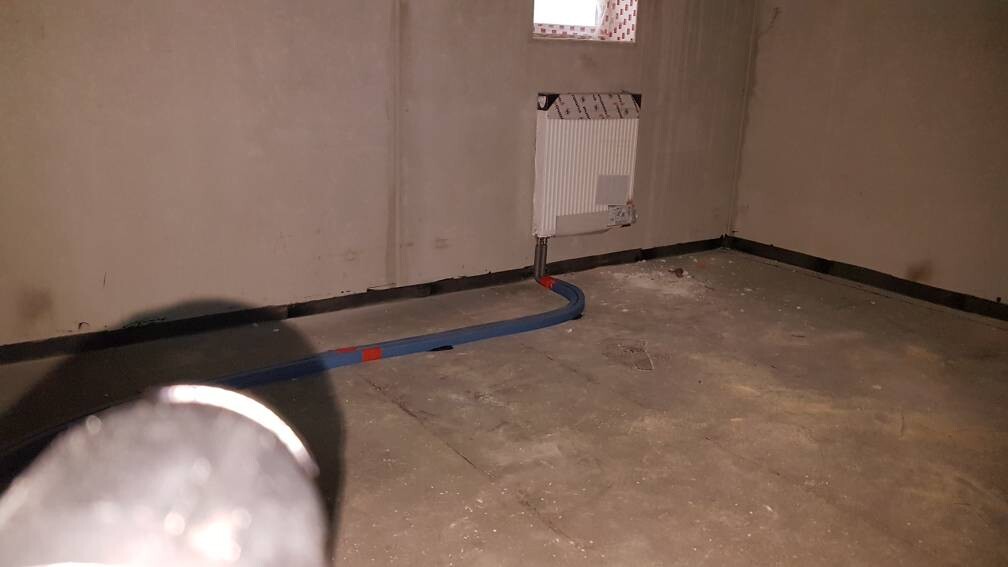
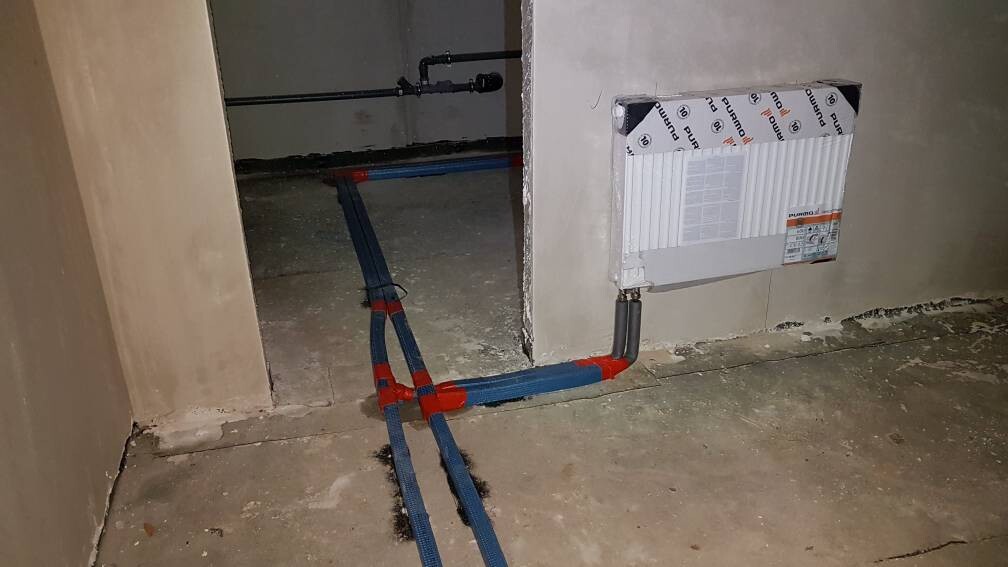
Now we just have to wait for the screed [emoji6]. Let’s see if it will happen next week [emoji848].
However, I don’t understand why the shower area in the guest bathroom has insulation installed slightly deeper and there is no underfloor heating. That area will be tiled. I can understand it for the upper floor with the shower tray. I’ll have to talk to our site manager about this tomorrow.
Hello!
Installing underfloor heating beneath the shower obviously involves more effort for planners, plumbers, and screed installers. Therefore, arguments are often made about lime cement, etc. – in my opinion, complete nonsense! See also the experiences shared in this thread.
What you do need to keep in mind is that the direct heat at the shower drain CAN cause the trap to dry out, which might lead to unpleasant odors!
PS: In our case, we naturally have underfloor heating in both the bathroom and WC showers; however, it is installed at a distance from the drain and everything is well insulated and wrapped.
Best regards
Installing underfloor heating beneath the shower obviously involves more effort for planners, plumbers, and screed installers. Therefore, arguments are often made about lime cement, etc. – in my opinion, complete nonsense! See also the experiences shared in this thread.
What you do need to keep in mind is that the direct heat at the shower drain CAN cause the trap to dry out, which might lead to unpleasant odors!
PS: In our case, we naturally have underfloor heating in both the bathroom and WC showers; however, it is installed at a distance from the drain and everything is well insulated and wrapped.
Best regards
A
andreasonair6 Apr 2018 09:17The heating and plumbing company also argued that it would speed up the drying of the trap. We accepted this and did not install underfloor heating loops in the shower. Having moved in a few months ago, we do not see this as a disadvantage, as the floor feels immediately warm after contact with water.
We also don’t have underfloor heating in the shower, and at first, I was worried about the floor being too cold, but it was completely unfounded. First, the floor is only slightly cooler than the rest of the bathroom floor, and second, it warms up immediately when you turn on the water and stays warm even afterward while drying off. I’m also not sure if the slope toward the shower drain would have worked for us.
Best regards
Sabine
Best regards
Sabine
S
Sondelgeher126 Apr 2018 13:25matte1987 schrieb:
So with my shower, I first have to step into the shower to turn on the water at all...That’s exactly why I redesigned our shower… at least the faucet needs to be positioned so I can turn on the water first and then step under it once it’s nice and warm… unfortunately, this is often overlooked.
B
bierkuh836 Apr 2018 22:55does02 schrieb:
What you need to keep in mind, however, is that the siphon can dry out due to the direct heat from the shower drain, which may cause unpleasant odors! Absolutely. Of course, siphons in walk-in or flush-level showers can dry out more quickly. They are also much shallower. From my own experience, I can only report issues after a 5-week absence when not showering regularly... Well, I would always recommend including underfloor heating in the bathroom and extending it into the shower area because of the room’s temperature control...
The siphon hardly dries any slower even without underfloor heating. We also have underfloor heating in the showers and don’t have any problems with the drains. After all, the underfloor heating only raises the temperature by a maximum of 10°C (18°F) above room temperature.
Similar topics