
ᐅ Is underfloor heating necessary in the shower? What are your thoughts?
Created on: 22 Mar 2018 23:20
E
Eldea
There’s some real progress here. Underfloor heating and radiators have now been installed in the basement.
Now we just have to wait for the screed [emoji6]. Let’s see if it will happen next week [emoji848].
However, I don’t understand why the shower area in the guest bathroom has insulation installed slightly deeper and there is no underfloor heating. That area will be tiled. I can understand it for the upper floor with the shower tray. I’ll have to talk to our site manager about this tomorrow.
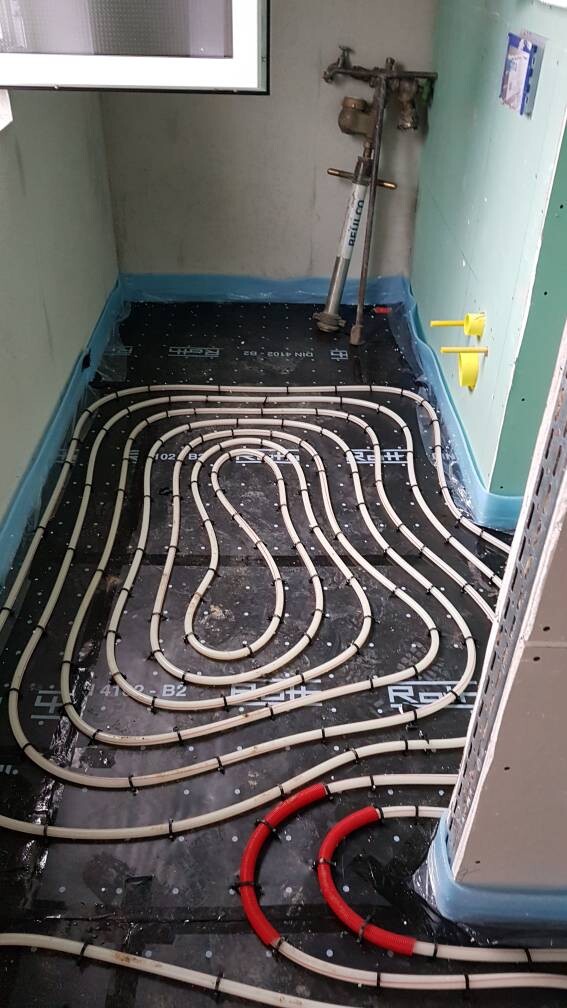
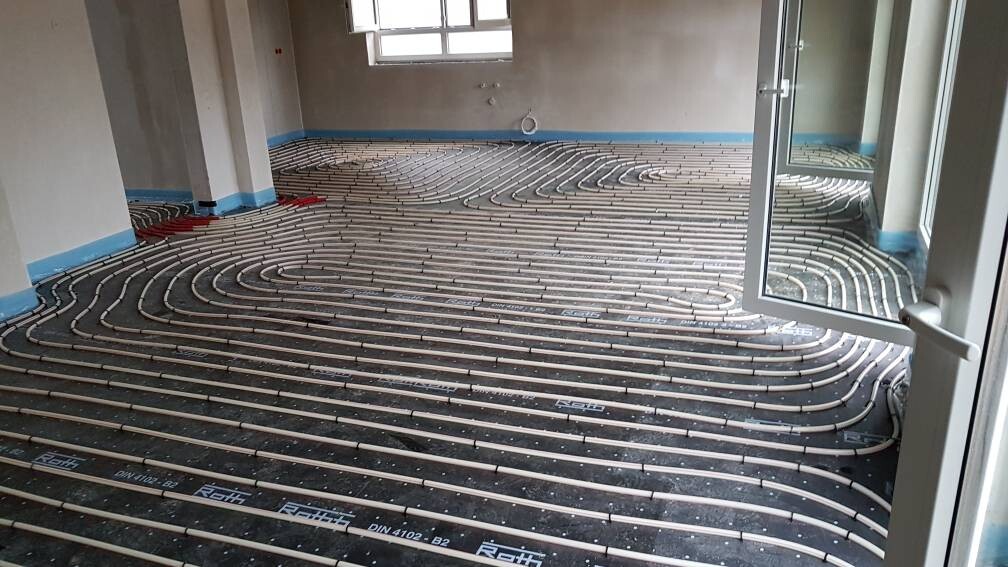
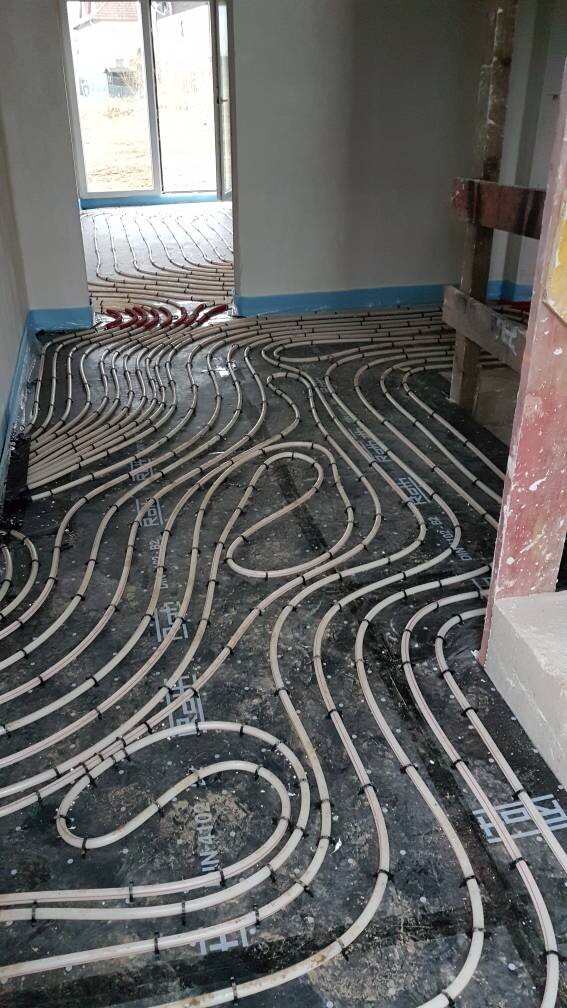
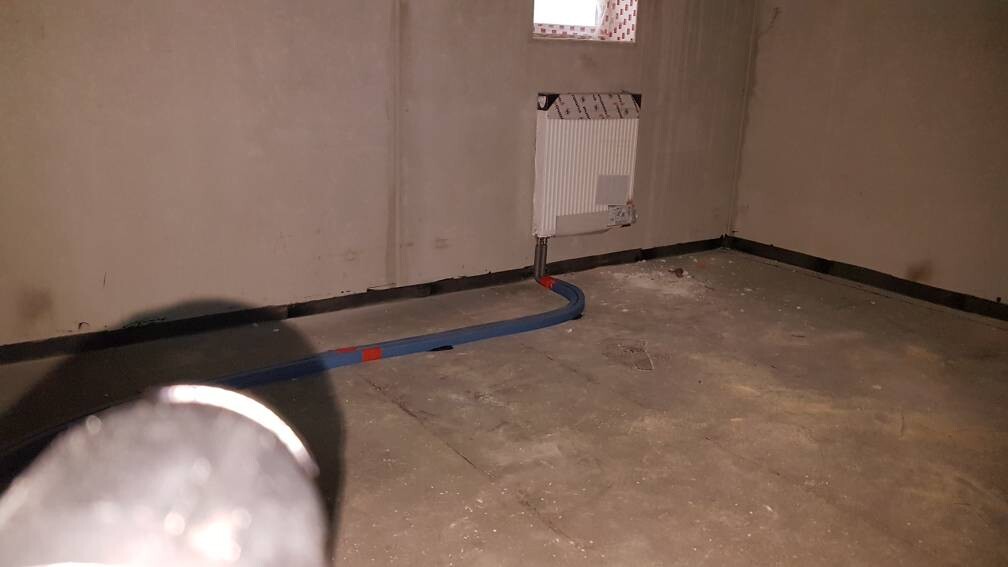
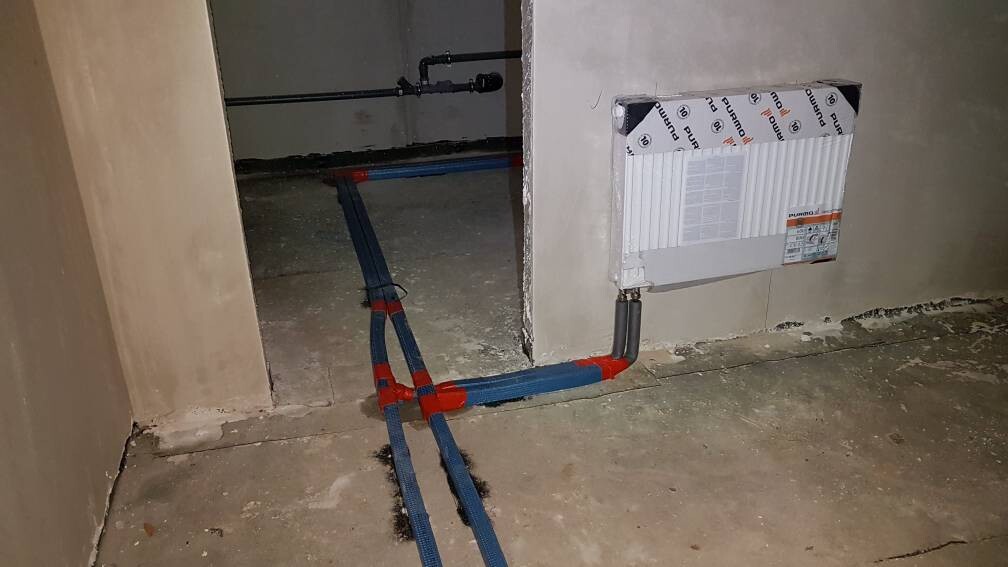
Now we just have to wait for the screed [emoji6]. Let’s see if it will happen next week [emoji848].
However, I don’t understand why the shower area in the guest bathroom has insulation installed slightly deeper and there is no underfloor heating. That area will be tiled. I can understand it for the upper floor with the shower tray. I’ll have to talk to our site manager about this tomorrow.

Then the water should evaporate within seconds if there is underfloor heating. However, since the tiles absorb the temperature of the warm water after a very short time in the shower even without underfloor heating, there is no difference at all between the two situations once the water is turned off. This argument is not physically valid in any way!
B
bierkuh8324 Mar 2018 00:09Arifas schrieb:
Maybe because more water evaporates on the warm tile compared to the cold tile, Well, as long as it's not seawater drying, that’s more like homeopathy. The next claim will be that the trap dries out faster due to the heat.
Even if a bit more limescale builds up there, it will have to be cleaned eventually anyway.
We could have had it installed on a small scale at no extra cost. Apparently, that wasn’t planned (also regarding the energy bill). However, the plumber advised against it because the drain is in the middle. He said he could install something, but not much.
We have now decided against it. Since I’m not a big fan of tiled showers anyway, I will use the other option, which is not heated from below [emoji16]. And there isn’t much cold coming from below anyway, as there is a heated basement here.
Since the room is quite small and has limited underfloor heating, we will add an electric heater. We can then also use it for towels. We could have installed a regular radiator, but we wouldn’t really use it much.
We have now decided against it. Since I’m not a big fan of tiled showers anyway, I will use the other option, which is not heated from below [emoji16]. And there isn’t much cold coming from below anyway, as there is a heated basement here.
Since the room is quite small and has limited underfloor heating, we will add an electric heater. We can then also use it for towels. We could have installed a regular radiator, but we wouldn’t really use it much.

bon1980 schrieb:
Then it should evaporate in seconds if there is underfloor heating. However, since the tiles reach the temperature of the warm water after a very short shower time even without underfloor heating, there is no difference at all between the two options once the water is turned off. This argument is not physically valid in any way!I agree. But for me, that would be the only somewhat reasonable explanation for why this topic is discussed so extensively here.
Modern people seem to believe that towels won’t dry without underfloor heating.
For me, it’s more about having any heat source somewhere in the house where you can dry things. Wet (children’s) gloves, hats, jackets, and so on.
Regarding limescale... that’s complete nonsense. Unless you have black, glossy tiles, you usually can’t see limescale on them. It’s more common for the grout to discolor. Faucets and glass surfaces tend to show spots much more clearly and encourage cleaning long before you notice anything on the grout or tiles. You’re more likely to clean the tiles because shampoo, conditioner, etc. make them slippery—not because of limescale.
For me, it’s more about having any heat source somewhere in the house where you can dry things. Wet (children’s) gloves, hats, jackets, and so on.
Regarding limescale... that’s complete nonsense. Unless you have black, glossy tiles, you usually can’t see limescale on them. It’s more common for the grout to discolor. Faucets and glass surfaces tend to show spots much more clearly and encourage cleaning long before you notice anything on the grout or tiles. You’re more likely to clean the tiles because shampoo, conditioner, etc. make them slippery—not because of limescale.
Similar topics