
ᐅ Is underfloor heating necessary in the shower? What are your thoughts?
Created on: 22 Mar 2018 23:20
E
Eldea
There’s some real progress here. Underfloor heating and radiators have now been installed in the basement.
Now we just have to wait for the screed [emoji6]. Let’s see if it will happen next week [emoji848].
However, I don’t understand why the shower area in the guest bathroom has insulation installed slightly deeper and there is no underfloor heating. That area will be tiled. I can understand it for the upper floor with the shower tray. I’ll have to talk to our site manager about this tomorrow.
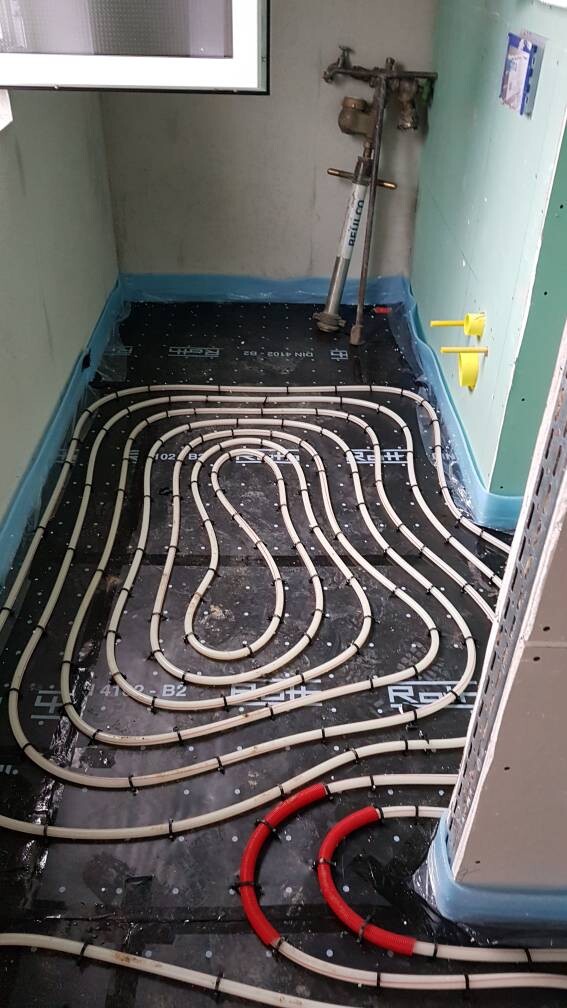
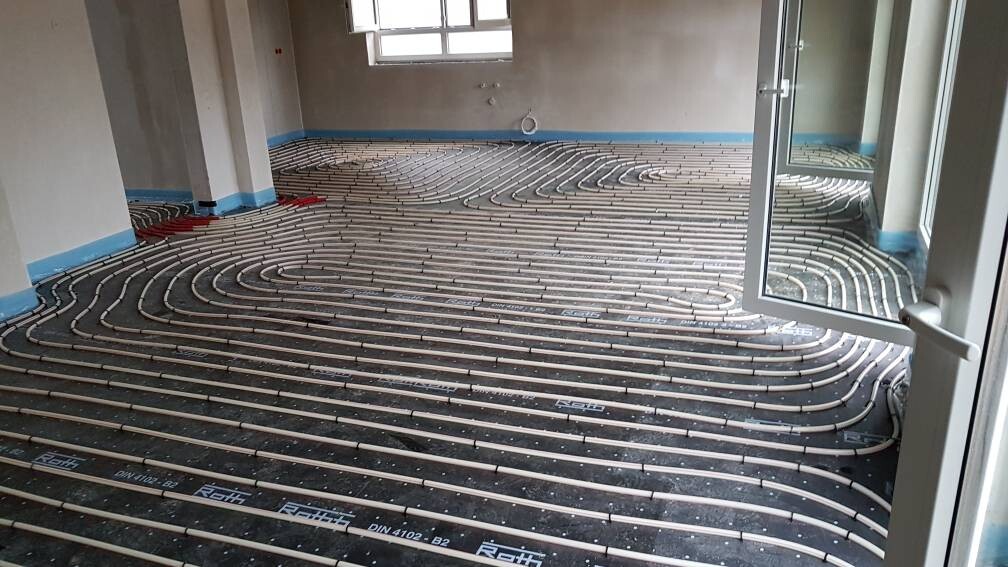
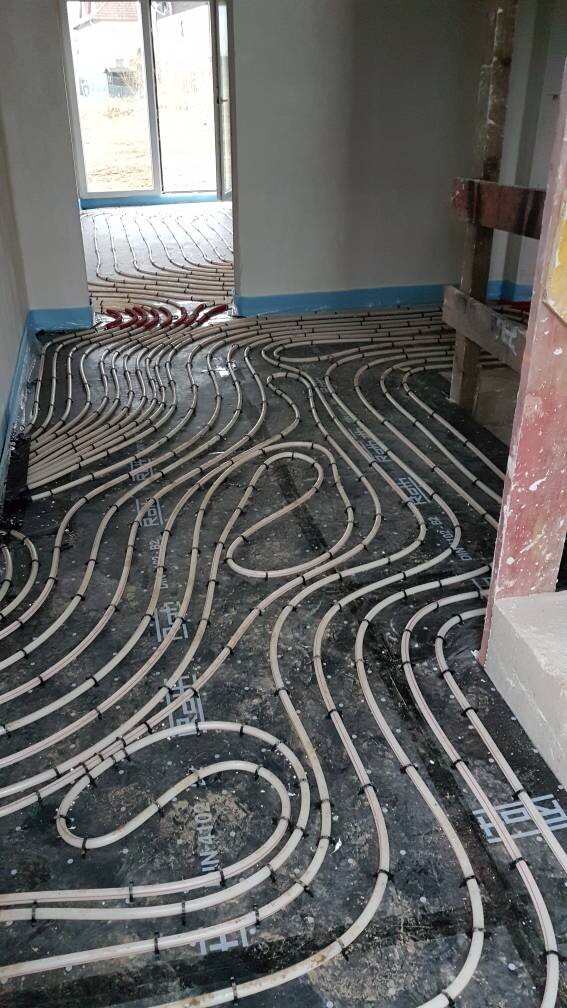
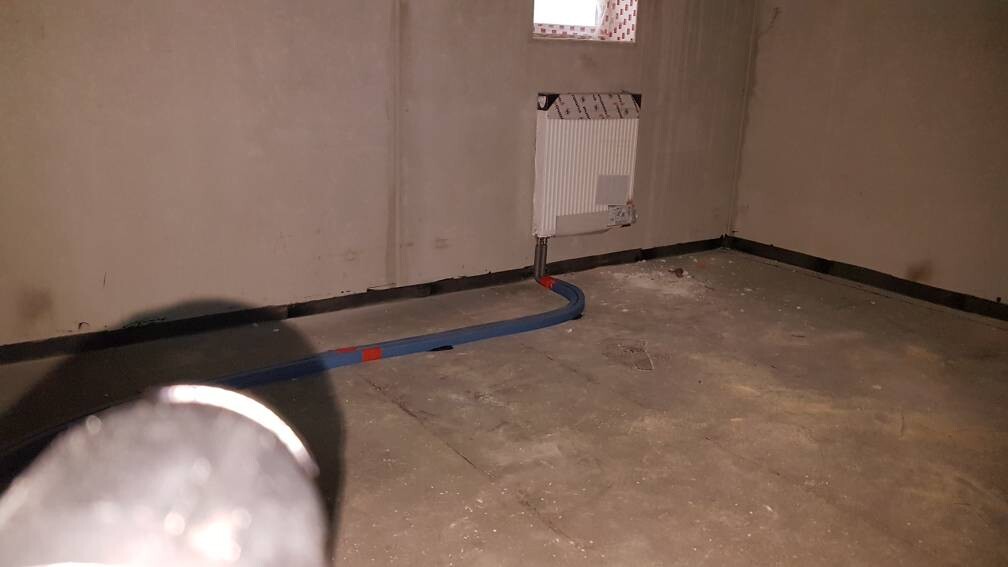
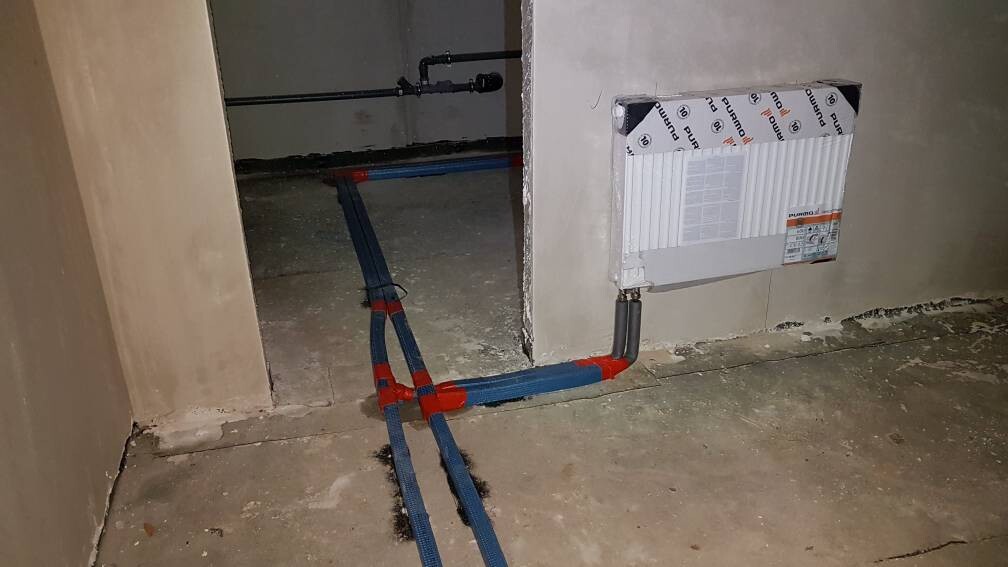
Now we just have to wait for the screed [emoji6]. Let’s see if it will happen next week [emoji848].
However, I don’t understand why the shower area in the guest bathroom has insulation installed slightly deeper and there is no underfloor heating. That area will be tiled. I can understand it for the upper floor with the shower tray. I’ll have to talk to our site manager about this tomorrow.
tomtom79 schrieb:
Why on earth radiators? They are totally unnecessary and a waste of space. ...especially when the towel radiator is connected to the underfloor heating and not additionally heated electrically. With such low flow temperatures, I always wonder how anything is supposed to dry "quickly."
Don’t get me wrong, I understand the desire to dry wet clothes from children quickly, but I don’t see a towel radiator as the right solution for that.
It seems to me that towel radiators are installed in so many bathrooms mainly because the underfloor heating surface area isn’t enough to adequately heat the room. It’s simply cheaper than a wall heating system when the standard model specified in the construction description is chosen.
In my opinion, they are rarely suitable for drying—maybe just for gently warming towels, but that’s about it. Or am I mistaken here?
ruppsn schrieb:
...especially when the towel radiator is connected to the underfloor heating system and not additionally heated electrically. With the low supply temperatures, I always wonder how anything can dry “quickly” under these conditions.
Don’t get me wrong, I understand the desire to dry wet clothes from children quickly, but I don’t see a towel radiator as the right solution for that.
It seems to me that towel radiators are installed in so many bathrooms mainly because the underfloor heating surface area is not enough to properly heat the room. It’s simply cheaper than a wall heating system if you choose the standard model listed in the building specifications.
In my opinion, they are rarely suitable for drying, maybe just for lightly warming towels, but that’s about it. Or am I mistaken here? In this case, it was because the underfloor heating alone would not have been sufficient to maintain 24°C (75°F) during freezing temperatures. Therefore, we could choose either an electric radiator at no extra cost, or a standard radiator, which would not have been connected to the underfloor heating and would have involved an additional cost. For towels and occasionally damp items, I find it quite practical. An electric option makes more sense as it can also be used during warmer seasons. We also have an electric towel warmer in the main bathroom.
Similar topics