
ᐅ Shower base or floor is sinking – What could be the cause?
Created on: 10 Nov 2018 12:52
B
Bruderhertz
Hello,
we have a problem with our bathroom, specifically the shower. Some time ago, we noticed that the floor around the shower is sinking.
The bathroom flooring is PVC (or a similar material), and in front of the shower there was a noticeable dip.
Now the entire shower tray has sunk by at least 1cm (0.4 inches). This is clearly visible due to the gap that formed between the shower enclosure (which is firmly attached to the wall) and the shower tray.
Does anyone have an idea what could be causing this?
My current solution would be: remove the shower, retile the wall, level the floor with self-leveling compound or something similar, and install a new shower. Afterwards, replace the entire floor covering as well.
But what if there are more serious problems with the floor? I would of course like to know before removing the shower tray. Because then it would probably be a much more complicated issue that requires planning more time and money accordingly.
We are naturally worried that the floor underneath the shower might be rotting. We don’t know what is beneath the shower or the flooring.
This is in the attic of an older building.
Thank you very much for your assessment!
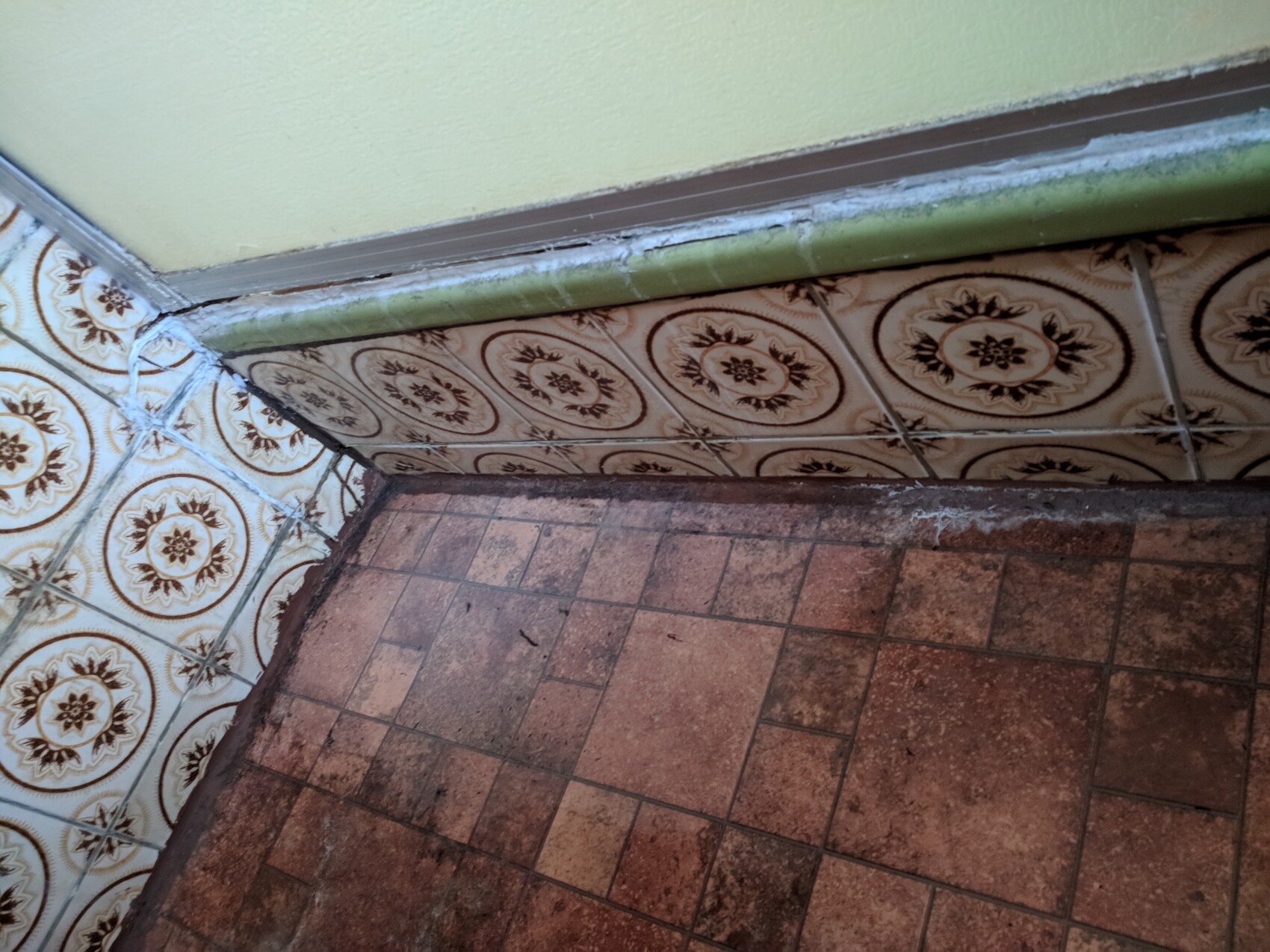
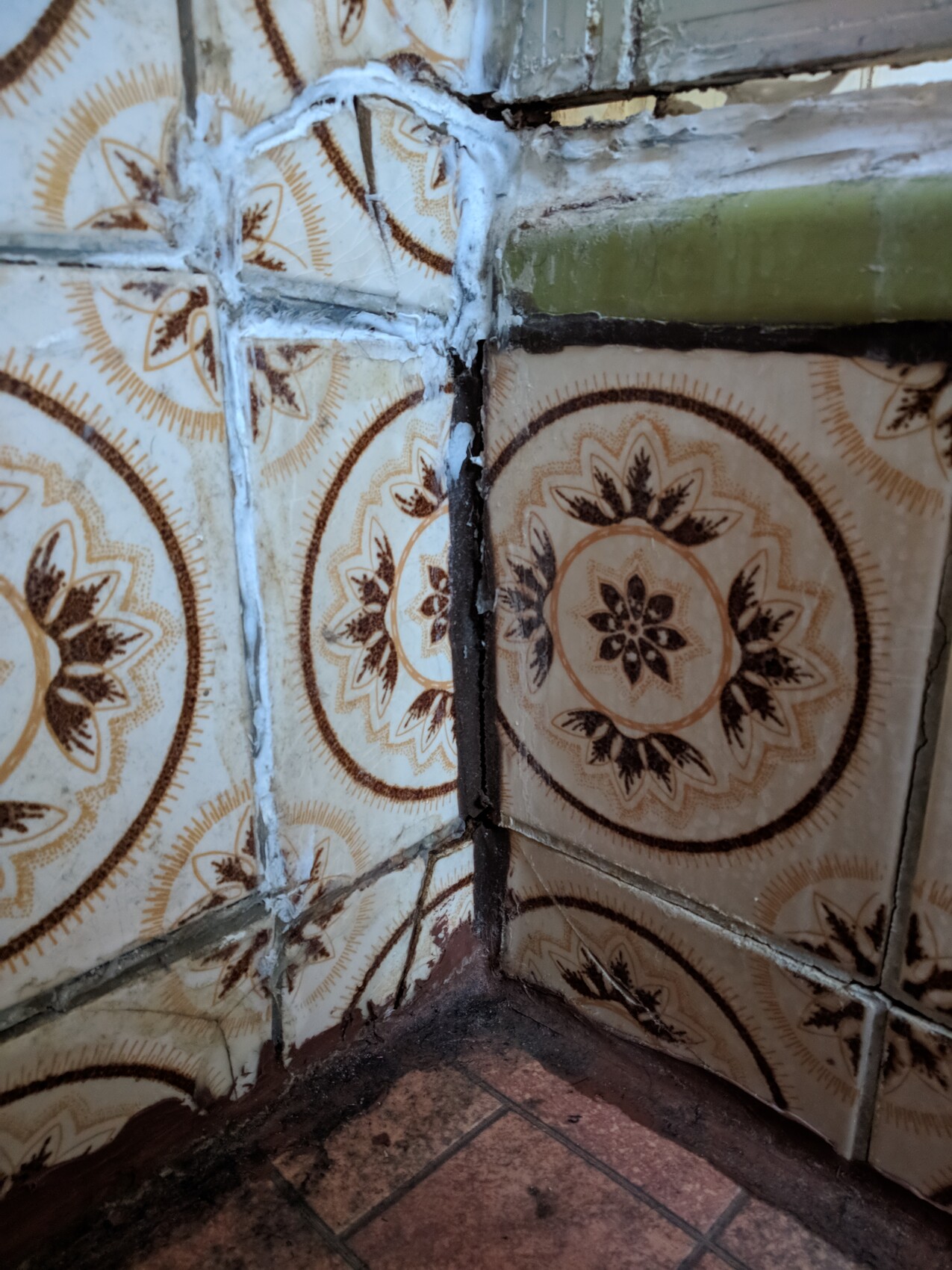
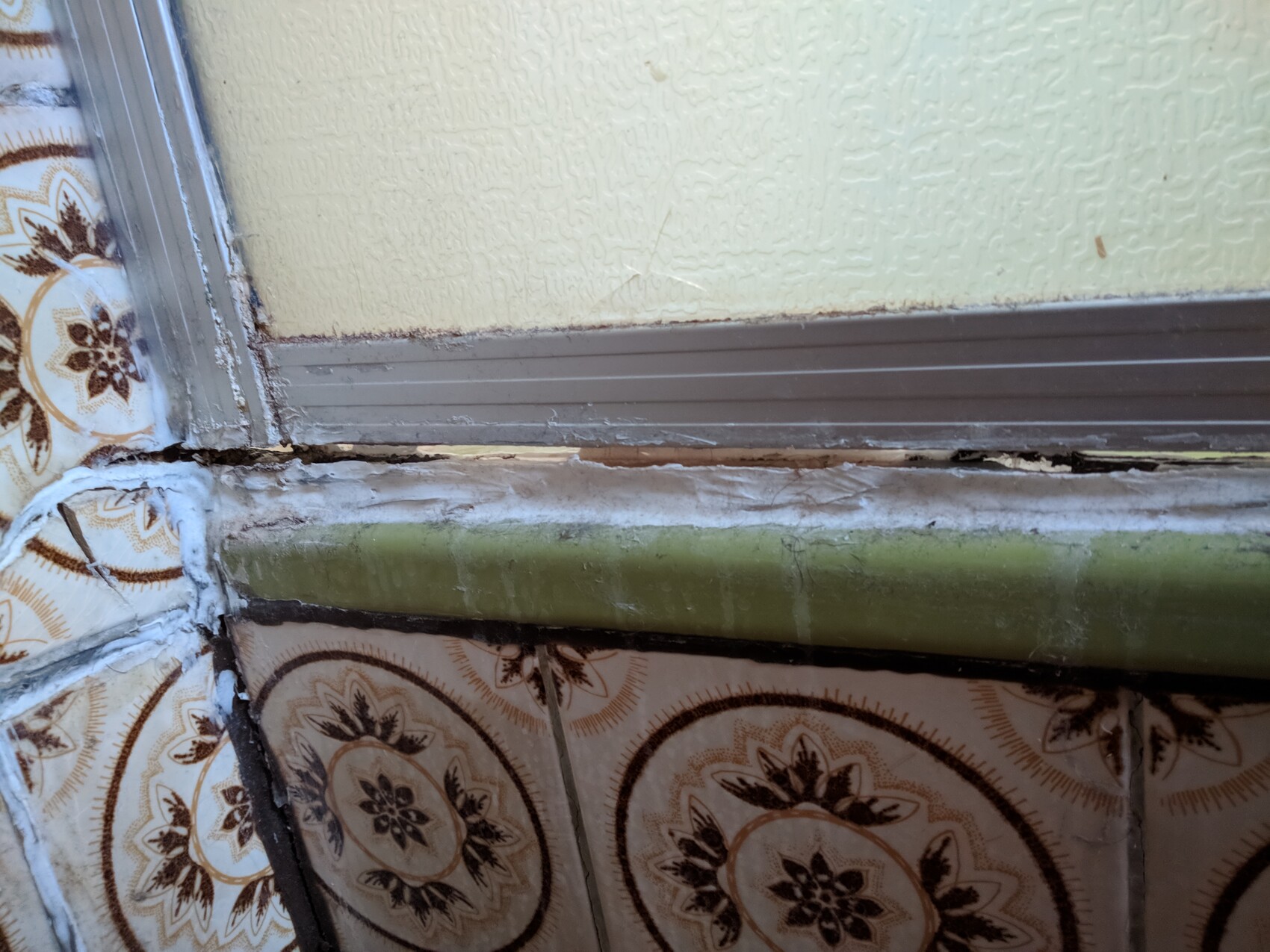
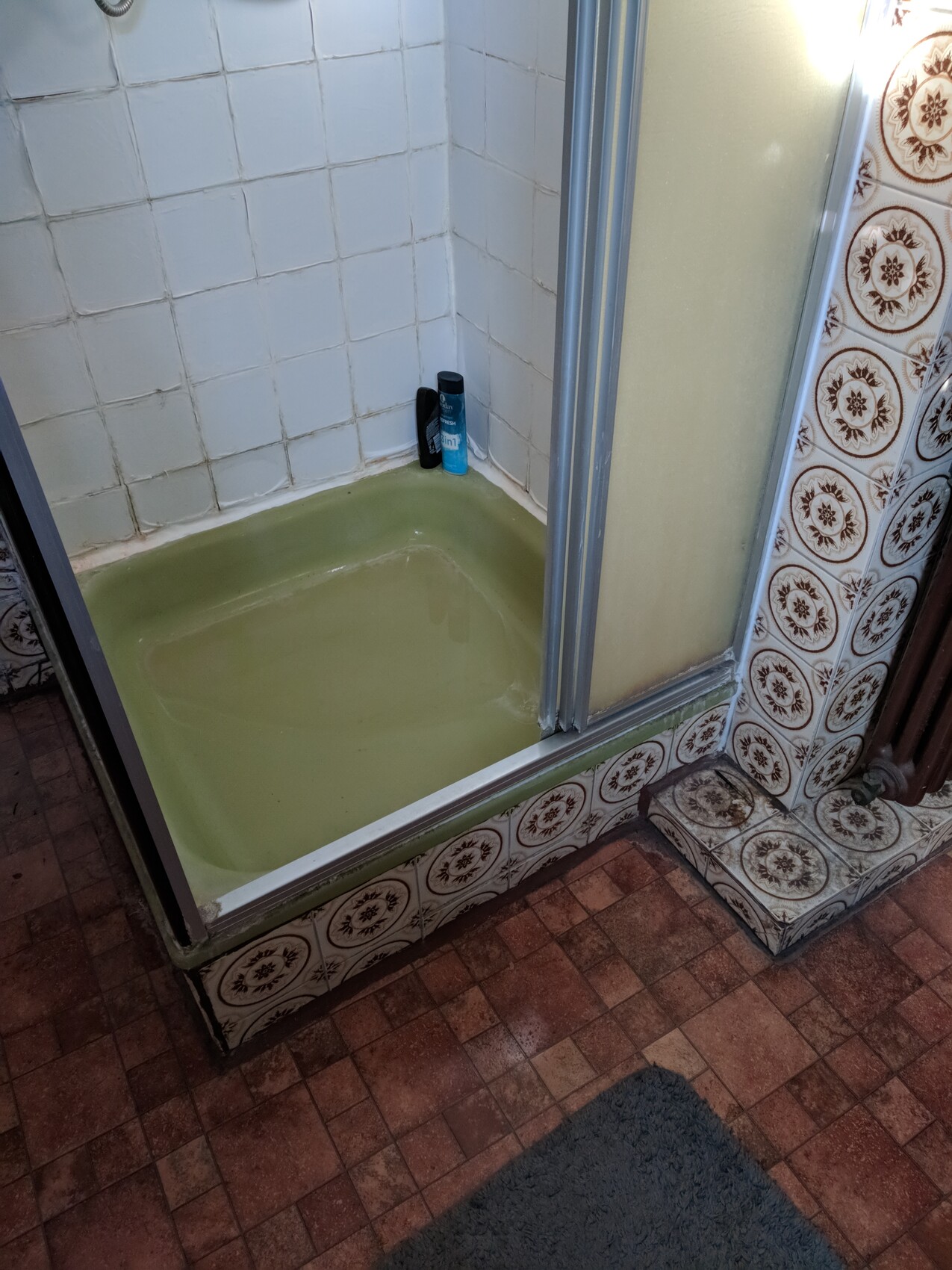
we have a problem with our bathroom, specifically the shower. Some time ago, we noticed that the floor around the shower is sinking.
The bathroom flooring is PVC (or a similar material), and in front of the shower there was a noticeable dip.
Now the entire shower tray has sunk by at least 1cm (0.4 inches). This is clearly visible due to the gap that formed between the shower enclosure (which is firmly attached to the wall) and the shower tray.
Does anyone have an idea what could be causing this?
My current solution would be: remove the shower, retile the wall, level the floor with self-leveling compound or something similar, and install a new shower. Afterwards, replace the entire floor covering as well.
But what if there are more serious problems with the floor? I would of course like to know before removing the shower tray. Because then it would probably be a much more complicated issue that requires planning more time and money accordingly.
We are naturally worried that the floor underneath the shower might be rotting. We don’t know what is beneath the shower or the flooring.
This is in the attic of an older building.
Thank you very much for your assessment!
B
Bruderhertz14 Nov 2018 23:47@hemali
Thank you for your opinion, but unfortunately, it is not helpful in this case.
@Dr Hix
Thank you, I will try to open the floor a bit more to see if your assumption is correct.
Thank you for your opinion, but unfortunately, it is not helpful in this case.
@Dr Hix
Thank you, I will try to open the floor a bit more to see if your assumption is correct.
C
Caspar202015 Nov 2018 08:16Bruderhertz schrieb:
@Dr Hix
Thanks, then I will try to open up the floor a bit more to see if your assumption is correctI would start directly at the shower enclosure, not elsewhere. Most likely, what you see under the tiles is screed, but the area under the shower is usually left out. The shower tray will have to be removed anyway.
Maybe only the supports of the shower tray have bent or sunk.
From the tile photos, it also looks like water has frequently found its way not only into the drain.
Regardless, the floor structure should be identifiable from the building documents or other areas of the house, shouldn’t it?

I haven’t showered in a place like this for years, sorry, but you’d probably come out dirtier than when you went in *shudder*.
Regarding the topic: from what can be seen in the pictures, a water damage is very likely. There is definitely mold involved... overall, I would completely renovate the bathroom. What’s visible is so filthy that you shouldn’t even start cleaning but rather get rid of everything as quickly as possible (I would only enter such a bathroom wearing full-body protective gear).
Then check if the water damage is more extensive (do you know the residents below? You could ask them if they have any stains on their ceiling); depending on that, you may need to hire professional help to repair the damage. In a condominium ownership (HOA), such damage is usually covered by insurance, so make sure to inquire about that!
Once the floor is dry and the structural integrity confirmed, you can either do the tiling and install a new shower yourself or hire professionals. I would never recommend tiling only around the shower here. It looks like a rather small bathroom; check with your local building supply store if they have any leftover tiles. That’s how I once got expensive Italian tiles for my kitchen for next to nothing. They often need to clear out remnants.
And then: clean regularly in the future! It looks like you have hard water, so you just have to deal with it by cleaning thoroughly. No way around it.
One question still remains: are you a tenant or the property owner? I assume you are the owner; otherwise, this would be the landlord’s responsibility.
Regarding the topic: from what can be seen in the pictures, a water damage is very likely. There is definitely mold involved... overall, I would completely renovate the bathroom. What’s visible is so filthy that you shouldn’t even start cleaning but rather get rid of everything as quickly as possible (I would only enter such a bathroom wearing full-body protective gear).
Then check if the water damage is more extensive (do you know the residents below? You could ask them if they have any stains on their ceiling); depending on that, you may need to hire professional help to repair the damage. In a condominium ownership (HOA), such damage is usually covered by insurance, so make sure to inquire about that!
Once the floor is dry and the structural integrity confirmed, you can either do the tiling and install a new shower yourself or hire professionals. I would never recommend tiling only around the shower here. It looks like a rather small bathroom; check with your local building supply store if they have any leftover tiles. That’s how I once got expensive Italian tiles for my kitchen for next to nothing. They often need to clear out remnants.
And then: clean regularly in the future! It looks like you have hard water, so you just have to deal with it by cleaning thoroughly. No way around it.
One question still remains: are you a tenant or the property owner? I assume you are the owner; otherwise, this would be the landlord’s responsibility.
Similar topics