
Hello everyone,
three years ago we bought a house and completely renovated it. Now that all the living areas are finished, I am turning my attention to the basement to make it usable as well, because at the moment it resembles more of a storage room.
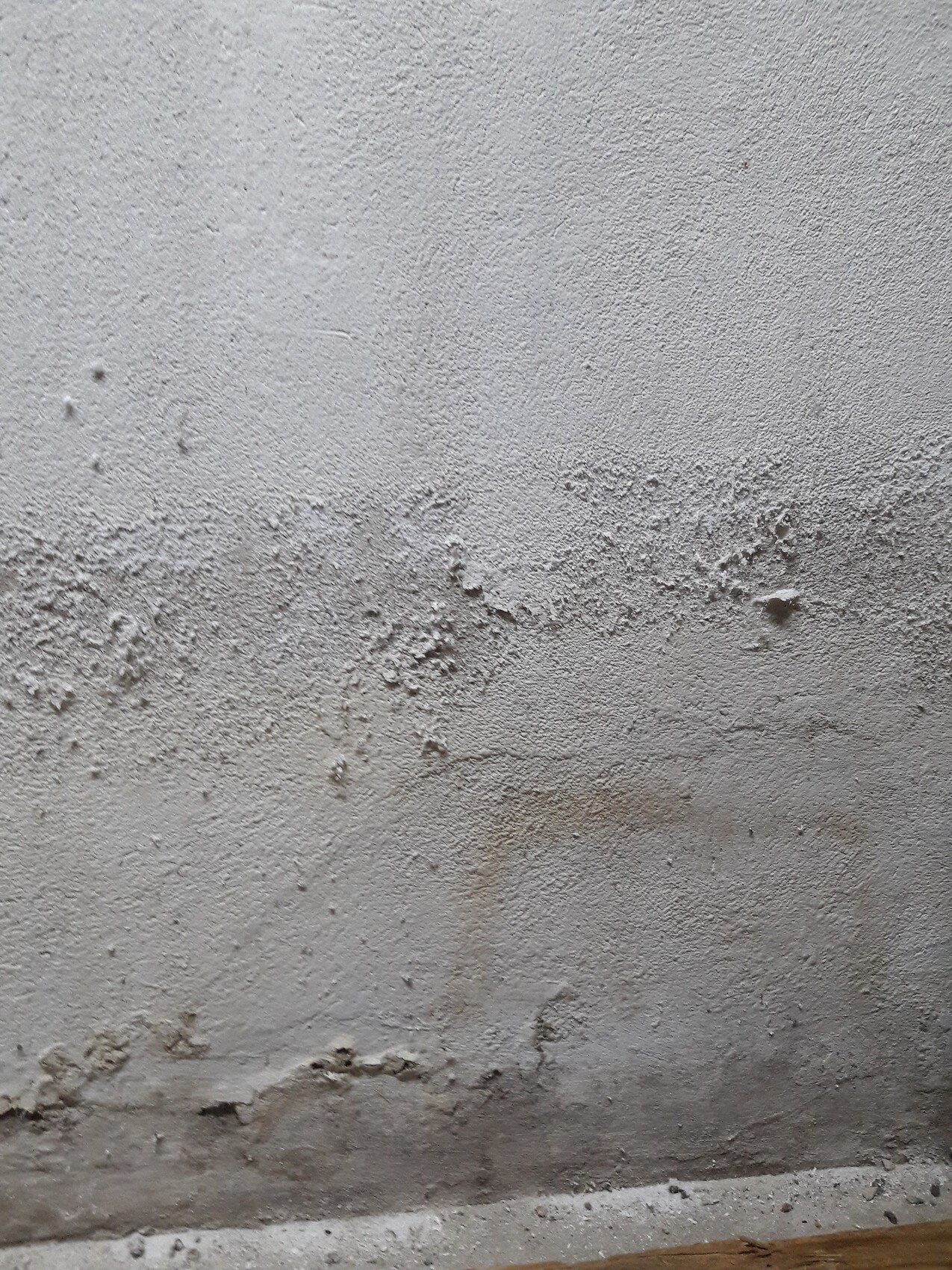
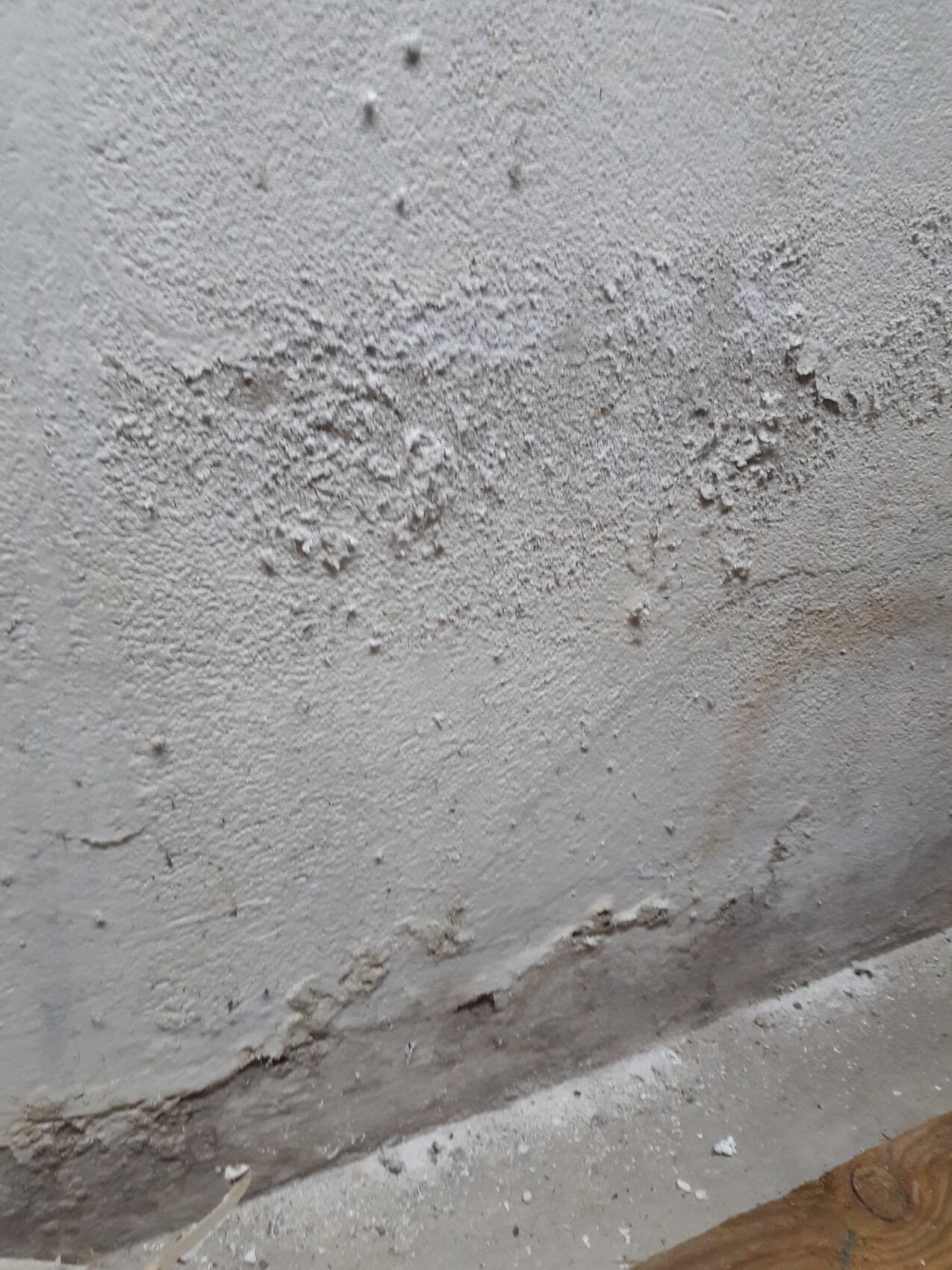
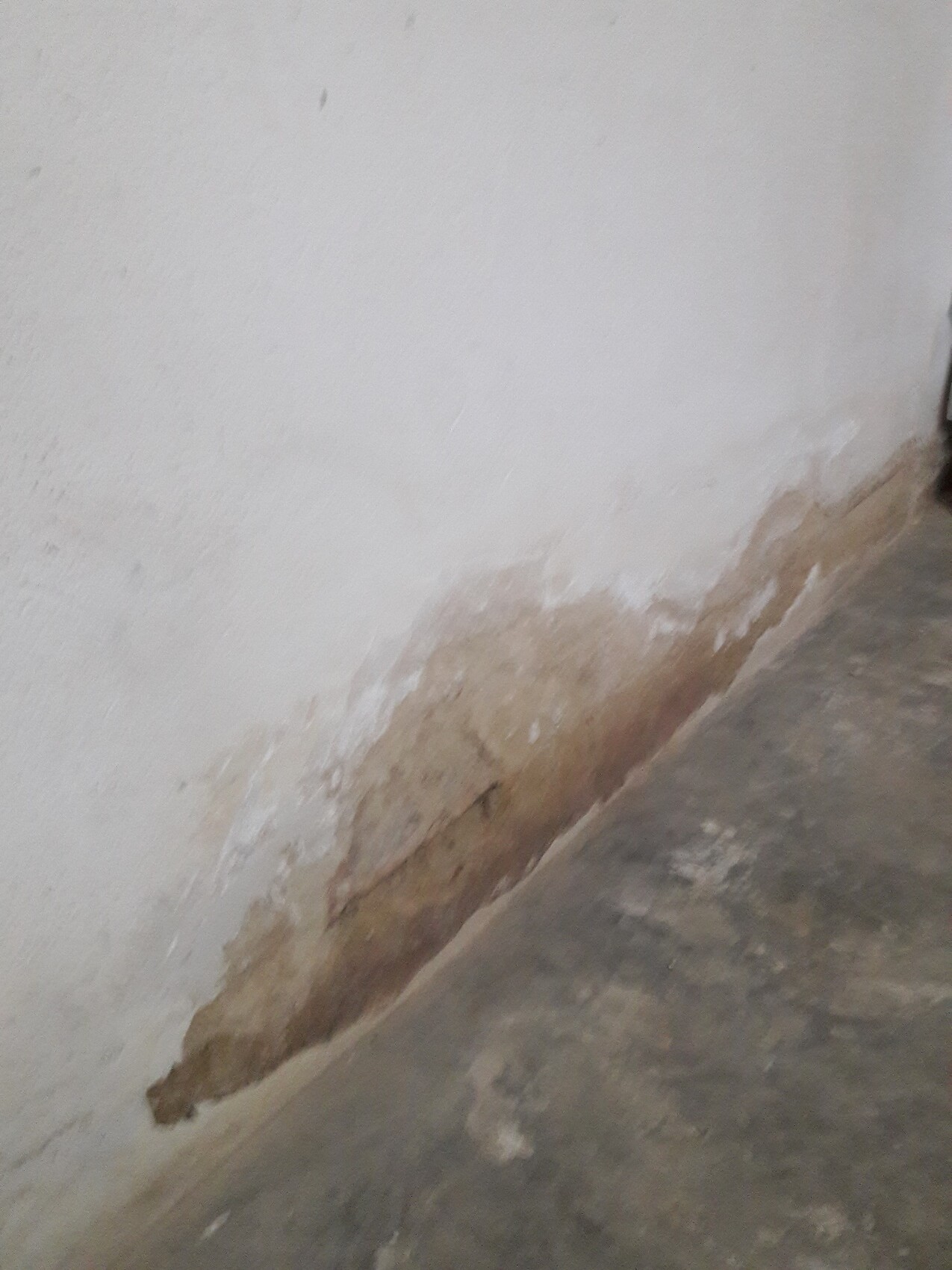
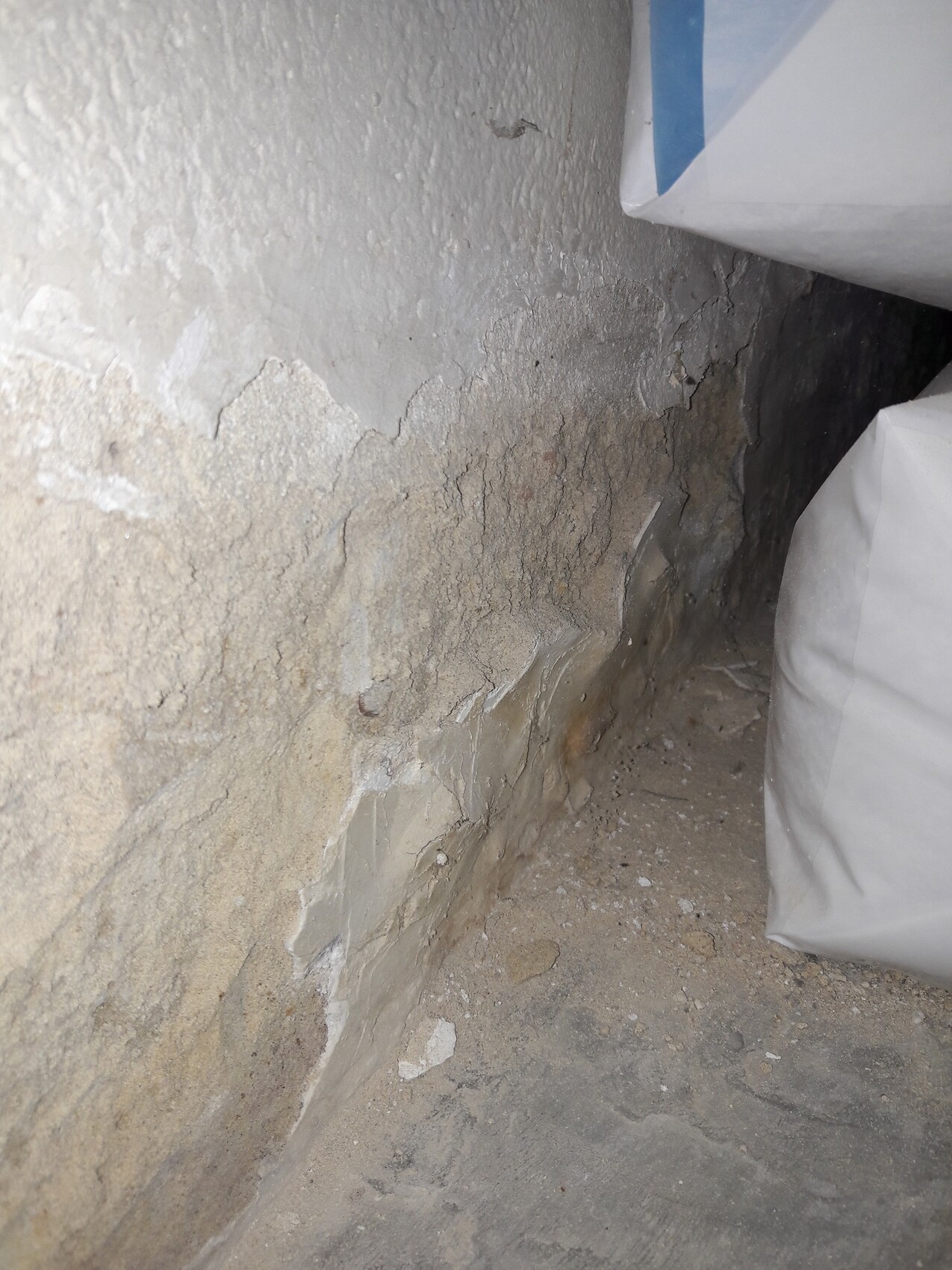
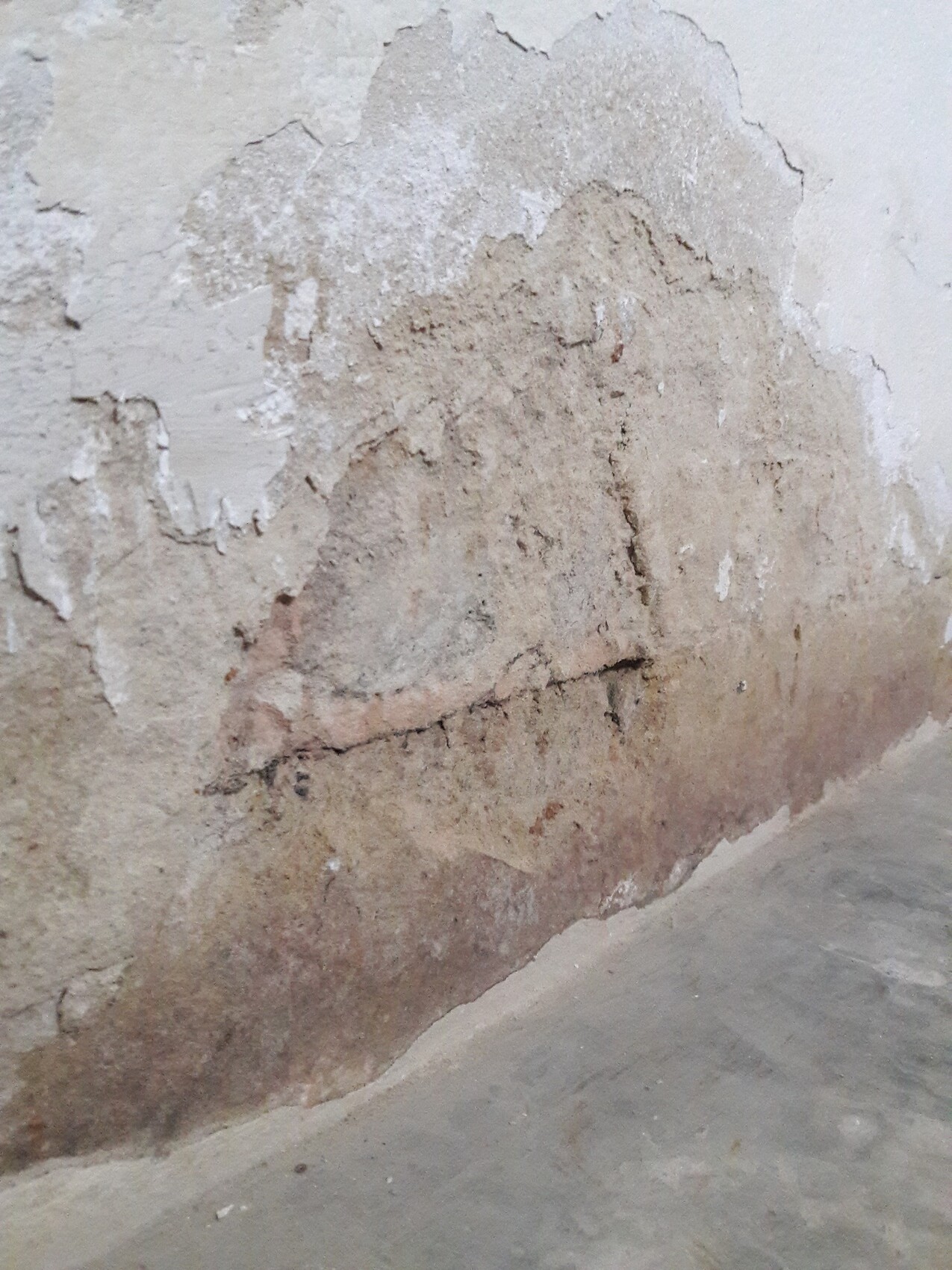
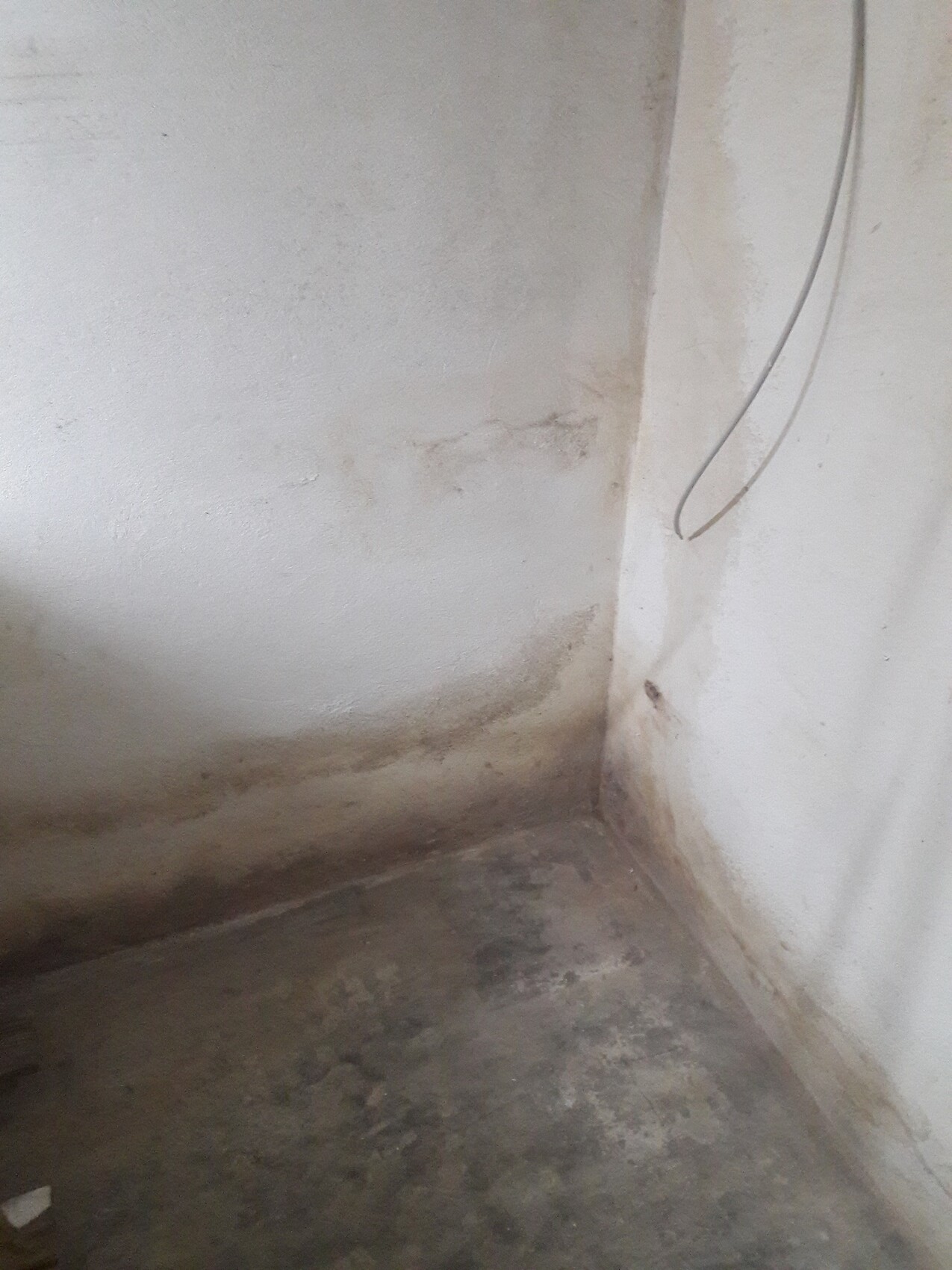
While clearing out items like paint cans, furniture, boxes, etc., I immediately noticed something concerning. Wherever something had been standing on the floor, there is a damp spot underneath. Under the moving boxes, the boxes have become so wet from below that the floor has cracked and is almost disintegrating. On the walls, I have seen that on the lowest row of blocks, the plaster is completely coming off and there is a sort of “mold”? on the walls. When I tapped the walls, it sounded hollow and the plaster detached. However, this only affects the bottom row of blocks. Above that, everything is solid and shows no discoloration.
This issue occurs both on the exterior walls that are in contact with the soil and on the interior walls, but not in all the basement rooms—only in 2 of the 4 rooms. The others are dry at both the walls and the floor.
I have attached some photos for you.
Now the important question... what is causing this? Rising groundwater? Missing insulation under the concrete slab? Missing waterproofing where the house meets the surrounding soil?
AND what measures should I take now to get this problem under control?
Additional info: The basement currently has single-glazed basement windows installed, and there is no heating in the basement. The walls are NOT sandstone.
I hope you can help me.
Thanks and best regards
three years ago we bought a house and completely renovated it. Now that all the living areas are finished, I am turning my attention to the basement to make it usable as well, because at the moment it resembles more of a storage room.
While clearing out items like paint cans, furniture, boxes, etc., I immediately noticed something concerning. Wherever something had been standing on the floor, there is a damp spot underneath. Under the moving boxes, the boxes have become so wet from below that the floor has cracked and is almost disintegrating. On the walls, I have seen that on the lowest row of blocks, the plaster is completely coming off and there is a sort of “mold”? on the walls. When I tapped the walls, it sounded hollow and the plaster detached. However, this only affects the bottom row of blocks. Above that, everything is solid and shows no discoloration.
This issue occurs both on the exterior walls that are in contact with the soil and on the interior walls, but not in all the basement rooms—only in 2 of the 4 rooms. The others are dry at both the walls and the floor.
I have attached some photos for you.
Now the important question... what is causing this? Rising groundwater? Missing insulation under the concrete slab? Missing waterproofing where the house meets the surrounding soil?
AND what measures should I take now to get this problem under control?
Additional info: The basement currently has single-glazed basement windows installed, and there is no heating in the basement. The walls are NOT sandstone.
I hope you can help me.
Thanks and best regards
It is a house built in 1963.
The basement, like the rest of the house, is built with “regular” masonry blocks. Unfortunately, I don’t know the exact name of the blocks. They are gray and have three chambers.
I can’t provide more details, unfortunately.
Or is there something else that would be useful to know in order to assess the situation?
The basement, like the rest of the house, is built with “regular” masonry blocks. Unfortunately, I don’t know the exact name of the blocks. They are gray and have three chambers.
I can’t provide more details, unfortunately.
Or is there something else that would be useful to know in order to assess the situation?
Excavate around the house, reseal the basement wall with bitumen, install a perimeter drain around the house, and check that downspouts are clear! Instead of soil, fill the trench around the house with loose gravel, ensuring a slope away from the house. That should solve the issue for now. Inside, remove the plaster, allow the area to dry, then rebuild using cement plaster and paint.
Nordlys schrieb:
Dig around the house, re-seal the basement wall with bitumen, install a perimeter drain around the house, and check the downspouts to make sure they are clear! Instead of soil, fill the trench around the house with loose gravel, ensuring a slope away from the house. That will provide peace of mind for the time being. Inside, remove the plaster, let it dry, reapply cement plaster, then paint.That would also be my assumption .... and solution
That’s what I would have done as well and it was my first thought. I’m just wondering why the interior walls are also damp, basically the walls that don’t have any contact with the ground outside.
The concrete slab also has damp spots where heavy objects were placed, such as paint buckets or full moving boxes.
Or could all of this really be coming through the exterior walls?
Should I actively dry the basement now using fan heaters, or just let it dry naturally?
The concrete slab also has damp spots where heavy objects were placed, such as paint buckets or full moving boxes.
Or could all of this really be coming through the exterior walls?
Should I actively dry the basement now using fan heaters, or just let it dry naturally?
Similar topics