
Hello everyone,
three years ago we bought a house and completely renovated it. Now that all the living areas are finished, I am turning my attention to the basement to make it usable as well, because at the moment it resembles more of a storage room.
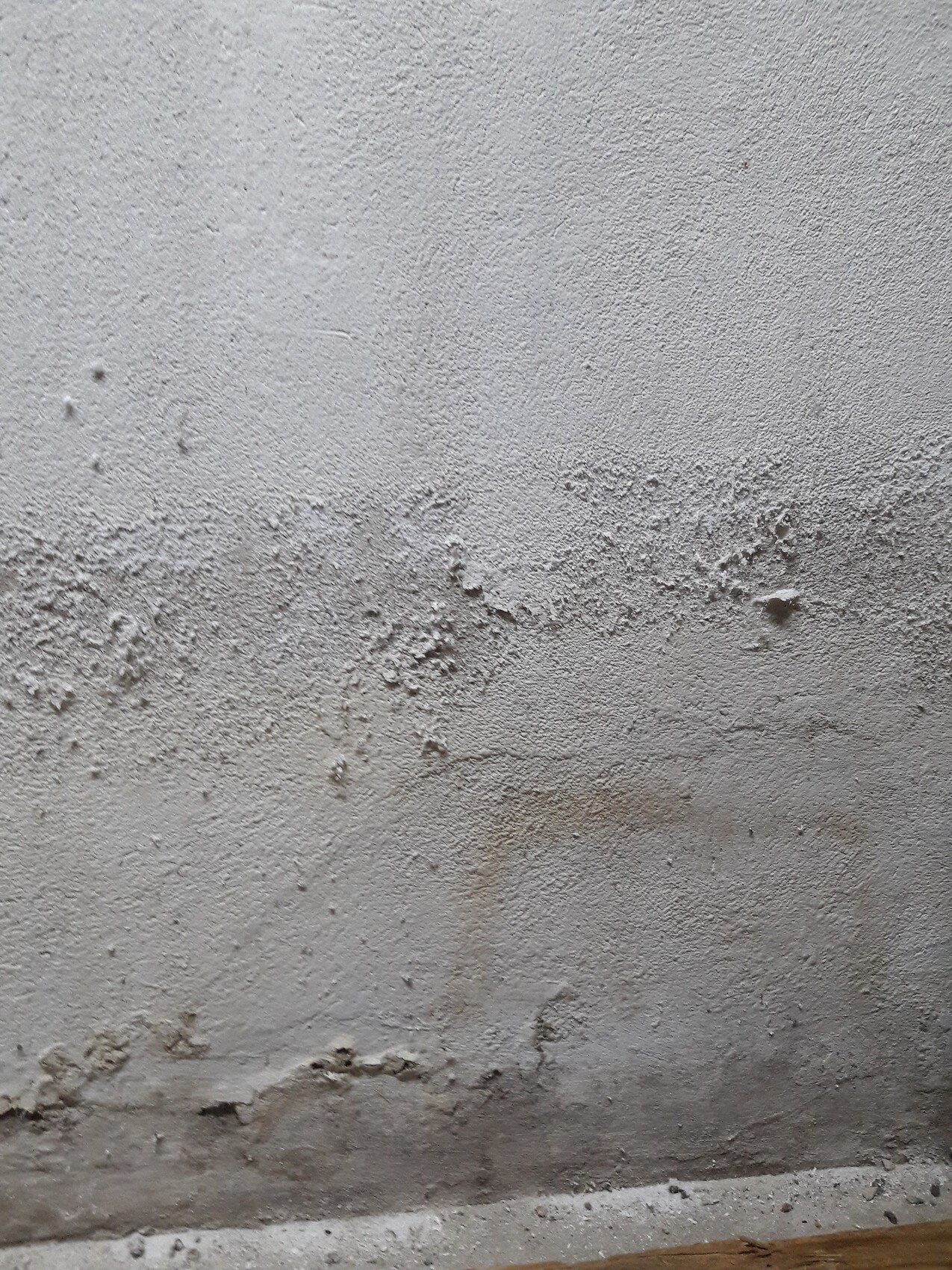
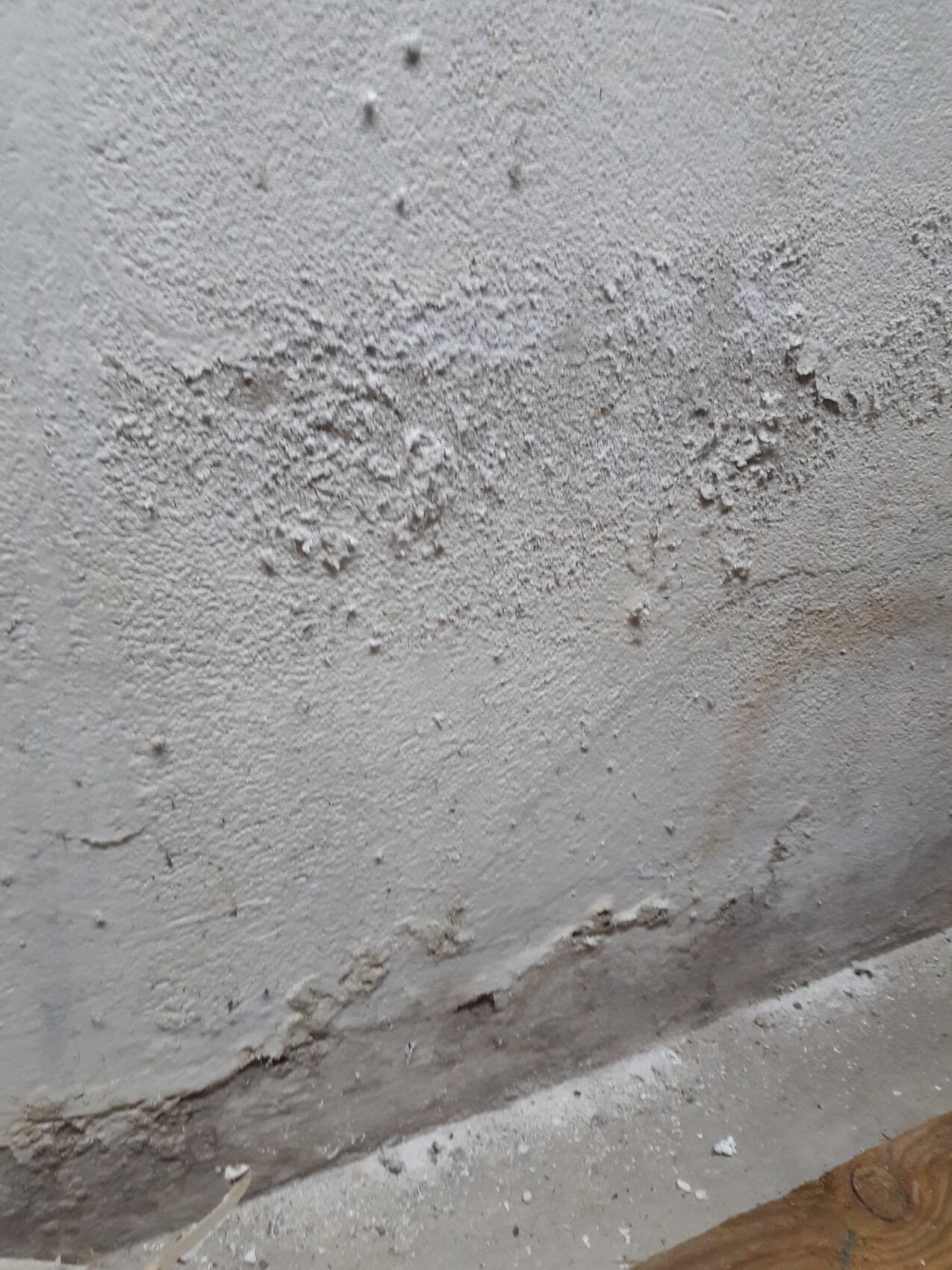
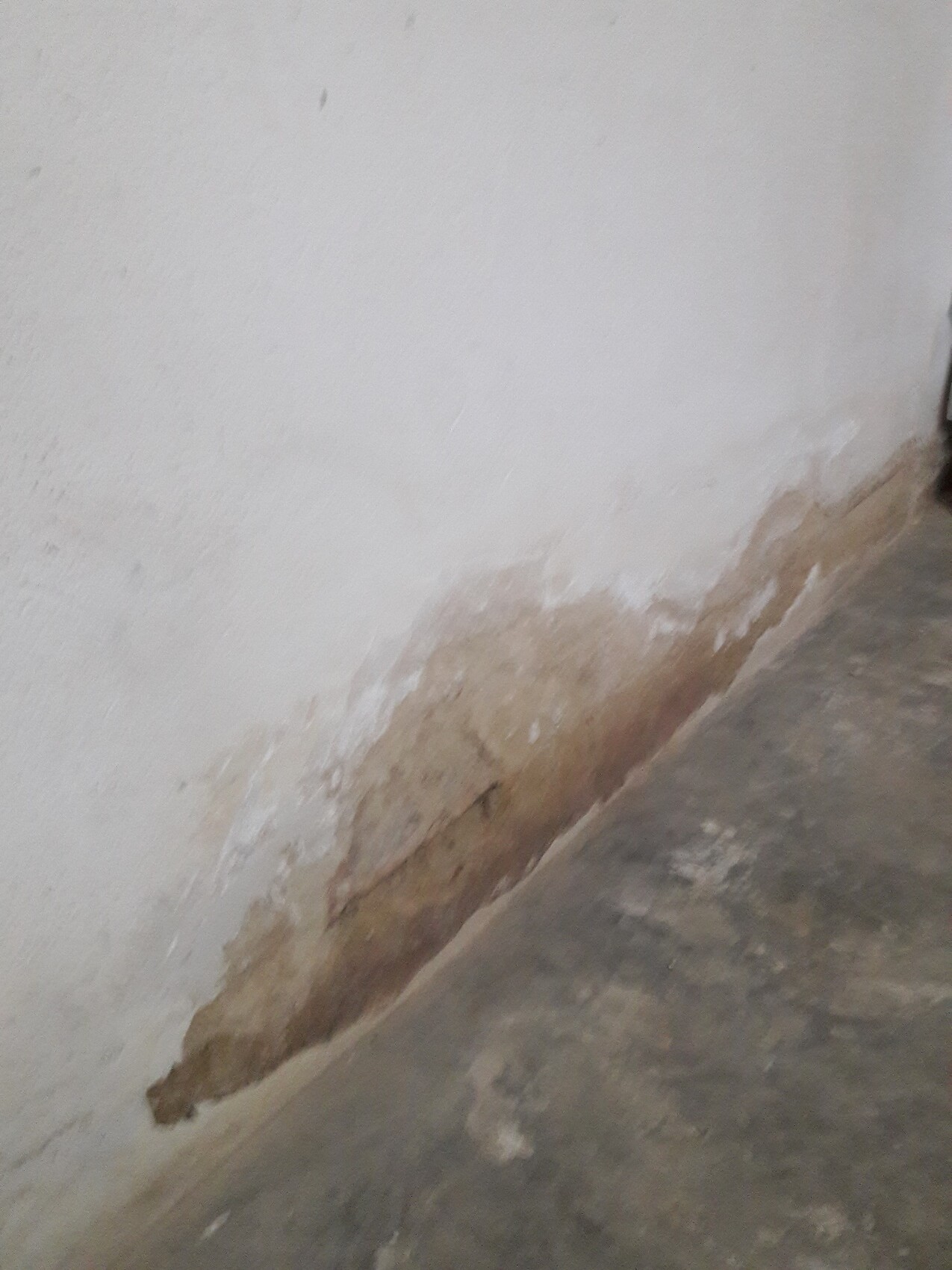
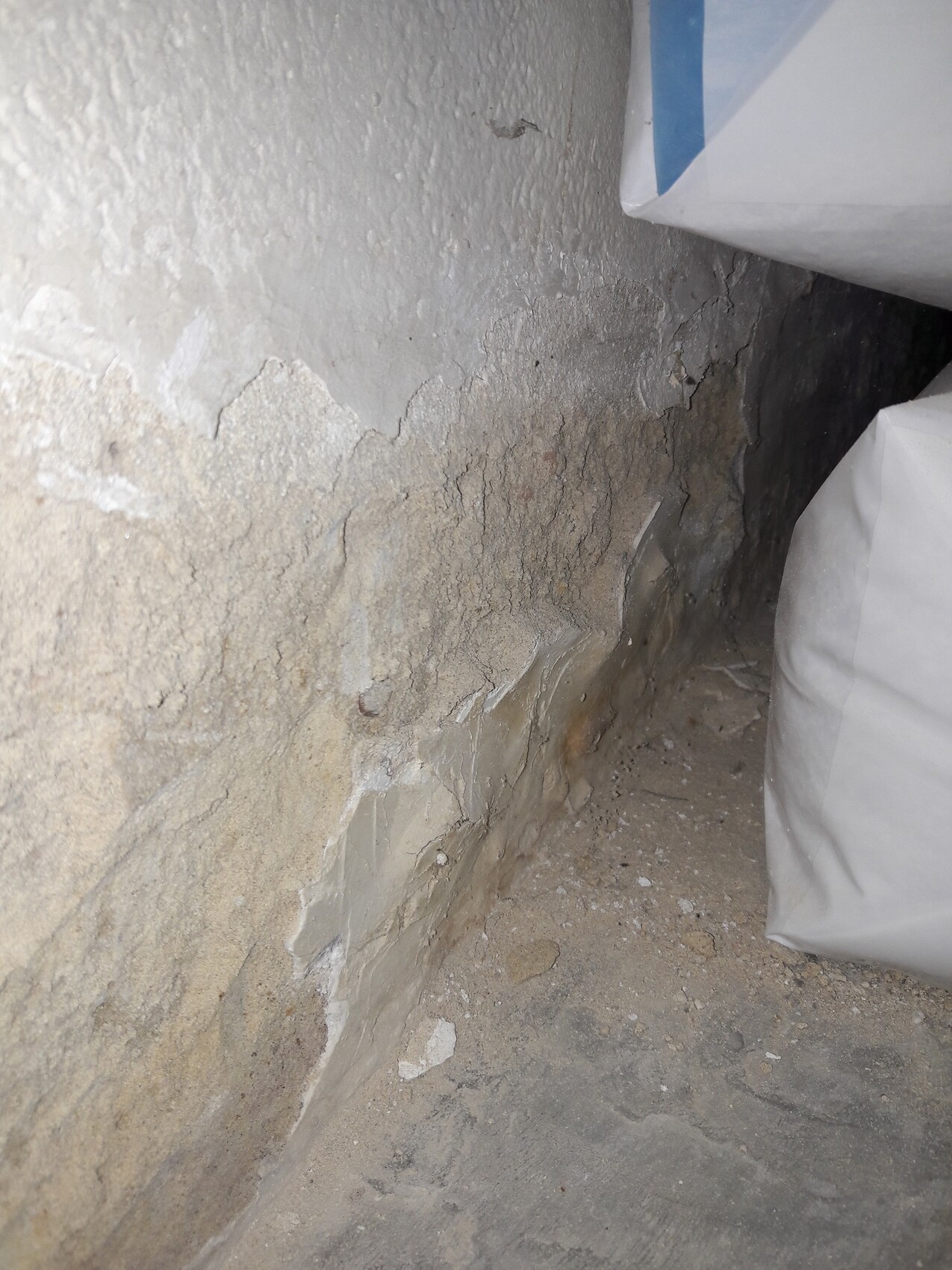
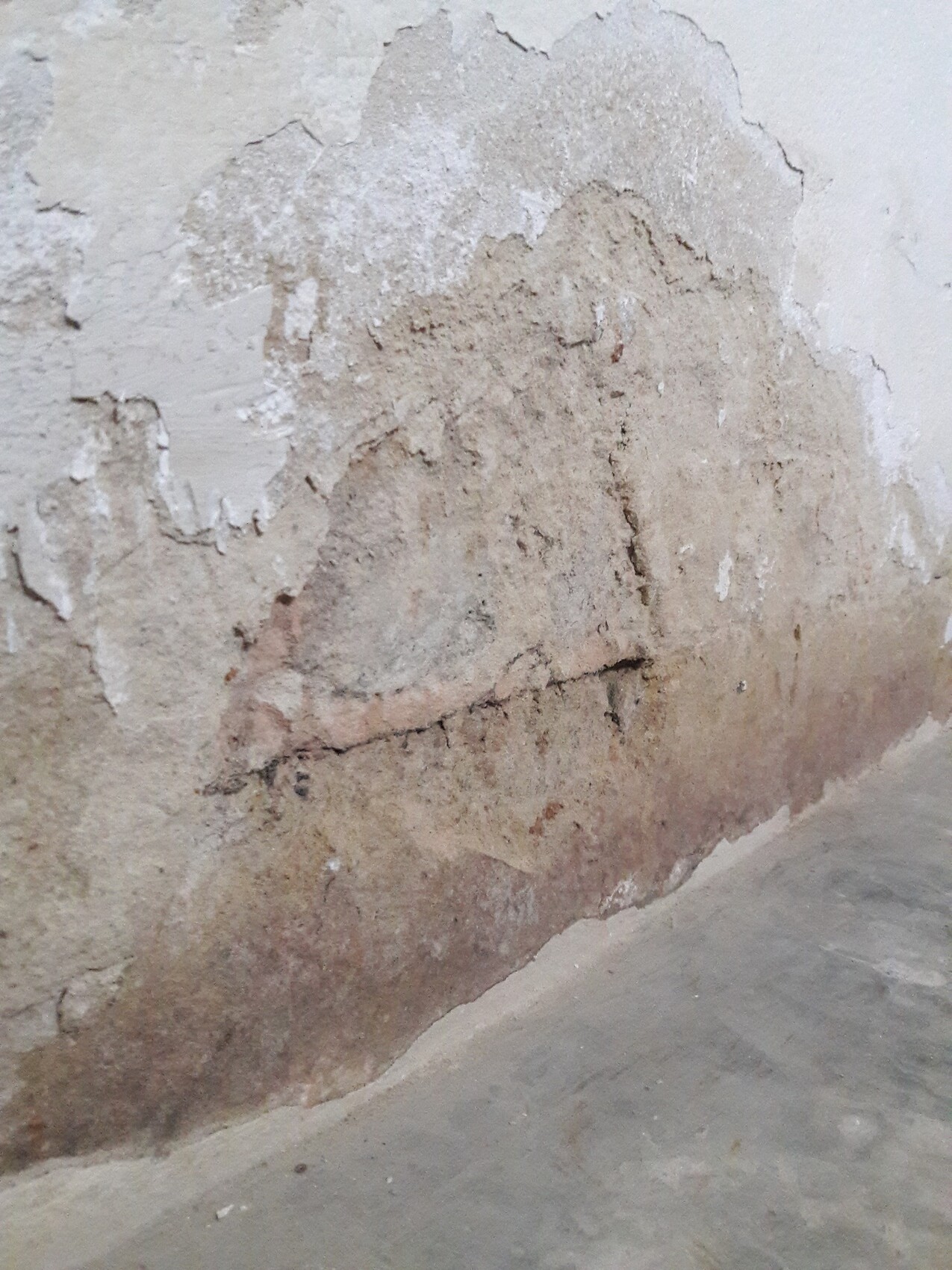
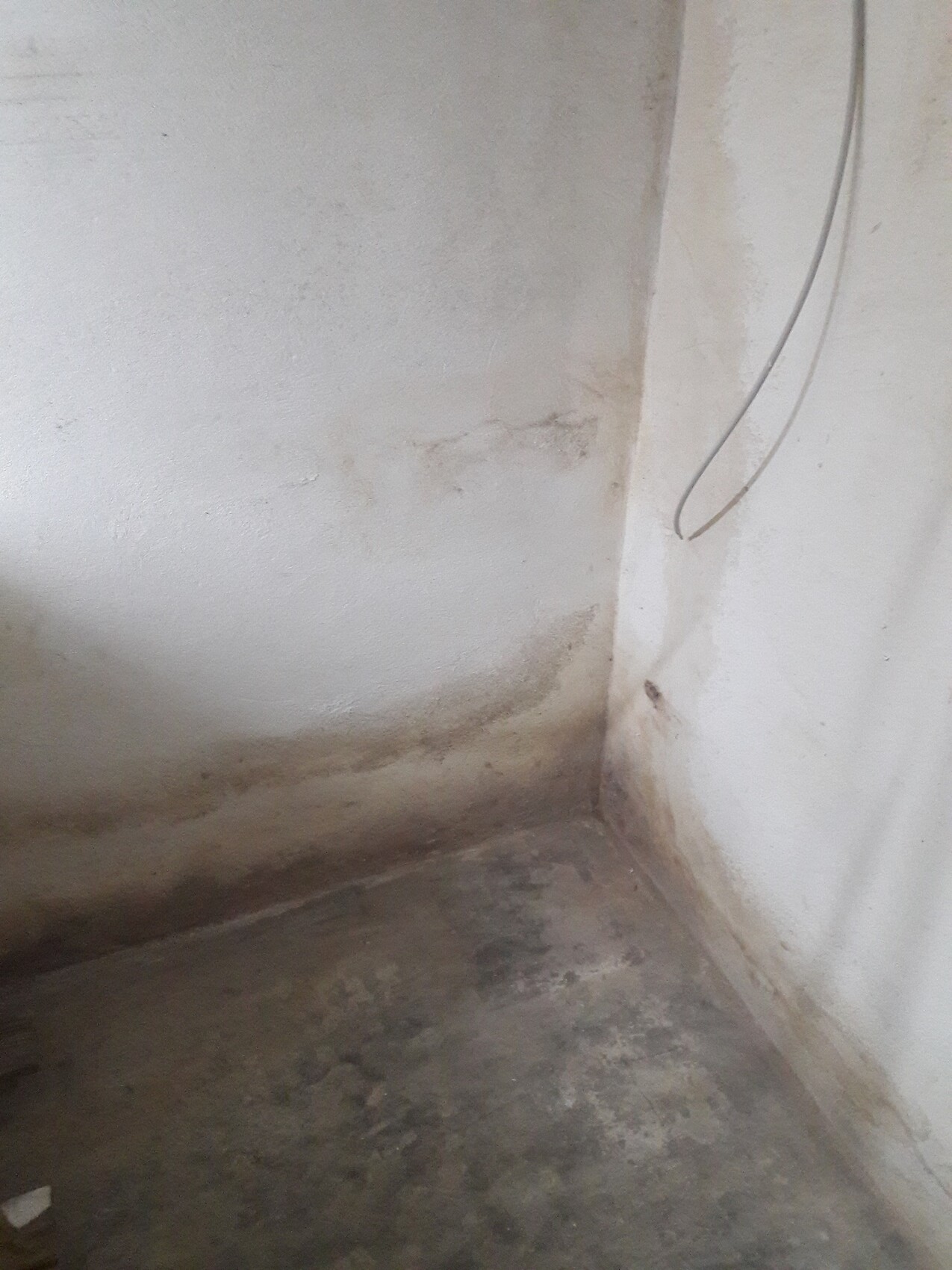
While clearing out items like paint cans, furniture, boxes, etc., I immediately noticed something concerning. Wherever something had been standing on the floor, there is a damp spot underneath. Under the moving boxes, the boxes have become so wet from below that the floor has cracked and is almost disintegrating. On the walls, I have seen that on the lowest row of blocks, the plaster is completely coming off and there is a sort of “mold”? on the walls. When I tapped the walls, it sounded hollow and the plaster detached. However, this only affects the bottom row of blocks. Above that, everything is solid and shows no discoloration.
This issue occurs both on the exterior walls that are in contact with the soil and on the interior walls, but not in all the basement rooms—only in 2 of the 4 rooms. The others are dry at both the walls and the floor.
I have attached some photos for you.
Now the important question... what is causing this? Rising groundwater? Missing insulation under the concrete slab? Missing waterproofing where the house meets the surrounding soil?
AND what measures should I take now to get this problem under control?
Additional info: The basement currently has single-glazed basement windows installed, and there is no heating in the basement. The walls are NOT sandstone.
I hope you can help me.
Thanks and best regards
three years ago we bought a house and completely renovated it. Now that all the living areas are finished, I am turning my attention to the basement to make it usable as well, because at the moment it resembles more of a storage room.
While clearing out items like paint cans, furniture, boxes, etc., I immediately noticed something concerning. Wherever something had been standing on the floor, there is a damp spot underneath. Under the moving boxes, the boxes have become so wet from below that the floor has cracked and is almost disintegrating. On the walls, I have seen that on the lowest row of blocks, the plaster is completely coming off and there is a sort of “mold”? on the walls. When I tapped the walls, it sounded hollow and the plaster detached. However, this only affects the bottom row of blocks. Above that, everything is solid and shows no discoloration.
This issue occurs both on the exterior walls that are in contact with the soil and on the interior walls, but not in all the basement rooms—only in 2 of the 4 rooms. The others are dry at both the walls and the floor.
I have attached some photos for you.
Now the important question... what is causing this? Rising groundwater? Missing insulation under the concrete slab? Missing waterproofing where the house meets the surrounding soil?
AND what measures should I take now to get this problem under control?
Additional info: The basement currently has single-glazed basement windows installed, and there is no heating in the basement. The walls are NOT sandstone.
I hope you can help me.
Thanks and best regards
The concrete slab doesn’t mind being constantly damp. The stones don’t either. The problem only arises if moisture continuously seeps into the basement area. That will cause increasing spalling and similar damage.
The waterproofing slurry costs about 3-4€/kg, and you need around 4 kg per m² (11 sq ft). Additionally, depending on the need, cement mortar costs between 100-200€, with small items like thickness gauges around 50€ and sealing tape about 100€. So, overall, it’s manageable.
The waterproofing slurry costs about 3-4€/kg, and you need around 4 kg per m² (11 sq ft). Additionally, depending on the need, cement mortar costs between 100-200€, with small items like thickness gauges around 50€ and sealing tape about 100€. So, overall, it’s manageable.
This approach only works easily if the moisture is rising from the ground through the floor slab and there is a horizontal damp-proof course in the masonry.
In cases of defective or insufficient waterproofing of the basement walls in contact with the soil, a similar approach may be possible but is not always effective. This is because the permanently damp walls can still release moisture at the interface between the soil and the surface, causing the plaster to flake off, which leads to secondary damage. Furthermore, without a horizontal damp-proof course, moisture in the walls can also rise further up into the living spaces on the ground floor, which is much worse than in the basement.
If the wall waterproofing is defective, it must be addressed from the outside. This is sometimes significantly more complex and naturally more expensive. The cost of materials (excluding additional insulation) is hardly higher, but the labor involved in excavation work is considerably greater.
Before undertaking such extensive excavation work in an existing building, it is advisable to clean or repair any existing drainage systems where present and to check all rainwater drainage pipes for leaks.
In cases of defective or insufficient waterproofing of the basement walls in contact with the soil, a similar approach may be possible but is not always effective. This is because the permanently damp walls can still release moisture at the interface between the soil and the surface, causing the plaster to flake off, which leads to secondary damage. Furthermore, without a horizontal damp-proof course, moisture in the walls can also rise further up into the living spaces on the ground floor, which is much worse than in the basement.
If the wall waterproofing is defective, it must be addressed from the outside. This is sometimes significantly more complex and naturally more expensive. The cost of materials (excluding additional insulation) is hardly higher, but the labor involved in excavation work is considerably greater.
Before undertaking such extensive excavation work in an existing building, it is advisable to clean or repair any existing drainage systems where present and to check all rainwater drainage pipes for leaks.
Similar topics