
ᐅ Newly built apartment (KfW-55 standard) cannot be cooled below at least 25 °C.
Created on: 21 Aug 2022 08:52
F
Forsberg21
Hello,
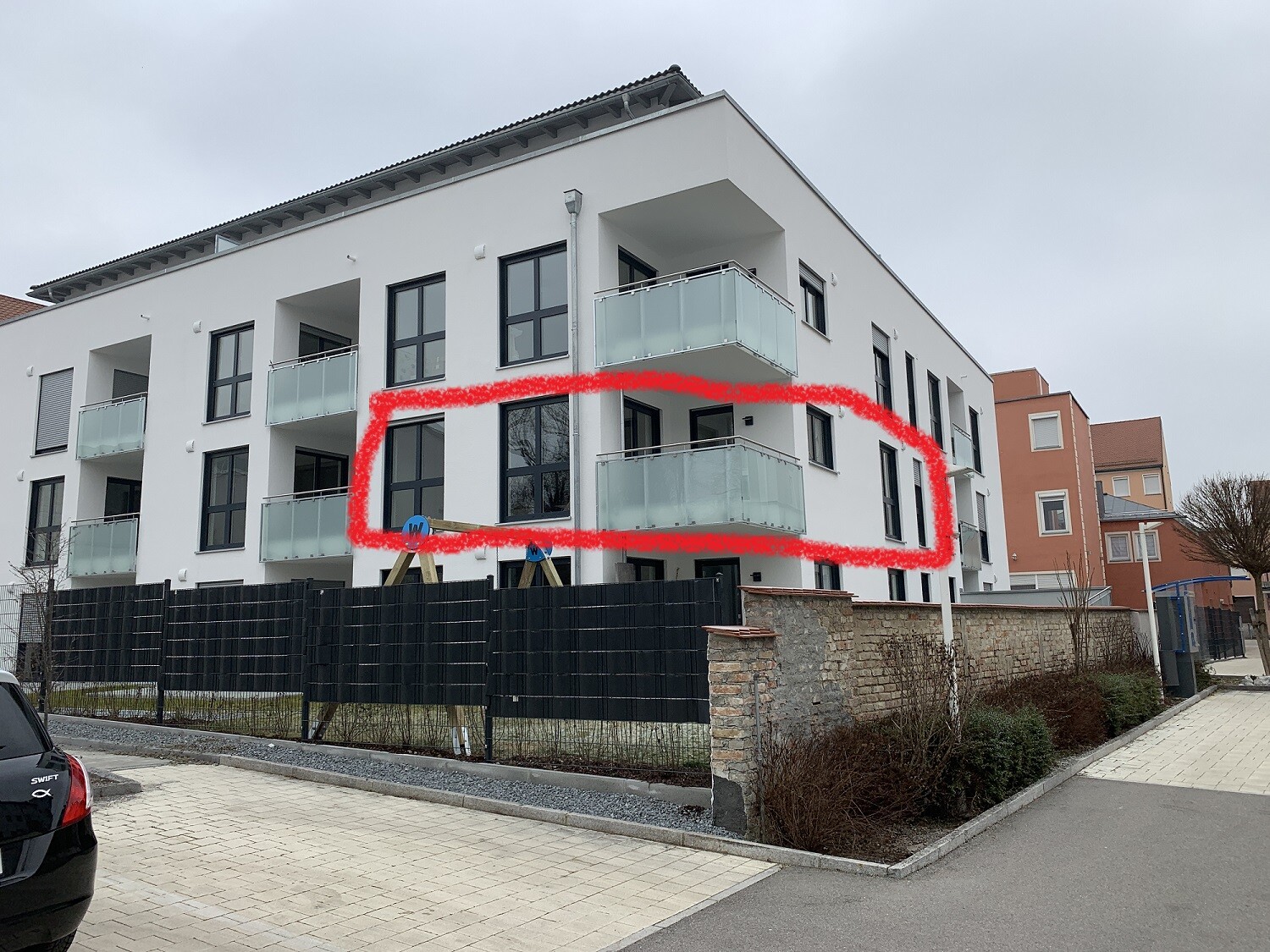
I have rented out a new apartment (built in 2021, KfW-55 standard). The tenant recently informed me that since spring, the indoor temperatures have consistently been at least 25°C (77°F) or higher. On warm days, it even reaches up to 28°C (82°F), although she keeps all the aluminum shutters closed during the day (no home office). Cross-ventilation at night doesn’t bring the temperature below 25°C (77°F). She is asking for advice on how to cool the apartment down a bit during the summer.
What could be causing this?
The apartment has a decentralized ventilation system and underfloor heating, which is naturally turned off in summer.
The apartment faces southwest and has large window areas.
Could it be that the ventilation system continuously brings in warm outside air on hot days, causing the temperature to rise so much?
Should the ventilation system be turned off during the day?
But why doesn’t the apartment cool down at night, even though there seems to be cross-ventilation and the nights are cooler?
Do you have any tips? I am a bit overwhelmed.
Best regards,
Robert

I have rented out a new apartment (built in 2021, KfW-55 standard). The tenant recently informed me that since spring, the indoor temperatures have consistently been at least 25°C (77°F) or higher. On warm days, it even reaches up to 28°C (82°F), although she keeps all the aluminum shutters closed during the day (no home office). Cross-ventilation at night doesn’t bring the temperature below 25°C (77°F). She is asking for advice on how to cool the apartment down a bit during the summer.
What could be causing this?
The apartment has a decentralized ventilation system and underfloor heating, which is naturally turned off in summer.
The apartment faces southwest and has large window areas.
Could it be that the ventilation system continuously brings in warm outside air on hot days, causing the temperature to rise so much?
Should the ventilation system be turned off during the day?
But why doesn’t the apartment cool down at night, even though there seems to be cross-ventilation and the nights are cooler?
Do you have any tips? I am a bit overwhelmed.
Best regards,
Robert
@motorradsilke It’s not that bad thanks to the cool nights. The patio slabs often only become warm enough to walk on around midday. On the southeast side, I often had to close the windows as early as 7 or 8 a.m. over the weekend because warm air was coming in, while on the north side it wasn’t until about 10 or 11 a.m. Also, in the evenings it cools down much earlier there. You can definitely notice a difference between weekends and weekdays. On weekdays, when no one is home during the day, it usually stays around 20°C (68°F), while on weekends it tends to reach closer to 23°C (73°F).
It was really intense in the office. Built in the 1970s, south-facing, but heavily shaded by trees so hardly any sun gets in. Plus, the nights up there are almost cold. They were talking about a heatwave on the radio, yet we were wearing light jackets. That had never happened before.
It was really intense in the office. Built in the 1970s, south-facing, but heavily shaded by trees so hardly any sun gets in. Plus, the nights up there are almost cold. They were talking about a heatwave on the radio, yet we were wearing light jackets. That had never happened before.
I must be doing something wrong. I leave my computer on at night, and it keeps getting warmer even though the window is wide open.
Don’t you have any devices that generate heat? The insulated building doesn’t let anything through. Opening the windows only helps until late morning; after that, the office room gets too hot again because of the waste heat from computers and monitors. Without air conditioning, it’s unbearable.
Don’t you have any devices that generate heat? The insulated building doesn’t let anything through. Opening the windows only helps until late morning; after that, the office room gets too hot again because of the waste heat from computers and monitors. Without air conditioning, it’s unbearable.
B
BBaumeister1 Sep 2022 12:28We have a monolithically built KFW 55 house (filled bricks) with a lot of glass on the south side.
Does the ventilation system have a bypass?
Our ventilation system is set up for summer so that it is turned off during the day and only runs at night, at a level just quiet enough not to be disturbing. At 6 a.m., it runs at full power (400 cfm/h) for three hours.
During this time, the bypass is activated, meaning the air is not passing through the heat recovery module. At the same time, when I get up in the morning (6:00 a.m.), I open all the windows to create good cross-ventilation until I leave the house around 7:30 a.m. During the day, we completely shade the windows on the south side.
An important factor is that many interior walls are made of calcium silicate blocks (for structural reasons), which act as a good thermal buffer.
We also have a split air conditioning system, but it is used very rarely. However, there have been periods when daytime temperatures were well above 30°C (86°F) and at night never dropped below 25°C (77°F). During those times, we ran the air conditioning all day, but still never had indoor temperatures above 22°C (72°F) at night, which is probably also due to the calcium silicate interior walls slowly radiating the cool air from the air conditioning.
Another factor that may have an effect: we live directly on the edge of a forest and have a stream behind the garden. You can clearly feel the cool air coming in from the forest in the evening. When we lived in the city center, we never experienced these "gentle breezes."
Does the ventilation system have a bypass?
Our ventilation system is set up for summer so that it is turned off during the day and only runs at night, at a level just quiet enough not to be disturbing. At 6 a.m., it runs at full power (400 cfm/h) for three hours.
During this time, the bypass is activated, meaning the air is not passing through the heat recovery module. At the same time, when I get up in the morning (6:00 a.m.), I open all the windows to create good cross-ventilation until I leave the house around 7:30 a.m. During the day, we completely shade the windows on the south side.
An important factor is that many interior walls are made of calcium silicate blocks (for structural reasons), which act as a good thermal buffer.
We also have a split air conditioning system, but it is used very rarely. However, there have been periods when daytime temperatures were well above 30°C (86°F) and at night never dropped below 25°C (77°F). During those times, we ran the air conditioning all day, but still never had indoor temperatures above 22°C (72°F) at night, which is probably also due to the calcium silicate interior walls slowly radiating the cool air from the air conditioning.
Another factor that may have an effect: we live directly on the edge of a forest and have a stream behind the garden. You can clearly feel the cool air coming in from the forest in the evening. When we lived in the city center, we never experienced these "gentle breezes."
W
WilderSueden1 Sep 2022 13:07Nutshell schrieb:
I must be doing something wrong. I leave my computer on at night, and it keeps getting warmer even though the window is wide open.
Don’t you have any power-hungry devices generating heat? The insulated house doesn’t let anything through. Opening the windows only helps until late morning; after that, the home office gets too hot again because of the waste heat from computers and monitors. Without air conditioning, it’s unbearable. Don’t underestimate how much power computers use. With monitors and other devices, you easily reach 500W or more, which is similar to the lowest setting of a space heater. If that runs continuously, it really belongs in a dedicated server room.
@Nutshell Do you mean in the office? It’s a building from the 1970s with trees growing almost up to the structure. So far, we’ve always ended up sweating during heat waves. This year, I suspect it’s simply due to the relatively cool temperatures at night.
I think the key point is to get the heat out of the buildings at night and allow as little heat in during the day as possible, regardless of the energy standard or building materials.
I think the key point is to get the heat out of the buildings at night and allow as little heat in during the day as possible, regardless of the energy standard or building materials.
WilderSueden schrieb:
Don’t underestimate what computers like that require. Between monitors and so on, you’re easily looking at 500W or more, roughly the same as the lowest setting of a space heater. If it has to run non-stop, it really belongs in a proper server room. The computer has a 750-watt power supply but usually only draws about 500 watts, as you estimated yourself.
Unfortunately, I can’t go below 144 frames per second if I want to stay competitive in the esports rankings.
That already produces quite a bit of waste heat. After a few hours, the drywall partitions don’t absorb any more heat, and it just gets hot. No matter how much I ventilate at night, the relief only lasts a few hours before it becomes uncomfortable again.
Putting the server cabinet in the basement is not an option.
1. Because I don’t have a basement
2. Because a DisplayPort cable can’t be 20 meters (65.6 feet) long
3. Because it’s not a server but a regular desktop tower
So none of that really helps me :>
Similar topics