
ᐅ Electrical Installation for a New Single-Family Home – Assessment and Suggestions
Created on: 19 Jun 2021 23:28
D
dynaudio79
Hello dear forum members,
The electrician has been working on the electrical installation in our shell construction for three weeks now, progressing step by step. Beforehand, I discussed some of my requirements with him. Now that he is almost finished, I have some doubts about whether everything has been done correctly. Without criticizing anything upfront, I would like to ask you to take a look.
This is mainly about the method of installation, not about why there are so few outlets in certain places—that can be sorted separately.
Best regards,
Steffen
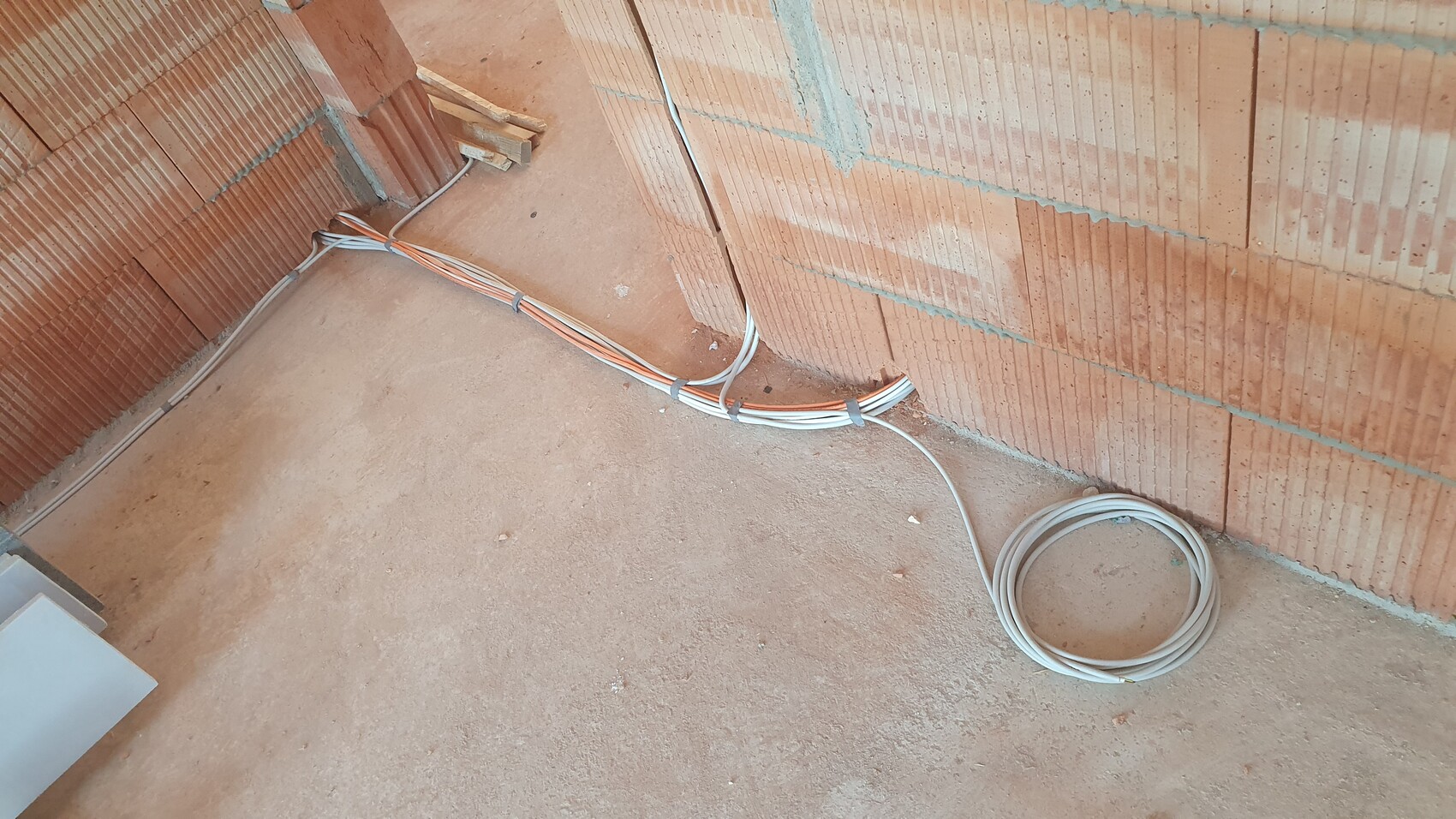
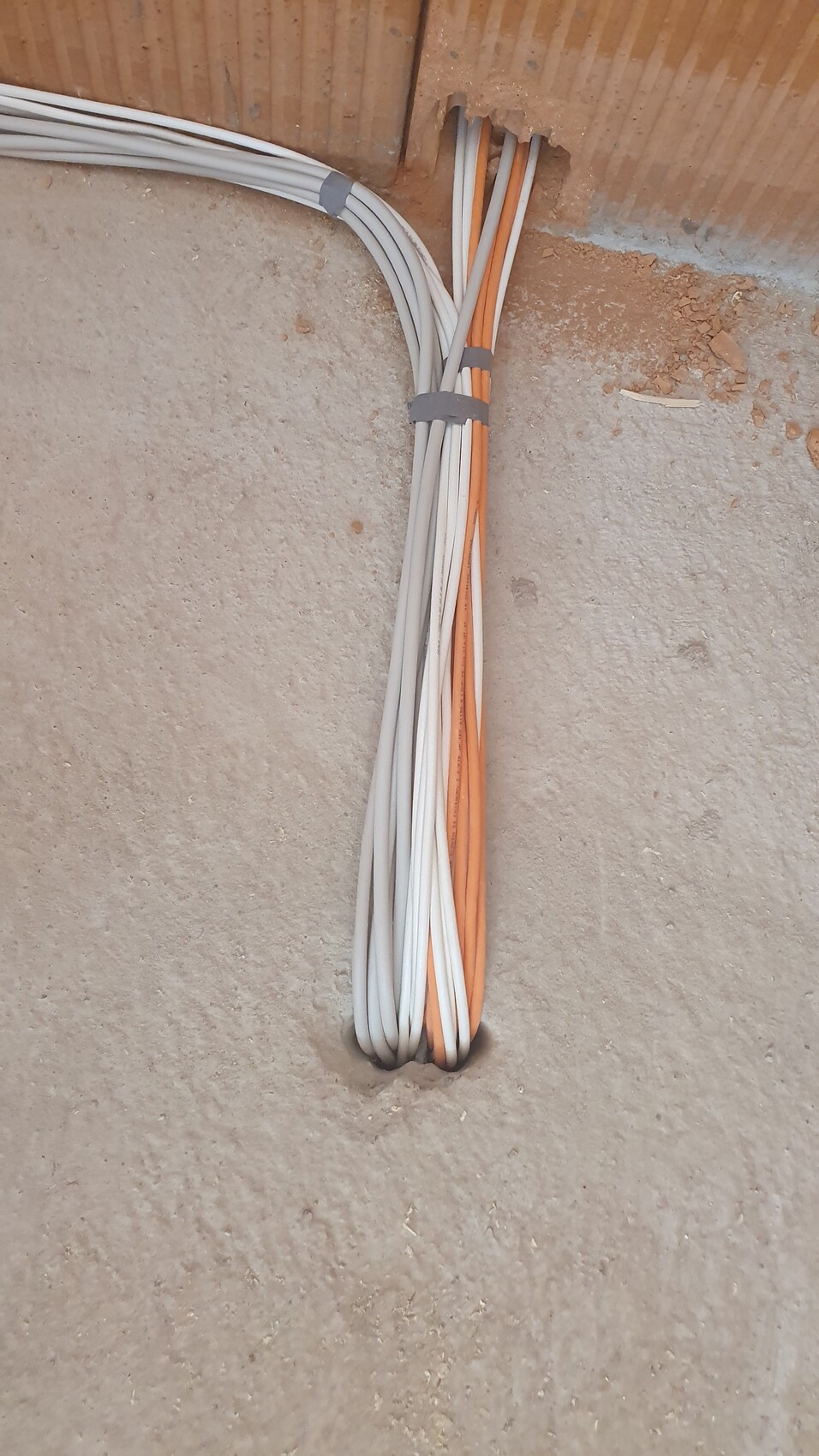
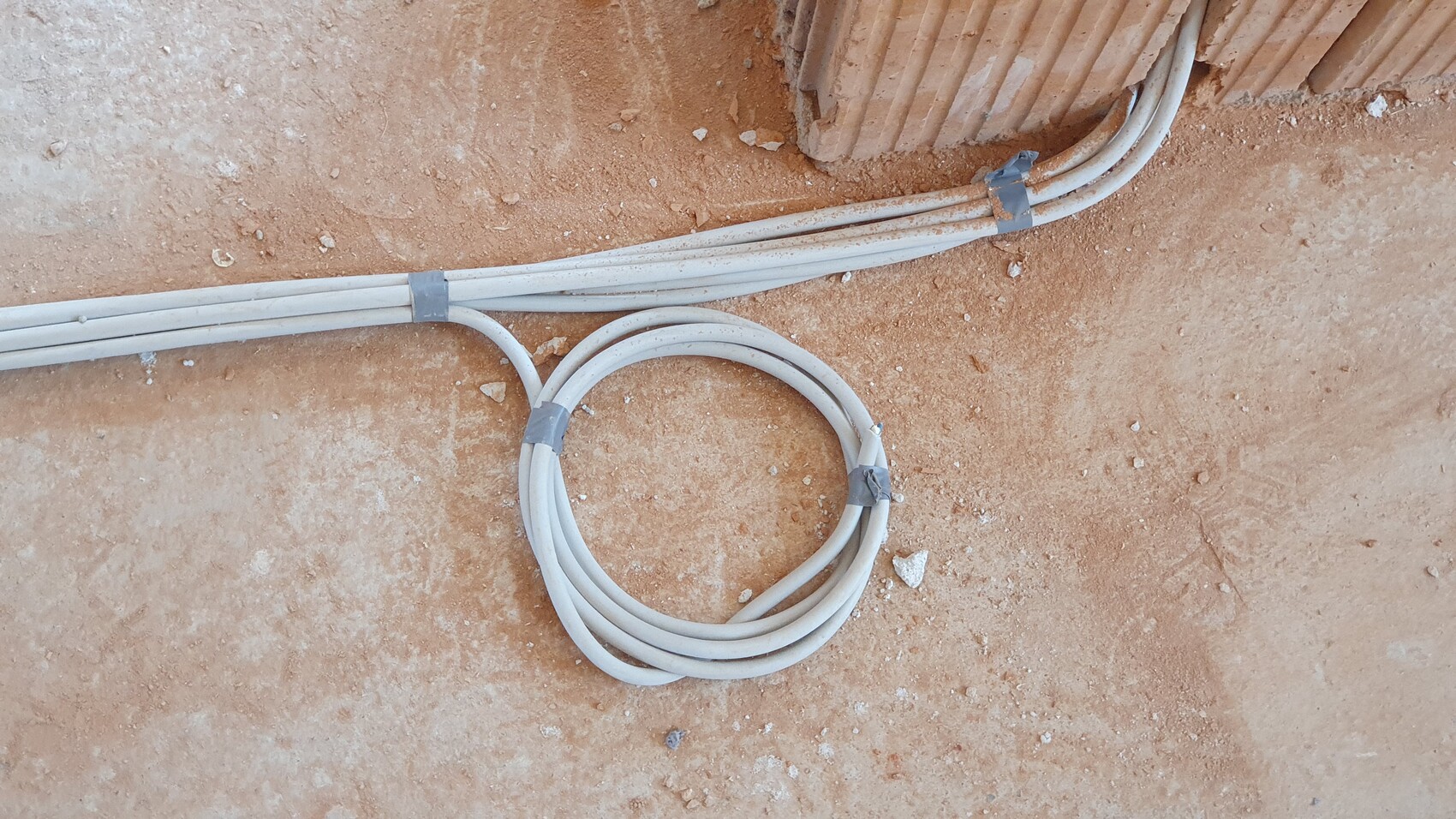
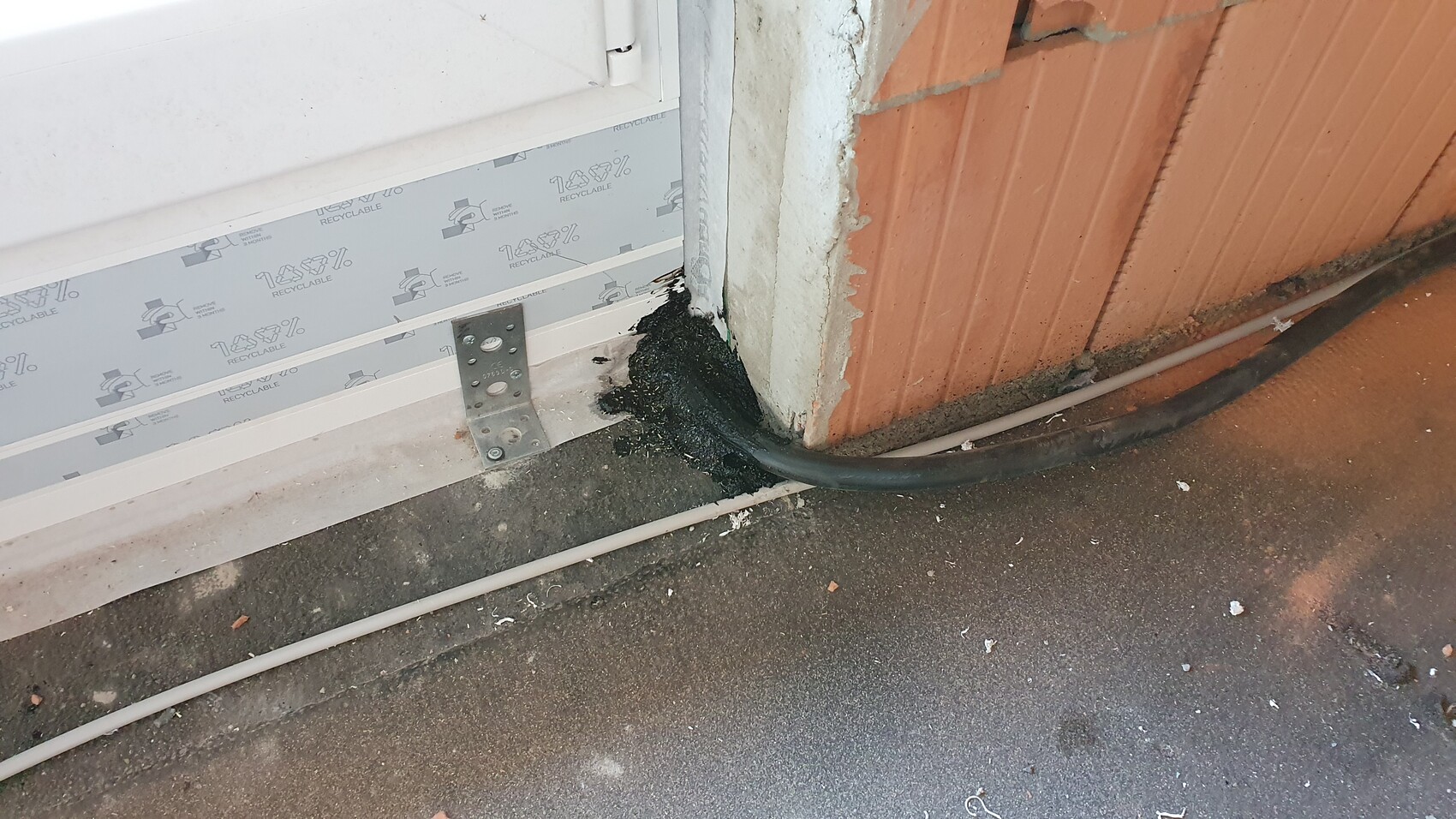
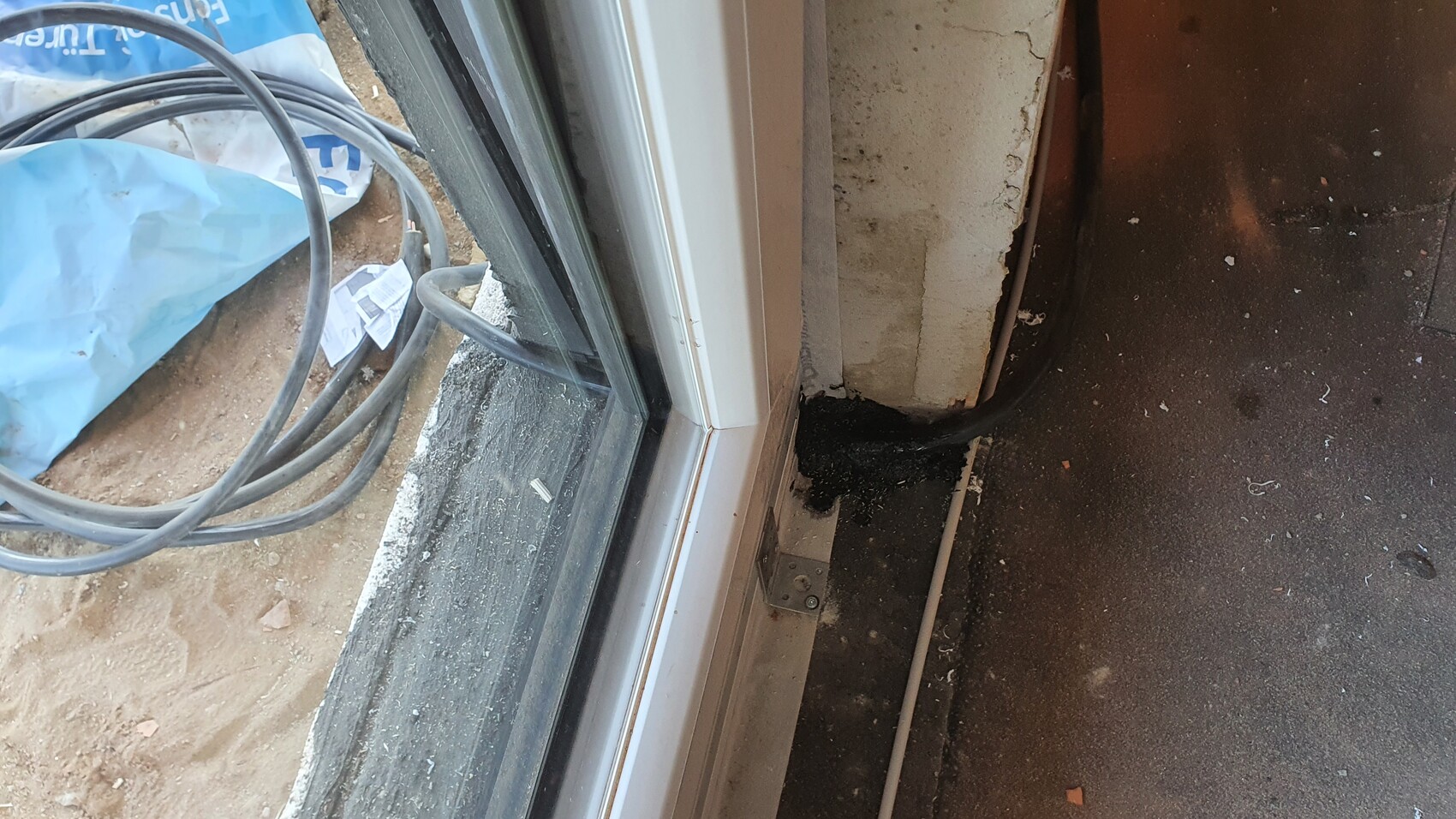
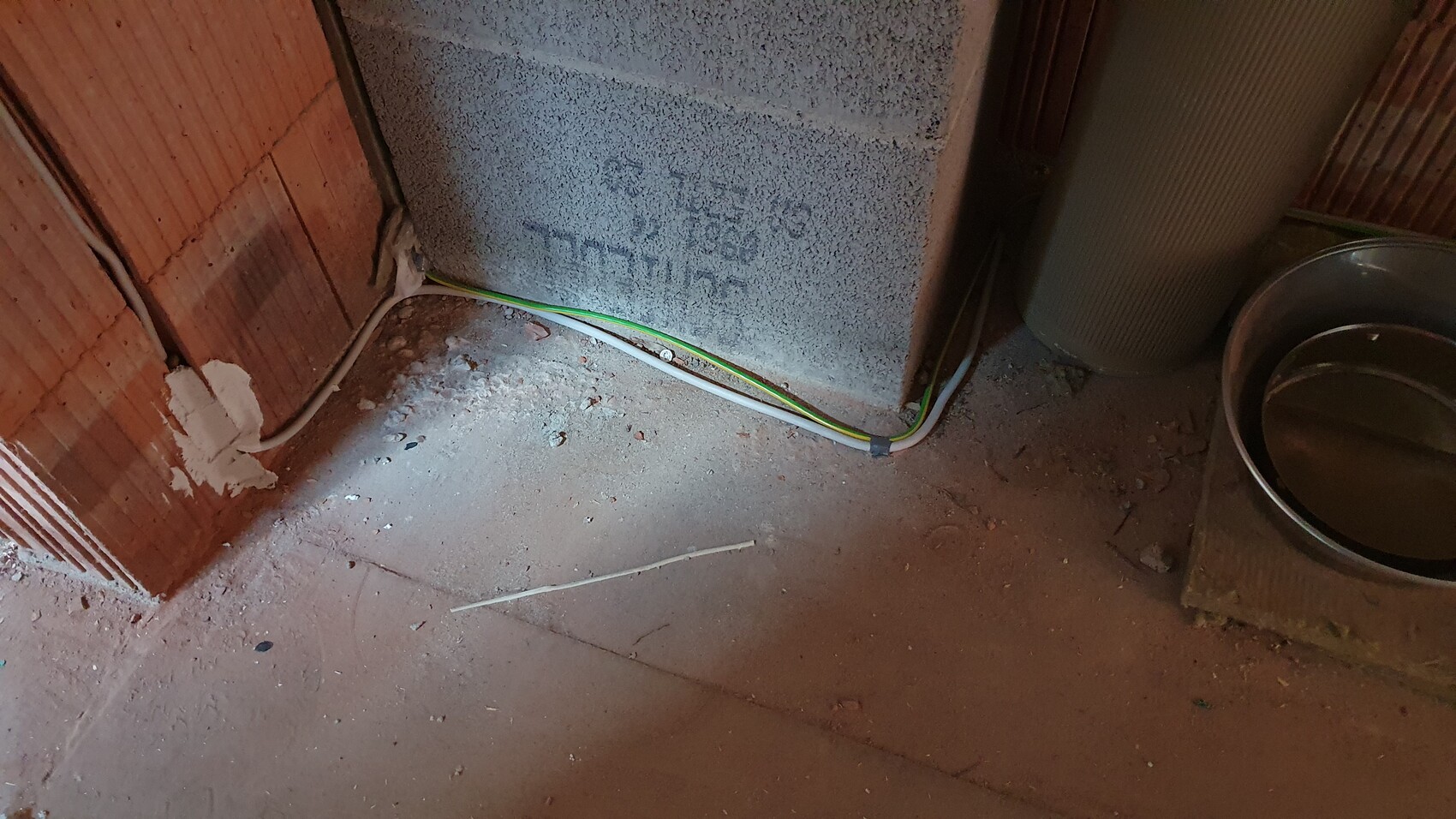
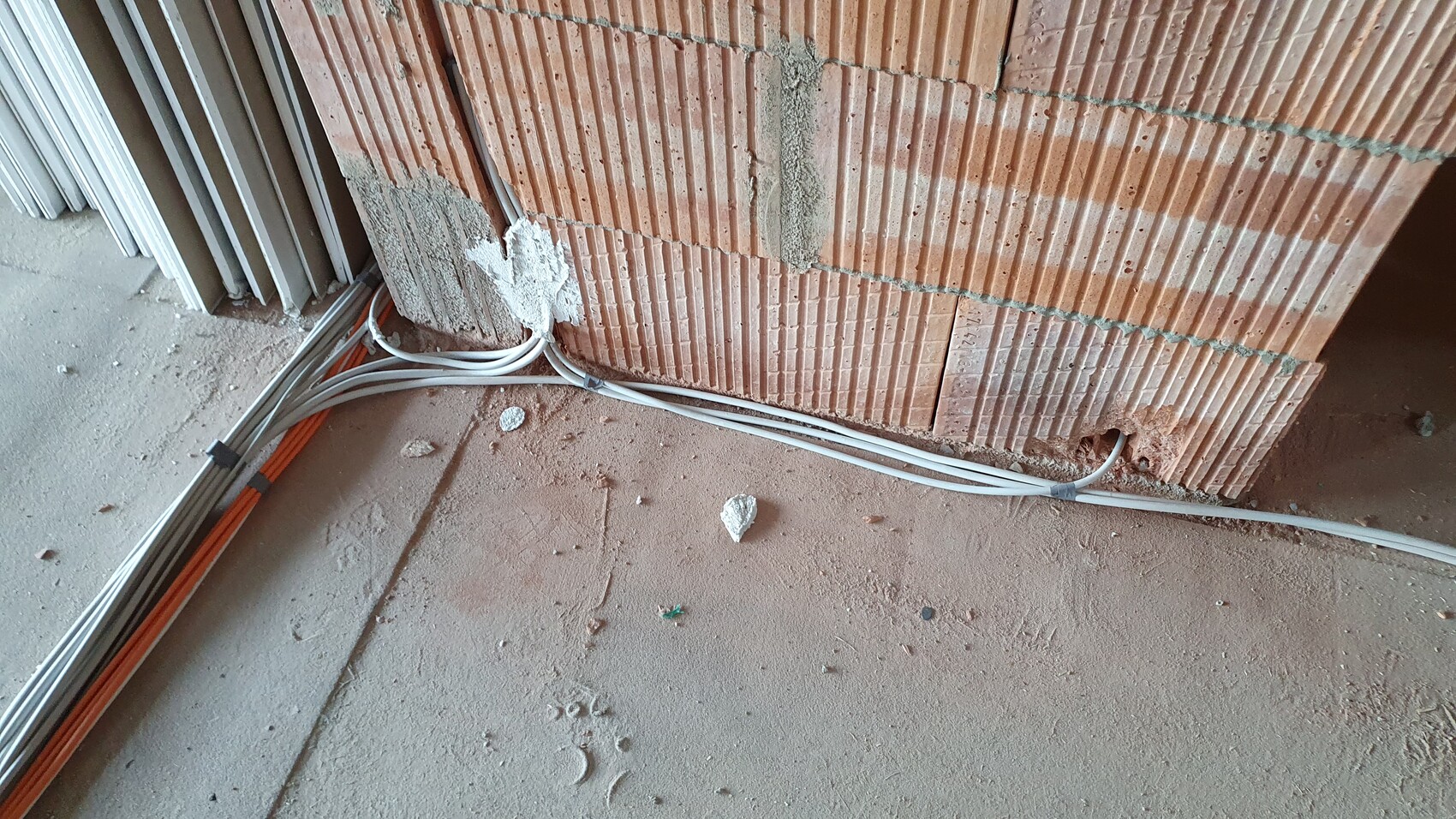
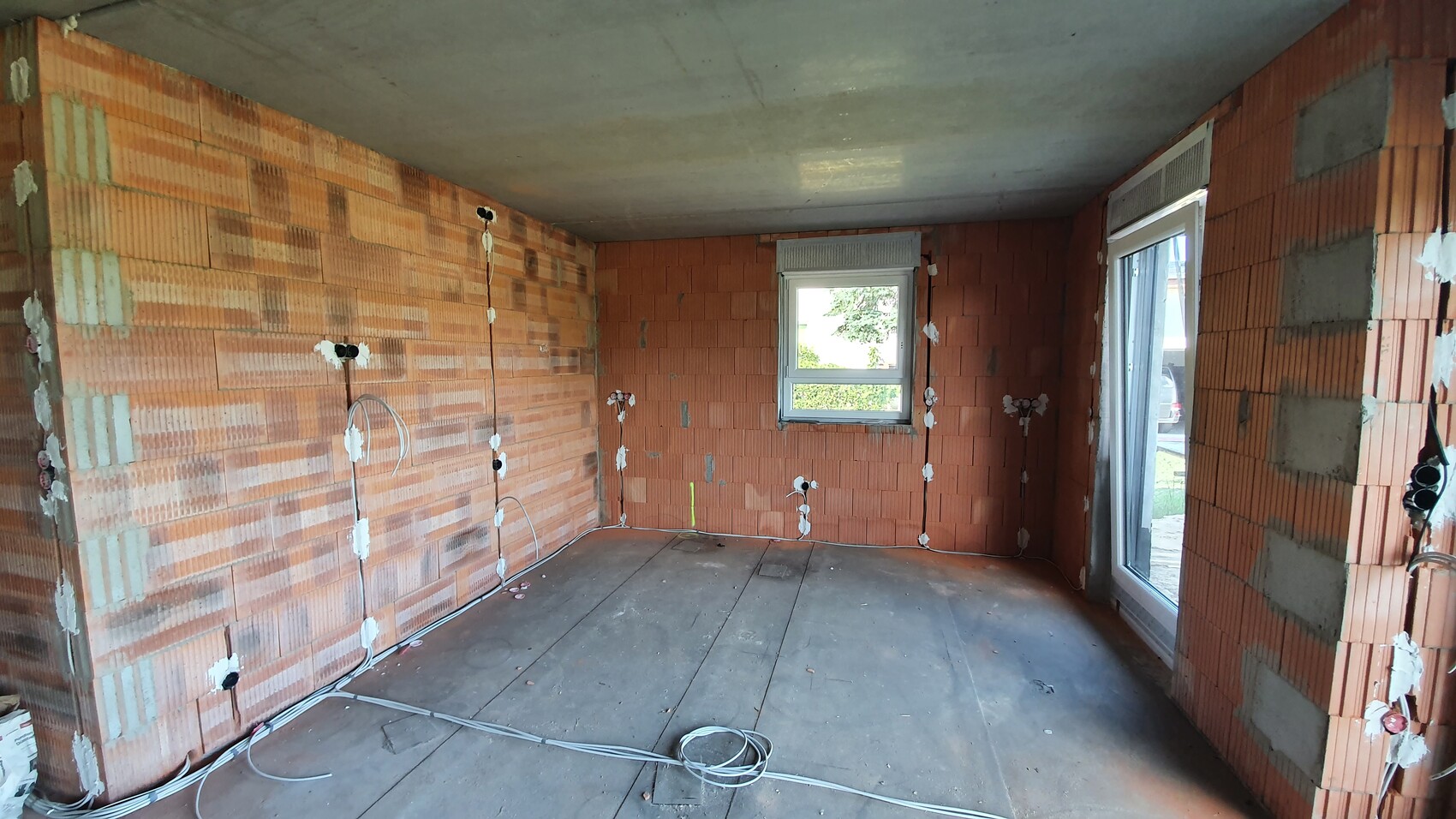
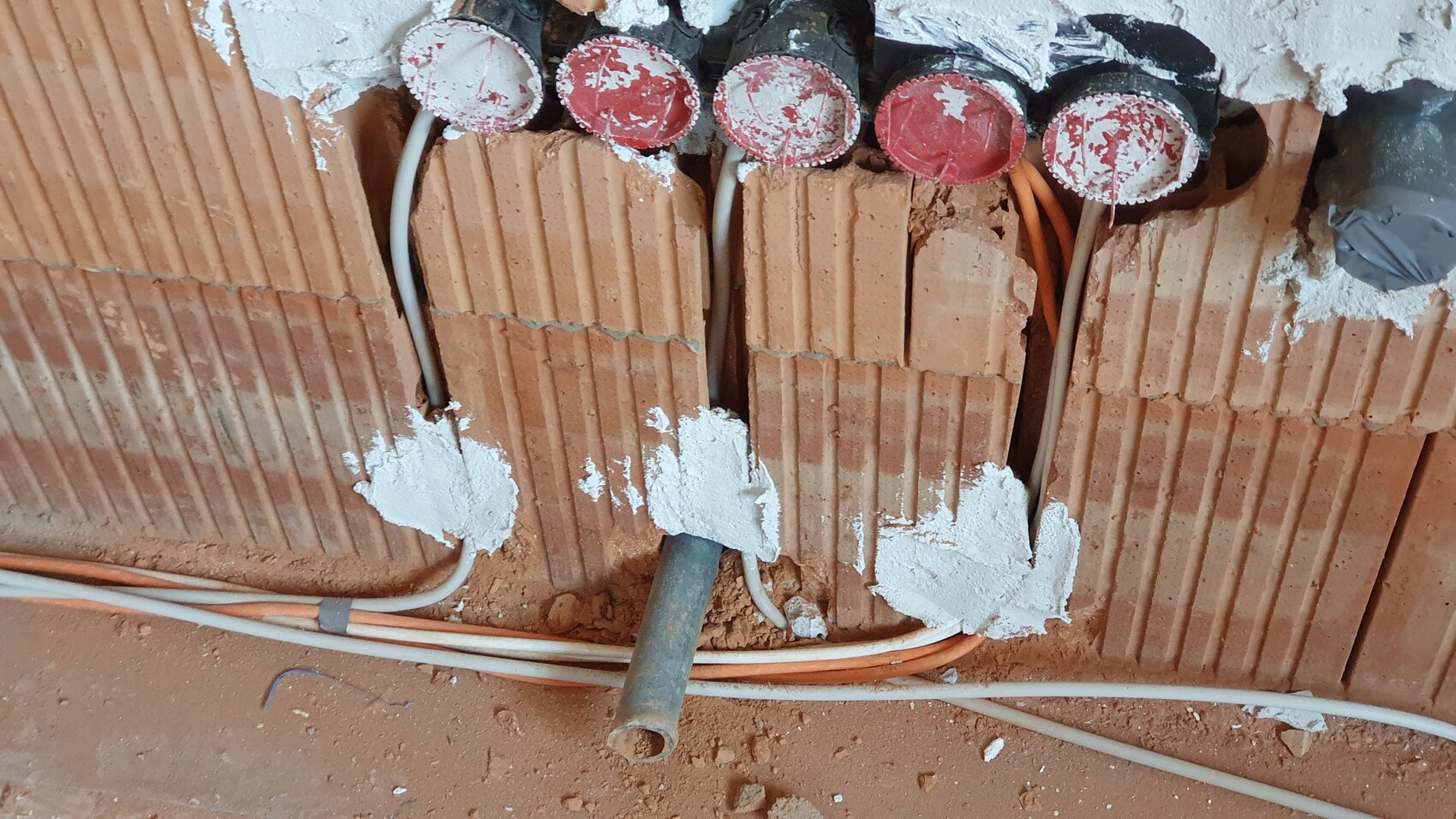
The electrician has been working on the electrical installation in our shell construction for three weeks now, progressing step by step. Beforehand, I discussed some of my requirements with him. Now that he is almost finished, I have some doubts about whether everything has been done correctly. Without criticizing anything upfront, I would like to ask you to take a look.
This is mainly about the method of installation, not about why there are so few outlets in certain places—that can be sorted separately.
Best regards,
Steffen
 dynaudio7928 Jun 2021 19:57
I have optimized this with a friend for now. It is not yet finalized.
The cables are very easy to pull through.
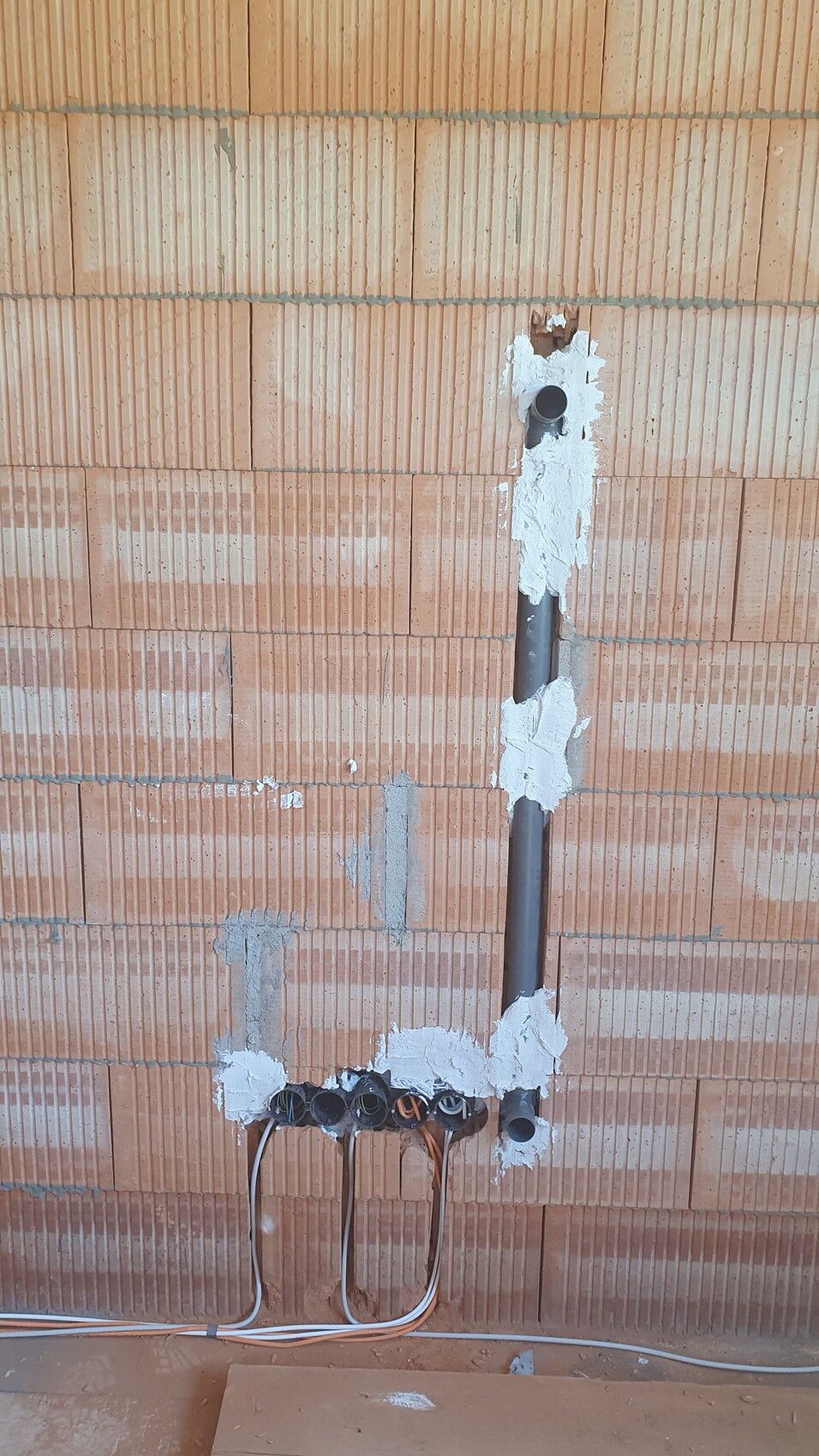
Attached are also a few pictures showing that the cables do not reach all the way into the electrical boxes. You don’t really need to understand why...
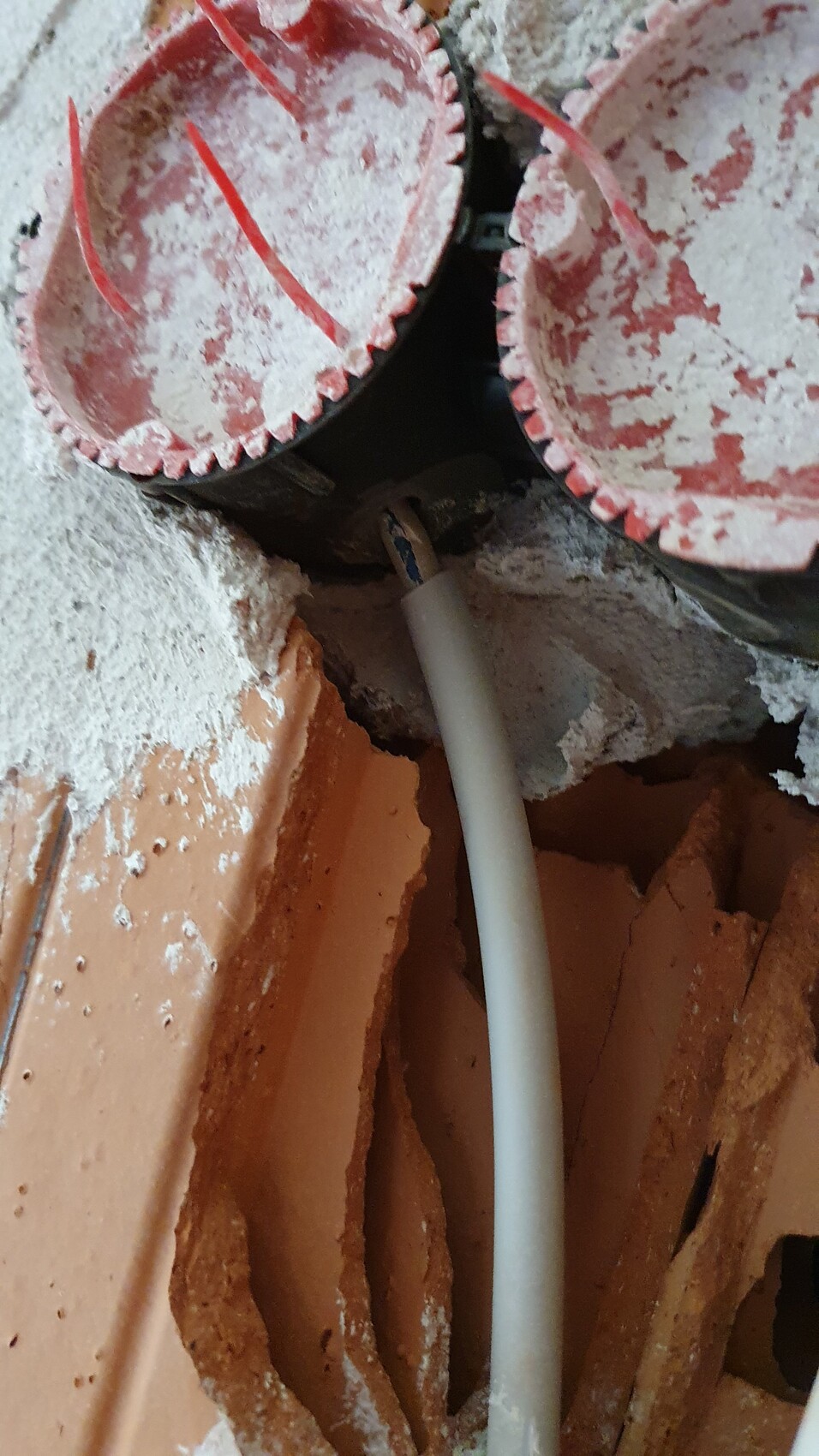
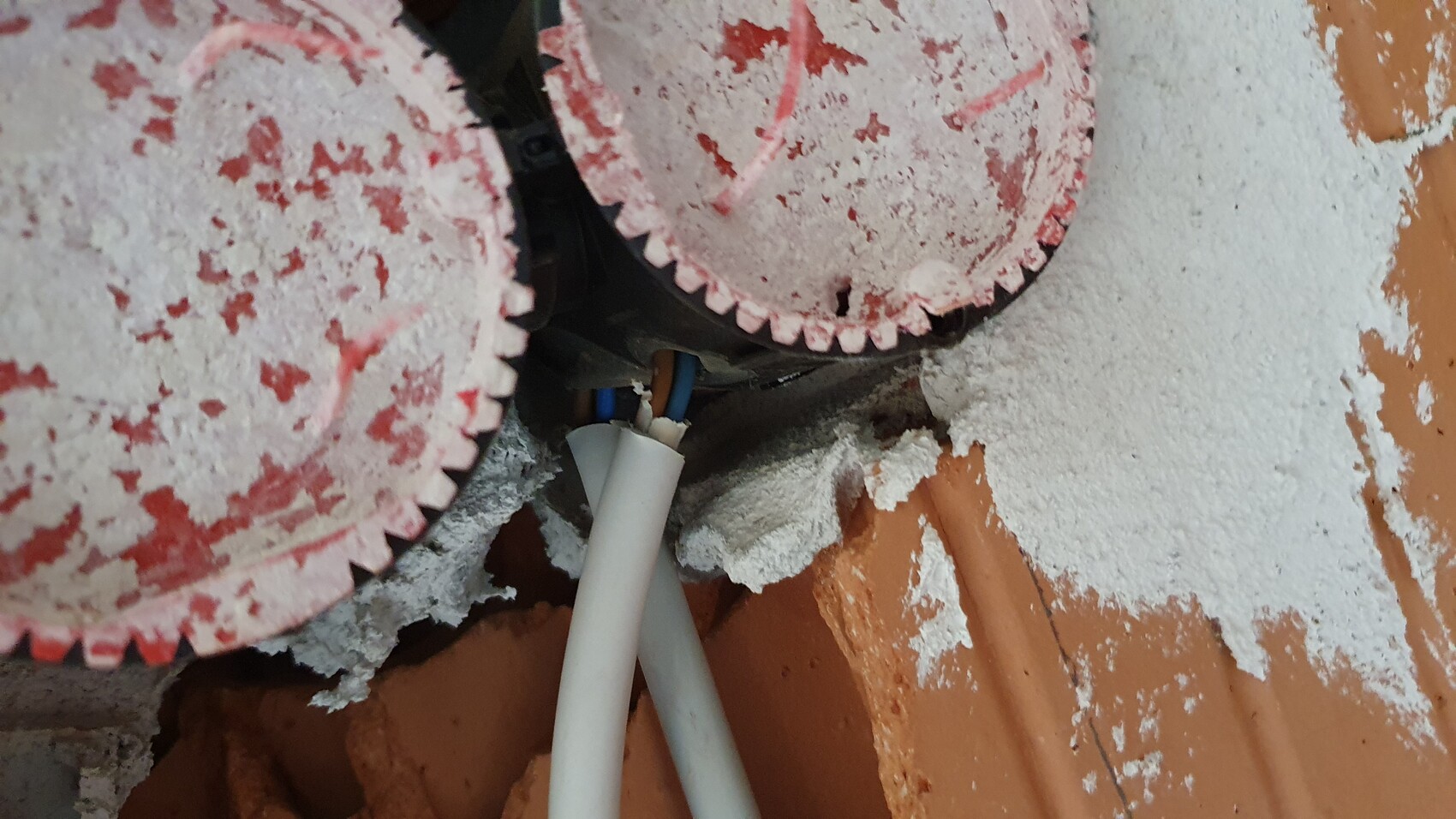
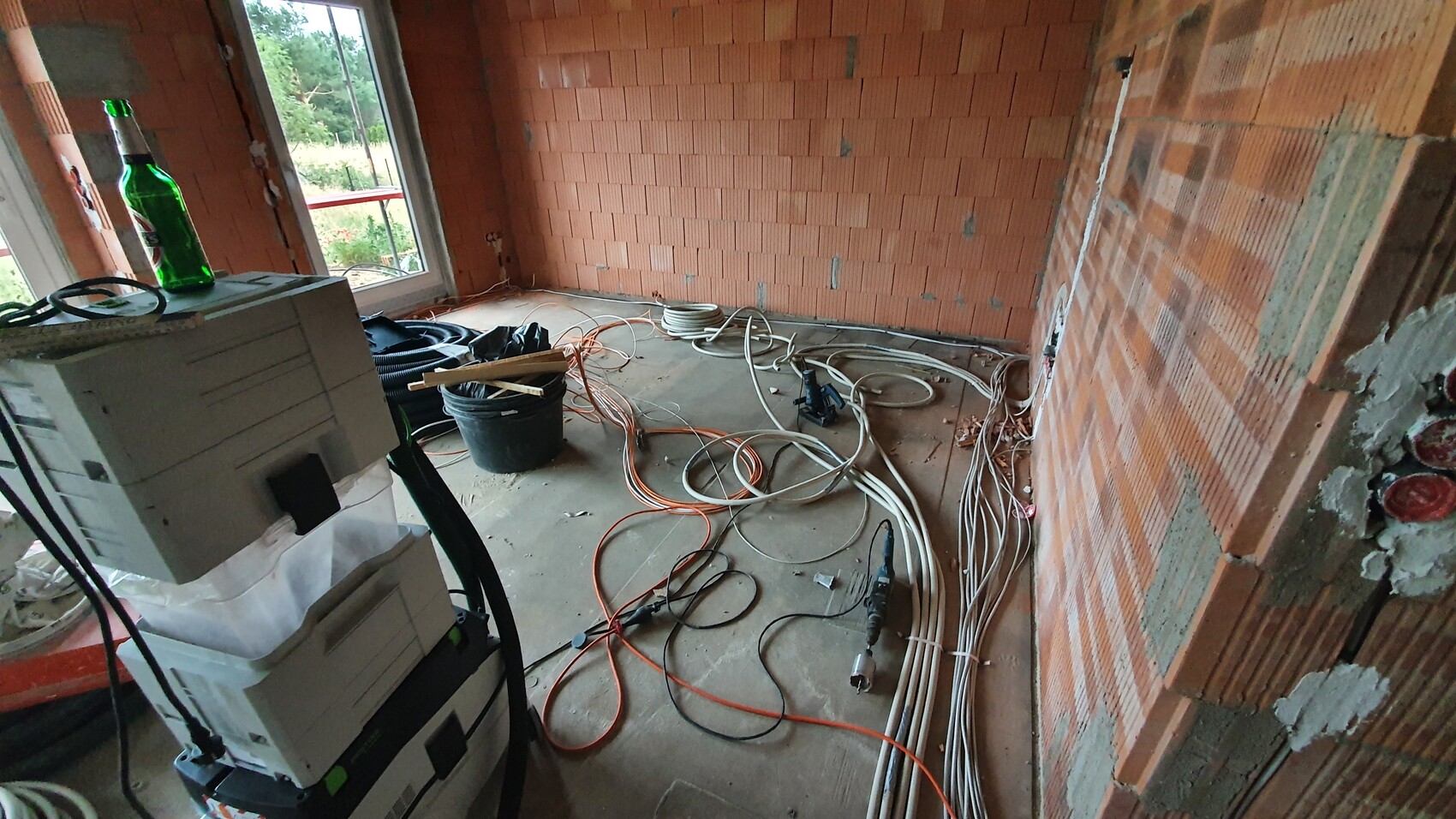
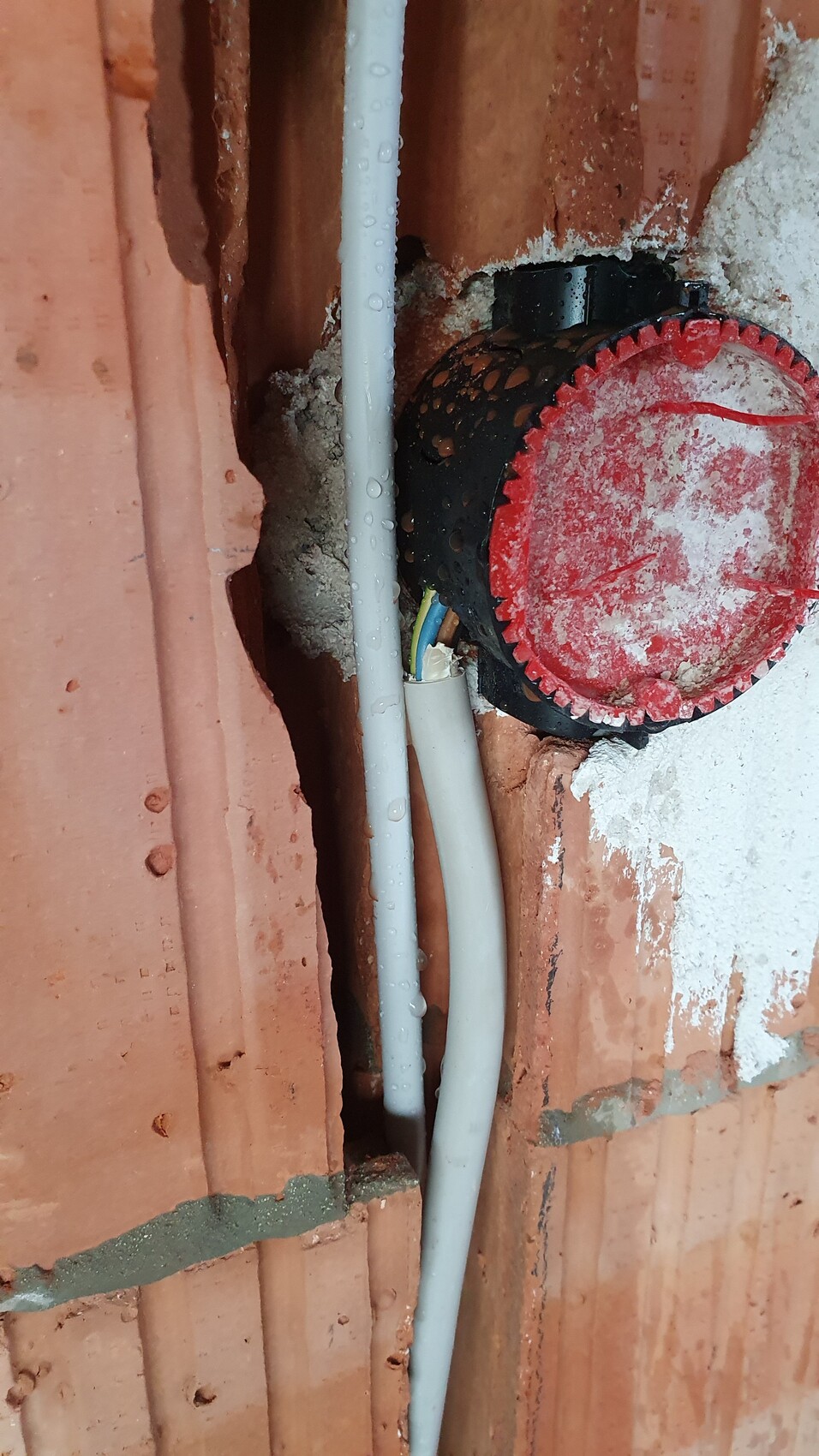
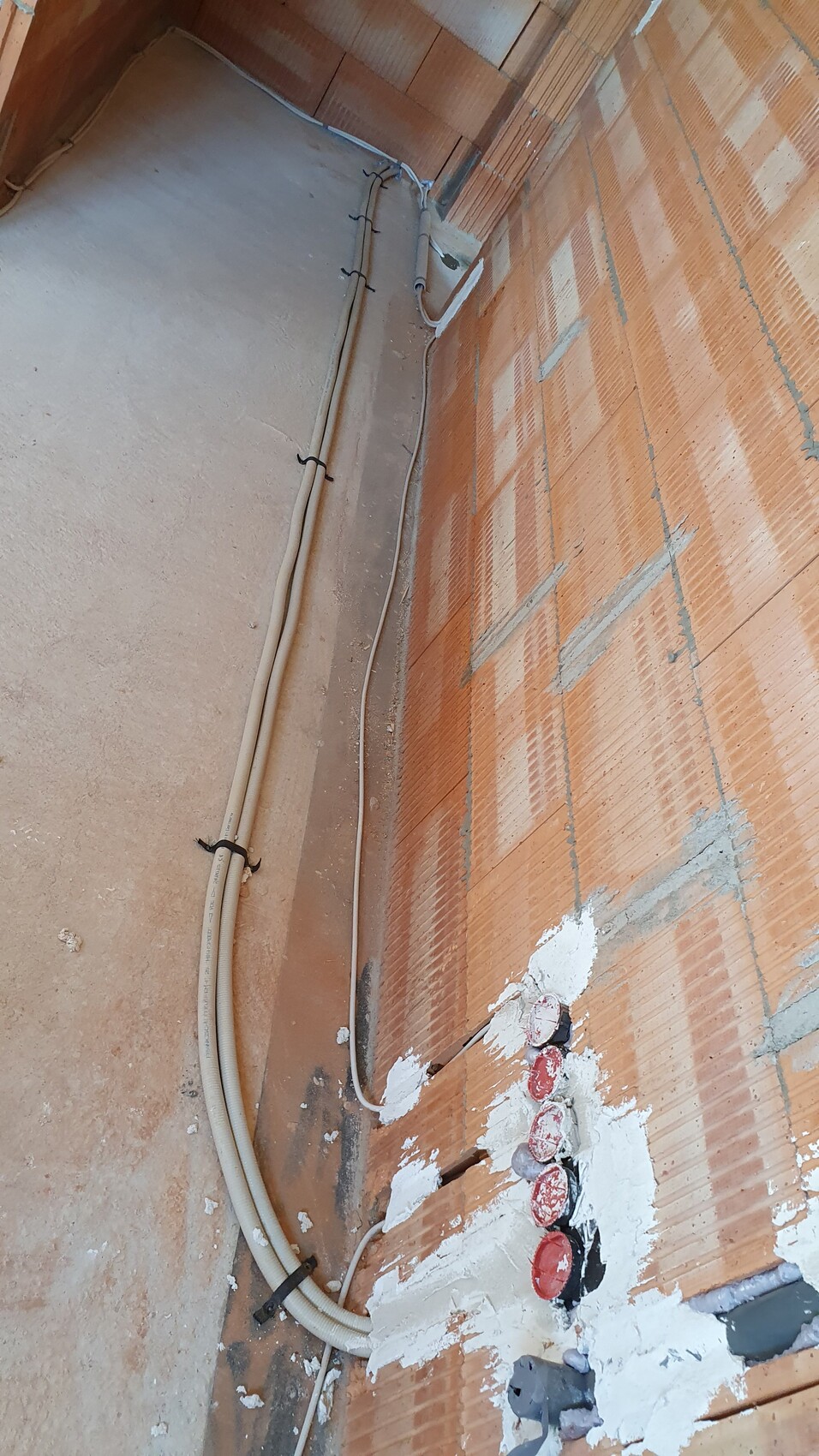
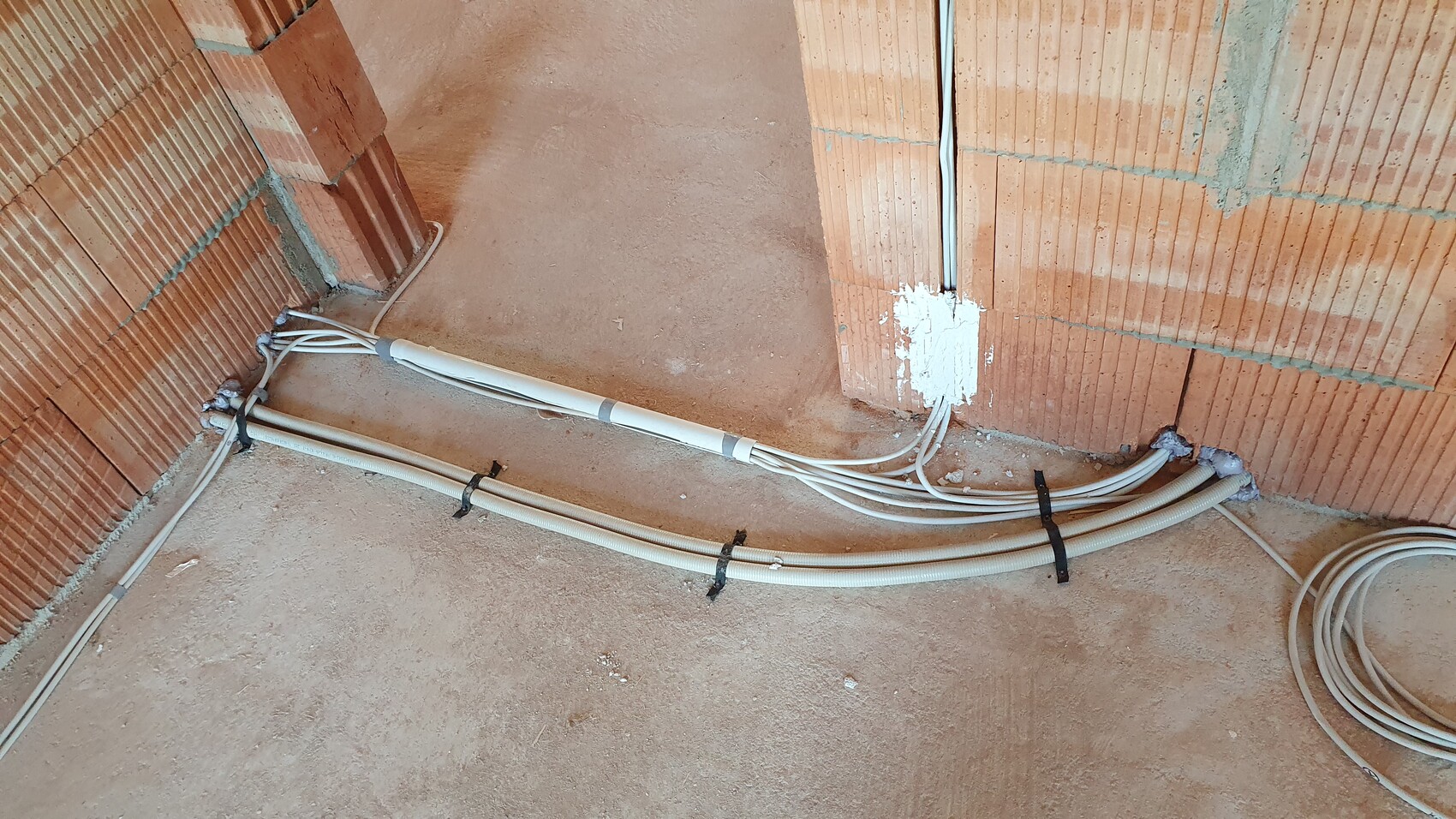
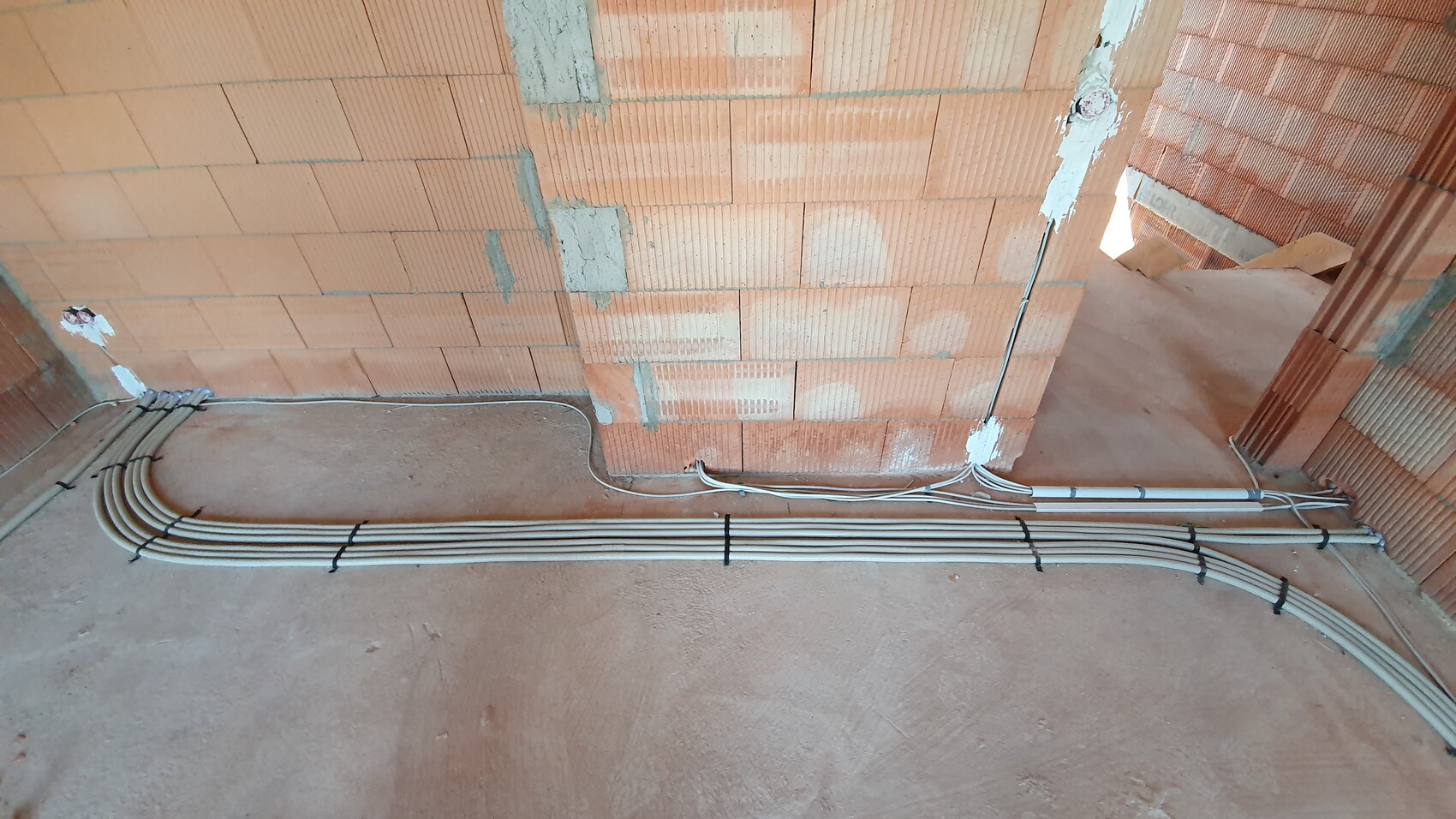

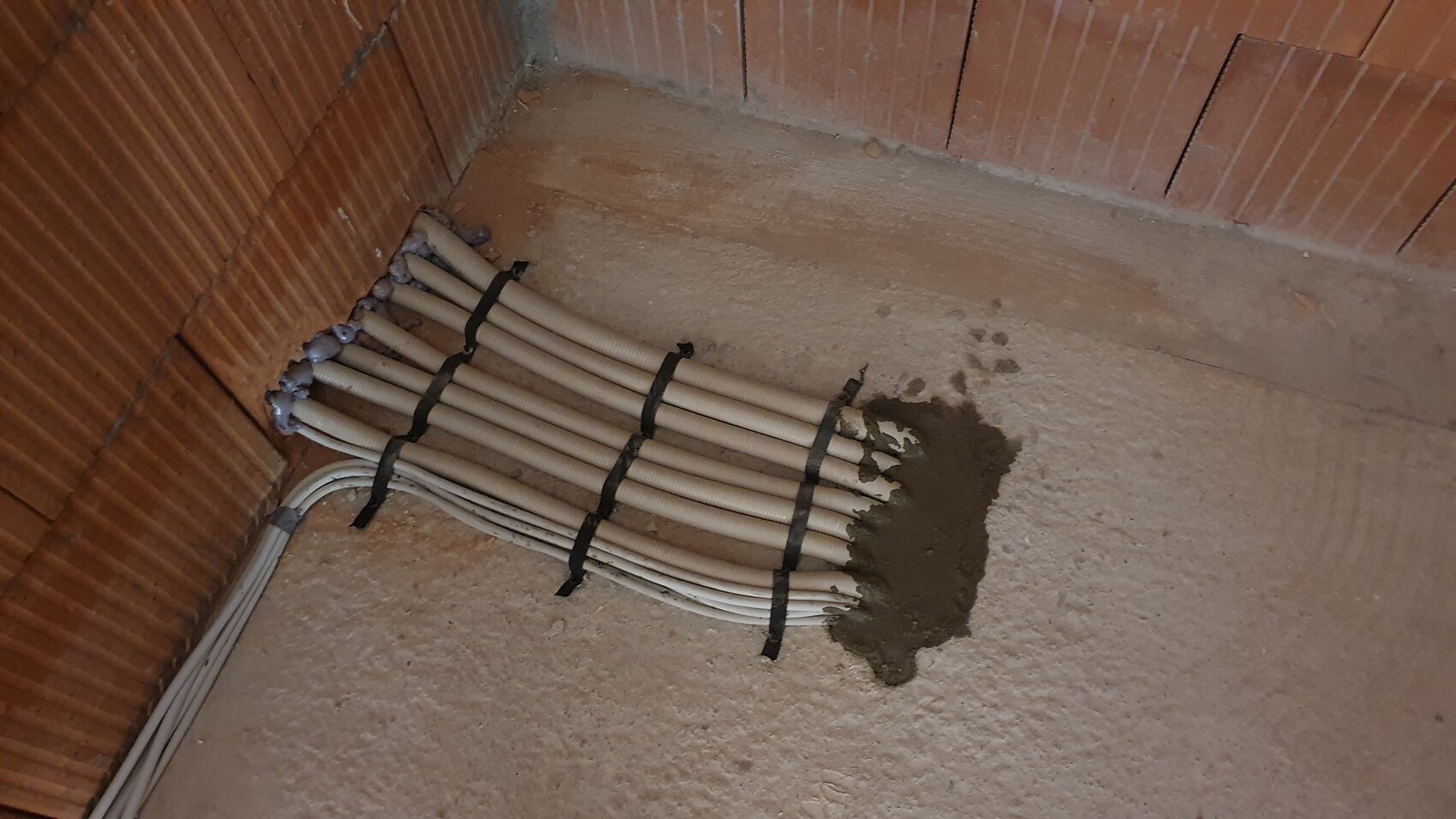
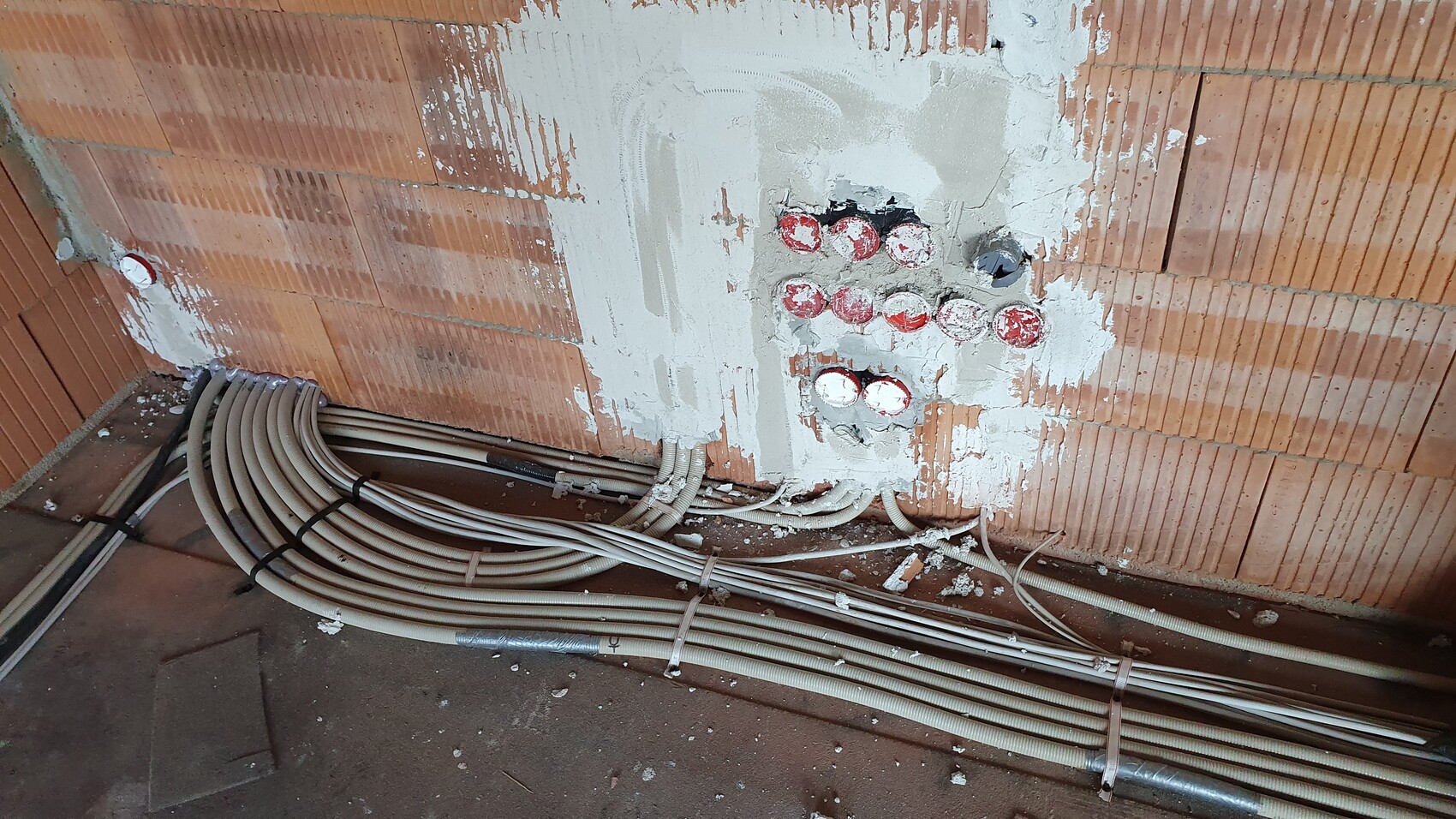
The cables are very easy to pull through.
Attached are also a few pictures showing that the cables do not reach all the way into the electrical boxes. You don’t really need to understand why...
I suspect the cables
They probably fit neatly at first, but were then pushed back by other cables.
And if something doesn’t work after all (such as data lines), the electrician is off the hook.
According to DIN and in everyday language, yes—but according to VDE standards, not for 20 years now.
dynaudio79 schrieb:
Here are also some pictures showing that the cables don’t reach all the way into the outlet box. You just can’t understand it...
They probably fit neatly at first, but were then pushed back by other cables.
dynaudio79 schrieb:
I optimized this together with a friend.
And if something doesn’t work after all (such as data lines), the electrician is off the hook.
dynaudio79 schrieb:
230v counts as high voltage.
According to DIN and in everyday language, yes—but according to VDE standards, not for 20 years now.
dynaudio7929 Jun 2021 09:11We only did this on the condition that we take no responsibility if something doesn’t work and that the electrician retains full warranty liability. He will inspect it afterwards, and that’s that. I’m not stupid.
We did not touch the electrical wiring. It has been like that from the beginning. The sheath of the cable must extend all the way into the junction box. This is mandatory according to construction supervision because gypsum plaster is corrosive. So we sealed everything with Rotband to protect those areas. He simply stripped too much insulation. That’s shoddy workmanship. Plain and simple.
We did not touch the electrical wiring. It has been like that from the beginning. The sheath of the cable must extend all the way into the junction box. This is mandatory according to construction supervision because gypsum plaster is corrosive. So we sealed everything with Rotband to protect those areas. He simply stripped too much insulation. That’s shoddy workmanship. Plain and simple.

dynaudio79 schrieb:
We only did this on the condition that we wouldn’t be held responsible if something didn’t work, and that the electrician kept full warranty liability. He will then do the final inspection, and that’s that. I’m not stupid.
We didn’t touch the power cables—they were like that from the start. The cable sheath has to go all the way into the junction box. This is mandatory according to the site supervisor because the plaster is corrosive. So, we sealed everything with joint compound to protect those areas. He simply stripped too much insulation off. That’s poor workmanship. Plain and simple. From what I know, the cables basically just hang out of the box or are coiled inside it (not stripped yet) and are only stripped inside the box after the shell construction phase using a tool like "JOKARI XL". That way, something like this can’t happen.
At least, that was the recommendation from our electrician (we’re doing it ourselves).
dynaudio7929 Jun 2021 09:59i_b_n_a_n schrieb:
As I understand it, the cables initially just hang loose out of the box or are coiled inside the box (not yet stripped), and are only stripped inside the box after the shell construction phase using a tool like the "JOKARI XL". This prevents such issues from happening.
At least, this was the recommendation from our electrician (we're doing it ourselves).That’s also how I know it.
Alternatively, you strip the cable and then run the wiring from the box to the distribution board or switch. That way, problems like this can be avoided.
In the end, it’s just sad that the work isn’t done properly and conscientiously. The time pressure is enormous and they have to cut costs everywhere. He was working alone and slowly installed everything over three weeks. That means he’s probably working on other houses at the same time. I find that crazy. Doing one project at a time would make much more sense. But if the boss wants it that way, there’s no choice.
You pay so much money and trust professional companies, yet you still have to check everything yourself, read up on it, and sometimes even complain. It’s just terrible.
N
nordanney29 Jun 2021 10:20dynaudio79 schrieb:
This is mandatory according to construction supervision since the gypsum plaster is aggressive. So we covered everything with Rotband to protect those areas.So you protect with gypsum plaster (= Rotband) against the plasterer's gypsum plaster? Works 😀Similar topics