
ᐅ Electrical Installation for a New Single-Family Home – Assessment and Suggestions
Created on: 19 Jun 2021 23:28
D
dynaudio79
Hello dear forum members,
The electrician has been working on the electrical installation in our shell construction for three weeks now, progressing step by step. Beforehand, I discussed some of my requirements with him. Now that he is almost finished, I have some doubts about whether everything has been done correctly. Without criticizing anything upfront, I would like to ask you to take a look.
This is mainly about the method of installation, not about why there are so few outlets in certain places—that can be sorted separately.
Best regards,
Steffen
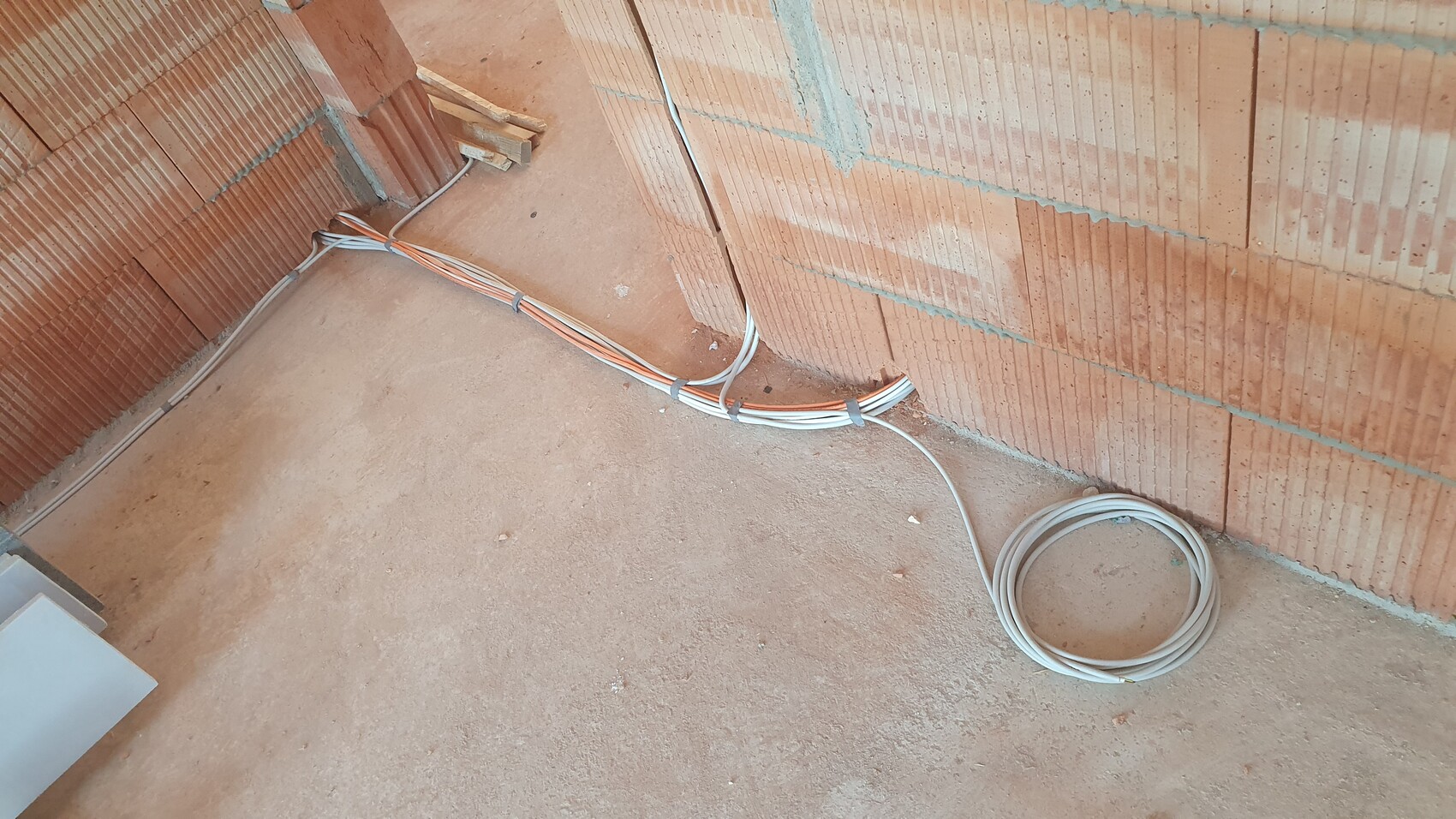
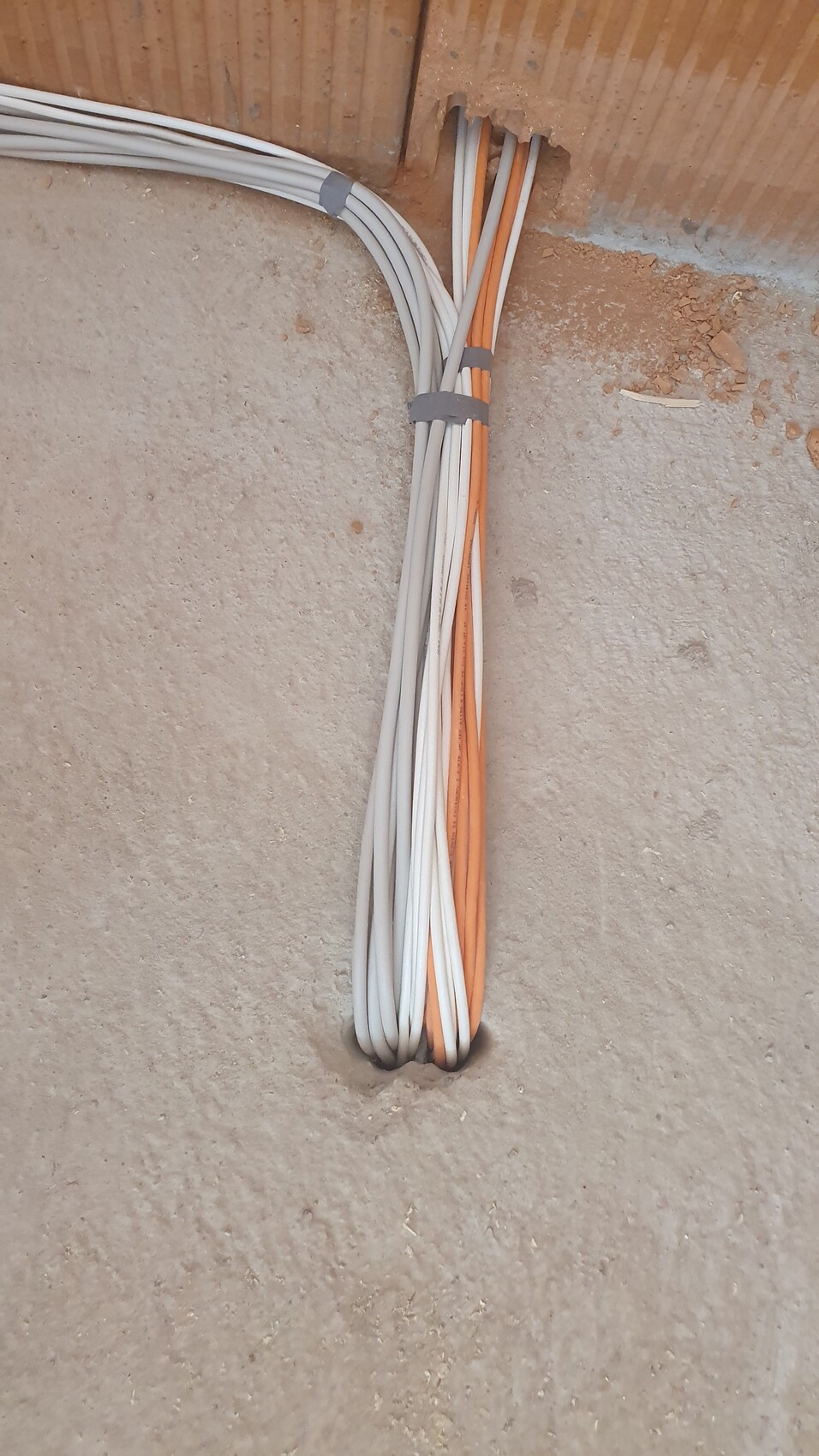
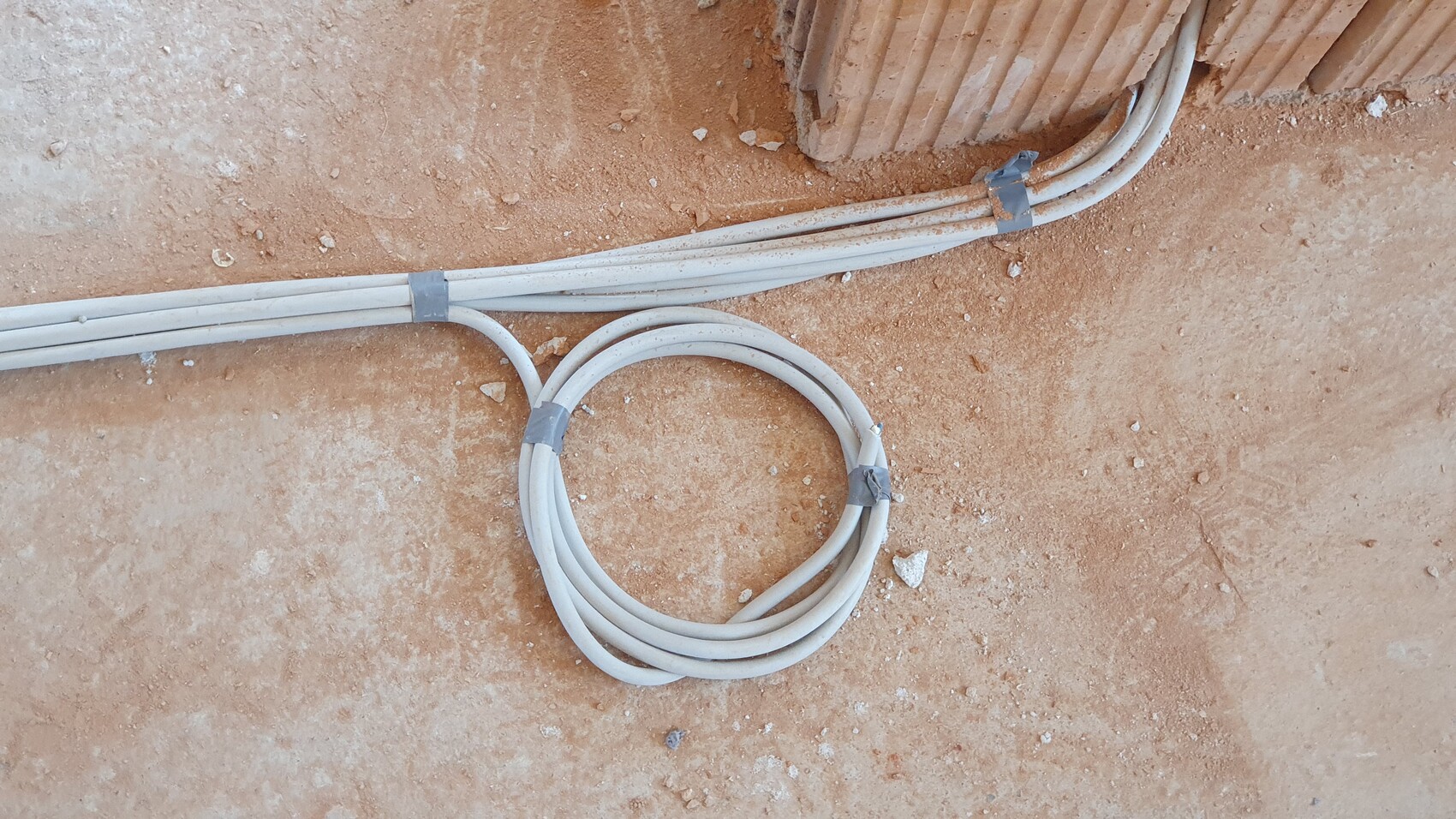
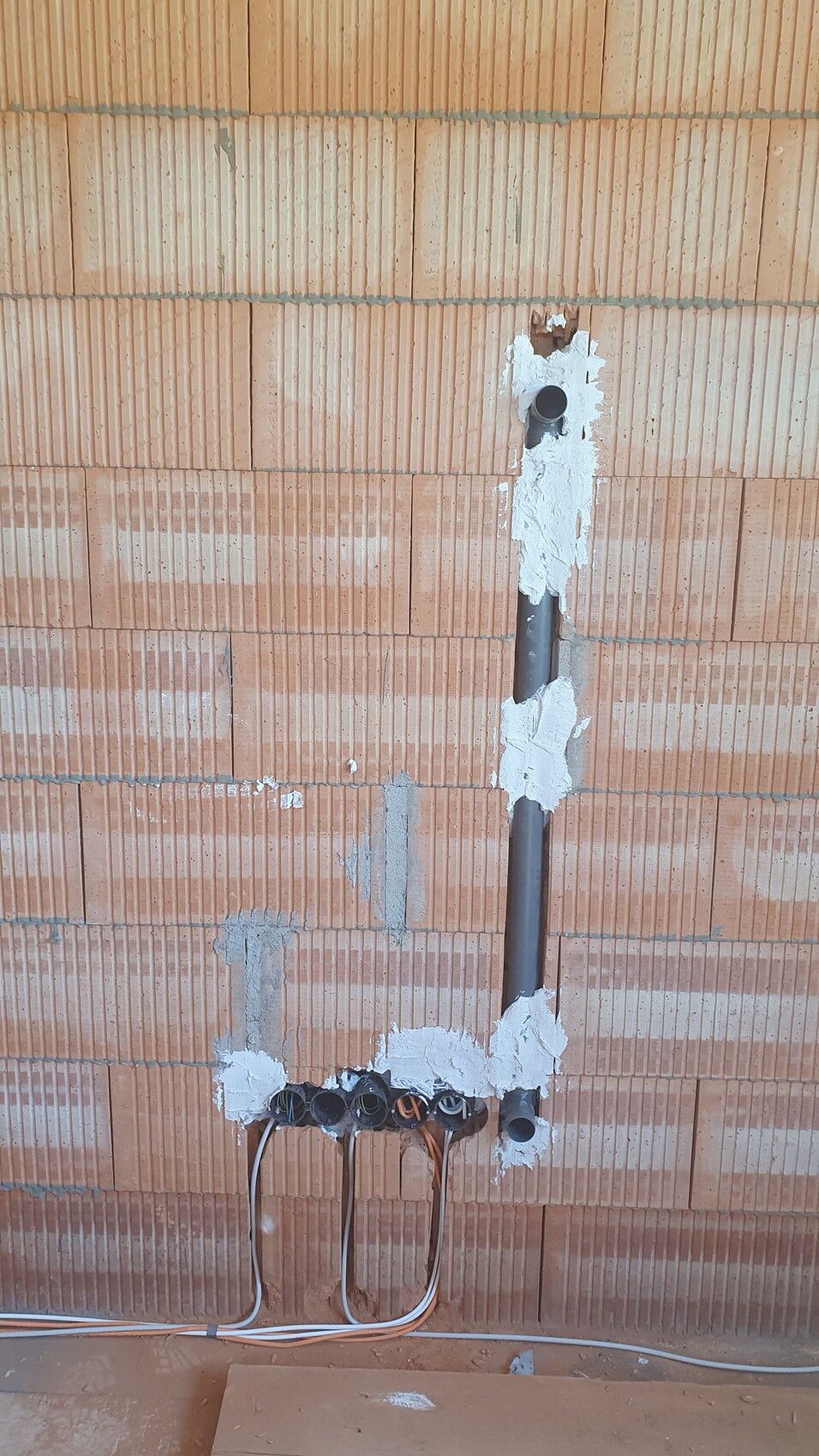
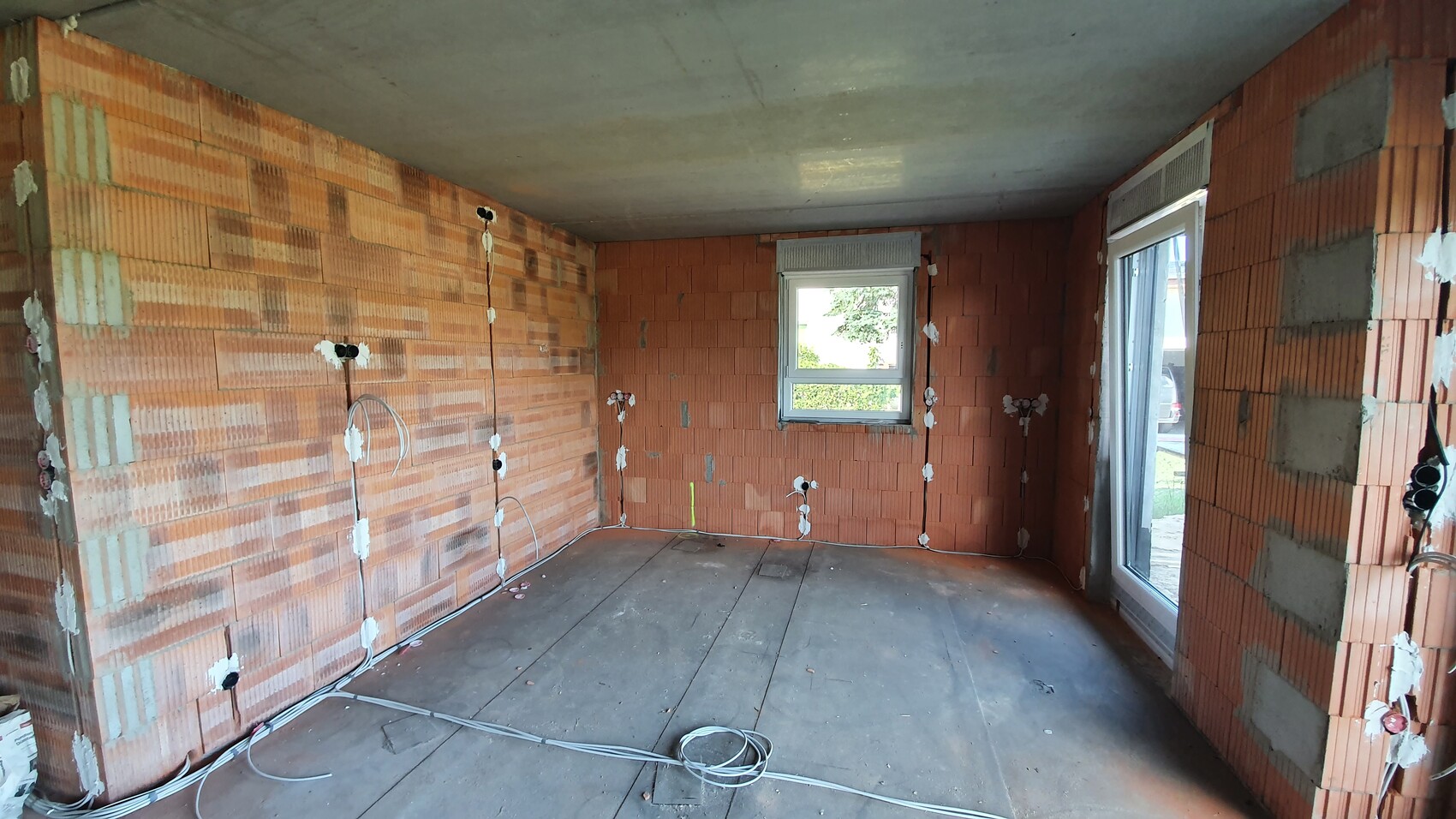
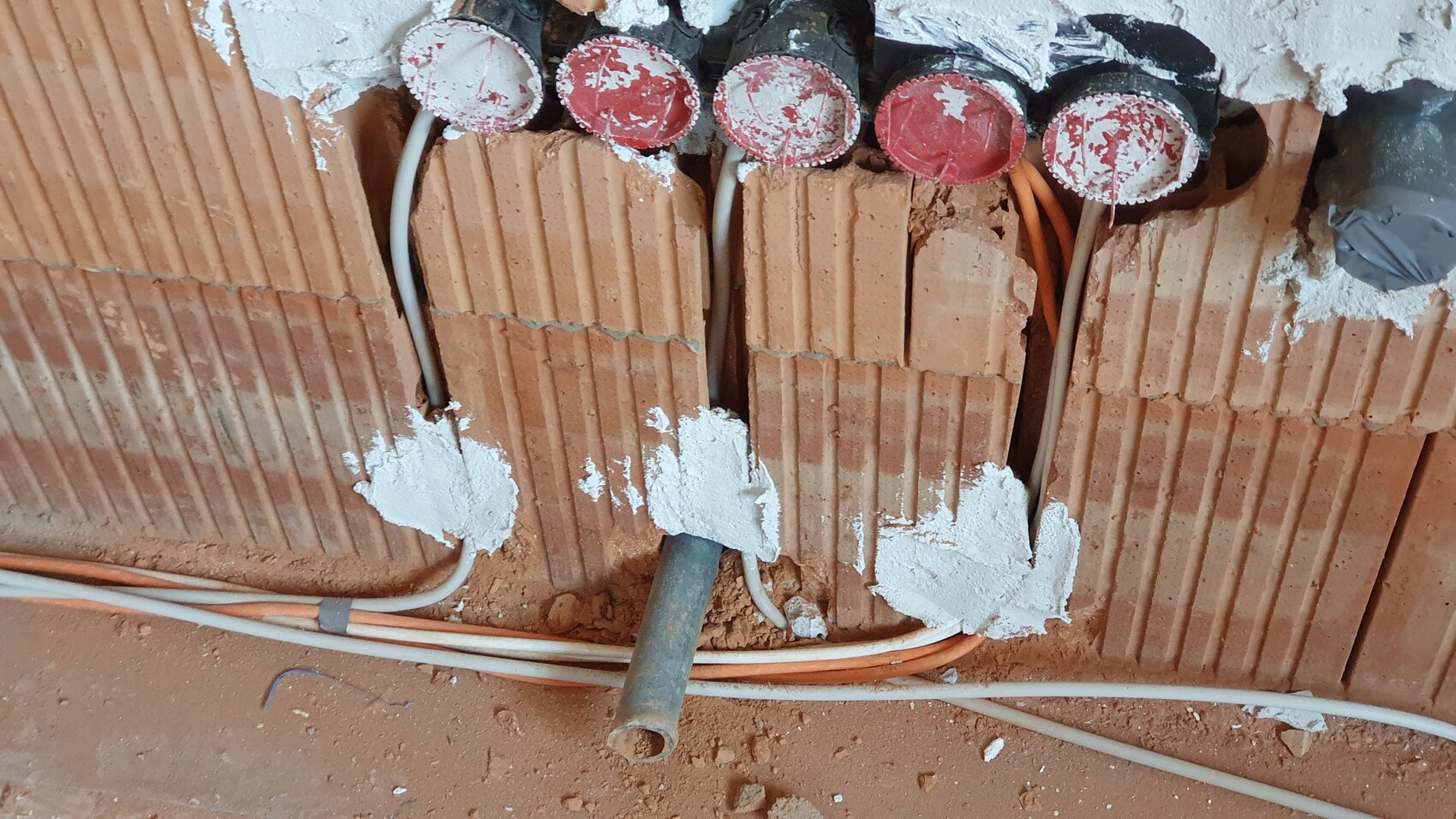
The electrician has been working on the electrical installation in our shell construction for three weeks now, progressing step by step. Beforehand, I discussed some of my requirements with him. Now that he is almost finished, I have some doubts about whether everything has been done correctly. Without criticizing anything upfront, I would like to ask you to take a look.
This is mainly about the method of installation, not about why there are so few outlets in certain places—that can be sorted separately.
Best regards,
Steffen
dynaudio79 schrieb:
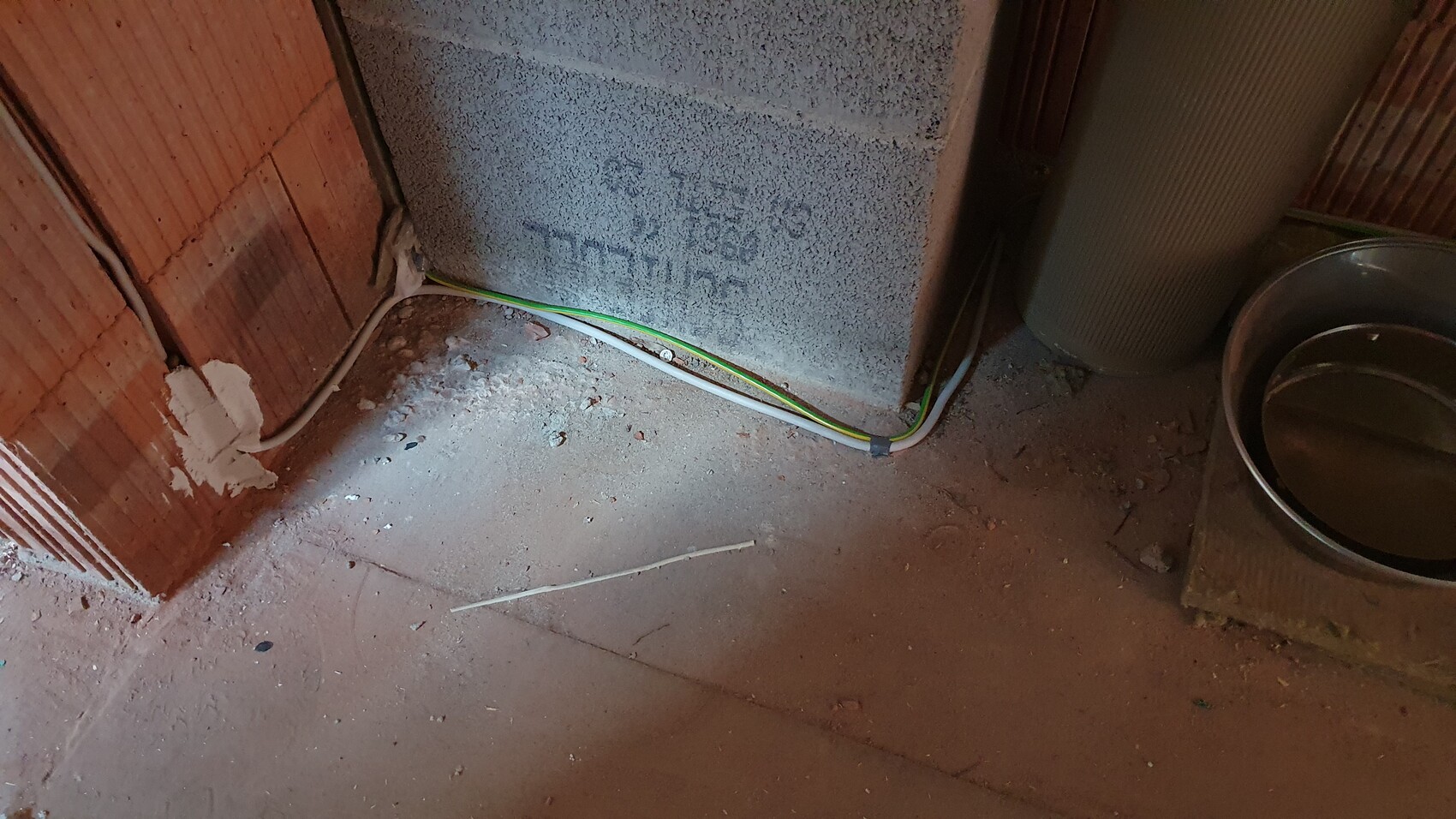
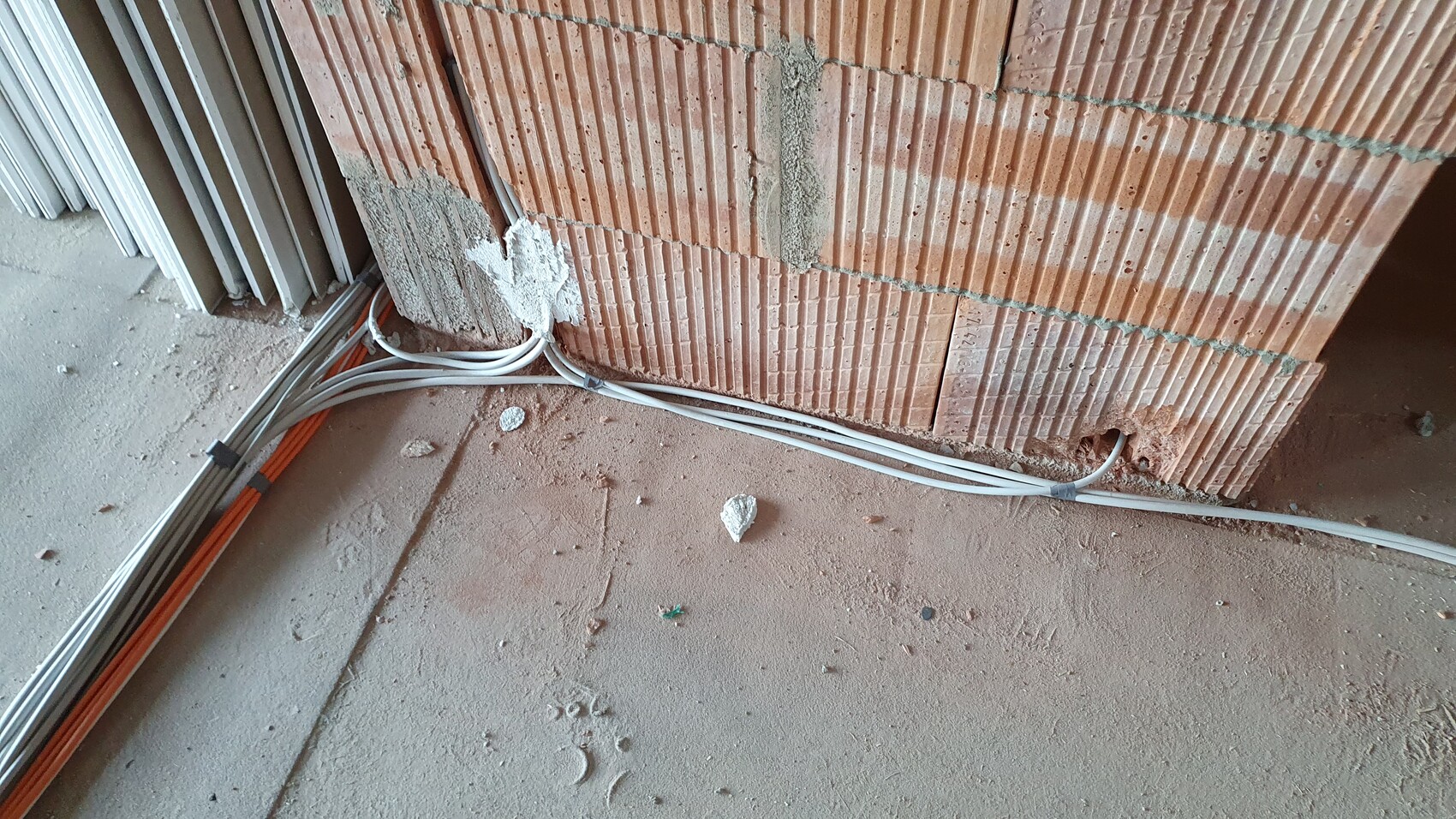
Communication cables were installed non-interchangeably and without distance from the power cables You won’t notice any difference. These aren’t really high-voltage power cables. The issue about being interchangeable is also somewhat theoretical versus practical. The work at your place is tidy. Having cables interchangeable would be nice because you can’t predict the future. It might be worth mentioning again, but it will definitely work like this.
dynaudio79 schrieb:
No cable conduits in the door areas What for? In hallway areas it makes sense because of increased traffic during construction, but it will be fine as long as a bit of care is taken.
dynaudio79 schrieb:
The minimum 15cm (6 inches) distance from the wall is not met I don’t have much professional experience with electrical work in house construction, but I did this myself. I was very precise about the measurements. In the end, the plumber wasn’t very happy because he had to cut his panels accordingly. If the cables lie right at the edge, it’s much easier for him... Again, theory versus practice... What’s the problem if they are against the wall? Because of the underfloor heating, you can’t drill into the floor anyway.
dynaudio79 schrieb:
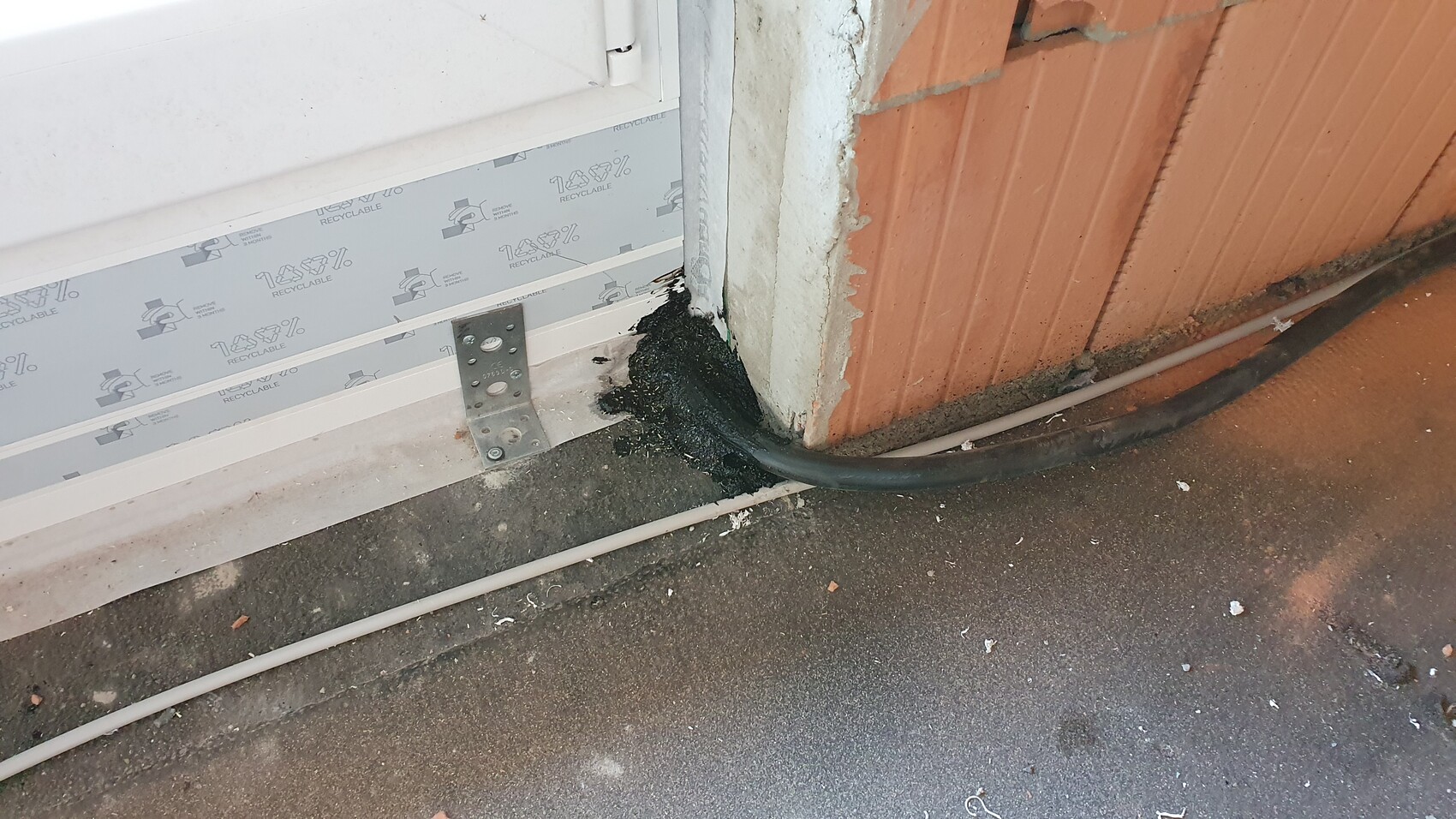
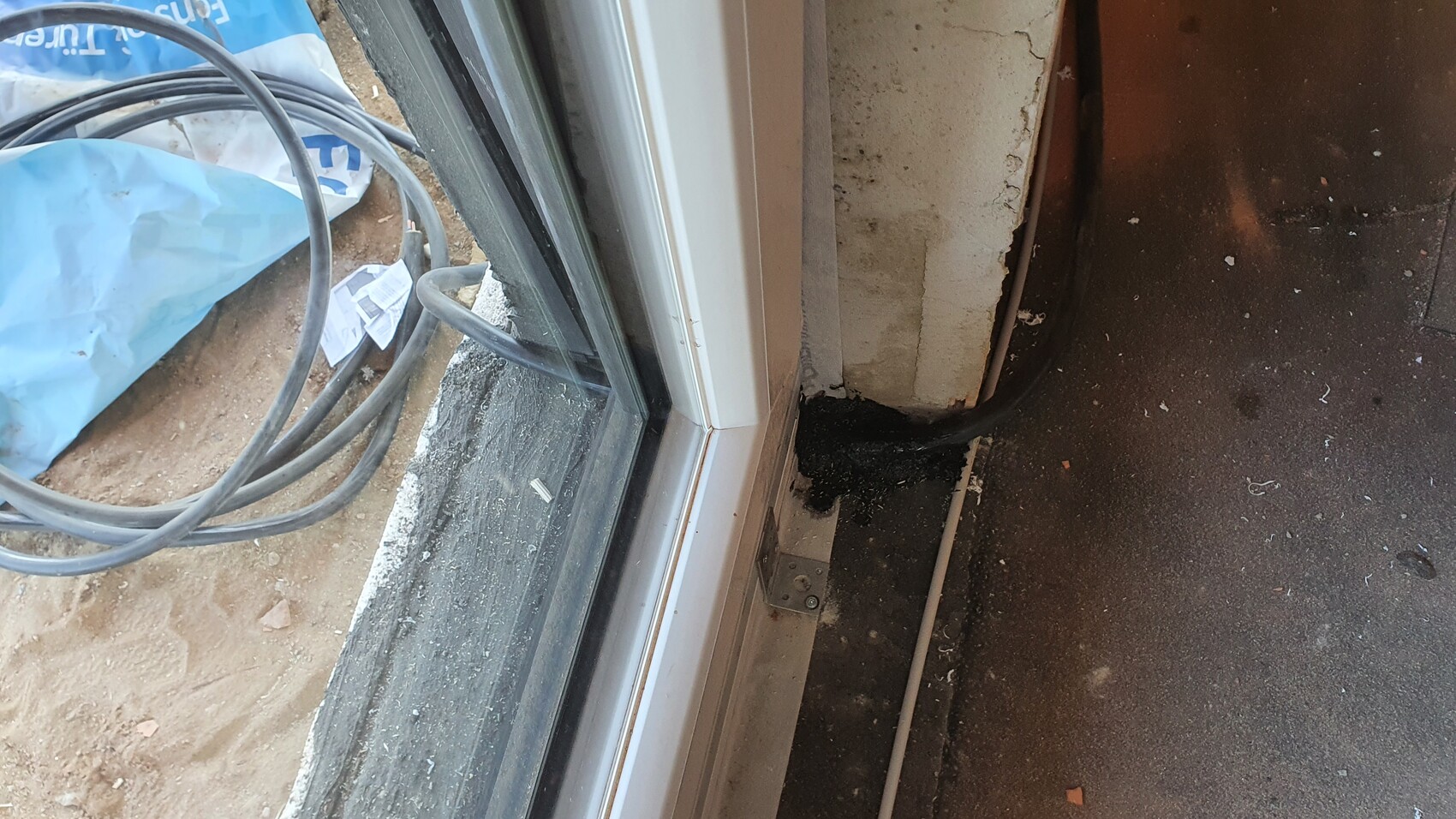
The cable passage under the window is definitely not permitted I wouldn’t be so sure about that. I know that all wastewater pipes are coated with bitumen to keep moisture away. On construction sites, I often see electricians just drilling diagonally through the slab and sealing the cables there. I actually haven’t seen it that close to a window before, but I doubt this is the first time the electrician has done it.
 dynaudio7920 Jun 2021 12:51
230V is considered heavy current.
Running a cable under a window, damaging its mounting (foam), and compromising its sealing with special tape strikes me as unprofessional. Why not simply route it through the wall or outside over the garage?
The 15cm (6 inches) distance from the wall is necessary to prevent the screed from cracking at the edges. If a thick bundle lies there, it creates a hollow space underneath, which can cause it to break. The same applies around doors, where expansion joints are always present. Having two cables there is no problem, but a bundle of cables can cause issues.
I just wonder why this isn’t done properly from the start while it is still possible. Since it’s a new build, there are no problems so far because everything is still accessible. Once the screed is in place, it's too late.

Running a cable under a window, damaging its mounting (foam), and compromising its sealing with special tape strikes me as unprofessional. Why not simply route it through the wall or outside over the garage?
The 15cm (6 inches) distance from the wall is necessary to prevent the screed from cracking at the edges. If a thick bundle lies there, it creates a hollow space underneath, which can cause it to break. The same applies around doors, where expansion joints are always present. Having two cables there is no problem, but a bundle of cables can cause issues.
I just wonder why this isn’t done properly from the start while it is still possible. Since it’s a new build, there are no problems so far because everything is still accessible. Once the screed is in place, it's too late.
dynaudio79 schrieb:
230v counts as high voltage. You may be correct by definition. However, you really won’t have electromagnetic fields here that cause interference. It was already mentioned that the data cable should actually be installed in a conduit. Still, very few people do that.
dynaudio79 schrieb:
Laying a cable under a window and damaging its mounting (foam) and sealing with special tape is unprofessional, in my opinion. Why doesn’t he just go through the wall or outside over the garage? The cable might be about 1cm (0.4 inches) in diameter. That won’t affect the window’s stability. As mentioned above, it was sealed. Drain pipes are sealed in the same way. So I maintain that this isn’t necessarily wrong. No idea, ask him? Going through the wall is probably not an option because the cable would then run exposed outside. He could have run it over the multi-utility lines, but that would probably have cost a few euros more, since he would have needed to go all around the house once.
dynaudio79 schrieb:
The 15cm (6 inches) distance from the wall is to prevent the screed from cracking at the edges. If there is such a thick bundle lying there, there will be voids underneath, and it can crack. The same applies to the areas near doors where expansion joints always are. Having two cables there is not an issue, but a bundle of cables is. I didn’t know that. Learned something new again.
dynaudio79 schrieb:
I just wonder why not do it properly right away while it’s still possible. It’s a new build and there won’t be any problems since everything is still open. Once the screed is in, it’s over. Money and time. Your points are generally valid. I just don’t understand why you let him work for three weeks, then come to a forum now with questions to confront him. The installation is basically finished. What was delivered corresponds to common practice—that has been told to you several times here. What you do with it now is your business.
dynaudio7920 Jun 2021 16:23Because the electrical inspection by my building supervisor was only accepted on Friday. Last week, the cables were still loose and not bundled. The cable box for the window was also only installed on Thursday. However, it should actually come out of the garage because it is for the garden shed. It should be a 5x10 cable.

In practice, no one (the following trades) cares where the cables are lying around. People just walk all over them. That’s why I would strongly recommend protective conduit, mainly for ease of replacement. I also believe the bending radii are sometimes smaller than the lowest common standards, especially for the data cables. I’m not going to measure though 😉 They will probably survive anyway, and the few extra dollars wouldn’t have hurt in my opinion (well, apparently they did).
When running power cables outside, it also depends on what will be installed outdoors (how high the fill will be). I don’t think routing a 5x10 mm² (5x0.02 inch²) cable from the floor entry profile is optimal either.
And tell me, there are semi-automatic cable tie guns— is it really less work to bundle cables together with electrical tape?
When running power cables outside, it also depends on what will be installed outdoors (how high the fill will be). I don’t think routing a 5x10 mm² (5x0.02 inch²) cable from the floor entry profile is optimal either.
And tell me, there are semi-automatic cable tie guns— is it really less work to bundle cables together with electrical tape?
All in all, I think the installation was carried out neatly.
No empty conduits = a pity... but it doesn’t really matter because you probably wouldn’t be able to replace them anyway (the bends in the routing have already been pointed out). If you want to make it replaceable, be prepared to spend a few thousand more euros and have underfloor channels installed with floor boxes at all important points so you can properly pull new cables if needed.
Running network cables alongside 230V power cables is not ideal but also not a problem; you won’t notice any difference.
The only thing I would reject is the NYY-J cables under the window.
Two more remarks, as they are unfortunately often forgotten (especially by homeowners):
1. You get what you pay for 😉 (especially homeowners, I felt the same)
2. DIN standards are not laws or regulations; they are recommendations. Otherwise, we would all be offenders, since there are DIN standards for virtually everything and everyone.
No empty conduits = a pity... but it doesn’t really matter because you probably wouldn’t be able to replace them anyway (the bends in the routing have already been pointed out). If you want to make it replaceable, be prepared to spend a few thousand more euros and have underfloor channels installed with floor boxes at all important points so you can properly pull new cables if needed.
Running network cables alongside 230V power cables is not ideal but also not a problem; you won’t notice any difference.
The only thing I would reject is the NYY-J cables under the window.
Two more remarks, as they are unfortunately often forgotten (especially by homeowners):
1. You get what you pay for 😉 (especially homeowners, I felt the same)
2. DIN standards are not laws or regulations; they are recommendations. Otherwise, we would all be offenders, since there are DIN standards for virtually everything and everyone.
Similar topics