
Hello forum, in the ceiling of the new house there are halogen spotlights. The entire wiring is not visible. Behind each spotlight, however, there is a transformer (see picture). Two cables come out of the ceiling at each transformer, each serving as neutral (N) and live (L) – on the other side, the spotlight is connected. If I want to replace the halogen spotlights with LED spotlights, what would I need to do? Is this even possible when only the cables at the openings are visible, or could there be additional electrical installations behind the suspended ceiling that I should be aware of? Can I simply use 220V LED bulbs with the same base and connect them directly to the cables coming from the ceiling?
Thank you and best regards, Ashley
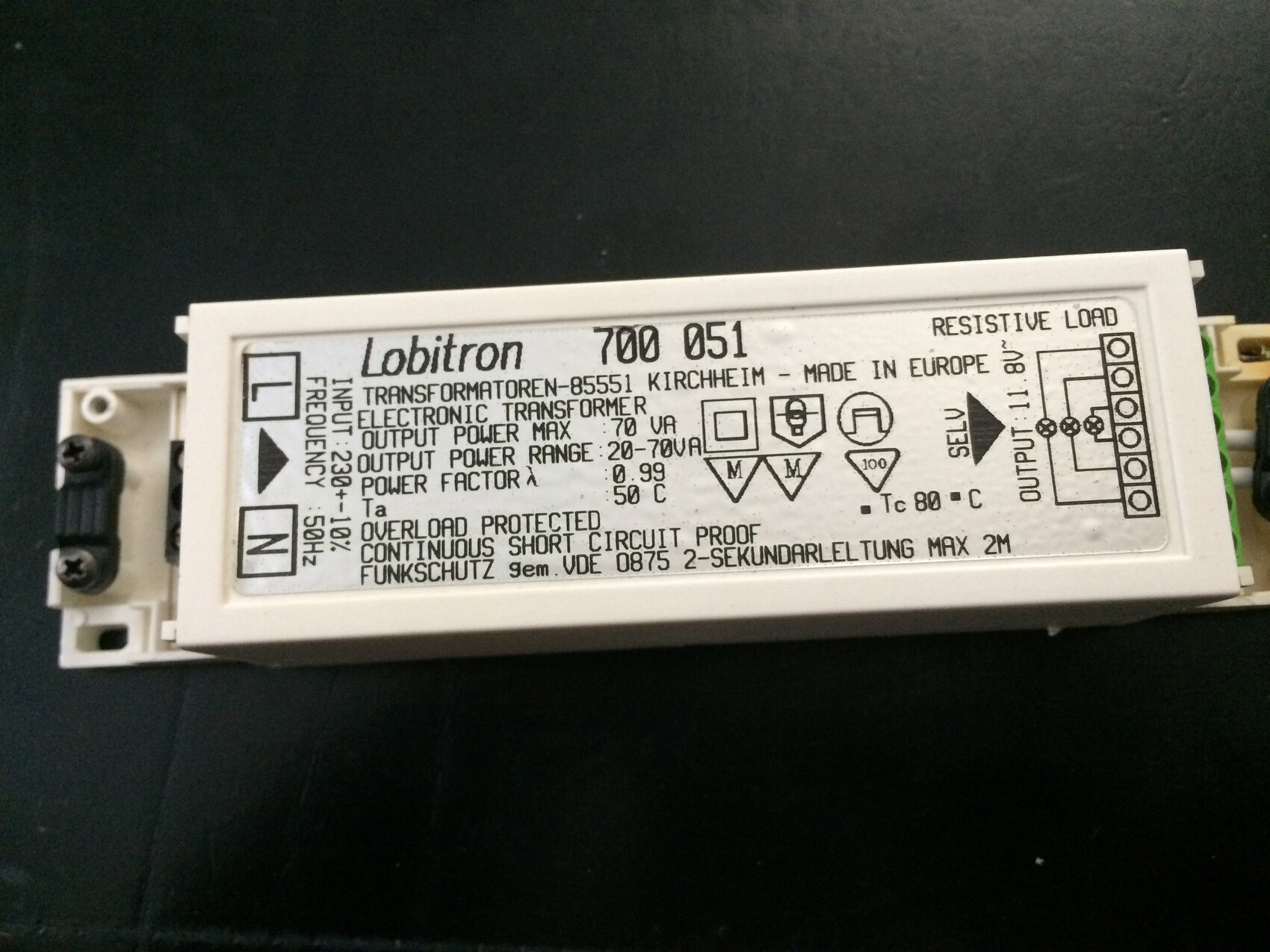
Thank you and best regards, Ashley
...my question is whether I can simply remove the transformers and use 220V LED spots, or if they should be operated as 12V LEDs with the shown transformer. I would prefer to connect 220V LEDs directly to the cables coming from the ceiling. Is this electrically acceptable? Or is there possibly more electrical wiring behind the ceiling that would make this impossible? Or are there good reasons to connect 12V LEDs to the transformers (the problem here is that some transformers seem to be defective because those lamps don’t light up. So I would also need to buy new transformers in that case)? Regards, ashley
Hello Ashley, the picture of the transformer is now visible; when I wrote my post, there was only something like IMGxxx.
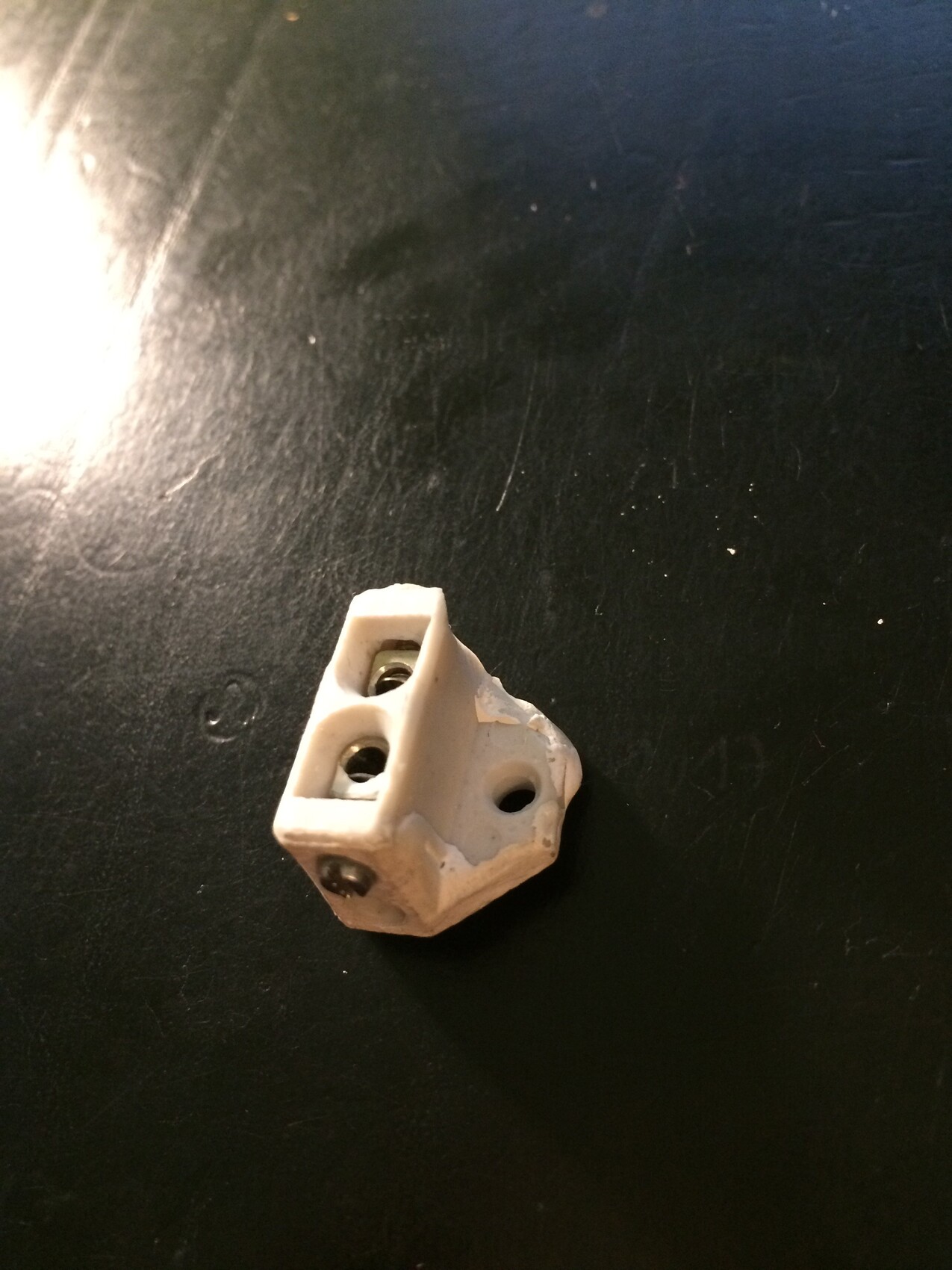
Now, regarding your problem: it’s not certain whether the current sockets are approved for 230V. So far, they have only been used with 12V. You could of course supply other sockets directly with 230V, but then the issue will be the required space. Maybe first take a picture of the socket so we can get an idea. Also, please mention how much space is available above.
Now, regarding your problem: it’s not certain whether the current sockets are approved for 230V. So far, they have only been used with 12V. You could of course supply other sockets directly with 230V, but then the issue will be the required space. Maybe first take a picture of the socket so we can get an idea. Also, please mention how much space is available above.

That’s not entirely correct, Mycraft. The heat is caused by the current, which is higher at 12V than at 230V, at least with the same power. But you are right about the socket. I just didn’t want to say it so directly, partly because someone might then put 12V bulbs into a 230V socket. The result is usually negative.
Hello, thanks for your responses. Attached is a photo of the socket. However, I can hardly find any GU5.3 220 V sockets online. Only lamps with this base seem to be available. Does that make sense? Anyway, do you think this socket could work with a 220 V LED? There is enough space in the ceiling since the large transformer was installed there before. Or would it be better to use 12 V LEDs and invest in transformers again? Regards, ashley
Soroka schrieb:
That’s not entirely correctSplitting hairs.
@ashley
You should always install products designed specifically for your intended purpose...
Want LEDs? Then use proper LED bulbs with an external driver. Want 230V? Then use halogen, compact fluorescent lamps, or something else.
230V LEDs in E14, E27, GU10 sockets, etc., are more of a compromise to satisfy the mass market...
Similar topics