
ᐅ Waterproofing of floor-to-ceiling windows and doors installed below brick cladding?
Created on: 17 Feb 2024 17:47
R
raffti_gerR
raffti_ger17 Feb 2024 17:47Hello dear housebuilding forum,
Unfortunately, our general contractor (GC) has also been affected and informed us that they will probably have to file for insolvency. There are still some outstanding tasks at the construction site, but we are already living in the house. Just a quick heads-up...
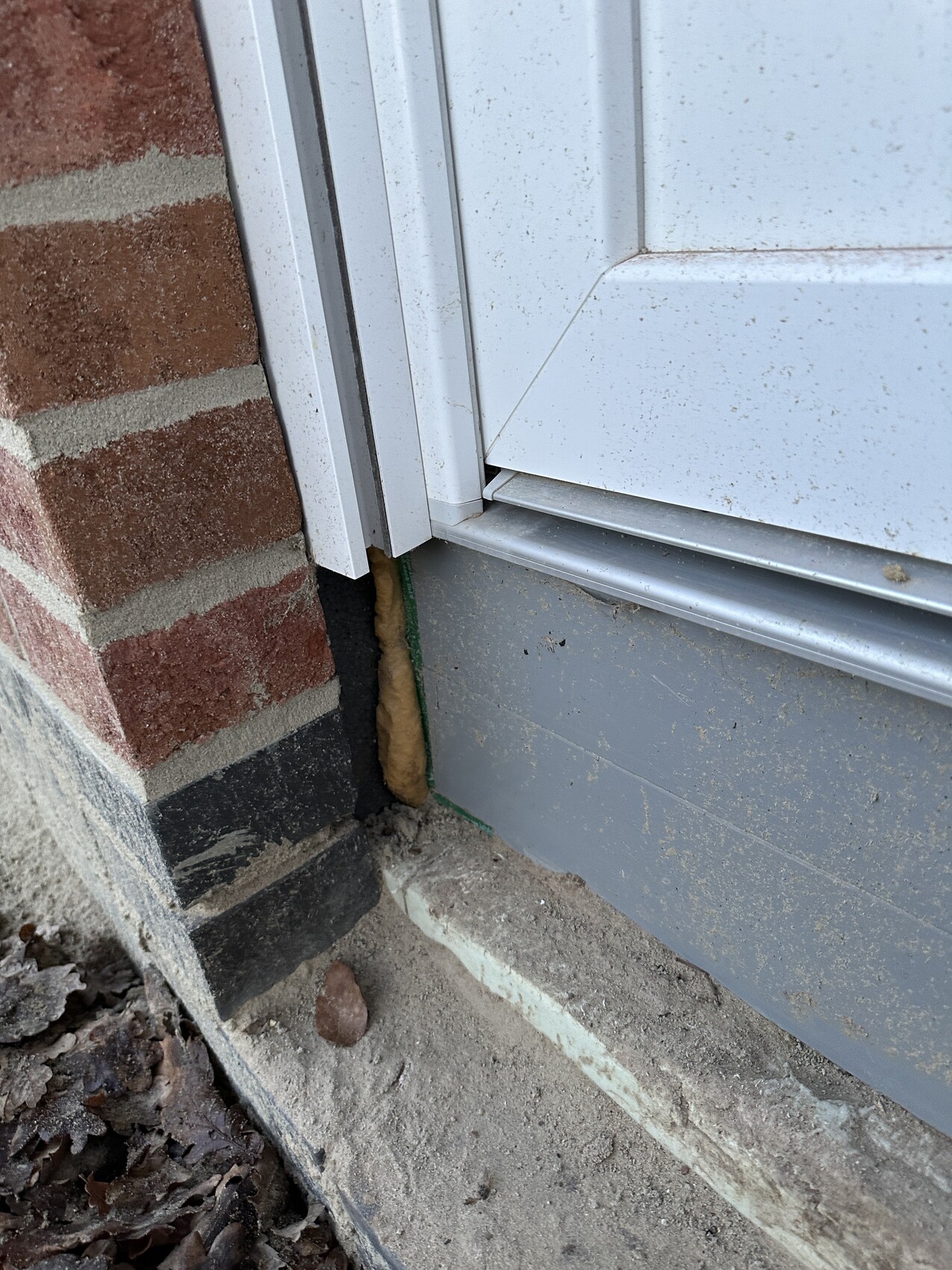
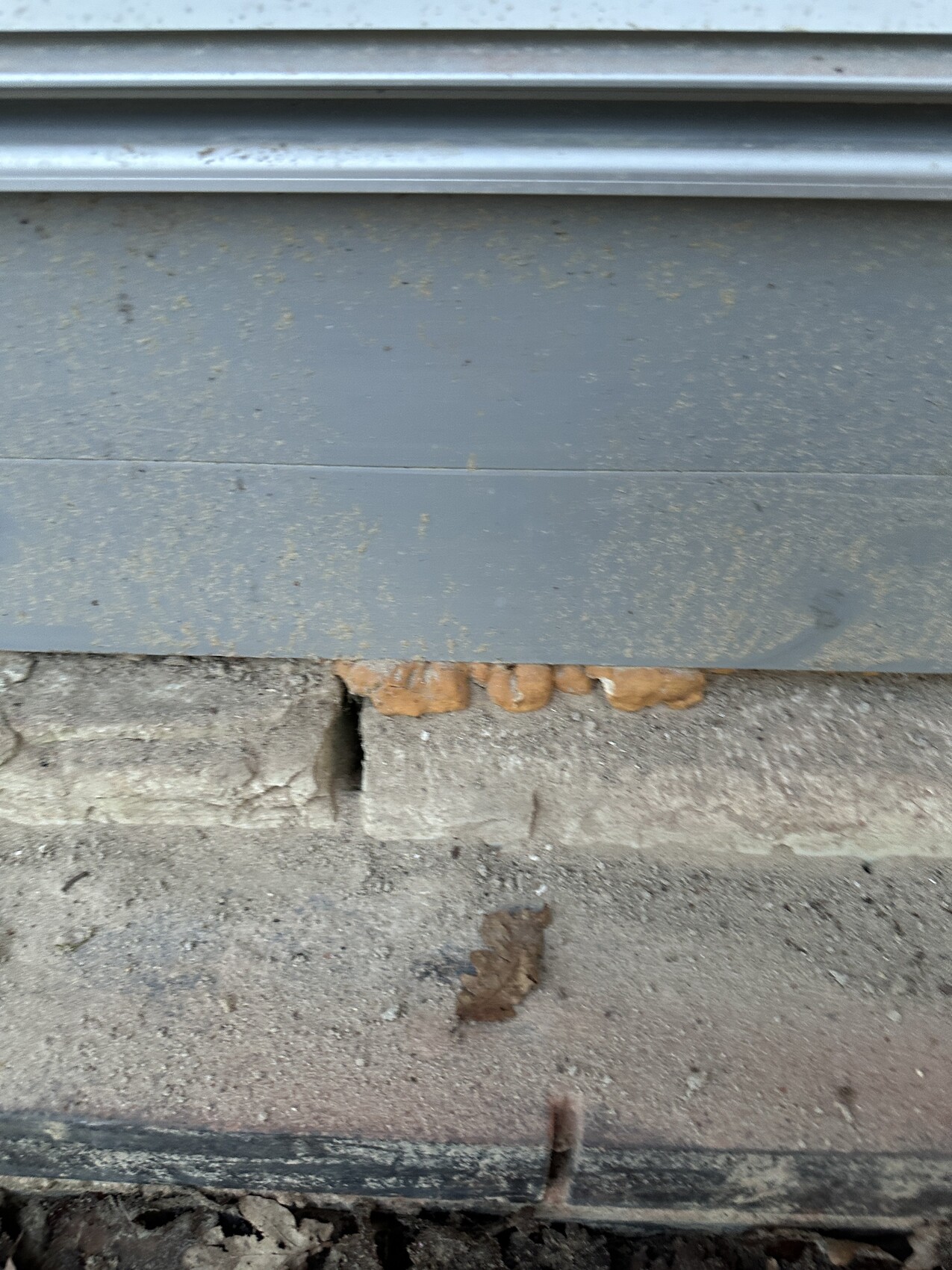
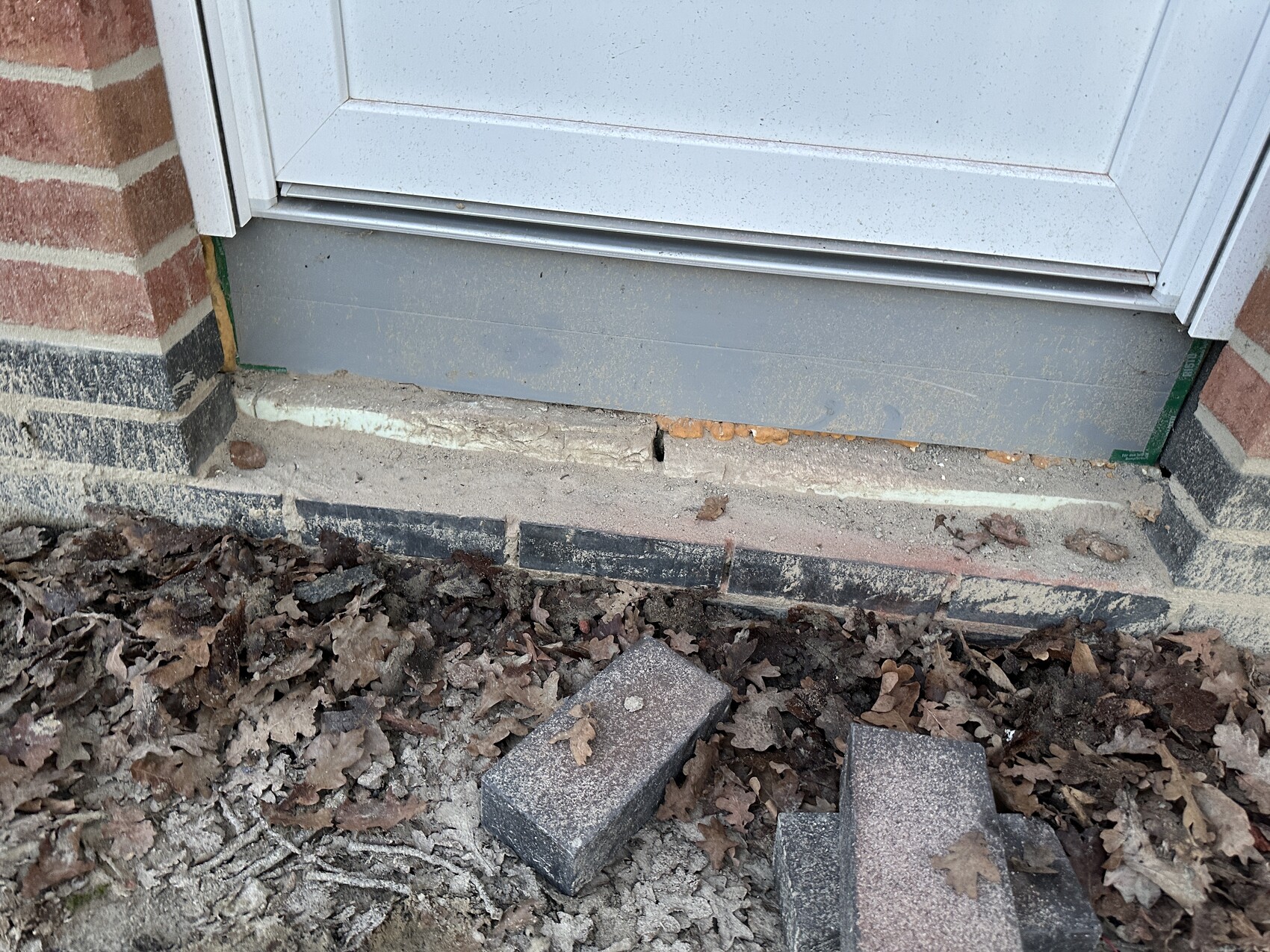
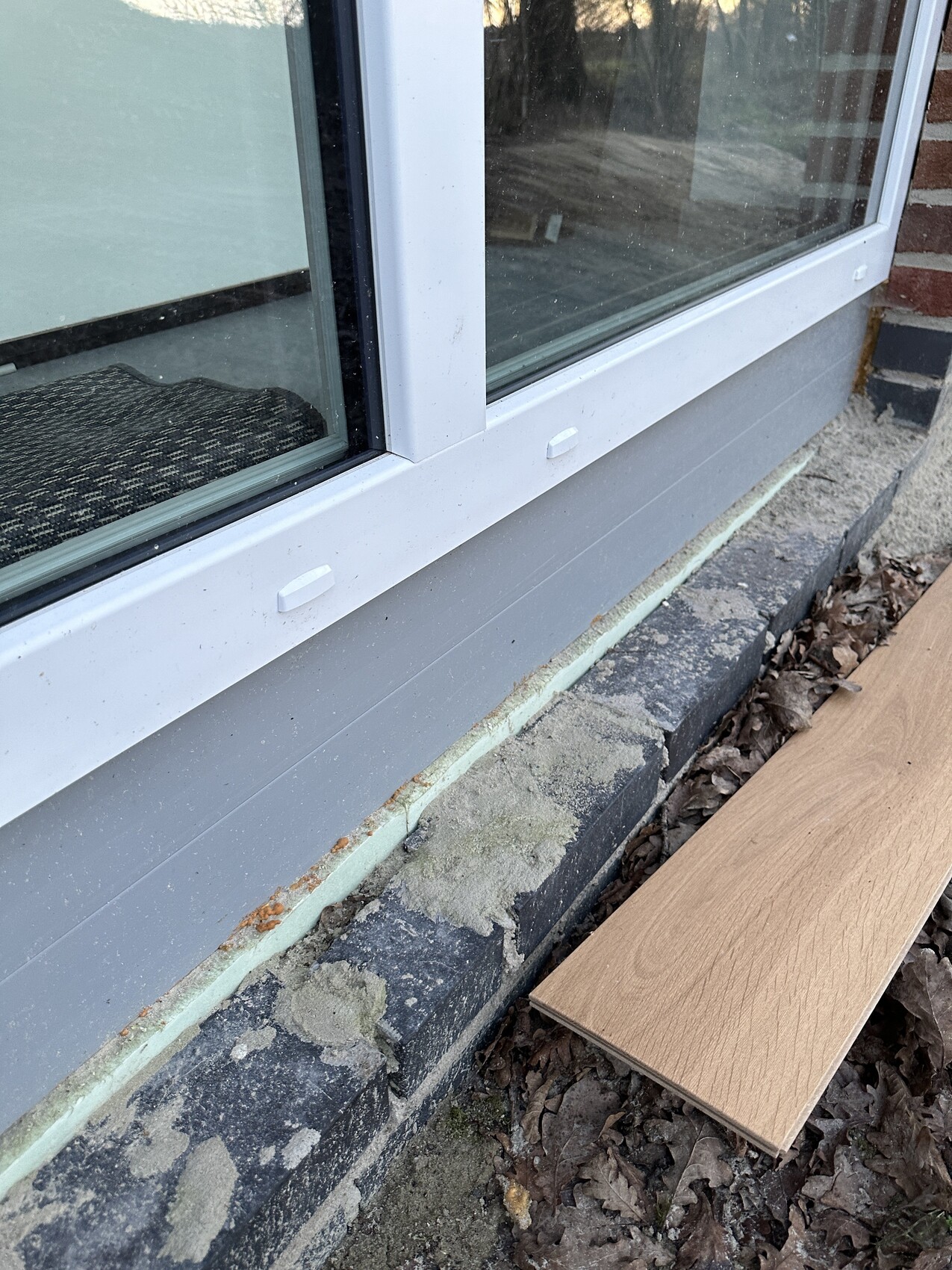
Among other things, from my perspective, the proper waterproofing of the floor-to-ceiling windows and doors on the ground floor is still pending. The window installers have fitted a gray metal sheet in front of the windows, but in my view, the gaps on the left and right leading to the insulation layer remain open and should be sealed. Despite serious flooding on the property (Lower Saxony in January), no water intrusion was visible, nor have any damp spots appeared near the windows or doors. Nevertheless, I am concerned that the external wall insulation might get damp.
Of course, this is just my amateur opinion, and I might be completely wrong. Considering that our GC certainly cannot commission anyone right now, the question is how to proceed most effectively to retrofit proper waterproofing? Is that even possible? What would it look like, and what needs to be considered? We do not want to do it ourselves but prefer to hire a professional company. However, I like to have a rough idea of what needs to be done beforehand.
Maybe someone with experience can share 2-3 tips on this? I have attached some photos that show the current condition.
Thank you all,
best regards from the north


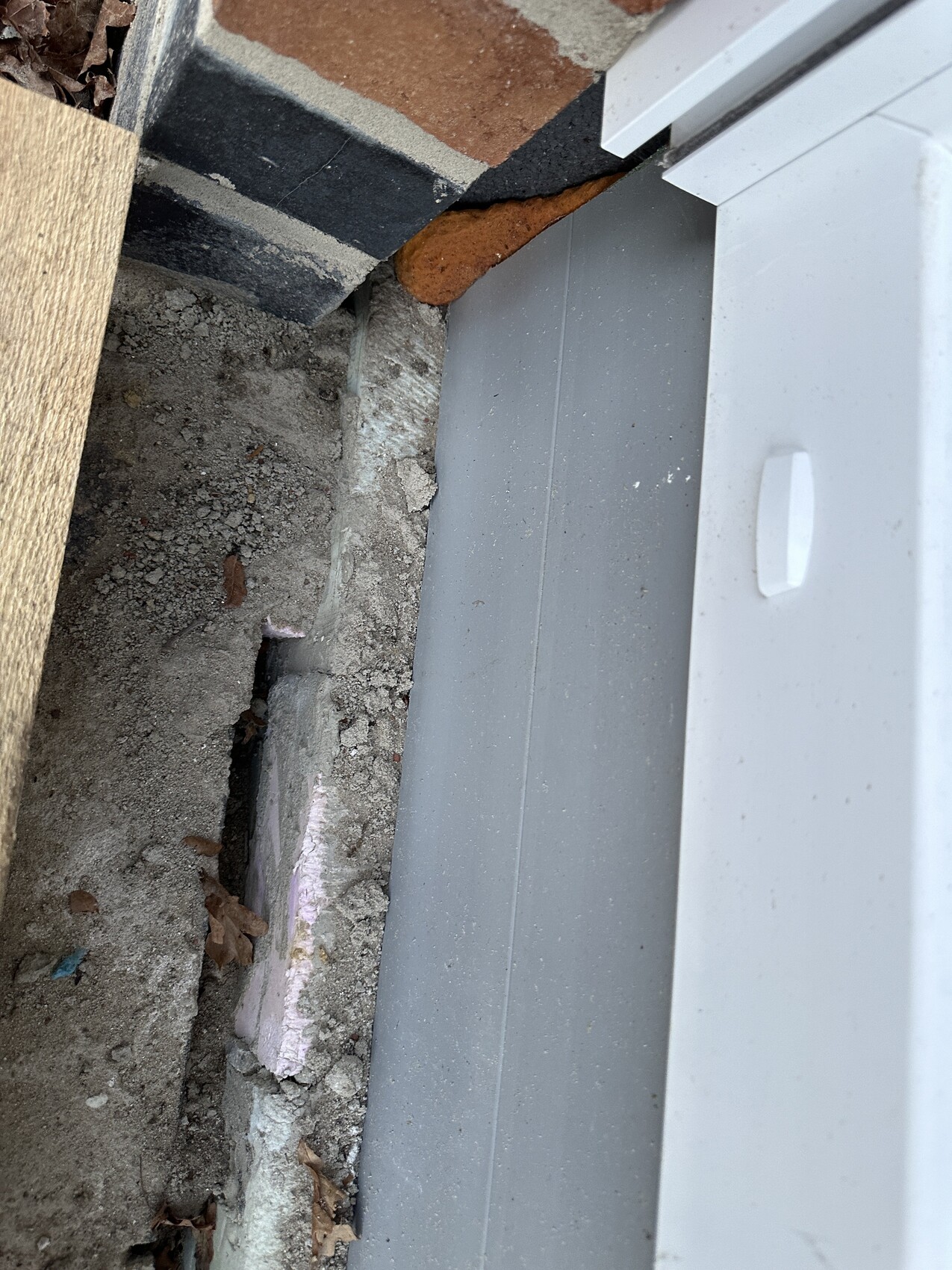
Unfortunately, our general contractor (GC) has also been affected and informed us that they will probably have to file for insolvency. There are still some outstanding tasks at the construction site, but we are already living in the house. Just a quick heads-up...
Among other things, from my perspective, the proper waterproofing of the floor-to-ceiling windows and doors on the ground floor is still pending. The window installers have fitted a gray metal sheet in front of the windows, but in my view, the gaps on the left and right leading to the insulation layer remain open and should be sealed. Despite serious flooding on the property (Lower Saxony in January), no water intrusion was visible, nor have any damp spots appeared near the windows or doors. Nevertheless, I am concerned that the external wall insulation might get damp.
Of course, this is just my amateur opinion, and I might be completely wrong. Considering that our GC certainly cannot commission anyone right now, the question is how to proceed most effectively to retrofit proper waterproofing? Is that even possible? What would it look like, and what needs to be considered? We do not want to do it ourselves but prefer to hire a professional company. However, I like to have a rough idea of what needs to be done beforehand.
Maybe someone with experience can share 2-3 tips on this? I have attached some photos that show the current condition.
Thank you all,
best regards from the north
N
nordanney202417 Feb 2024 18:46The question is how it looks "behind" the brick veneer. This is usually built like this (perfectly illustrated from the internet):
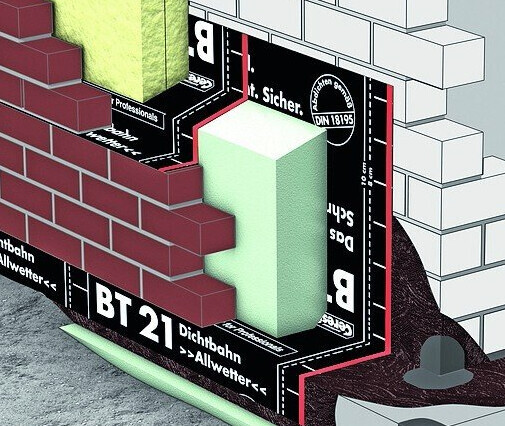
If water penetrates, it only reaches the base insulation, which can handle moisture. Everything above that is protected. Unfortunately, it is not completely clear how the sealing around the windows was done—just this board attached or something else as well? At least it looks like "nothing has been done" there.
If anything else is needed, it’s best to consult a roofer. They specialize in this kind of waterproofing.
If water penetrates, it only reaches the base insulation, which can handle moisture. Everything above that is protected. Unfortunately, it is not completely clear how the sealing around the windows was done—just this board attached or something else as well? At least it looks like "nothing has been done" there.
If anything else is needed, it’s best to consult a roofer. They specialize in this kind of waterproofing.
R
raffti_ger17 Feb 2024 18:57nordanney2024 schrieb:
The question is what the area "behind" the brick veneer looks like. This is usually how it’s built (this image from the internet is perfect for illustration):
If water penetrates, it only reaches the base insulation, which can handle some moisture. Everything above that is protected. Unfortunately, it’s not 100% clear how the waterproofing around the windows was done – is it just that board, or something else? At least it looks like “nothing has been done” there.
If anything else is needed, your best bet is to hire a roofer. They handle this kind of waterproofing. Thank you very much for your input. I have a photo showing what it looked like before the windows were installed (the bitumen waterproofing is clearly visible here). I don’t know if a separate waterproof membrane was used.
The general contractor recently mentioned that another layer of liquid adhesive/bitumen will be applied to the sides to provide better protection for the insulation.
N
nordanney202417 Feb 2024 19:17raffti_ger schrieb:
The general contractor recently mentioned that another layer of liquid adhesive / bitumen will be applied to the sides to better protect the insulation. If the general contractor says so, then go ahead and have it done. From the photo, the initial work already looks quite good. However, the window and its frame should still be sealed properly.
A
Allthewayup18 Feb 2024 07:47I see something black in your last picture, which suggests that the load-bearing wall structure was first sealed against moisture before the brick cladding was installed. The question is how the brickwork is protected against rising damp.
Could you ask the company for more detailed information on the execution? Then it would be easier to advise you on the further waterproofing work. I am currently also dealing intensively with waterproofing, but for a different construction method.
Could you ask the company for more detailed information on the execution? Then it would be easier to advise you on the further waterproofing work. I am currently also dealing intensively with waterproofing, but for a different construction method.
Similar topics