
Hello everyone
After reseeding our lawn last year, it has now gone through its first "winter."
Before I start the spring maintenance, I would like to make sure when and in what order I should best proceed.
The planned tasks are:
Fertilizing (in some spots I noticed reddish tips; which fertilizer would you recommend here?)
Mowing
Scarifying / dethatching
Overseeding
...
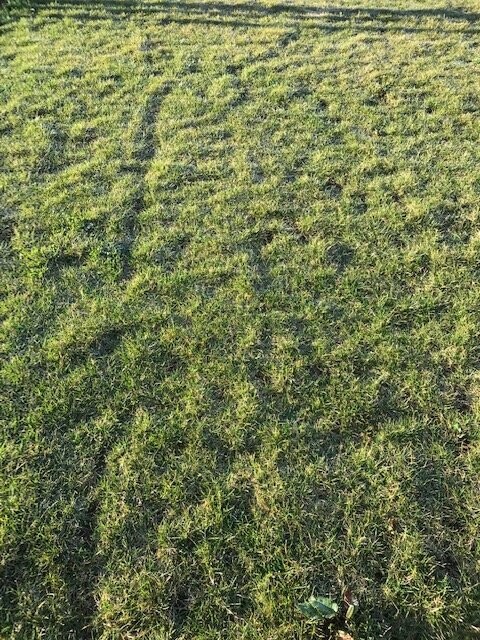
As mentioned above, I would like to hear from the experts when and in what sequence I should carry out these tasks and if you have any other tips or suggestions (see lawn photo).
Thanks in advance
Best regards & have a great weekend
Jörg
After reseeding our lawn last year, it has now gone through its first "winter."
Before I start the spring maintenance, I would like to make sure when and in what order I should best proceed.
The planned tasks are:
Fertilizing (in some spots I noticed reddish tips; which fertilizer would you recommend here?)
Mowing
Scarifying / dethatching
Overseeding
...
As mentioned above, I would like to hear from the experts when and in what sequence I should carry out these tasks and if you have any other tips or suggestions (see lawn photo).
Thanks in advance
Best regards & have a great weekend
Jörg
 Vicky Pedia15 Mar 2020 21:26
Does wolf offer a long-term fertilizer with weed control? It works great. I apply it by hand, simply broadcasting it evenly. New lawns actually don’t need scarifying, but I have two different types of dethatching rollers—one for scarifying and a second one for aerating. The aerating roller has wire tines that comb out the thatch without cutting into the surface. Scarifying is better done in autumn to prevent waterlogging. For moss control, I use iron fertilizer, and after about a week, I use a lawn aerator!
About the fertilizer. I have had excellent results with the agricultural mix for cereals: MNSP – magnesium, nitrogen, sulfur, and phosphorus, plus a small amount of potassium. It is also available for non-farmers through the company Agroshop in 25 kg (55 lb) bags, and they also offer shipping. The fertilizer has a fairly long-lasting effect and improves soil crumb structure, which encourages increased earthworm activity. The potassium content helps prevent moss, as moss prefers acidic conditions, while potassium makes the soil more alkaline. Lawns tolerate this fertilizer very well because cereals are essentially grasses.
Similar topics