
Hello,
The cement screed has been installed for about three weeks now, and small black spots are gradually appearing on the drywall panels upstairs.
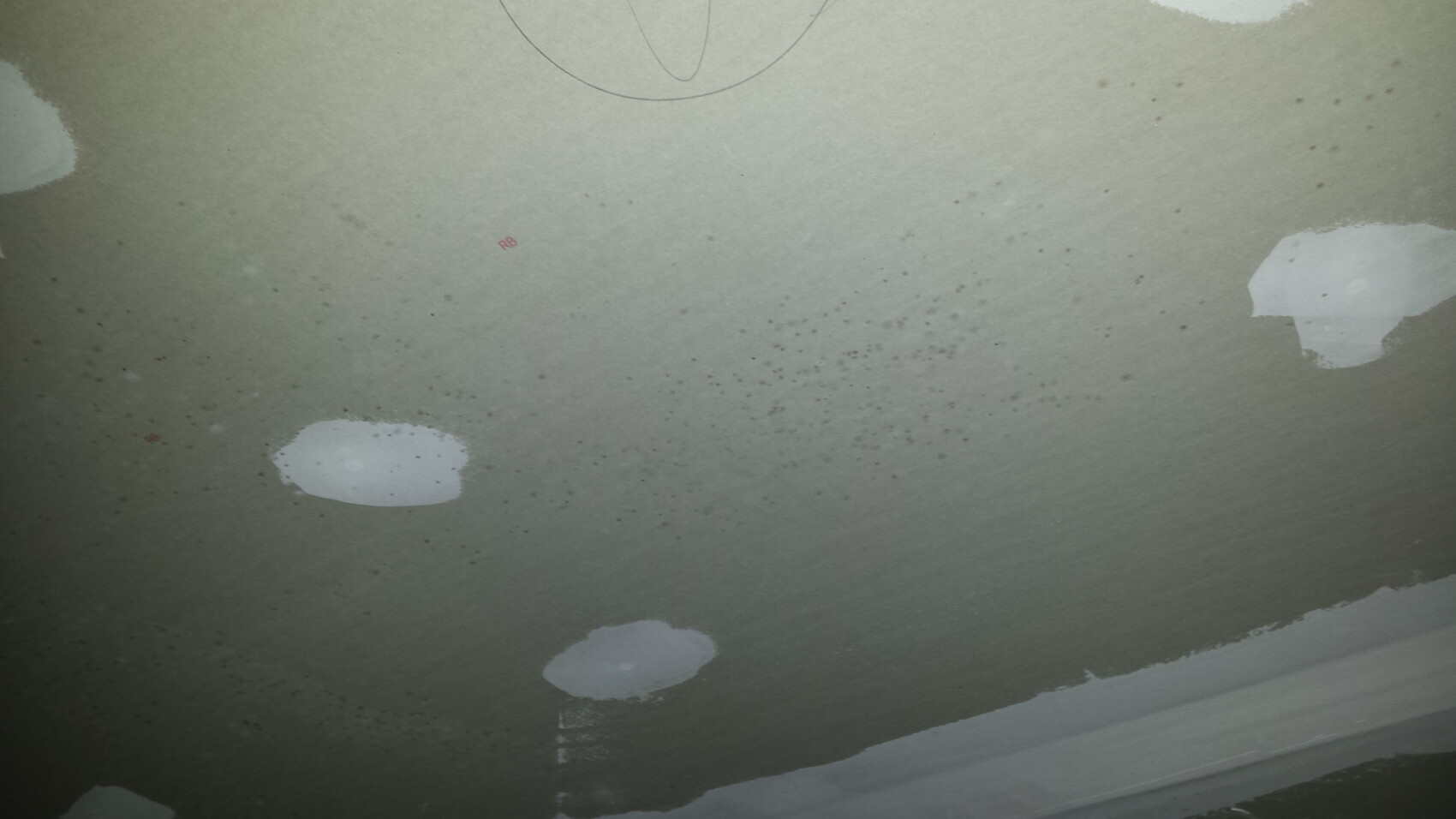
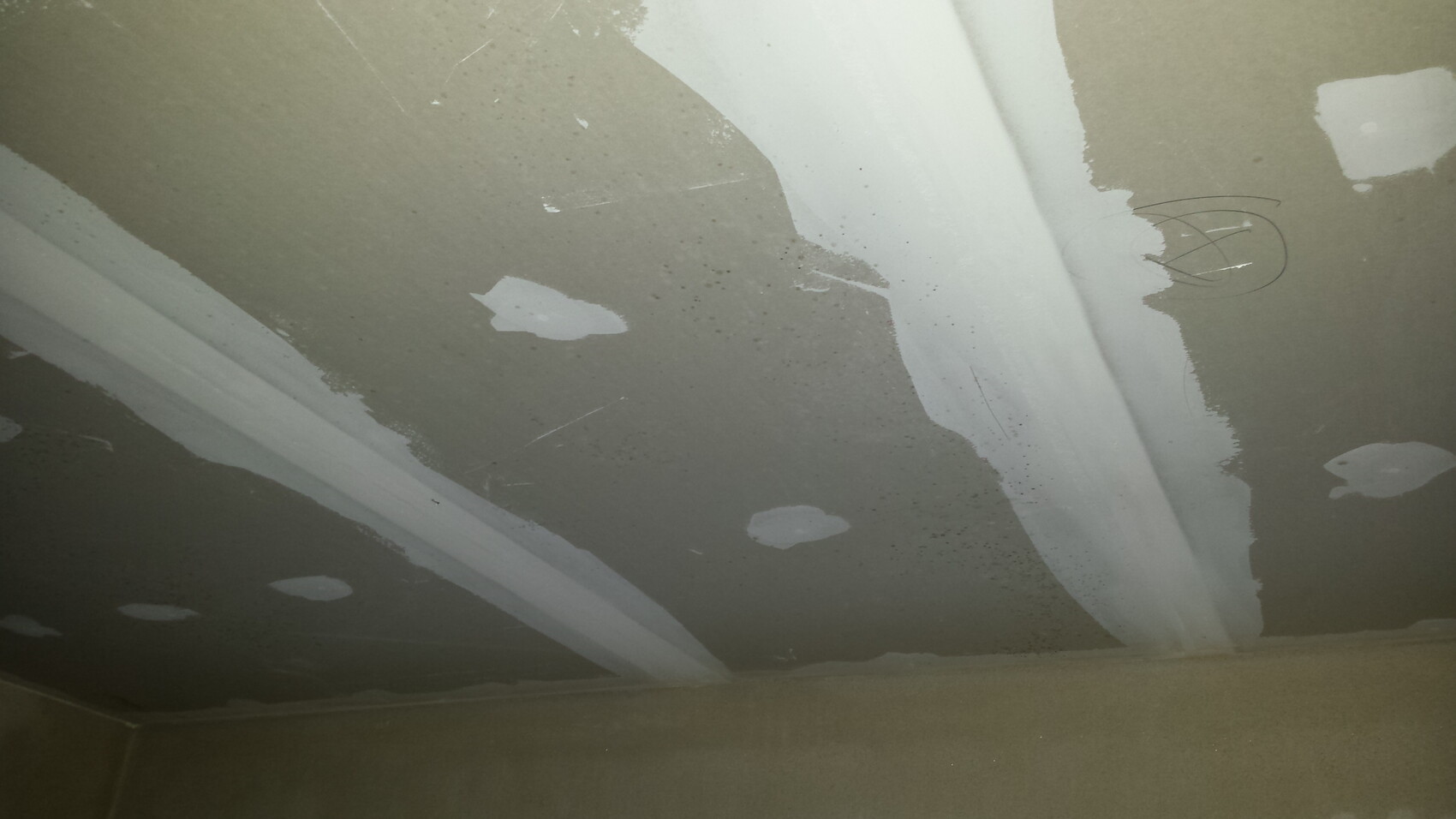
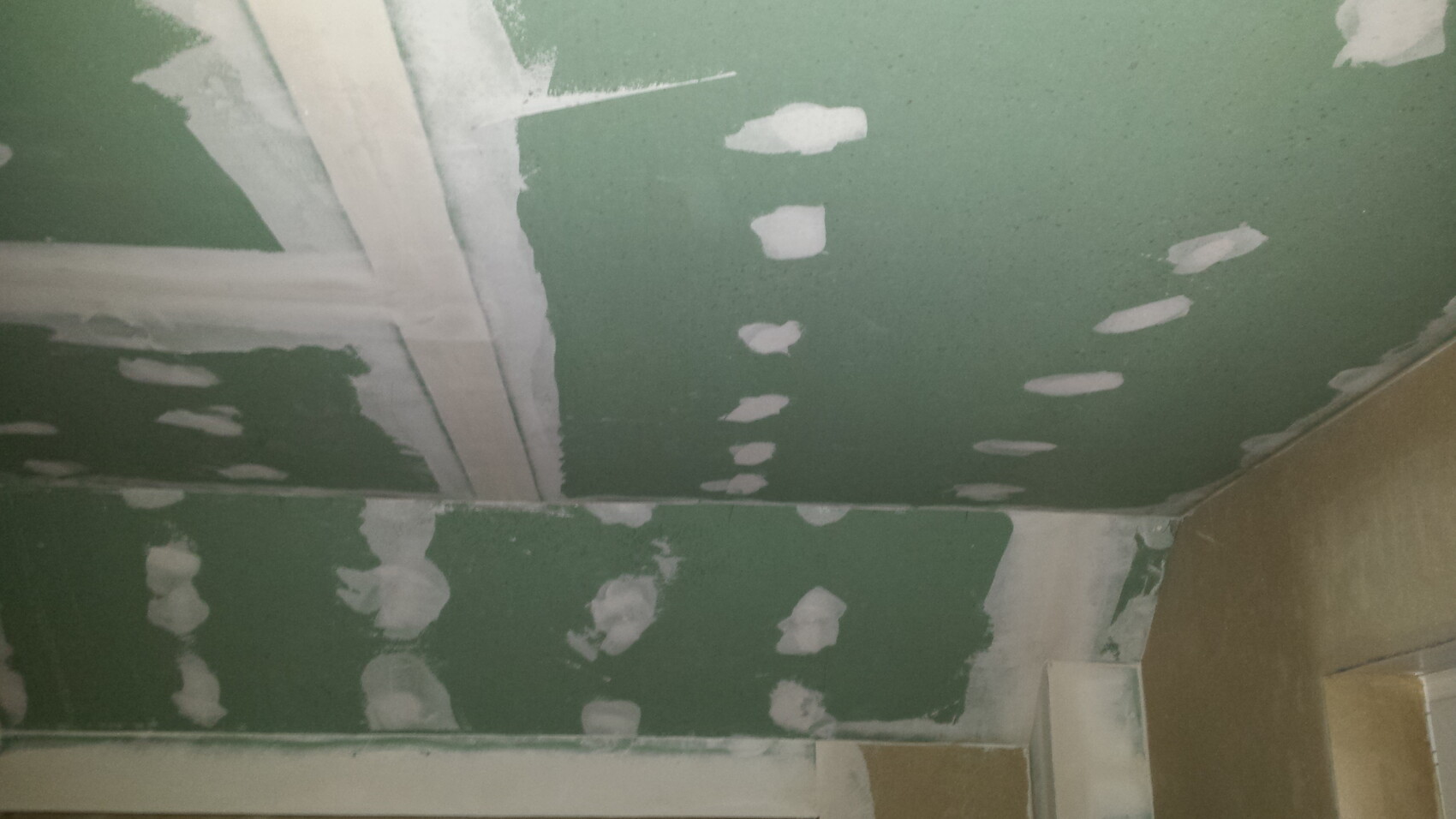
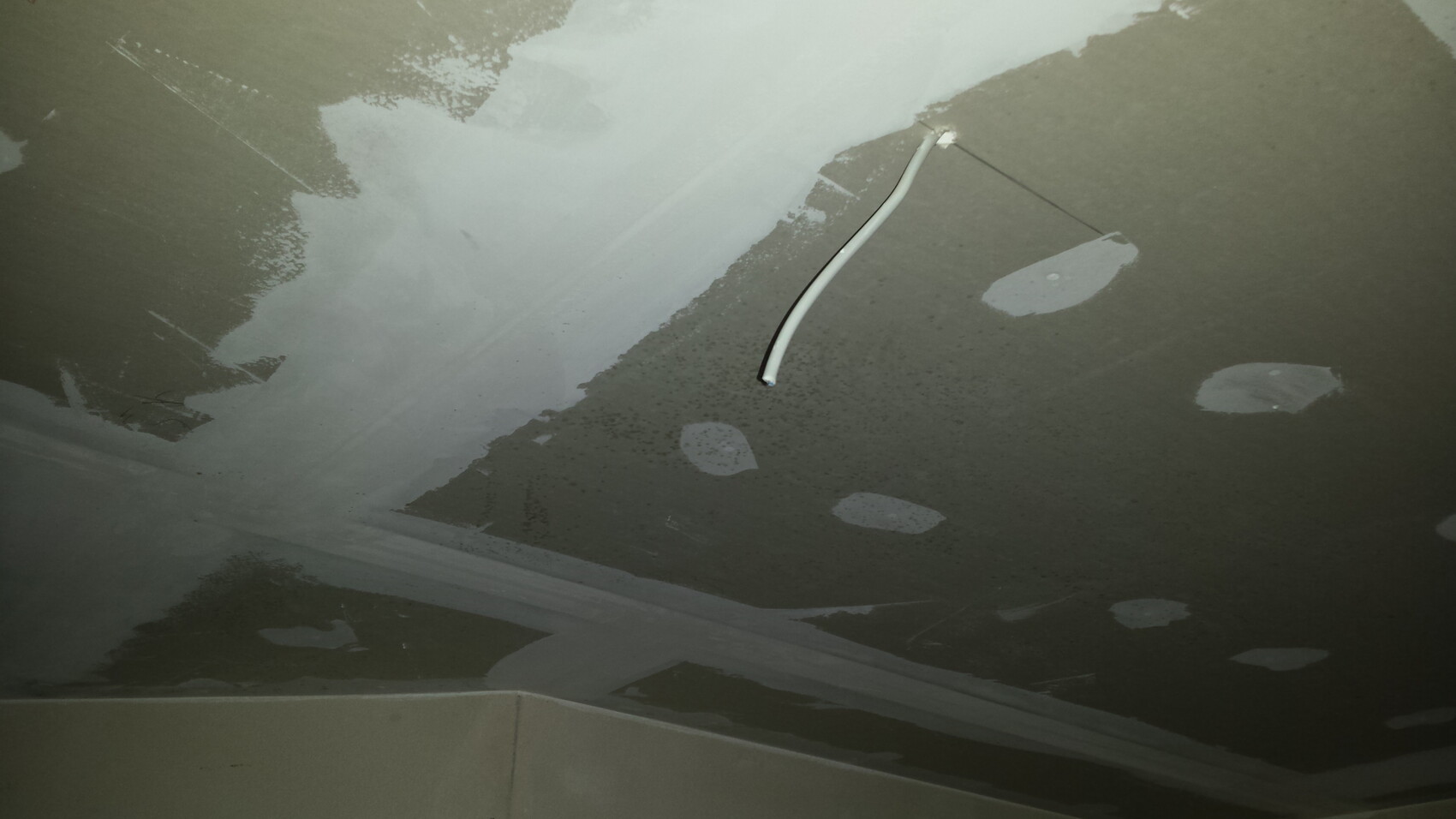
Is this mold? It looks like mold to me.
The cement screed has been installed for about three weeks now, and small black spots are gradually appearing on the drywall panels upstairs.
Is this mold? It looks like mold to me.
 EveundGerd29 Feb 2016 18:54
The battens could also be affected. However, you will only be able to see this after removing the drywall panels.
S
Sebastian7929 Feb 2016 19:59Do you have impregnated battens?
S
Sebastian7929 Feb 2016 20:04Too much money? Would I want something like that in my living spaces?
At least they are protected against mold.
At least they are protected against mold.
So, I have some unpleasant news.
The architect had told me back then that the entire drywall would be redone after the moisture decreased due to heating up the house. This was a really bad trick on his part to stop me from bothering him.
Today, he wrote to me saying that now that the drywall sheets are dry, the mold can simply be wiped away and everything will be fine. He also claimed that the insulation is now affected by moisture because I supposedly didn’t ventilate properly, which is absolute nonsense. I was ventilating the house by fully opening windows (shock ventilation) four times daily, each time for 15–20 minutes, and it worked great.
The real problem was that the attic hatch to the re-insulated loft was missing, so all the warm, moist air migrated into the loft and condensed on the gable walls, flowing down into the insulation.
In my opinion, the fault clearly lies with him. After the drywall work was done, the house was left unheated for two months, and above all, the missing attic hatch caused the moisture problem in the loft.
The architect had told me back then that the entire drywall would be redone after the moisture decreased due to heating up the house. This was a really bad trick on his part to stop me from bothering him.
Today, he wrote to me saying that now that the drywall sheets are dry, the mold can simply be wiped away and everything will be fine. He also claimed that the insulation is now affected by moisture because I supposedly didn’t ventilate properly, which is absolute nonsense. I was ventilating the house by fully opening windows (shock ventilation) four times daily, each time for 15–20 minutes, and it worked great.
The real problem was that the attic hatch to the re-insulated loft was missing, so all the warm, moist air migrated into the loft and condensed on the gable walls, flowing down into the insulation.
In my opinion, the fault clearly lies with him. After the drywall work was done, the house was left unheated for two months, and above all, the missing attic hatch caused the moisture problem in the loft.
S
Sebastian798 Mar 2016 17:11Yes, but we won’t be able to help you with that either.
For me, it was very important that the roof hatch was installed first, precisely to avoid this kind of problem. My architect didn’t say anything about it.
For me, it was very important that the roof hatch was installed first, precisely to avoid this kind of problem. My architect didn’t say anything about it.
Similar topics