
Hello everyone,
I’m new here and came across this site through various searches. Although I’ve already read quite a bit about insulation and so on, I’m still unsure about what to do in my own situation, so I signed up here.
Last spring, I bought an apartment in the attic. I’m currently renovating it completely. Originally, the plan was just to do some light whitewashing and then move in. Well… now I’ve ripped out the entire floor, installed an additional door, and I’m currently installing some recessed ceiling lights. One thing just leads to another—I’m sure many here can relate.
Since I live at the very top and wanted some recessed ceiling lights, I naturally went up to the attic. It’s actually an ideal place to install the lights since I can easily run the cables from above. So far, so good… the first lights are installed and look very nice. What looks less good, however, is the attic overall, or rather what is referred to as “insulation” there. The previous tenant mentioned that the apartment gets quite cold in winter, which doesn’t surprise me at all when I see the attic.
The attic is constructed and insulated as follows:
The ceiling is about 2cm (1 inch) thick and uses a kind of reed material as a base. This is then fixed to the cross beams with longitudinal slats that are about 2cm (1 inch) thick.
After that, there is nothing first. After about 8cm (3 inches), there is a wooden slat on which small boards lie (to cover the gaps between the cross beams).
On these boards, there is about 3cm (1 inch) of fiberglass insulation, which looks terrible because of all the dirt and dust. I hope this description is somewhat clear.
Underneath the roof panels, the roof is insulated continuously with styrofoam inserts (thermal roof). However, the insulation and the attic structure overall are very poor. It doesn’t surprise me at all that a lot of heat is lost here.
Since I definitely don’t want to leave it like this, the question now is how to properly build and insulate this space.
Here is what I had in mind:
Remove all the fiberglass insulation (it’s just dirty and worn out). Clean everything thoroughly.
Remove all the boards between the cross beams and clean everything there as well.
Then install 20cm (8 inches) of insulating wool between the cross beams and cover it with chipboard or suitable panels (so you can walk on it).
I also have a question regarding a vapor barrier—should it be installed under the insulation or not, and what is the best way to apply it? I can’t go under the cross beams, so would I have to seal each section individually?
I would be very grateful for any tips and suggestions.
Here are some pictures:
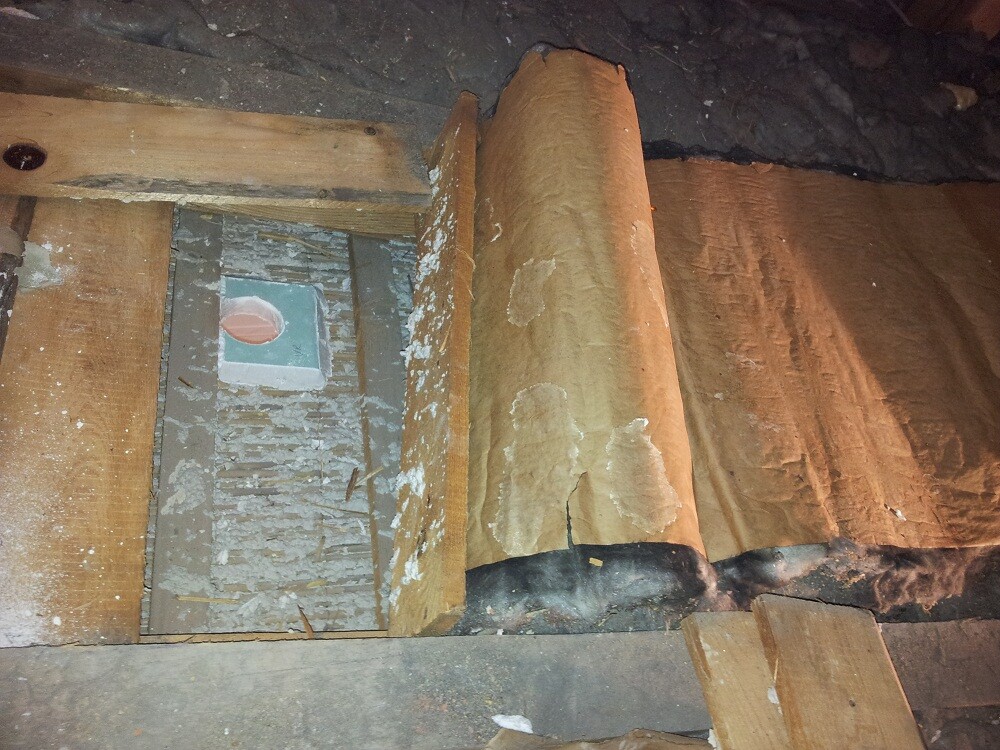
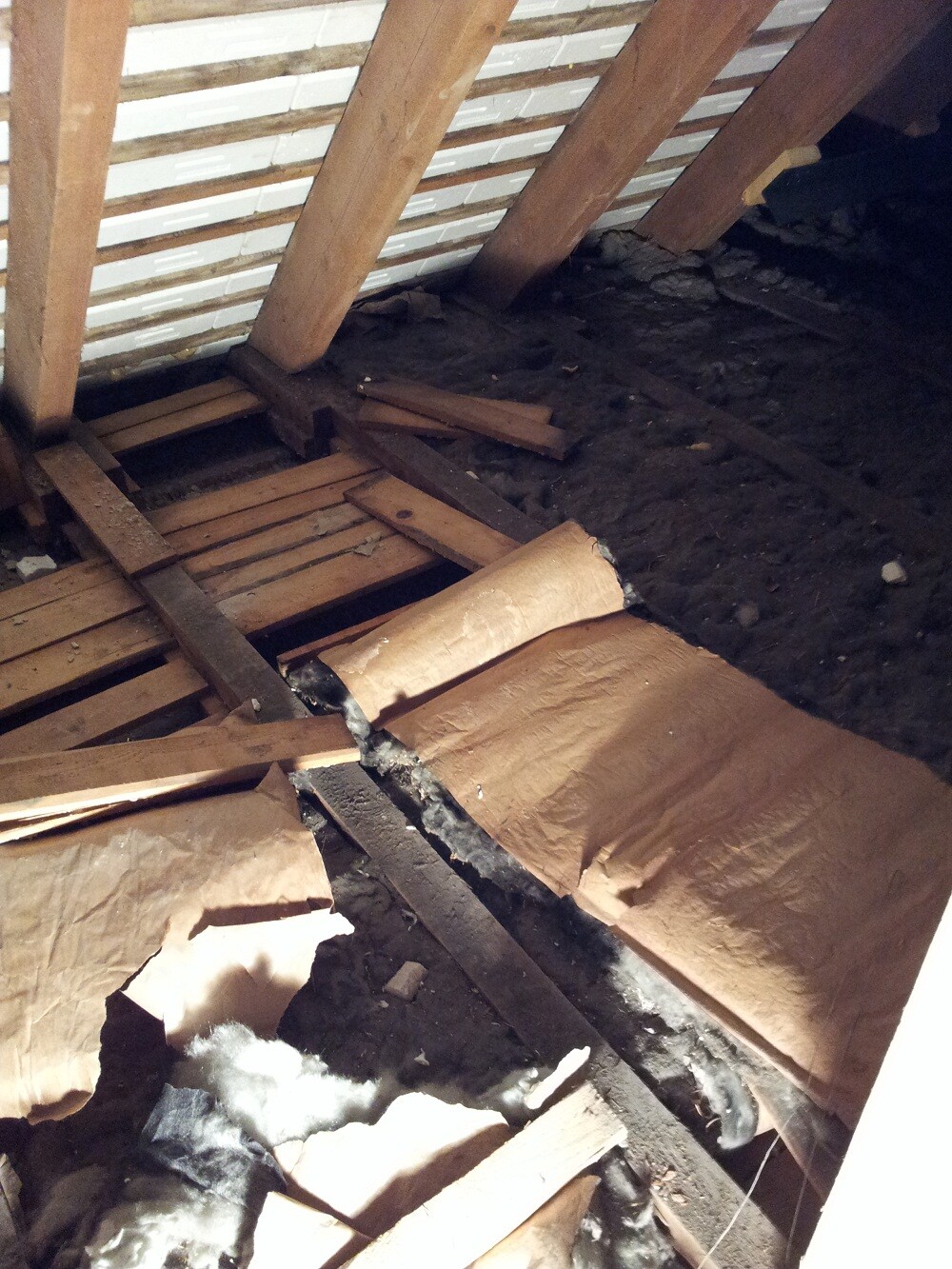
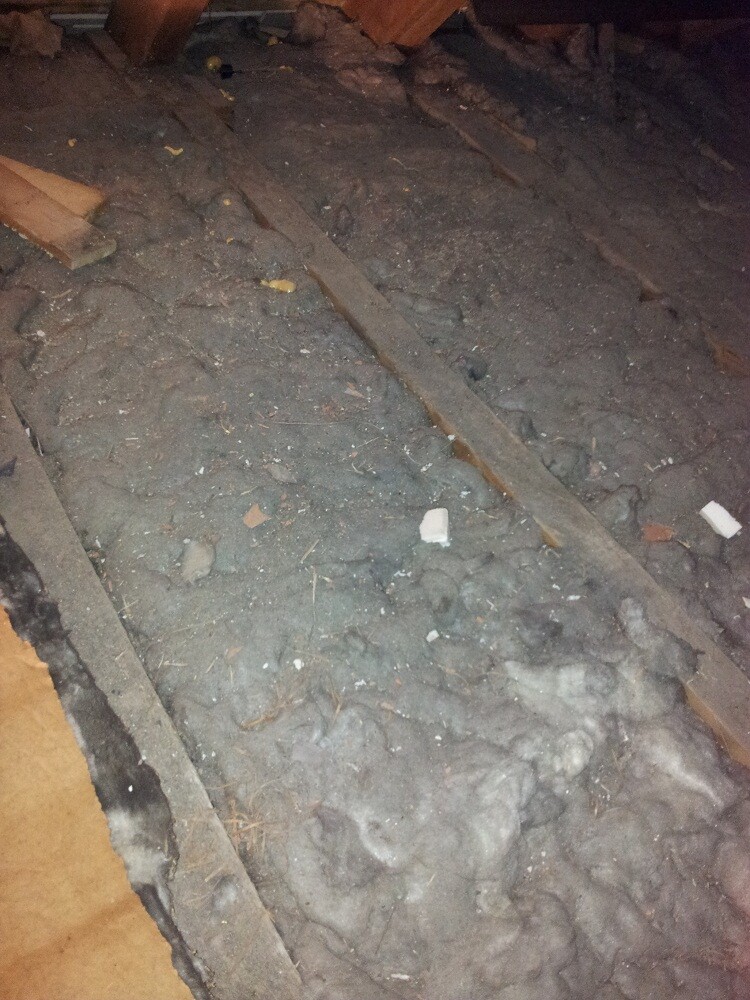
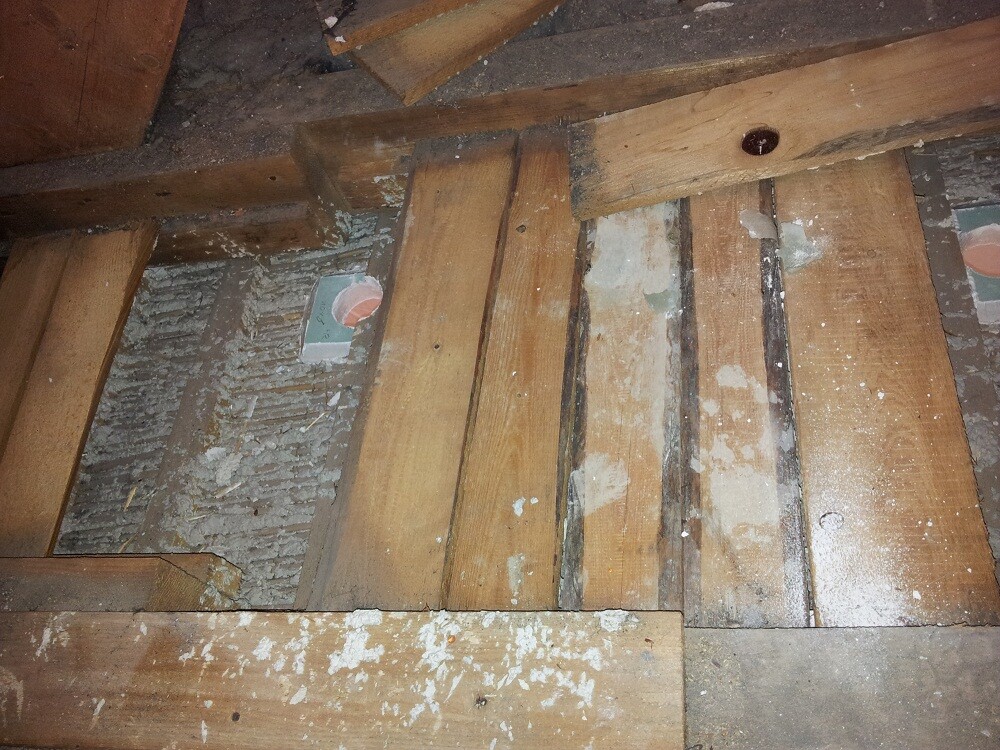
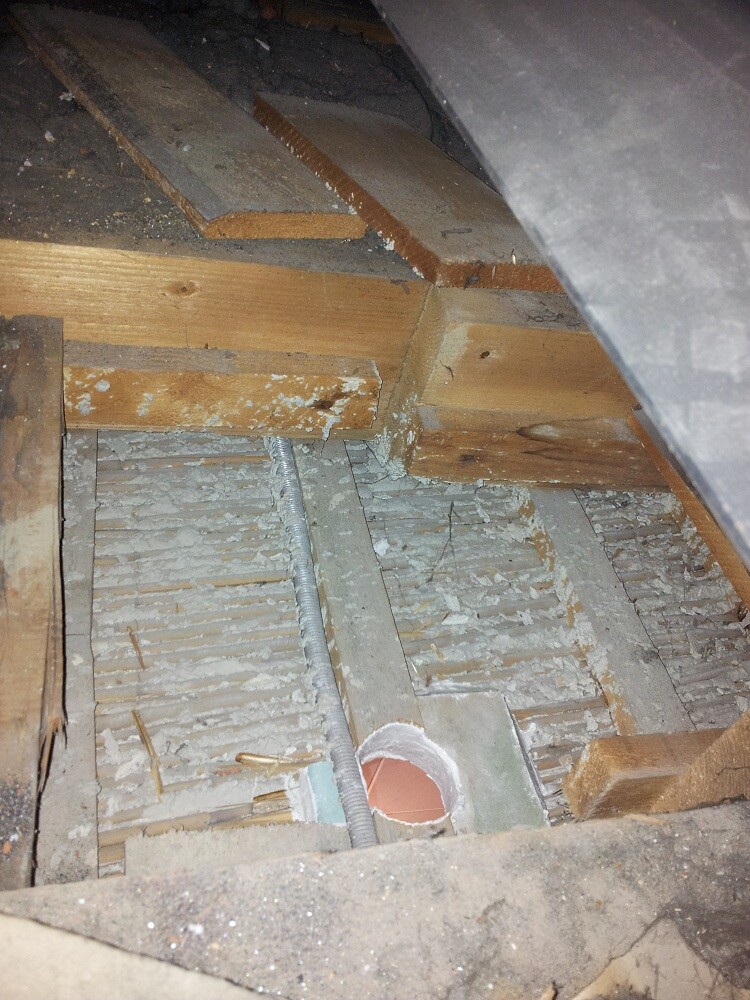
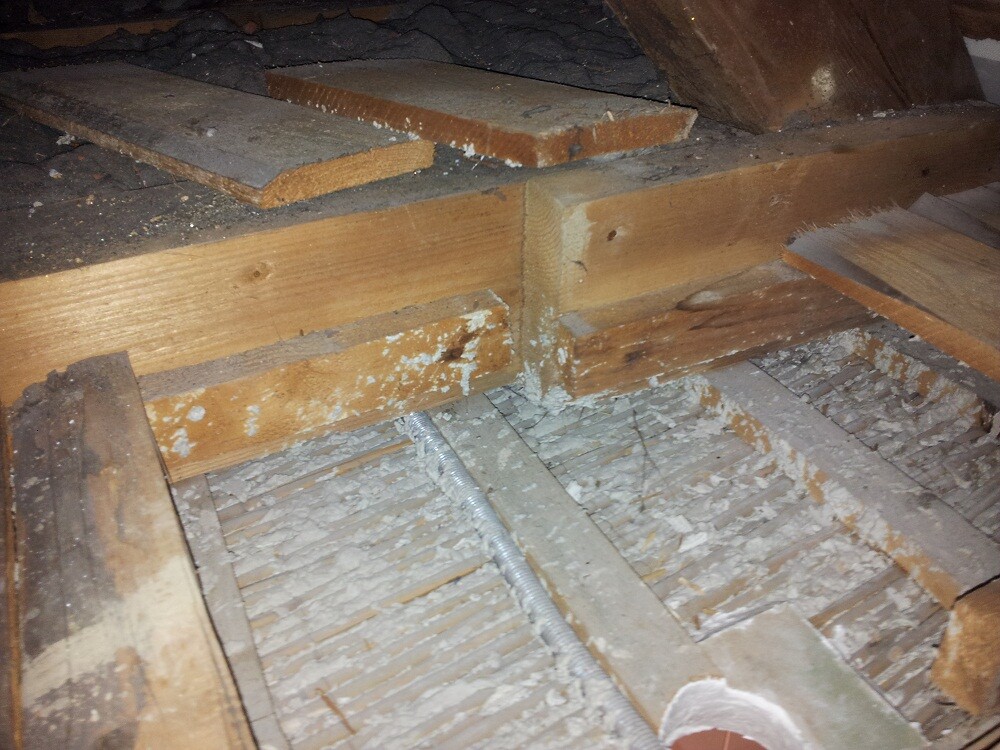

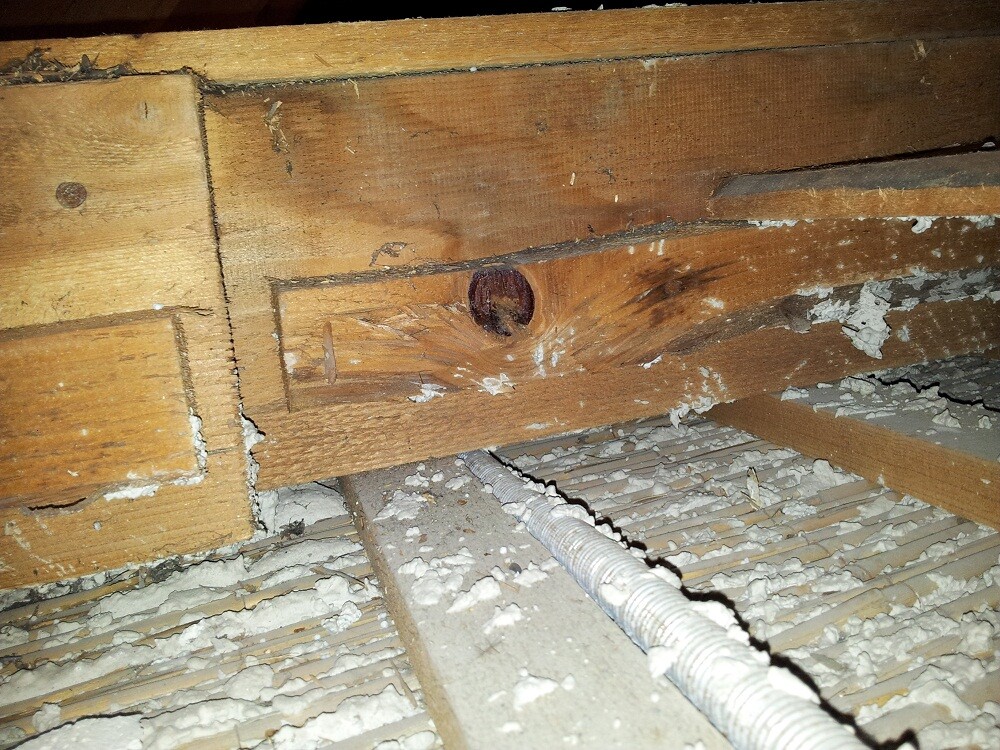
I’m new here and came across this site through various searches. Although I’ve already read quite a bit about insulation and so on, I’m still unsure about what to do in my own situation, so I signed up here.
Last spring, I bought an apartment in the attic. I’m currently renovating it completely. Originally, the plan was just to do some light whitewashing and then move in. Well… now I’ve ripped out the entire floor, installed an additional door, and I’m currently installing some recessed ceiling lights. One thing just leads to another—I’m sure many here can relate.
Since I live at the very top and wanted some recessed ceiling lights, I naturally went up to the attic. It’s actually an ideal place to install the lights since I can easily run the cables from above. So far, so good… the first lights are installed and look very nice. What looks less good, however, is the attic overall, or rather what is referred to as “insulation” there. The previous tenant mentioned that the apartment gets quite cold in winter, which doesn’t surprise me at all when I see the attic.
The attic is constructed and insulated as follows:
The ceiling is about 2cm (1 inch) thick and uses a kind of reed material as a base. This is then fixed to the cross beams with longitudinal slats that are about 2cm (1 inch) thick.
After that, there is nothing first. After about 8cm (3 inches), there is a wooden slat on which small boards lie (to cover the gaps between the cross beams).
On these boards, there is about 3cm (1 inch) of fiberglass insulation, which looks terrible because of all the dirt and dust. I hope this description is somewhat clear.
Underneath the roof panels, the roof is insulated continuously with styrofoam inserts (thermal roof). However, the insulation and the attic structure overall are very poor. It doesn’t surprise me at all that a lot of heat is lost here.
Since I definitely don’t want to leave it like this, the question now is how to properly build and insulate this space.
Here is what I had in mind:
Remove all the fiberglass insulation (it’s just dirty and worn out). Clean everything thoroughly.
Remove all the boards between the cross beams and clean everything there as well.
Then install 20cm (8 inches) of insulating wool between the cross beams and cover it with chipboard or suitable panels (so you can walk on it).
I also have a question regarding a vapor barrier—should it be installed under the insulation or not, and what is the best way to apply it? I can’t go under the cross beams, so would I have to seal each section individually?
I would be very grateful for any tips and suggestions.
Here are some pictures:
D
Doc.Schnaggls19 Jan 2015 13:16Hello,
just a quick question first:
Did you purchase the attic as part of the property, or are you currently working on common property?
If this hasn’t been approved by the owners' association, it can quickly lead to problems.
Best regards,
Dirk
just a quick question first:
Did you purchase the attic as part of the property, or are you currently working on common property?
If this hasn’t been approved by the owners' association, it can quickly lead to problems.
Best regards,
Dirk
D
Doc.Schnaggls19 Jan 2015 14:42Yes, if I were to insulate there, I would also attach the insulation directly to the ceiling. That’s how it was done in our house as well:
- Mineral wool placed directly between the rafters, with a walkable plank floor laid on top.
- An additional layer of insulation made of wood fiber boards installed under the roof tiles.
- Mineral wool placed directly between the rafters, with a walkable plank floor laid on top.
- An additional layer of insulation made of wood fiber boards installed under the roof tiles.
D
Doc.Schnaggls19 Jan 2015 14:51Under our mineral wool insulation, there is a vapor retarder fleece.
Therefore, I would also recommend installing one there in your case.
Therefore, I would also recommend installing one there in your case.
So... I discussed it with the property management yesterday. As long as the structural integrity isn’t affected, I am allowed to install spotlights there.
I also spoke with the owners’ committee. The topic of insulation has come up several times in the past. However, it was always rejected by the owners due to the costs (often when the majority of owners are not directly affected themselves). But if I cover the costs myself, I am allowed to make changes to the insulation. Since it concerns my apartment and it bothers me, I will do it.
So everything is settled. Now it's about deciding what makes the most sense and how to approach it best. Disposing of the glass wool insulation isn’t straightforward either. Wearing disposable coveralls, a mask, and using a special bag is clear. But is there anything else to consider? How do I get rid of all the dirt and dust? With an industrial vacuum cleaner? Using a broom and dustpan would probably stir up a lot of dust and fibers, I think...
I also spoke with the owners’ committee. The topic of insulation has come up several times in the past. However, it was always rejected by the owners due to the costs (often when the majority of owners are not directly affected themselves). But if I cover the costs myself, I am allowed to make changes to the insulation. Since it concerns my apartment and it bothers me, I will do it.
So everything is settled. Now it's about deciding what makes the most sense and how to approach it best. Disposing of the glass wool insulation isn’t straightforward either. Wearing disposable coveralls, a mask, and using a special bag is clear. But is there anything else to consider? How do I get rid of all the dirt and dust? With an industrial vacuum cleaner? Using a broom and dustpan would probably stir up a lot of dust and fibers, I think...
Similar topics