
Hello everyone,
I’m new here and came across this site through various searches. Although I’ve already read quite a bit about insulation and so on, I’m still unsure about what to do in my own situation, so I signed up here.
Last spring, I bought an apartment in the attic. I’m currently renovating it completely. Originally, the plan was just to do some light whitewashing and then move in. Well… now I’ve ripped out the entire floor, installed an additional door, and I’m currently installing some recessed ceiling lights. One thing just leads to another—I’m sure many here can relate.
Since I live at the very top and wanted some recessed ceiling lights, I naturally went up to the attic. It’s actually an ideal place to install the lights since I can easily run the cables from above. So far, so good… the first lights are installed and look very nice. What looks less good, however, is the attic overall, or rather what is referred to as “insulation” there. The previous tenant mentioned that the apartment gets quite cold in winter, which doesn’t surprise me at all when I see the attic.
The attic is constructed and insulated as follows:
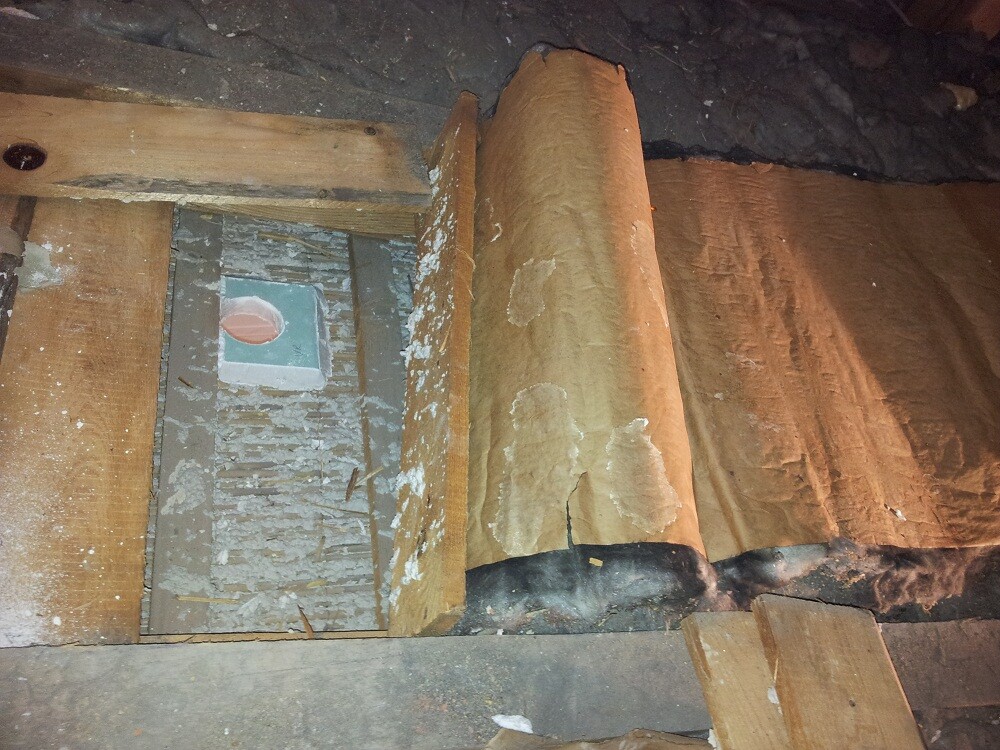
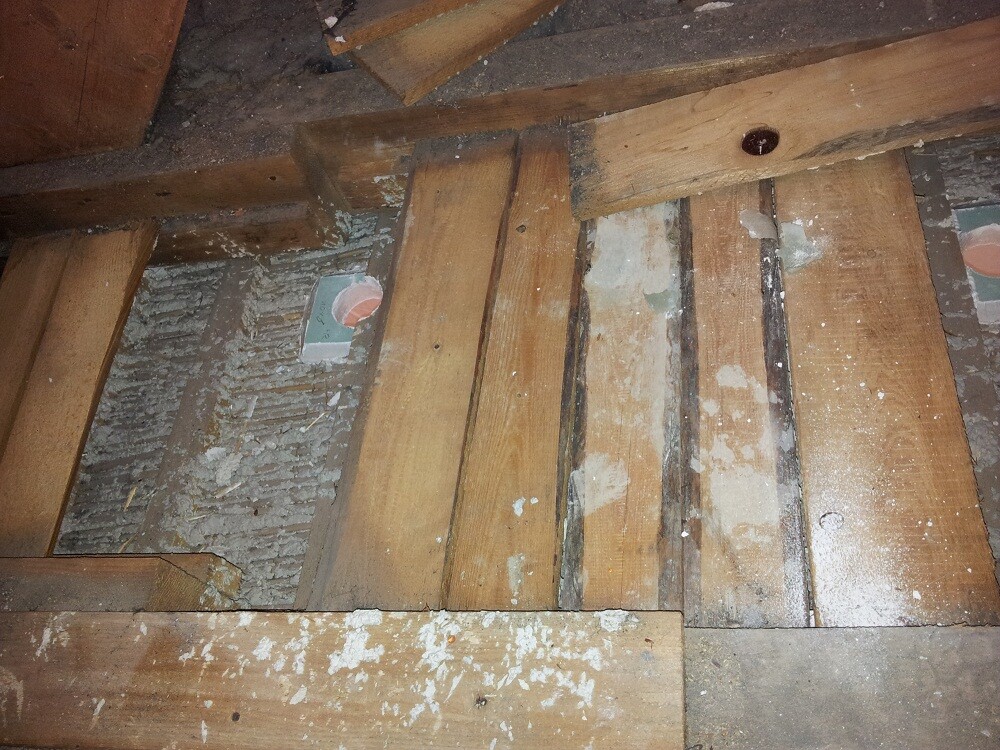
The ceiling is about 2cm (1 inch) thick and uses a kind of reed material as a base. This is then fixed to the cross beams with longitudinal slats that are about 2cm (1 inch) thick.
After that, there is nothing first. After about 8cm (3 inches), there is a wooden slat on which small boards lie (to cover the gaps between the cross beams).
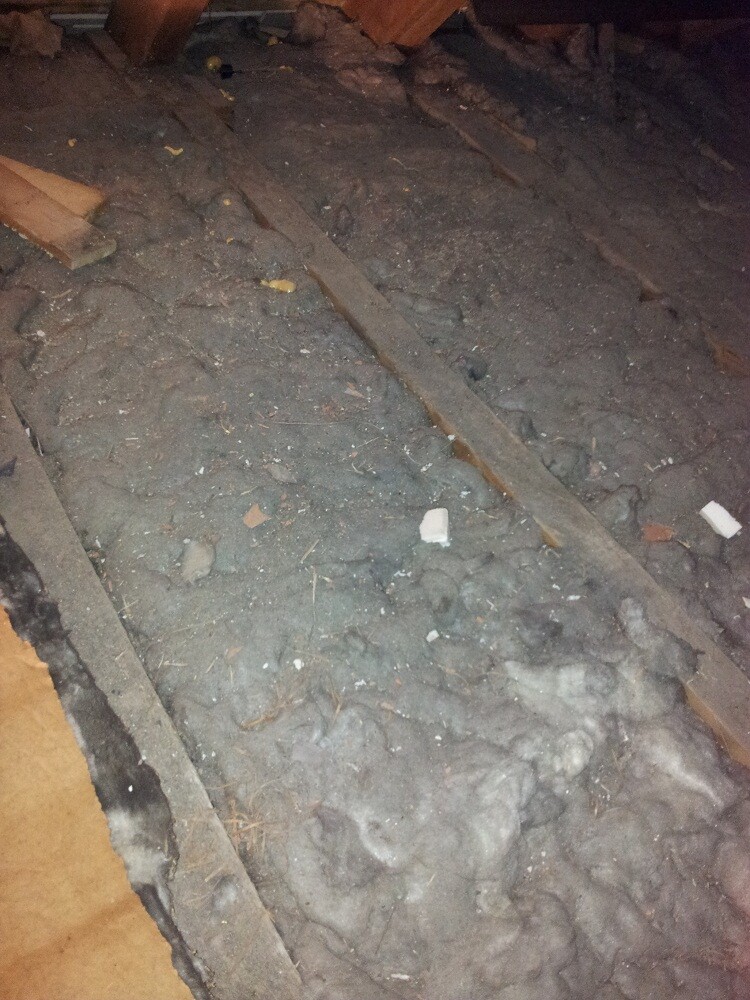
On these boards, there is about 3cm (1 inch) of fiberglass insulation, which looks terrible because of all the dirt and dust. I hope this description is somewhat clear.
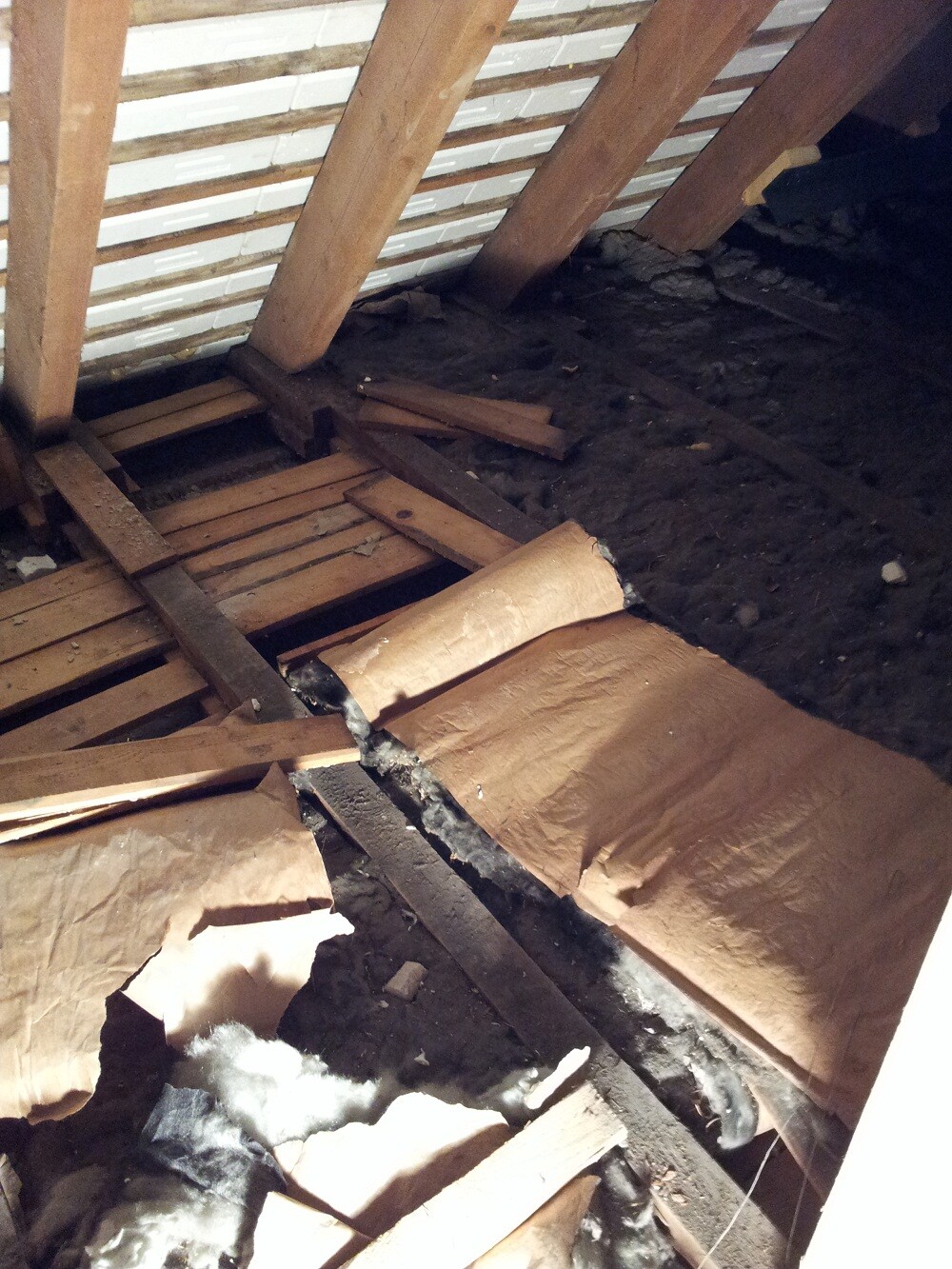
Underneath the roof panels, the roof is insulated continuously with styrofoam inserts (thermal roof). However, the insulation and the attic structure overall are very poor. It doesn’t surprise me at all that a lot of heat is lost here.
Since I definitely don’t want to leave it like this, the question now is how to properly build and insulate this space.
Here is what I had in mind:
Remove all the fiberglass insulation (it’s just dirty and worn out). Clean everything thoroughly.
Remove all the boards between the cross beams and clean everything there as well.
Then install 20cm (8 inches) of insulating wool between the cross beams and cover it with chipboard or suitable panels (so you can walk on it).
I also have a question regarding a vapor barrier—should it be installed under the insulation or not, and what is the best way to apply it? I can’t go under the cross beams, so would I have to seal each section individually?
I would be very grateful for any tips and suggestions.
Here are some pictures:
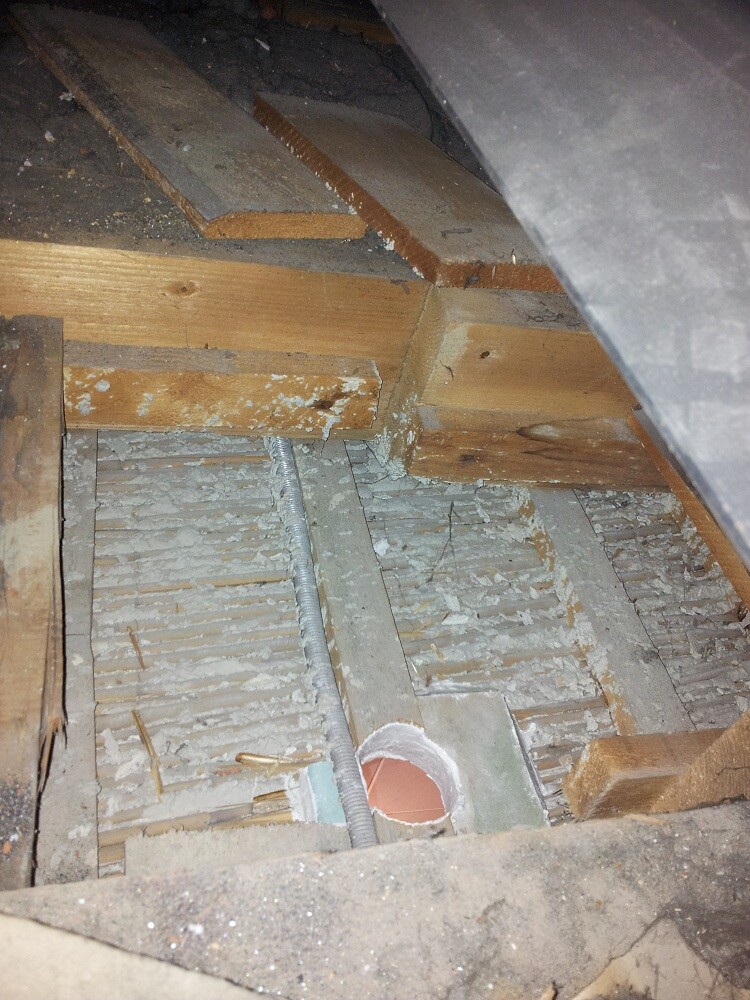
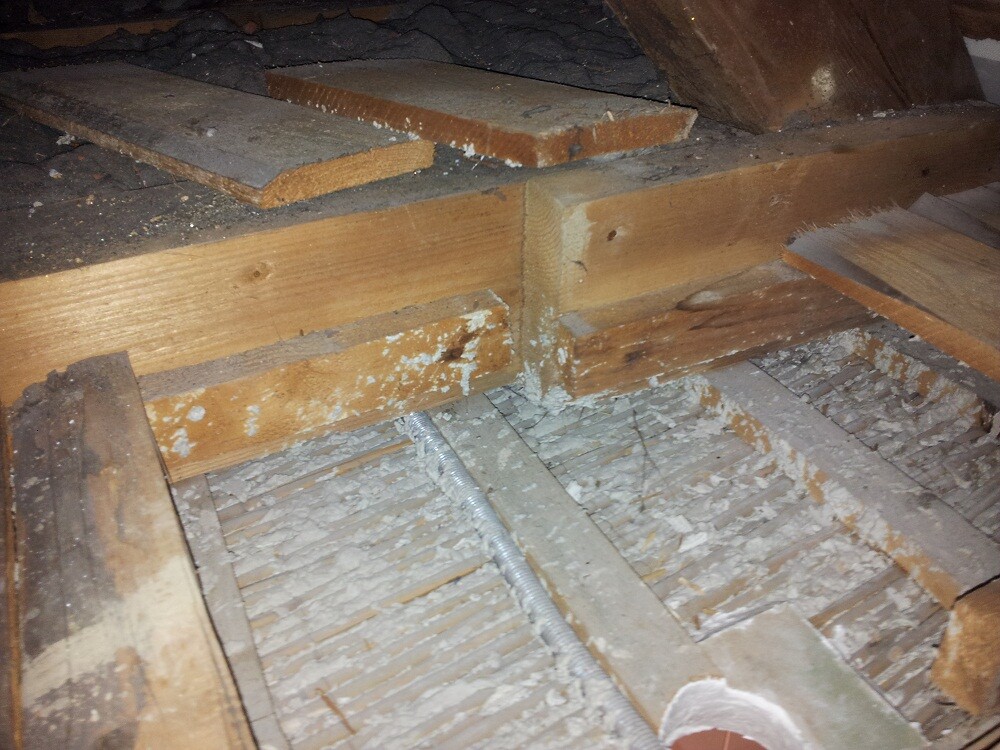

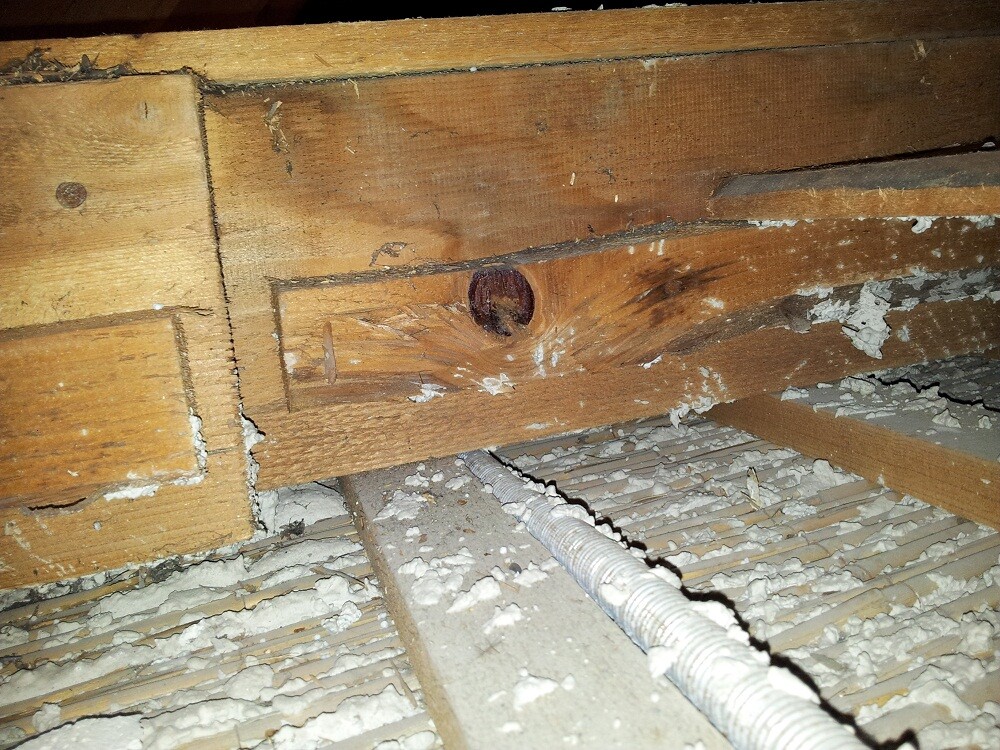
I’m new here and came across this site through various searches. Although I’ve already read quite a bit about insulation and so on, I’m still unsure about what to do in my own situation, so I signed up here.
Last spring, I bought an apartment in the attic. I’m currently renovating it completely. Originally, the plan was just to do some light whitewashing and then move in. Well… now I’ve ripped out the entire floor, installed an additional door, and I’m currently installing some recessed ceiling lights. One thing just leads to another—I’m sure many here can relate.
Since I live at the very top and wanted some recessed ceiling lights, I naturally went up to the attic. It’s actually an ideal place to install the lights since I can easily run the cables from above. So far, so good… the first lights are installed and look very nice. What looks less good, however, is the attic overall, or rather what is referred to as “insulation” there. The previous tenant mentioned that the apartment gets quite cold in winter, which doesn’t surprise me at all when I see the attic.
The attic is constructed and insulated as follows:
The ceiling is about 2cm (1 inch) thick and uses a kind of reed material as a base. This is then fixed to the cross beams with longitudinal slats that are about 2cm (1 inch) thick.
After that, there is nothing first. After about 8cm (3 inches), there is a wooden slat on which small boards lie (to cover the gaps between the cross beams).
On these boards, there is about 3cm (1 inch) of fiberglass insulation, which looks terrible because of all the dirt and dust. I hope this description is somewhat clear.
Underneath the roof panels, the roof is insulated continuously with styrofoam inserts (thermal roof). However, the insulation and the attic structure overall are very poor. It doesn’t surprise me at all that a lot of heat is lost here.
Since I definitely don’t want to leave it like this, the question now is how to properly build and insulate this space.
Here is what I had in mind:
Remove all the fiberglass insulation (it’s just dirty and worn out). Clean everything thoroughly.
Remove all the boards between the cross beams and clean everything there as well.
Then install 20cm (8 inches) of insulating wool between the cross beams and cover it with chipboard or suitable panels (so you can walk on it).
I also have a question regarding a vapor barrier—should it be installed under the insulation or not, and what is the best way to apply it? I can’t go under the cross beams, so would I have to seal each section individually?
I would be very grateful for any tips and suggestions.
Here are some pictures:
Is a vapor barrier really necessary here? It’s not a conventional concrete ceiling but a dry reed ceiling covered with plaster (about 1-2 cm (0.8-0.8 inches) thick). Installing a vapor barrier would be quite difficult and complicated over the cross beams.
Otherwise, approximately 20 cm (8 inches) of new mineral wool insulation directly on the ceiling (in every space between the cross beams). Then cover the top completely with particle boards? At least it should be walkable.
Otherwise, approximately 20 cm (8 inches) of new mineral wool insulation directly on the ceiling (in every space between the cross beams). Then cover the top completely with particle boards? At least it should be walkable.
So.. I’ll try again.. even though there’s not much response.
In the meantime, I’ve removed and disposed of all the old mineral wool insulation. Right now, I’m cleaning up as best as I can with an industrial vacuum to make it look somewhat tidy. I’ve also gotten rid of all the junk and trash that had been “forgotten” there.
Now, the question again: Is a vapor barrier really necessary for a ceiling like this? As I mentioned, it’s a very thin ceiling (about 1.5cm (0.6 inches) plaster or concrete with reed as the carrier material). So the ceiling is basically as dry as straw. I can’t imagine that such a ceiling would still release moisture vapor. It’s not a solid screed ceiling.
Also, in the sloped roof area, the previous insulation wool was placed directly on the ceiling without any membrane. So it’s not even possible to install a membrane there now.
Once the insulation wool is installed in the attic (with or without a vapor barrier), should a membrane then be installed completely over it to prevent dust from settling? Or should it be fully covered with particle boards? I’m planning to get rid of those small boards anyway.
Best regards
In the meantime, I’ve removed and disposed of all the old mineral wool insulation. Right now, I’m cleaning up as best as I can with an industrial vacuum to make it look somewhat tidy. I’ve also gotten rid of all the junk and trash that had been “forgotten” there.
Now, the question again: Is a vapor barrier really necessary for a ceiling like this? As I mentioned, it’s a very thin ceiling (about 1.5cm (0.6 inches) plaster or concrete with reed as the carrier material). So the ceiling is basically as dry as straw. I can’t imagine that such a ceiling would still release moisture vapor. It’s not a solid screed ceiling.
Also, in the sloped roof area, the previous insulation wool was placed directly on the ceiling without any membrane. So it’s not even possible to install a membrane there now.
Once the insulation wool is installed in the attic (with or without a vapor barrier), should a membrane then be installed completely over it to prevent dust from settling? Or should it be fully covered with particle boards? I’m planning to get rid of those small boards anyway.
Best regards
Hello everyone,
I have nearly finished renovating my apartment. Now, the only thing left is insulating the attic above me. I removed all the old, dirty material in spring and thoroughly cleaned everything (using an industrial vacuum to get rid of all the dirt and dust). I also cleaned between the beams. Now the question is how to properly insulate so that it really makes a difference? One of the problems is the gaps between the sloped roof and the roof itself, as shown clearly in the sketch above. I’ve also taken some pictures.
Should I just stuff insulation batts in there? Installing a vapor retarder here is out of the question. There’s no real way to access the area properly, and achieving a tight seal is definitely impossible.
For the cross beams, I plan to remove the small boards, install a vapor retarder (over the beams and down into the spaces) and try to tape it as tightly as possible. The question then is how to seal the vapor retarder where it meets the sloped roof. Also, the surface is quite rough and partly sharp-edged. How does that affect the membrane?
After that, I would fill the gaps between the cross beams with glass wool insulation. Probably best up to the top edge of the cross beams, right? If I put the small boards back, only 100–120mm (4–5 inches) of insulation batts would fit. Up to the top would allow 180mm (7 inches).
I would really appreciate some help. I’m not sure what makes the most sense here. I probably won’t get a proper seal because of the gaps. It’s complicated.
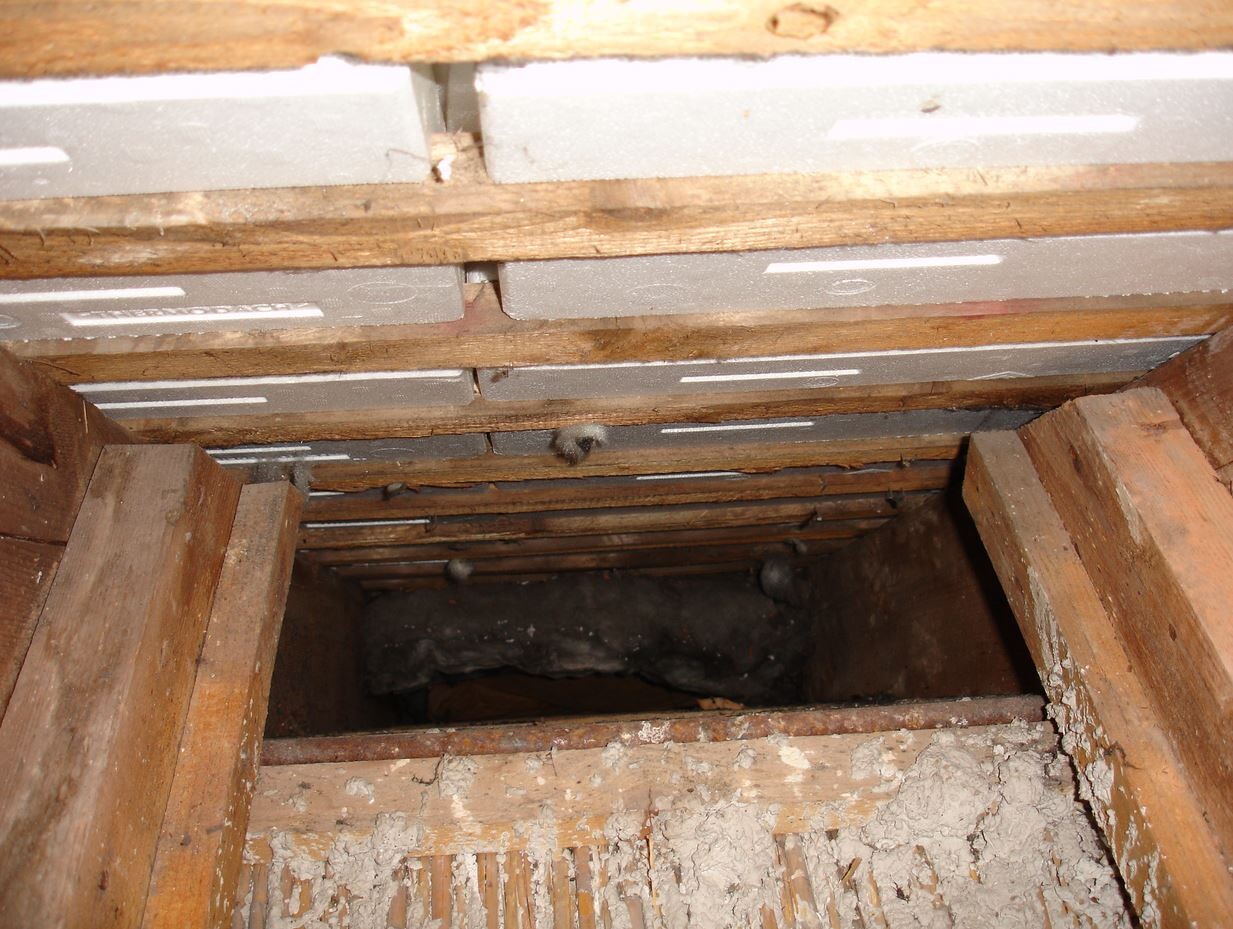
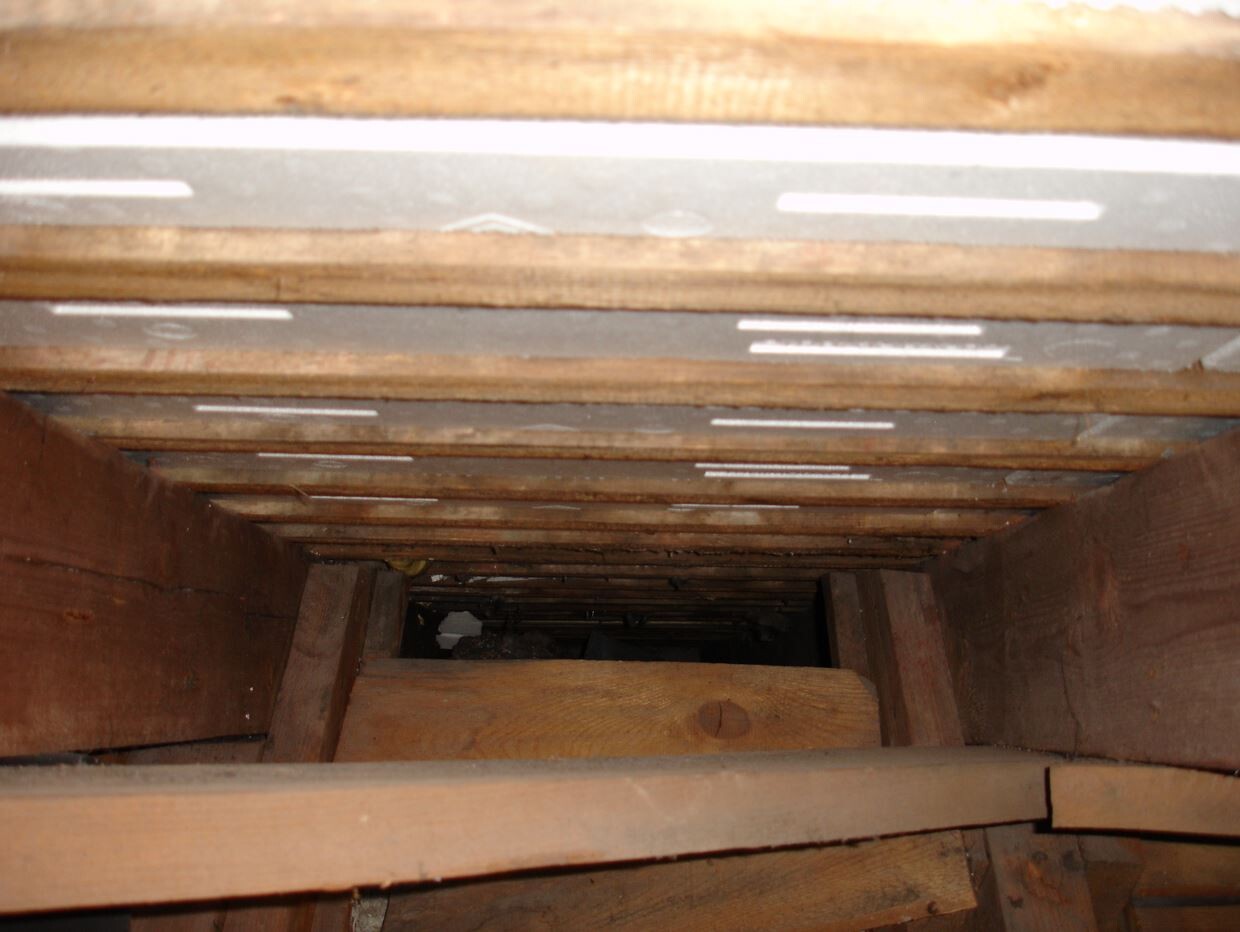
Here are the gaps in the sloped roof:
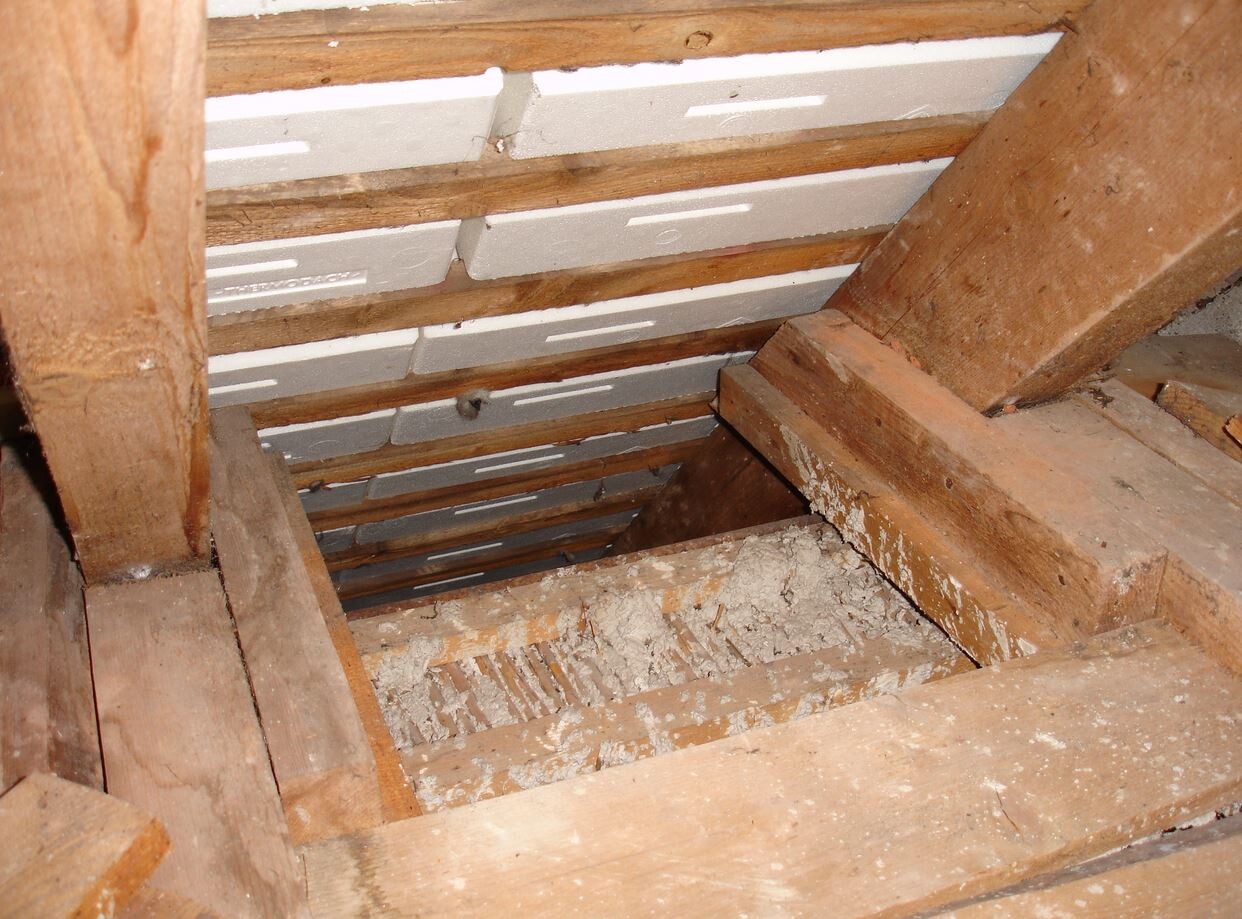
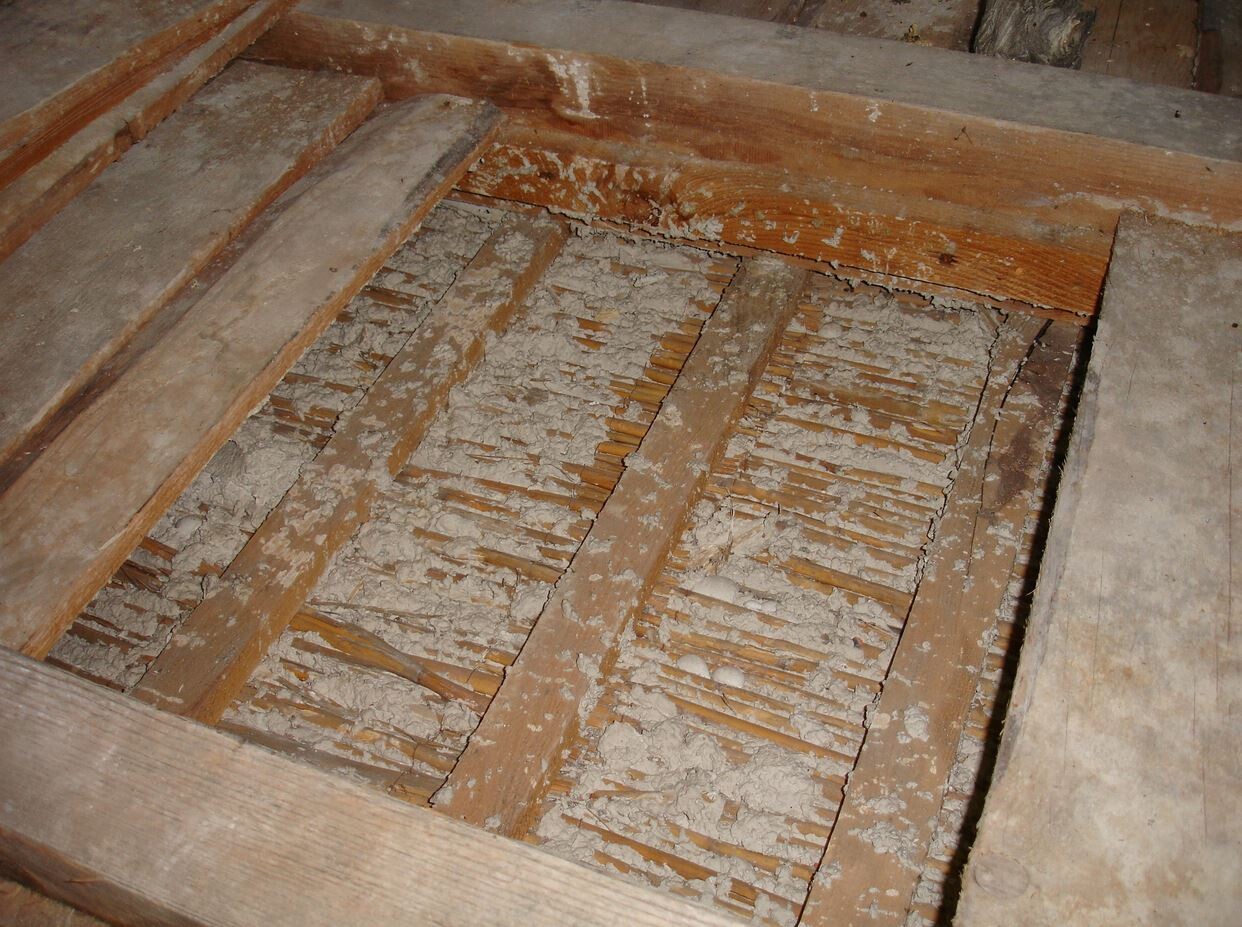
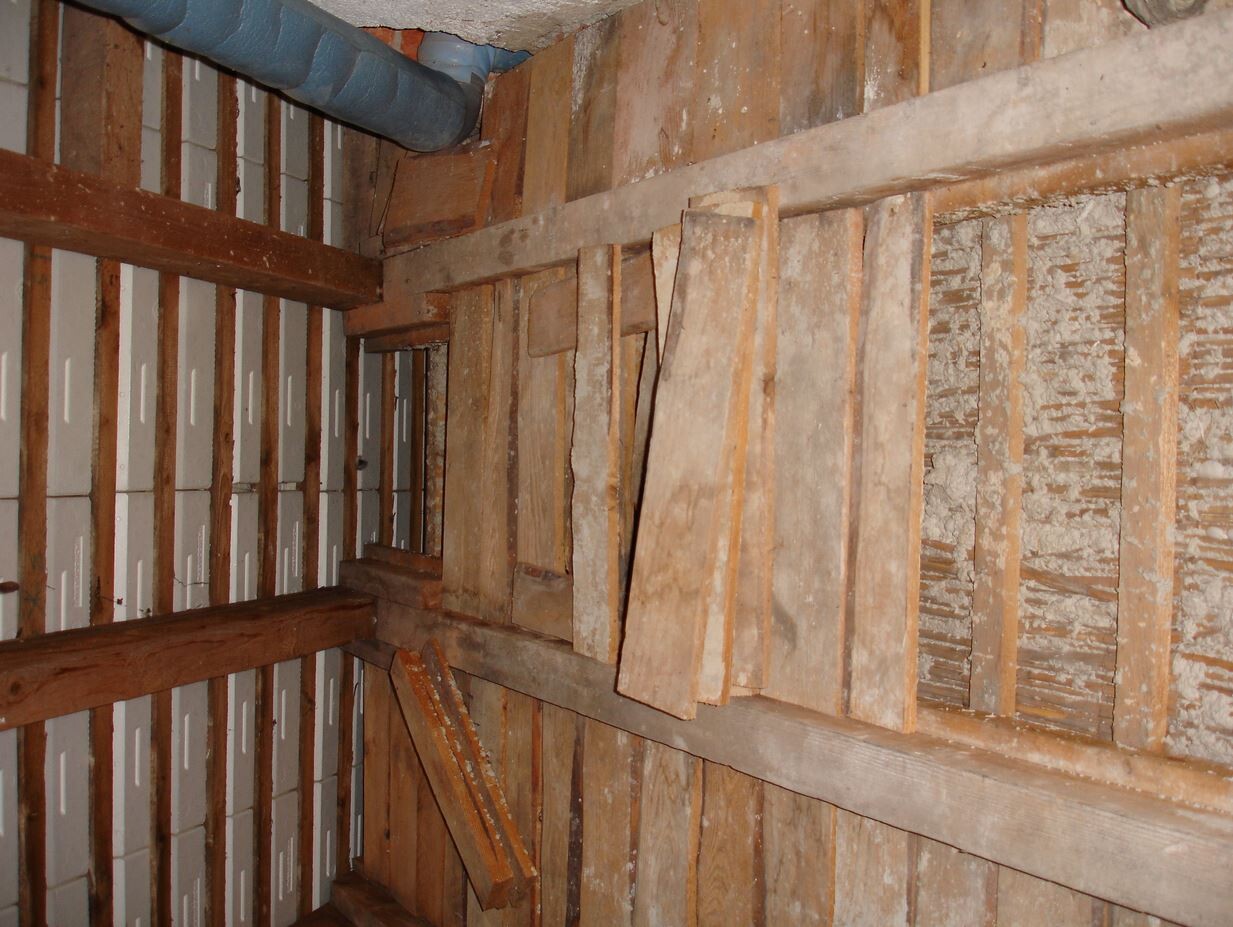
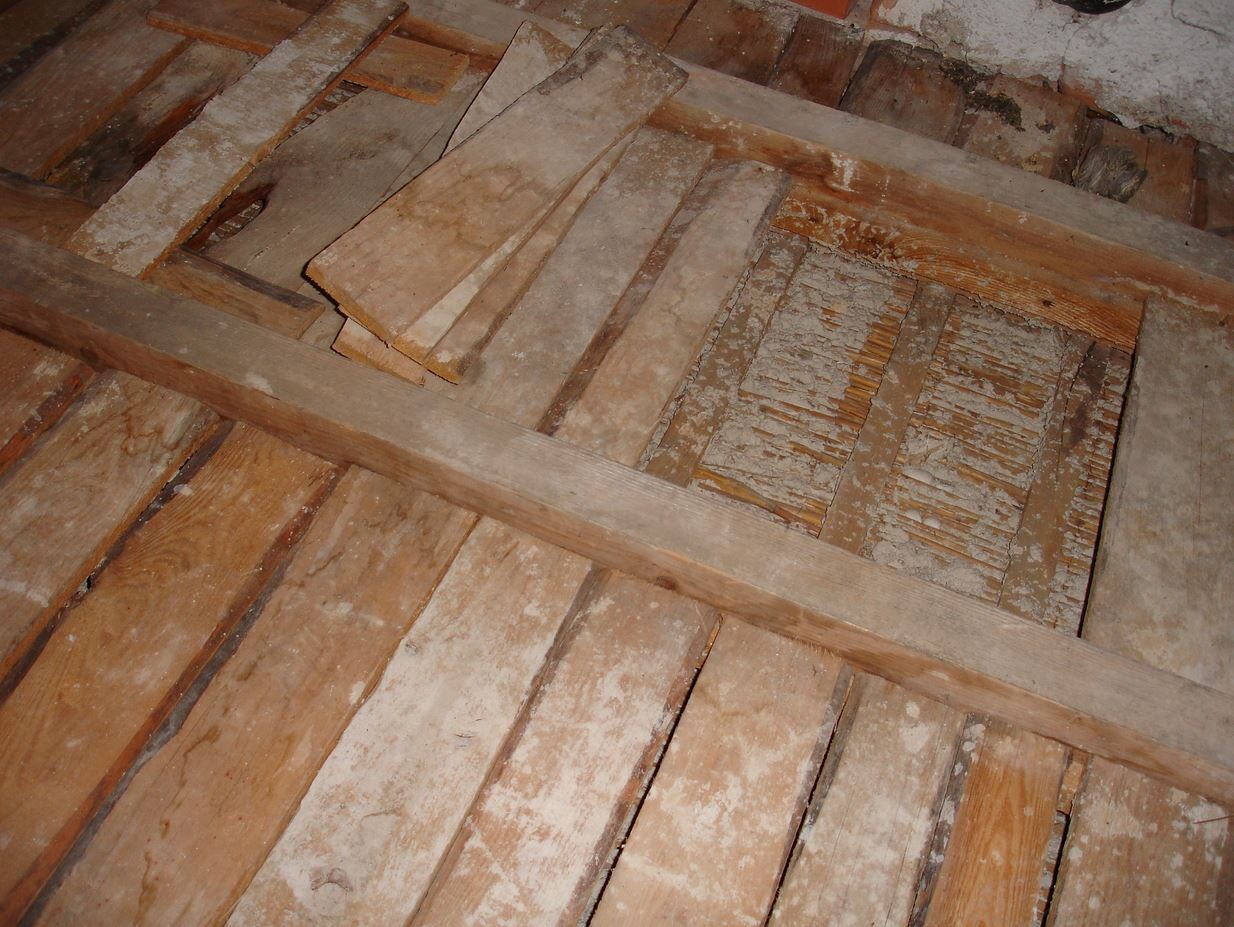
And here’s a top view (small boards removed):
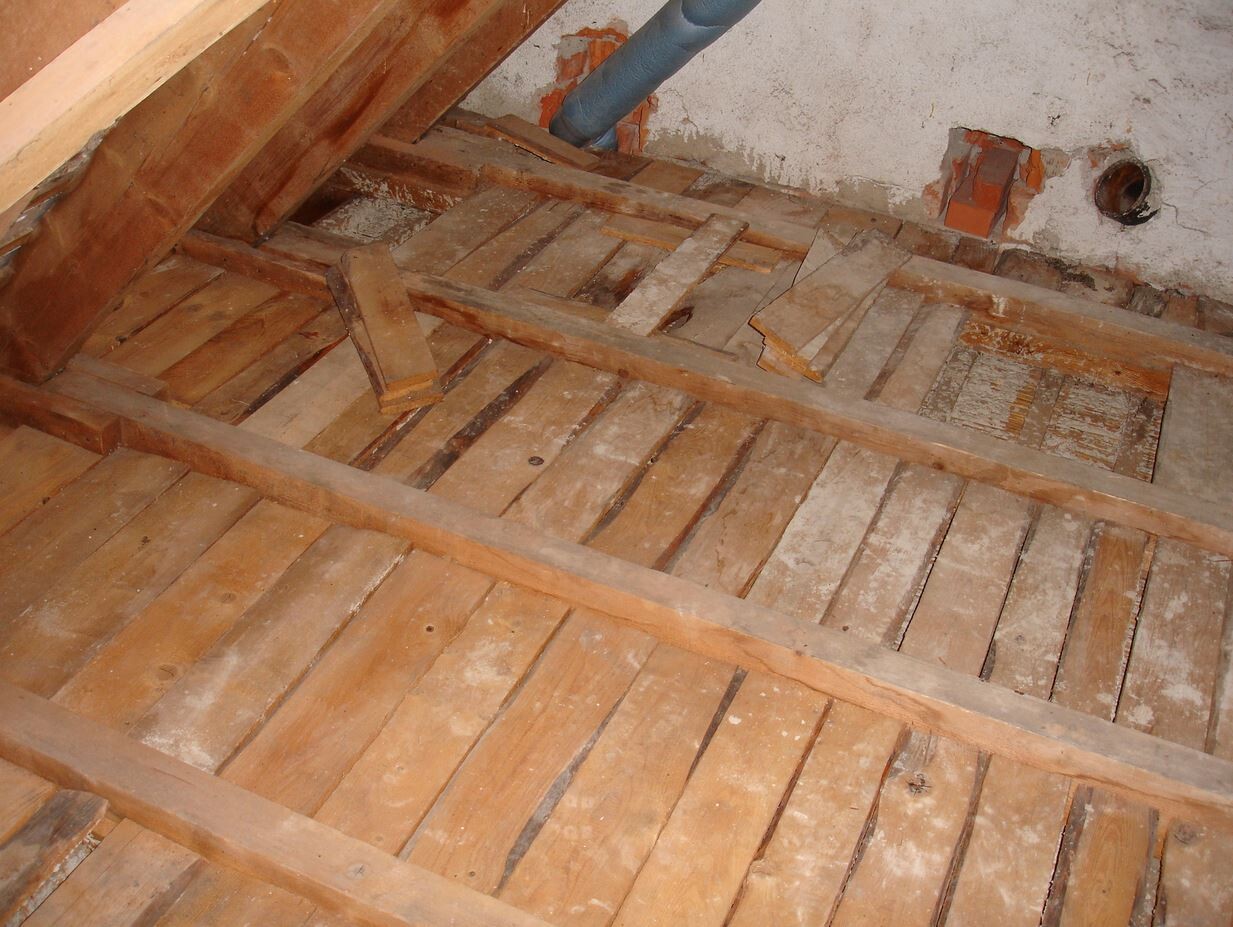
I have nearly finished renovating my apartment. Now, the only thing left is insulating the attic above me. I removed all the old, dirty material in spring and thoroughly cleaned everything (using an industrial vacuum to get rid of all the dirt and dust). I also cleaned between the beams. Now the question is how to properly insulate so that it really makes a difference? One of the problems is the gaps between the sloped roof and the roof itself, as shown clearly in the sketch above. I’ve also taken some pictures.
Should I just stuff insulation batts in there? Installing a vapor retarder here is out of the question. There’s no real way to access the area properly, and achieving a tight seal is definitely impossible.
For the cross beams, I plan to remove the small boards, install a vapor retarder (over the beams and down into the spaces) and try to tape it as tightly as possible. The question then is how to seal the vapor retarder where it meets the sloped roof. Also, the surface is quite rough and partly sharp-edged. How does that affect the membrane?
After that, I would fill the gaps between the cross beams with glass wool insulation. Probably best up to the top edge of the cross beams, right? If I put the small boards back, only 100–120mm (4–5 inches) of insulation batts would fit. Up to the top would allow 180mm (7 inches).
I would really appreciate some help. I’m not sure what makes the most sense here. I probably won’t get a proper seal because of the gaps. It’s complicated.
Here are the gaps in the sloped roof:
And here’s a top view (small boards removed):

As you can see, remote diagnoses are quite difficult here... I would like to help you, but I am inexperienced when it comes to roof insulation... I would simply recommend bringing in someone who is knowledgeable in this area, as you can make quite a few mistakes with roofing.
It could work if you only lay the mineral wool on top. BUT: your problem is that the holes created by the drillings (in this case, for recessed lights) allow warm, moist air from the living space to flow freely into the cold attic and condense there!
If you don’t install a vapor retarder (please do NOT use a vapor barrier over the beams! That will cause high moisture and mold in the ceiling beams after about a year!!!), and if you do use a vapor retarder, it must always be placed on the warm side – so ideally beneath the beams, coming from the room side (there are also vapor-retardant wallpapers which could be useful).
The recessed lights should be reasonably sealed to prevent drafts, then lay the mineral wool on top, and above that, at most, some tongue-and-groove boards (these can absorb and release moisture) spaced apart with ventilation gaps. Under no circumstances install chipboard or seal tightly! OSB boards are basically vapor-tight – moisture can pass upward through the mineral wool (which is vapor-permeable), but it will condense at the OSB boards since it cannot escape. This causes the boards to get wet, develop mold, drip moisture onto the mineral wool below, which then gets damp and compresses, etc.
So: always design for vapor permeability! Is your attic properly ventilated? If yes, a construction without a vapor retarder should be possible; if not, moisture problems and damage can occur.
You should have an expert take a look at this! Cellulose insulation could be installed without any problems – including in the sloped roof areas! Advantages: even distribution, better performance in case of moisture issues, quick installation (pumped in through a hose), and relatively affordable.
Don’t make a mistake here! Otherwise, you may face a major problem within five years when the roof structure starts to rot…
If you don’t install a vapor retarder (please do NOT use a vapor barrier over the beams! That will cause high moisture and mold in the ceiling beams after about a year!!!), and if you do use a vapor retarder, it must always be placed on the warm side – so ideally beneath the beams, coming from the room side (there are also vapor-retardant wallpapers which could be useful).
The recessed lights should be reasonably sealed to prevent drafts, then lay the mineral wool on top, and above that, at most, some tongue-and-groove boards (these can absorb and release moisture) spaced apart with ventilation gaps. Under no circumstances install chipboard or seal tightly! OSB boards are basically vapor-tight – moisture can pass upward through the mineral wool (which is vapor-permeable), but it will condense at the OSB boards since it cannot escape. This causes the boards to get wet, develop mold, drip moisture onto the mineral wool below, which then gets damp and compresses, etc.
So: always design for vapor permeability! Is your attic properly ventilated? If yes, a construction without a vapor retarder should be possible; if not, moisture problems and damage can occur.
You should have an expert take a look at this! Cellulose insulation could be installed without any problems – including in the sloped roof areas! Advantages: even distribution, better performance in case of moisture issues, quick installation (pumped in through a hose), and relatively affordable.
Don’t make a mistake here! Otherwise, you may face a major problem within five years when the roof structure starts to rot…
Hello, thanks for the reply. So, a vapor retarder wouldn’t be suitable here, which wouldn’t work well with the roof structure anyway (even without recessed lights), since I can’t place the membrane beneath the beams.
Using insulation like mineral wool or glass wool without a vapor retarder between the beams (cutting out the areas for the recessed lights) probably doesn’t make much sense either, right? As far as I can tell, the recessed lights are already quite airtight.
I’m aware that I shouldn’t close off the top with OSB boards. Tongue-and-groove boards would be a good alternative to keep it ventilated. The attic has ventilation openings on the gable ends, so it is ventilated.
Would it be possible to cut Styrofoam (expanded polystyrene) boards and place them between the beams? I might be able to get a larger quantity cheaply. The question is whether it would help or at least be better than nothing.
Or would it also make sense to just place Styrofoam boards over the existing beams and boards?
I will definitely try to find someone who has expertise on this.
Using insulation like mineral wool or glass wool without a vapor retarder between the beams (cutting out the areas for the recessed lights) probably doesn’t make much sense either, right? As far as I can tell, the recessed lights are already quite airtight.
I’m aware that I shouldn’t close off the top with OSB boards. Tongue-and-groove boards would be a good alternative to keep it ventilated. The attic has ventilation openings on the gable ends, so it is ventilated.
Would it be possible to cut Styrofoam (expanded polystyrene) boards and place them between the beams? I might be able to get a larger quantity cheaply. The question is whether it would help or at least be better than nothing.
Or would it also make sense to just place Styrofoam boards over the existing beams and boards?
I will definitely try to find someone who has expertise on this.
Similar topics