
Good morning,
We have a problem with water behind the grout in our shower. However, our tiler is not very cooperative. Maybe someone has experience with this issue and can give us an opinion before we contact an expert:
- The shower in the guest bathroom has only been used 5 times since we moved in, so wear and tear can be ruled out.
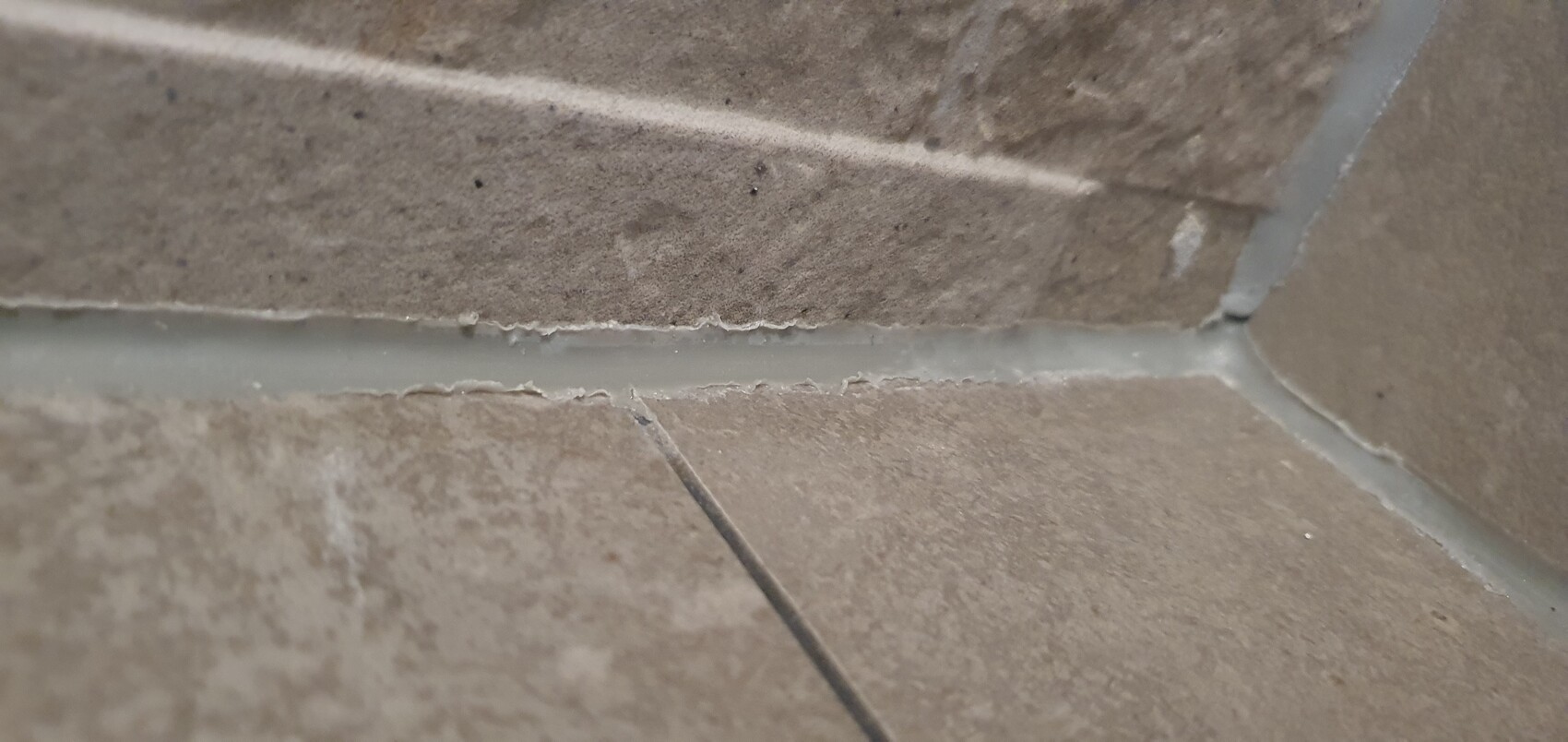
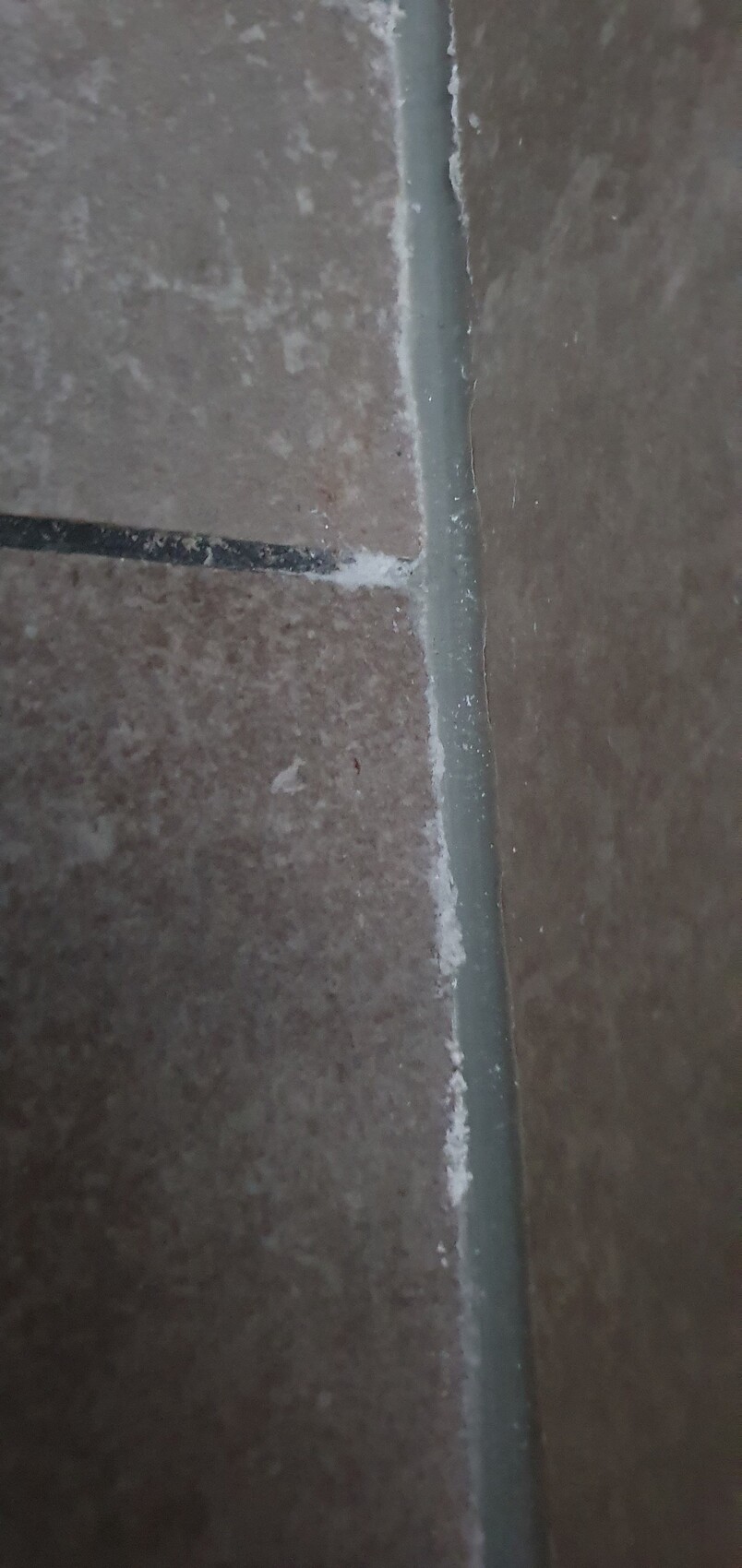
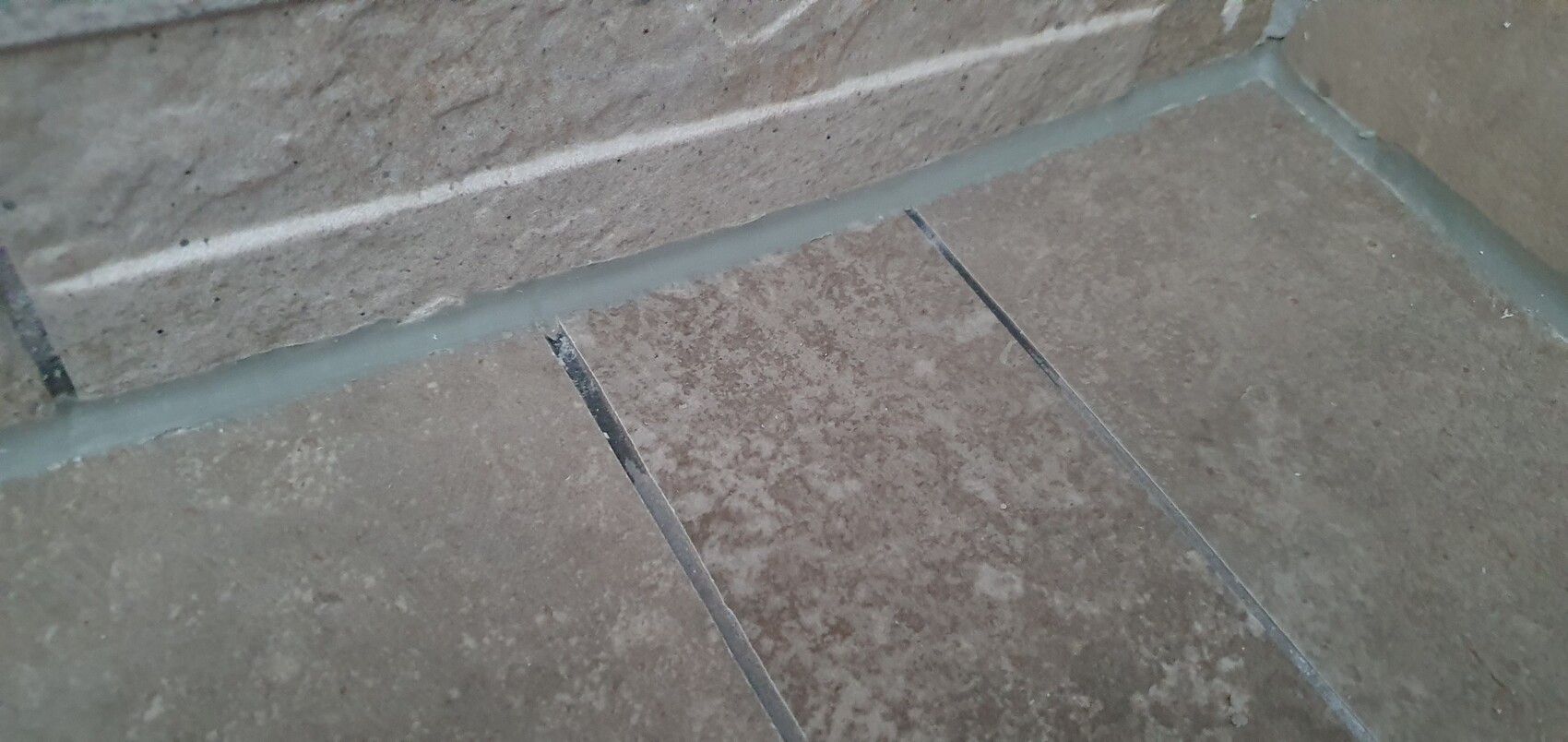
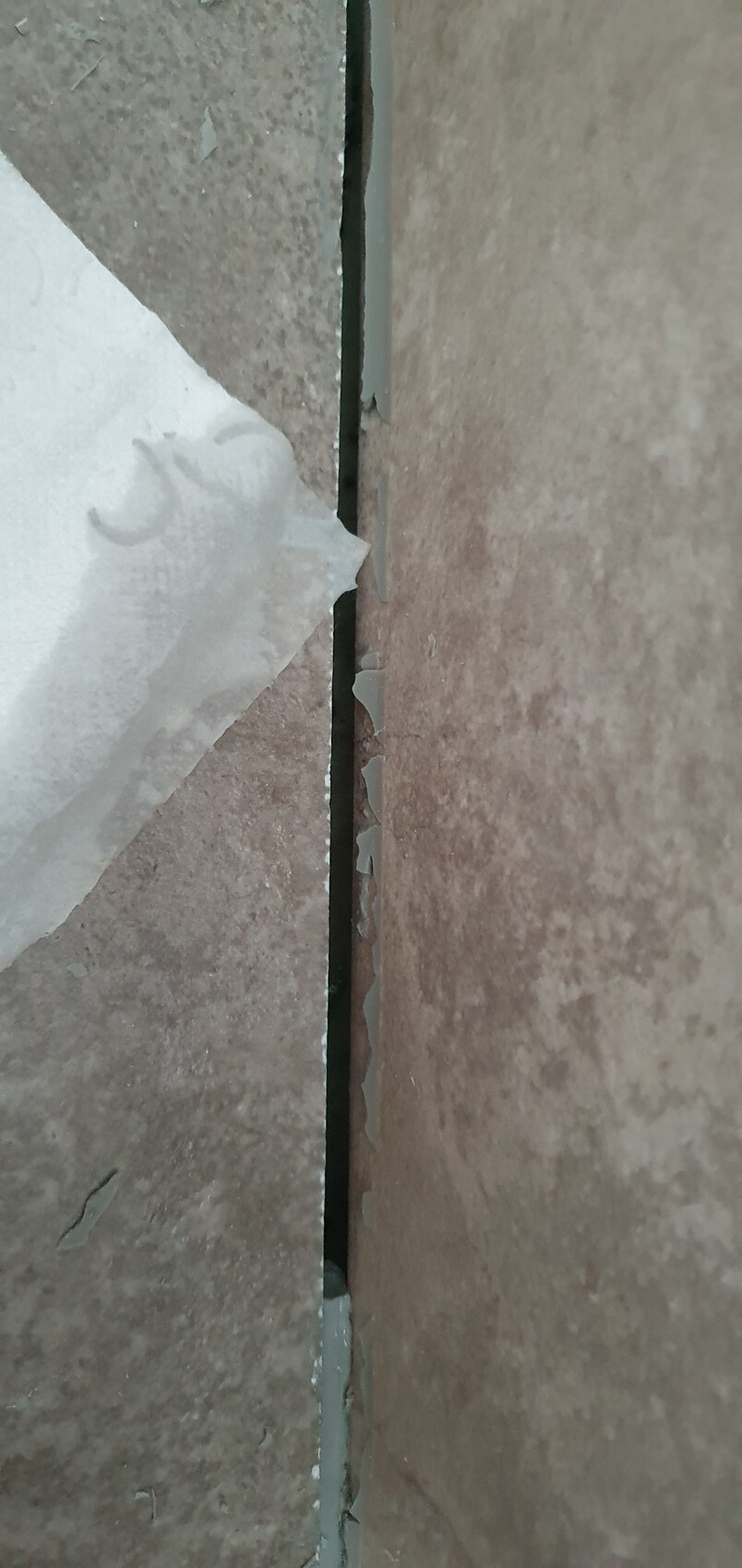
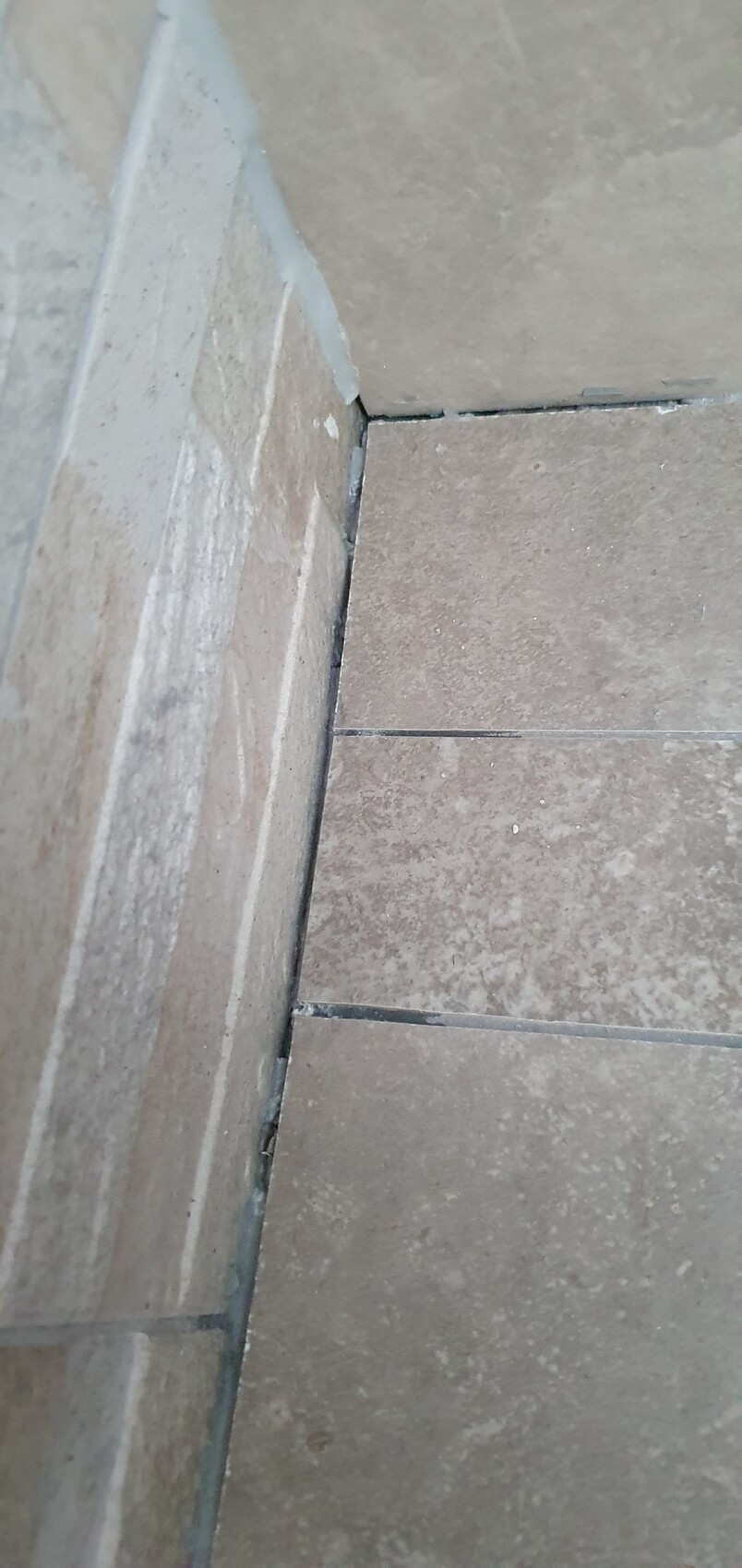
- The grout in the shower, especially where the floor meets the wall tiles, has come loose and appears to be leaking salts (?). In the photos, you can see that the regular grout near the silicone joints is noticeably darker, which we believe indicates moisture.
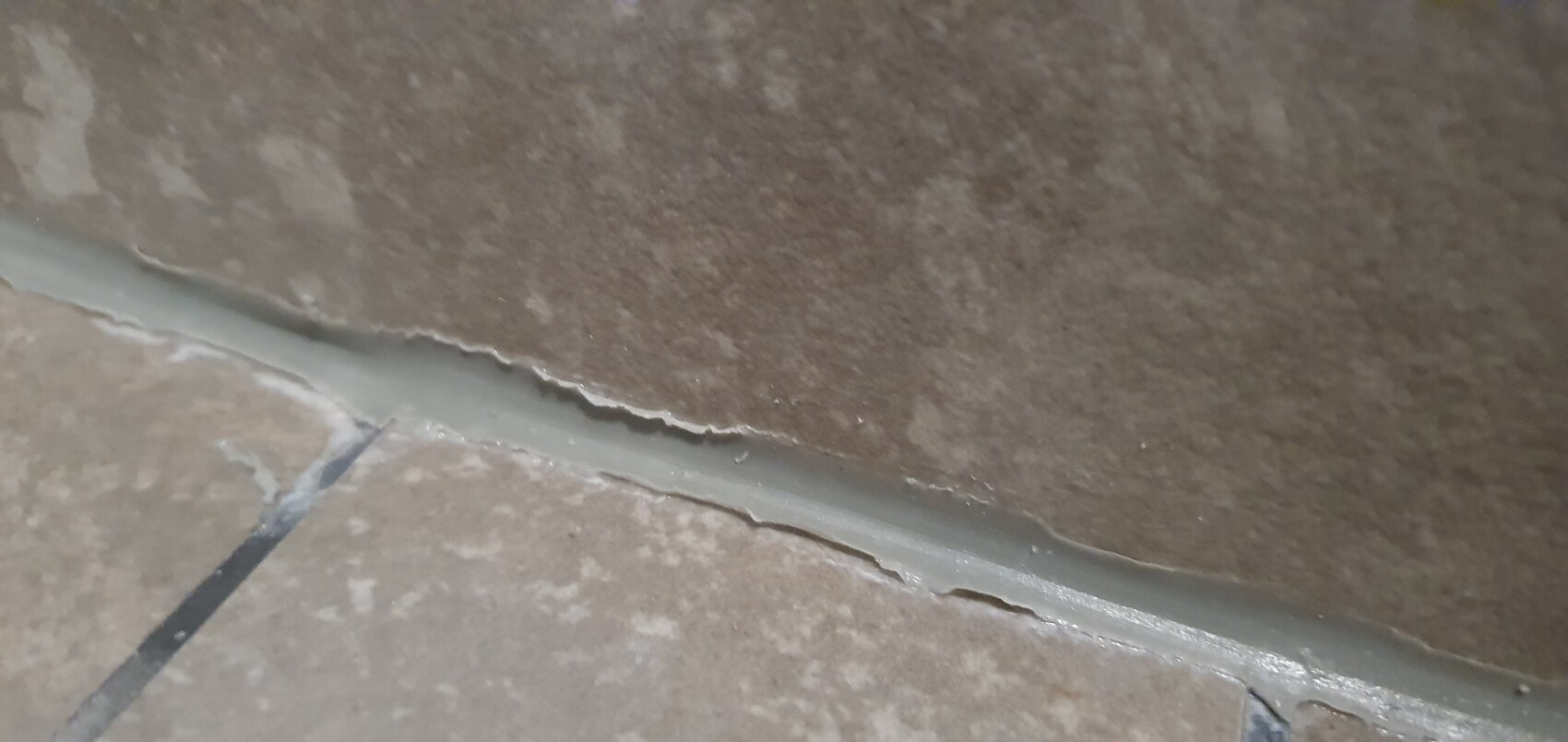
- We informed the tiler about the problem, and he said these were maintenance joints, so it’s not a warranty issue, but he would redo the grout. He then applied a new silicone bead over the old one, which peeled off immediately after just one shower (silicone on silicone, of course, didn’t hold). The dark areas on the grout remained several weeks after the last shower. When pressing on the new joints, water also came out of the grout.
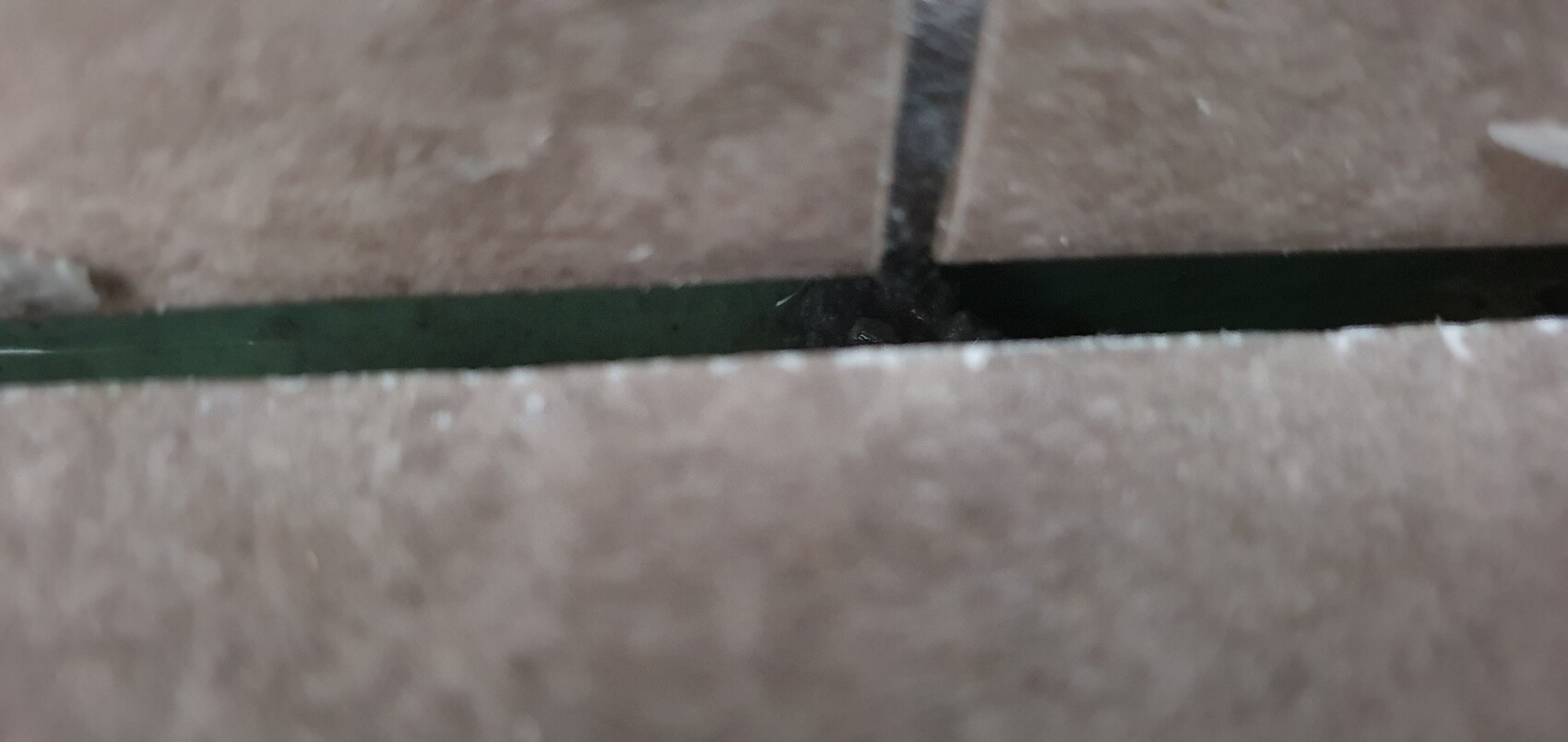
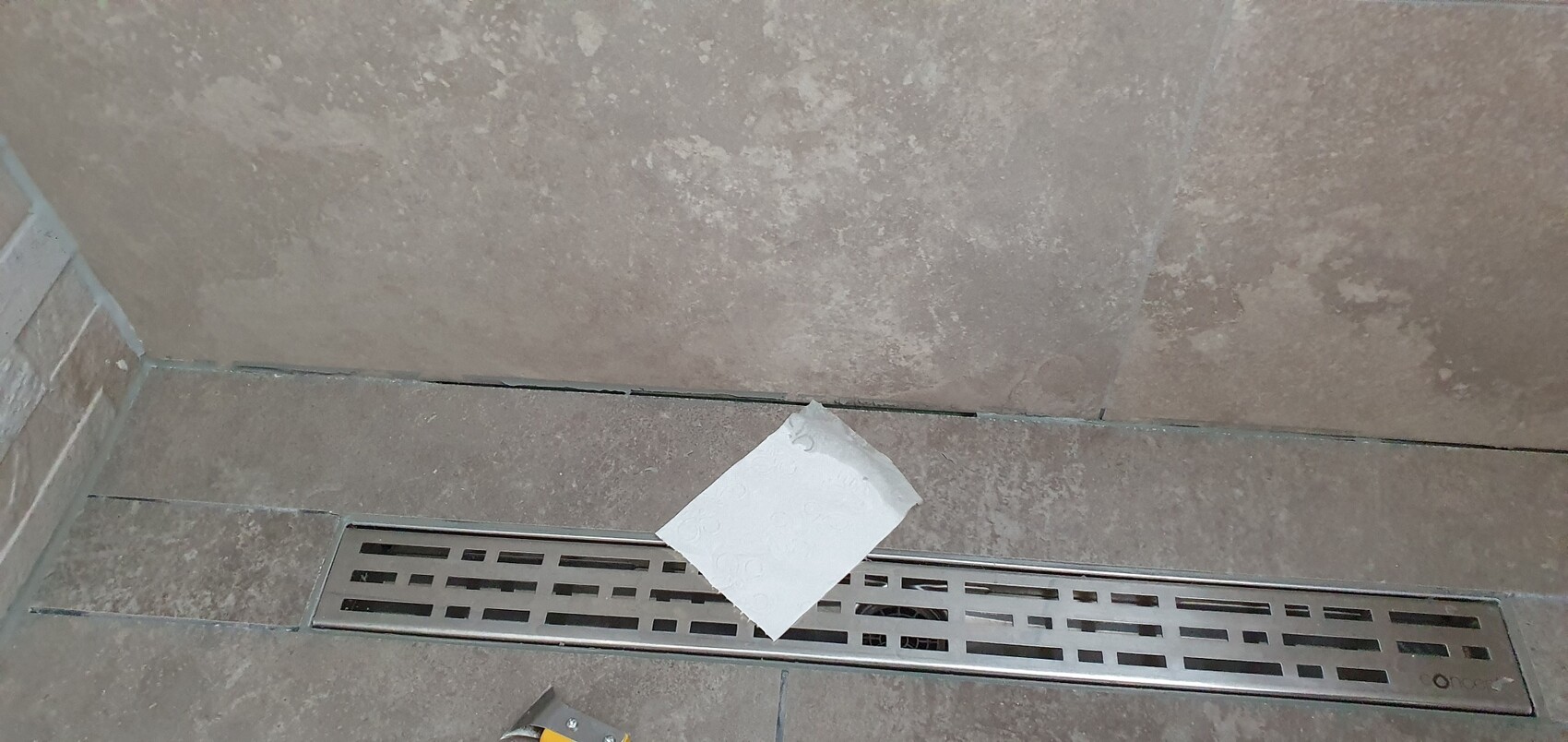
- Since the new grout separated from the old, and the old grout was already damaged, I removed the silicone to redo the grouting completely. During this process, we could see that water had collected behind the grout and there are large voids. A piece of paper pushed between the grout pulled water out immediately.
- This means the grout is allowing water to pass through, and water is collecting in these voids. If water continues to accumulate there and cannot dry out (since it is behind the silicone joints), are we not looking at water damage very soon?
Is this normal? In our opinion, this area should be sealed so that no water can collect there.
Thank you in advance if anyone can provide an assessment.


We have a problem with water behind the grout in our shower. However, our tiler is not very cooperative. Maybe someone has experience with this issue and can give us an opinion before we contact an expert:
- The shower in the guest bathroom has only been used 5 times since we moved in, so wear and tear can be ruled out.
- The grout in the shower, especially where the floor meets the wall tiles, has come loose and appears to be leaking salts (?). In the photos, you can see that the regular grout near the silicone joints is noticeably darker, which we believe indicates moisture.
- We informed the tiler about the problem, and he said these were maintenance joints, so it’s not a warranty issue, but he would redo the grout. He then applied a new silicone bead over the old one, which peeled off immediately after just one shower (silicone on silicone, of course, didn’t hold). The dark areas on the grout remained several weeks after the last shower. When pressing on the new joints, water also came out of the grout.
- Since the new grout separated from the old, and the old grout was already damaged, I removed the silicone to redo the grouting completely. During this process, we could see that water had collected behind the grout and there are large voids. A piece of paper pushed between the grout pulled water out immediately.
- This means the grout is allowing water to pass through, and water is collecting in these voids. If water continues to accumulate there and cannot dry out (since it is behind the silicone joints), are we not looking at water damage very soon?
Is this normal? In our opinion, this area should be sealed so that no water can collect there.
Thank you in advance if anyone can provide an assessment.
W
WilderSueden10 Oct 2023 14:14Tolentino schrieb:
The fact that so much water is pushing upward and has not already found its way into the wall or across the floor into another room (where exactly is the shower located?) suggests that the waterproofing is in place and is holding.
However, this does not change the necessary course of action, since a cavity where water can accumulate for a long time without drying must be avoided. It is also interesting to consider how the area outside the shower was waterproofed. It’s good if the shower area is well sealed and water follows the slope toward the drain... but it seems the slope may not be fully present in the subfloor here, and unfortunately, water could run under the tiles into unsealed areas.
If there is a cavity beneath the tiles, there is no point in debating whether it can be solved without damage. But the expert should be able to detect the cavity using ultrasound.
Similar topics