
ᐅ New construction, concrete slab foundation, cracks are acceptable
Created on: 22 Jun 2017 17:16
3
305er
Hi,
the concrete slab was poured during intense heat last month and then covered with a black plastic sheet.
However, it was not watered or kept moist.
When we visited the construction site the next afternoon, we found that the plastic sheet had been blown away in some areas.
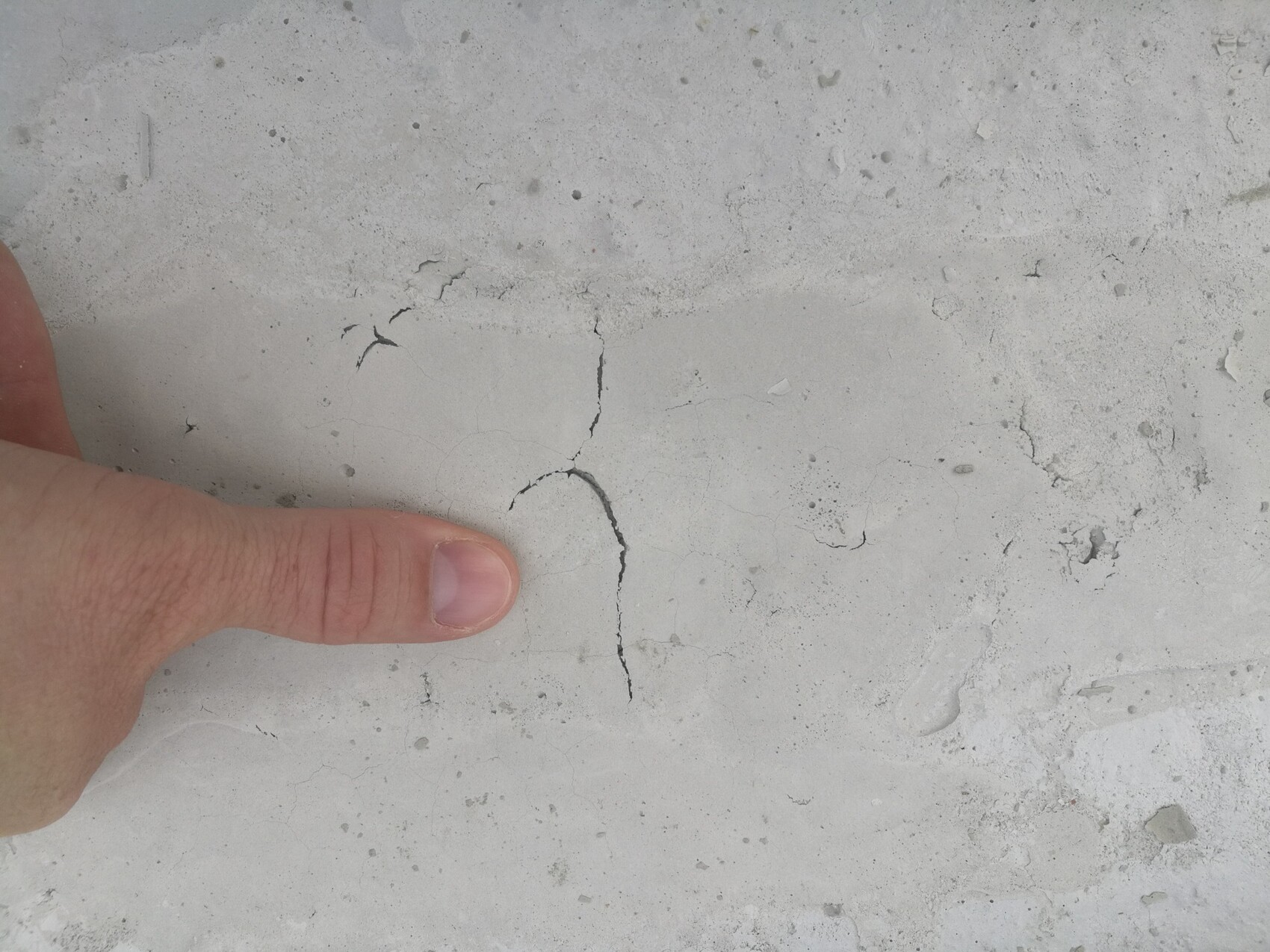
I noticed cracks in those spots.
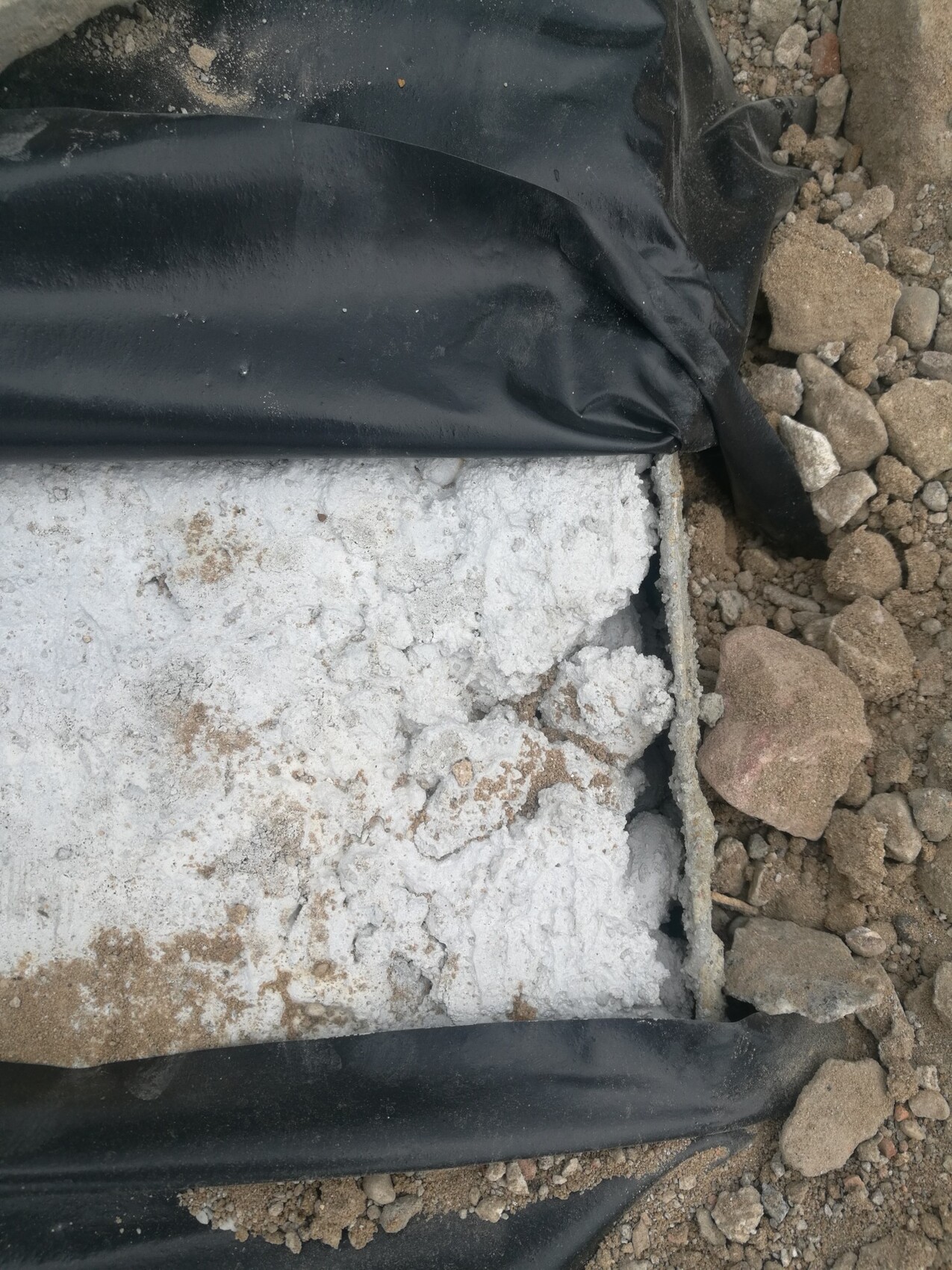
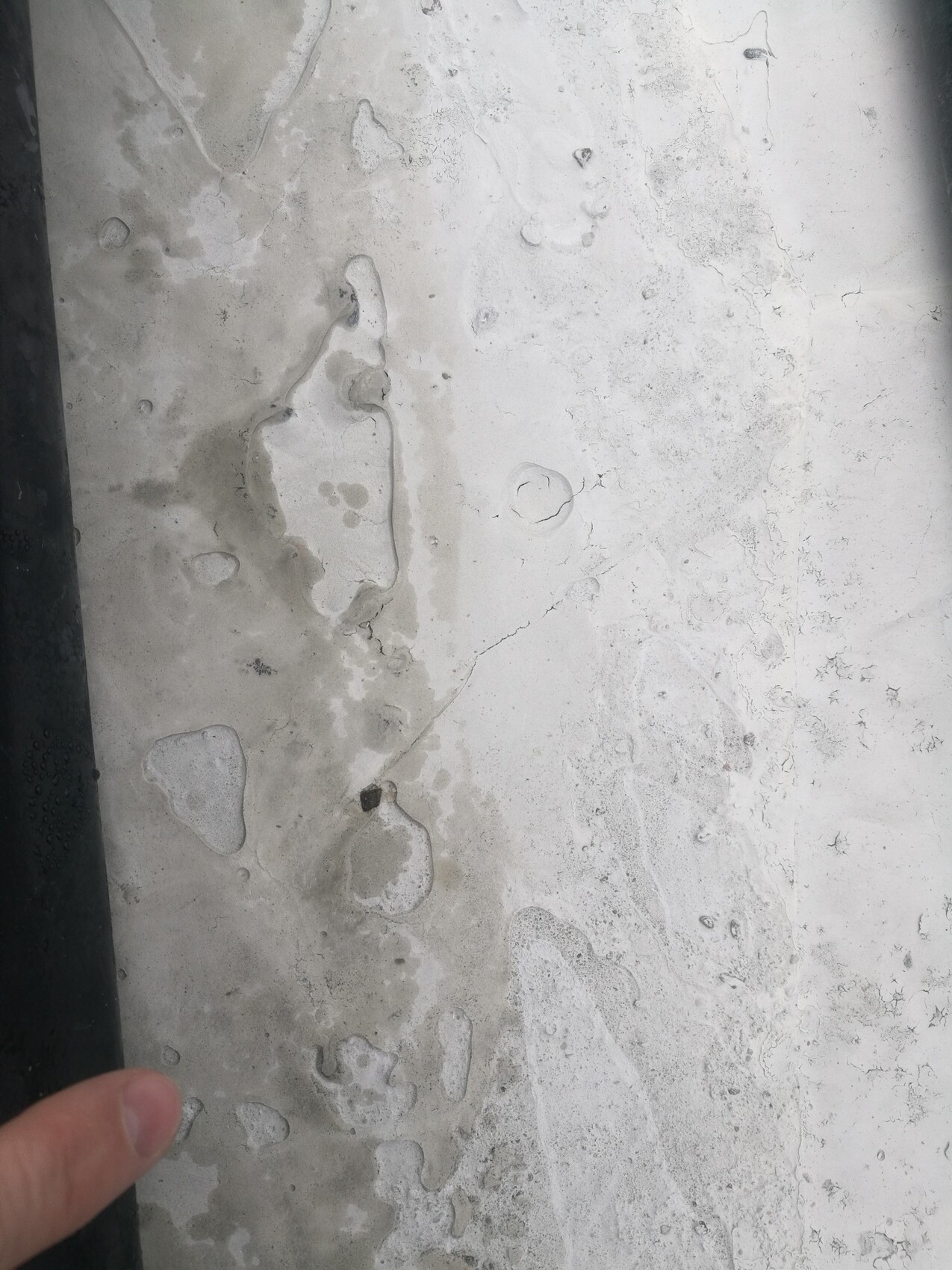
Today, I went back to take another look at the slab and lifted the plastic sheet in some places, which revealed the following, as shown in the pictures. The photo of the edge is at the bay window.
This is a watertight concrete (WU) slab.
Is this a serious issue? Does it need to be repaired or can it be left as is?
the concrete slab was poured during intense heat last month and then covered with a black plastic sheet.
However, it was not watered or kept moist.
When we visited the construction site the next afternoon, we found that the plastic sheet had been blown away in some areas.
I noticed cracks in those spots.
Today, I went back to take another look at the slab and lifted the plastic sheet in some places, which revealed the following, as shown in the pictures. The photo of the edge is at the bay window.
This is a watertight concrete (WU) slab.
Is this a serious issue? Does it need to be repaired or can it be left as is?
K
Knallkörper23 Jun 2017 09:49I wouldn’t dismiss this so easily. There are clear regulations for curing, and if these are not followed, reduced strength should be expected. Why accept concrete that does not reach the agreed or required strength? Why accept a trade that has not been carried out according to recognized technical standards? I would file a defect notice.
Hi, the site manager replied to my email with the pictures as follows:
The cracks shown in the photos are shrinkage and drying cracks and have no impact on the foundation slab.
These cracks will not be repaired.
The defects along the edges will be filled with mortar when the first row of blocks is installed.
Whether you choose to believe this or not is up to you.
The cracks shown in the photos are shrinkage and drying cracks and have no impact on the foundation slab.
These cracks will not be repaired.
The defects along the edges will be filled with mortar when the first row of blocks is installed.
Whether you choose to believe this or not is up to you.
K
Knallkörper23 Jun 2017 11:31That is quite an unusual formwork at the corner. What material is it made of? Is this an external corner where a vertical wall will later be placed? With these gaps, is the required concrete cover even being maintained?
In general, rapid drying of concrete can negatively affect its strength and watertightness, and watertightness is particularly important for water-resistant concrete. At temperatures above 25°C (77°F), strict curing requirements must be followed, such as keeping the concrete moist. For water-resistant concrete, proper curing is specifically mentioned in the relevant guidelines, if I’m not mistaken. If this were my contractor, I would have them provide proof of strength, watertightness, and concrete cover, by whatever means necessary. Otherwise, the warranty period will expire before you notice any long-term issues caused by an incorrectly executed slab.
In general, rapid drying of concrete can negatively affect its strength and watertightness, and watertightness is particularly important for water-resistant concrete. At temperatures above 25°C (77°F), strict curing requirements must be followed, such as keeping the concrete moist. For water-resistant concrete, proper curing is specifically mentioned in the relevant guidelines, if I’m not mistaken. If this were my contractor, I would have them provide proof of strength, watertightness, and concrete cover, by whatever means necessary. Otherwise, the warranty period will expire before you notice any long-term issues caused by an incorrectly executed slab.
Similar topics