
ᐅ New construction, concrete slab foundation, cracks are acceptable
Created on: 22 Jun 2017 17:16
3
305er
Hi,
the concrete slab was poured during intense heat last month and then covered with a black plastic sheet.
However, it was not watered or kept moist.
When we visited the construction site the next afternoon, we found that the plastic sheet had been blown away in some areas.
I noticed cracks in those spots.
Today, I went back to take another look at the slab and lifted the plastic sheet in some places, which revealed the following, as shown in the pictures. The photo of the edge is at the bay window.
This is a watertight concrete (WU) slab.
Is this a serious issue? Does it need to be repaired or can it be left as is?
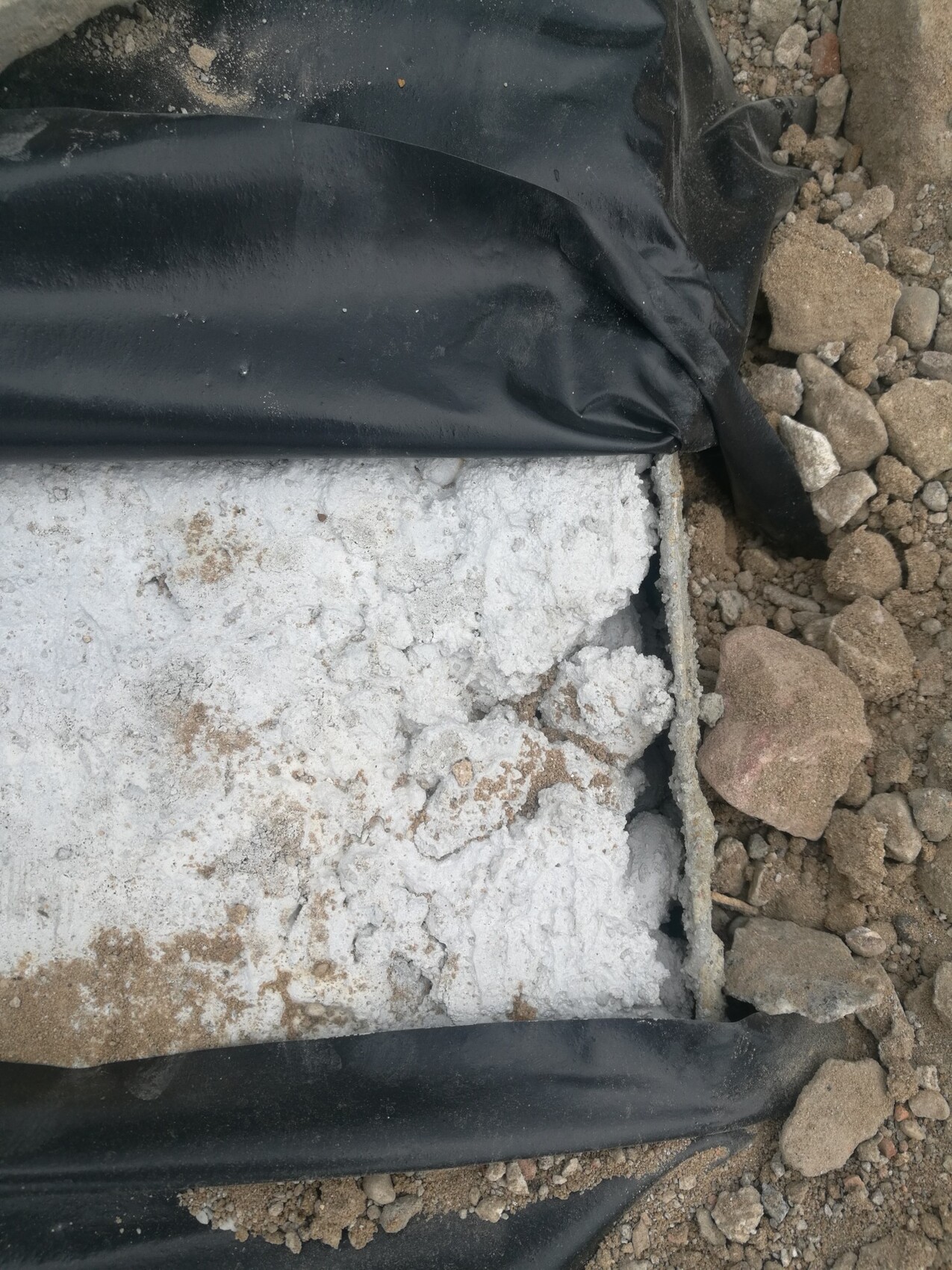
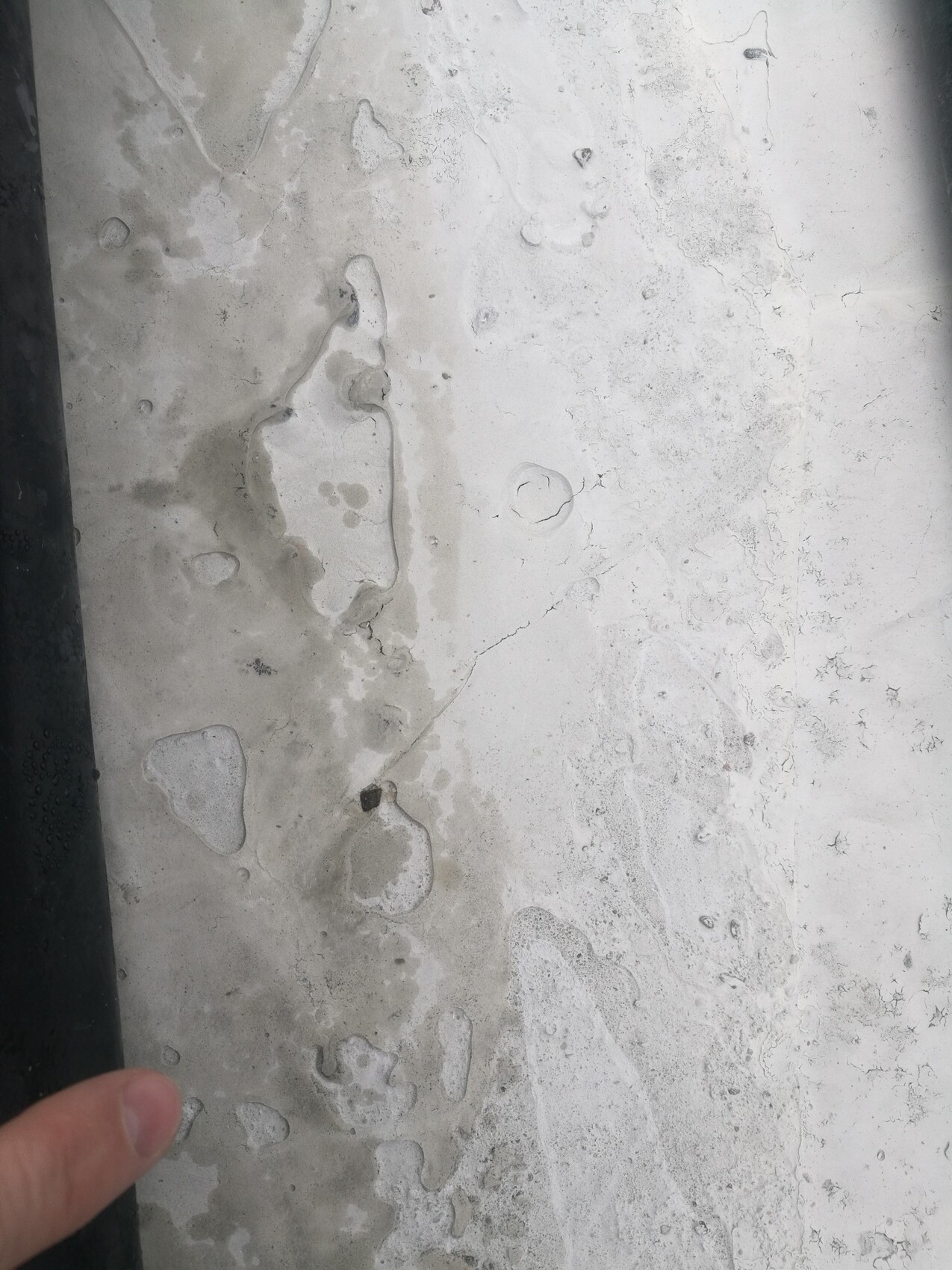
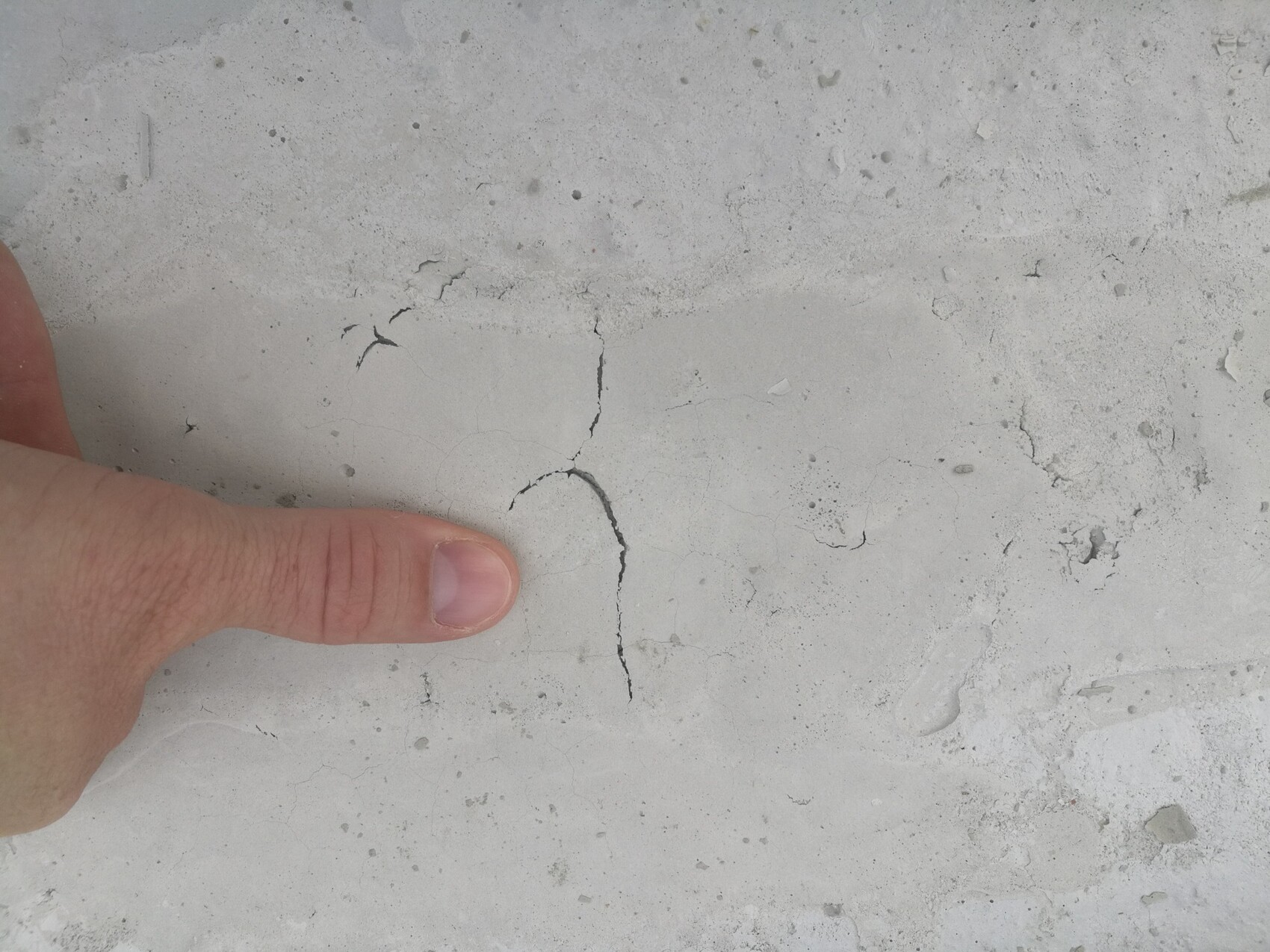
the concrete slab was poured during intense heat last month and then covered with a black plastic sheet.
However, it was not watered or kept moist.
When we visited the construction site the next afternoon, we found that the plastic sheet had been blown away in some areas.
I noticed cracks in those spots.
Today, I went back to take another look at the slab and lifted the plastic sheet in some places, which revealed the following, as shown in the pictures. The photo of the edge is at the bay window.
This is a watertight concrete (WU) slab.
Is this a serious issue? Does it need to be repaired or can it be left as is?
Normally, that is oversized anyway, unless a high-rise is planned for that. C20-25 concrete is sufficient for the foundation. However, a bitumen waterproof membrane must be applied afterward, and the base of the house should be coated twice with waterproof slurry. If they do that, I don’t see any problem. Karsten
Somehow, I can’t find the soil report for the construction site in this thread. I also can’t open the structural analysis. However, if waterproof concrete was used because a waterproof component was planned and if this is indeed necessary, I WOULD recommend consulting an expert. As far as I know, a waterproof component requires not only waterproof concrete but also crack width control, a minimum concrete cover over the reinforcement, curing, and so on.
If you want to be reassured: when the house is finished, the initial moisture is still just “residual moisture from the construction period.” After 5 years, the warranty is over anyway, and if necessary, any faults can usually be traced back to workmanship by the homeowner. In addition, after 10 years, the homeowner’s financial situation is often better, making it easier to fix one or another construction defect.
If you want to be reassured: when the house is finished, the initial moisture is still just “residual moisture from the construction period.” After 5 years, the warranty is over anyway, and if necessary, any faults can usually be traced back to workmanship by the homeowner. In addition, after 10 years, the homeowner’s financial situation is often better, making it easier to fix one or another construction defect.
Similar topics