
Hi everyone,
after the structural mason started the masonry work a few days ago, I noticed some joints that have been filled with a 21 mm (0.8 inch) thermal mortar. The building was constructed using 42 cm (17 inch) aerated concrete blocks ("Ytong").
The site manager said this is acceptable since thermal mortar was used. However, I wonder why the blocks were not cut and fitted properly instead.
Is this still within an acceptable range, or should I raise concerns about this?

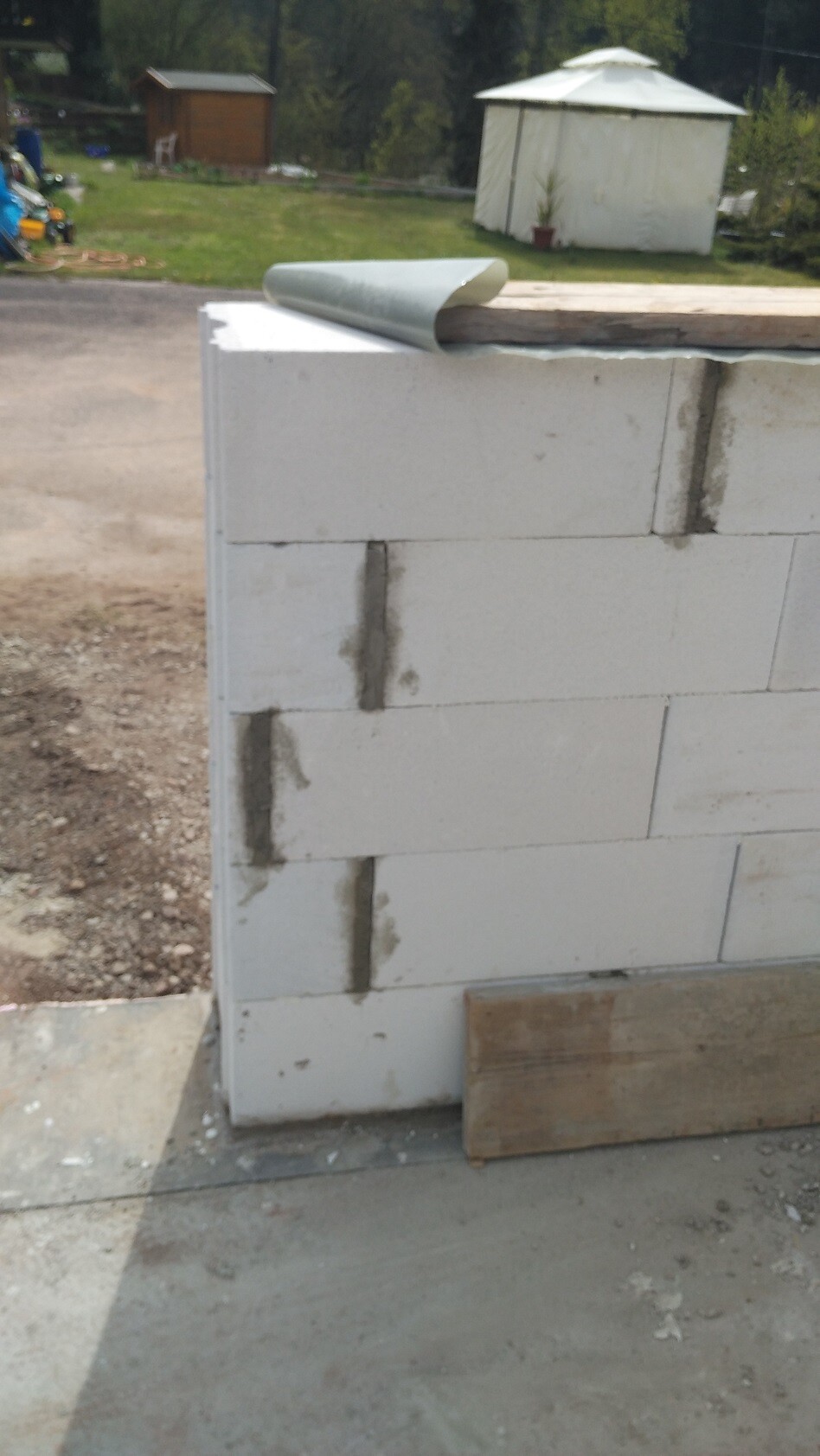

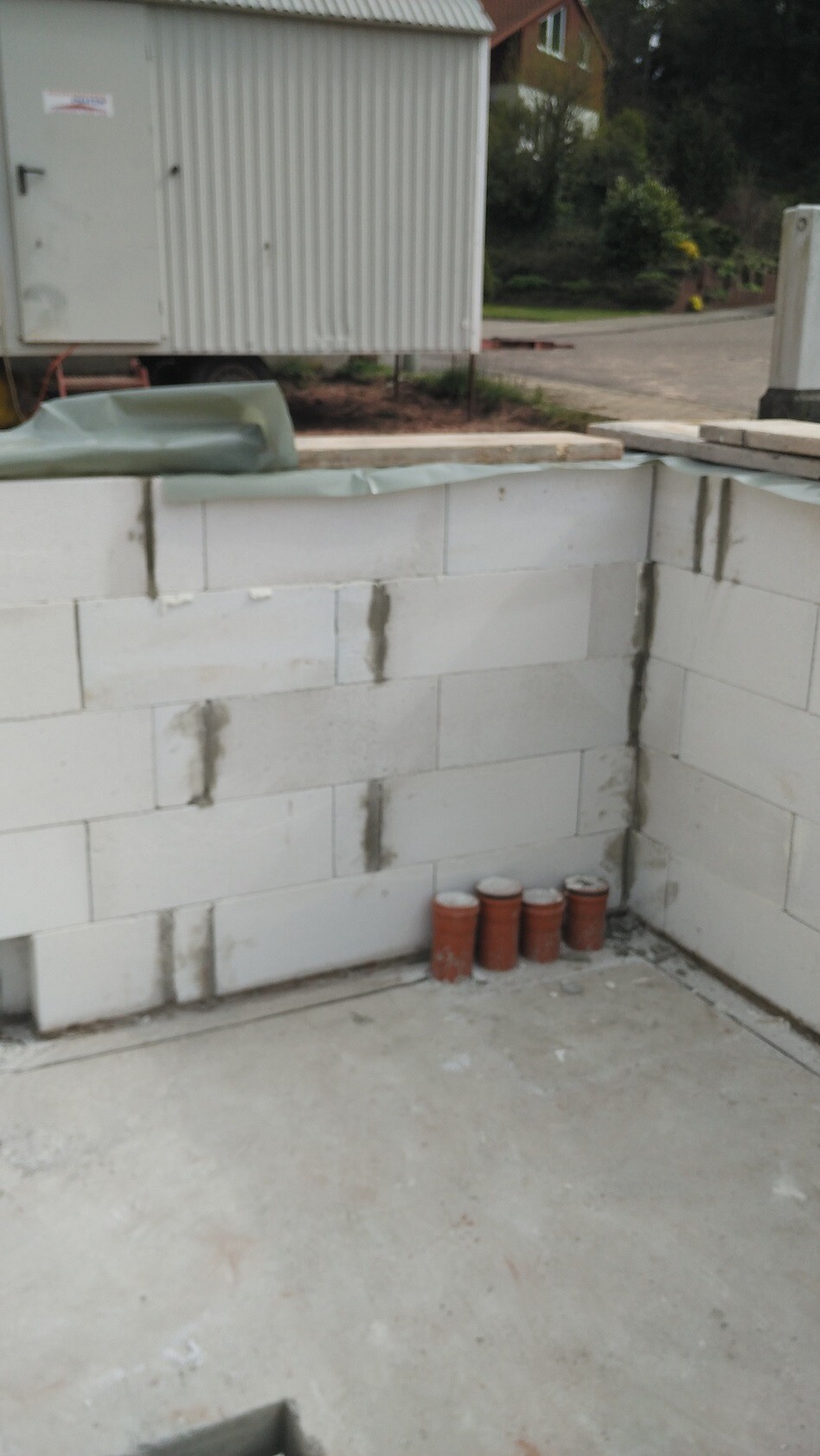
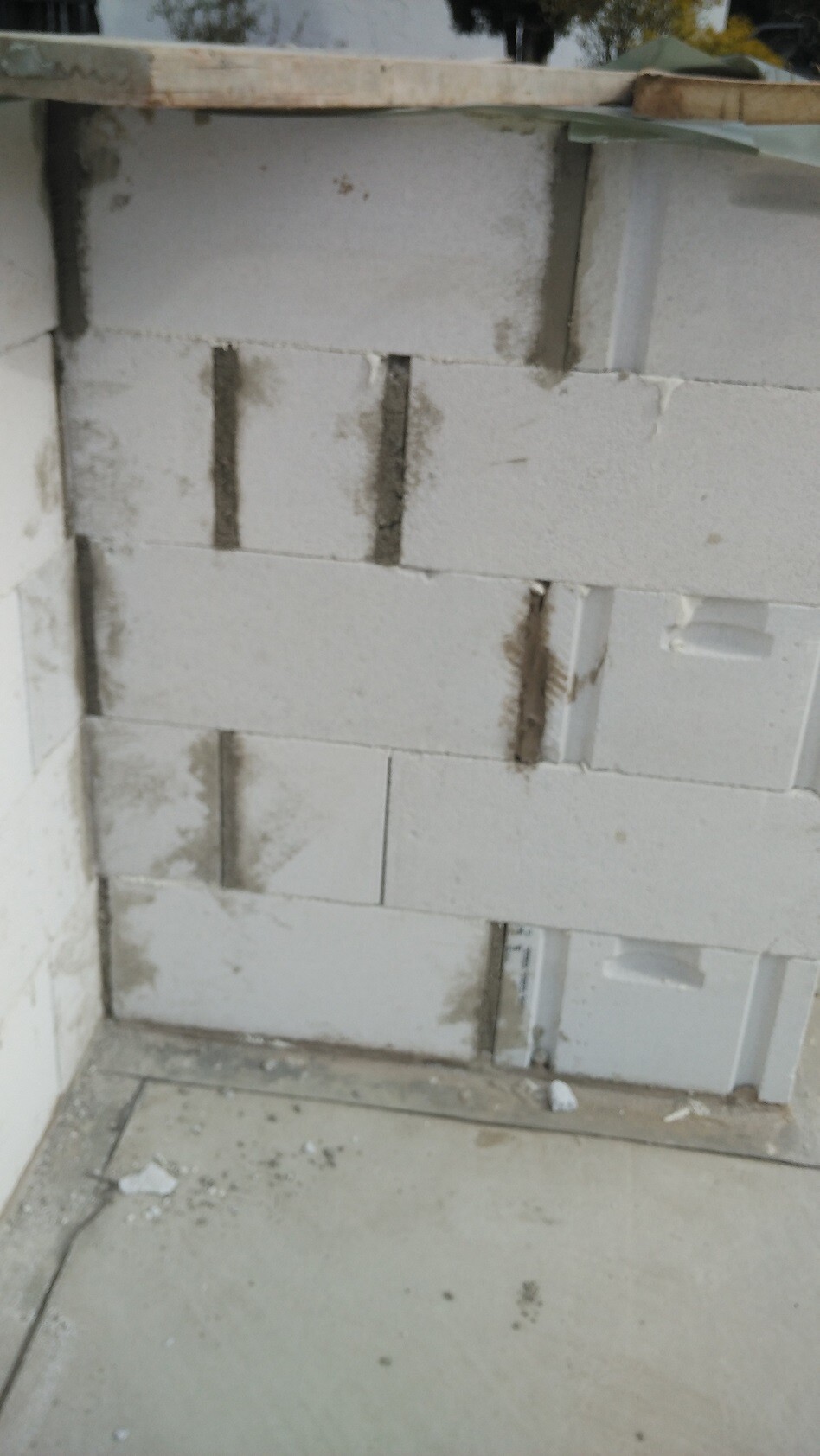
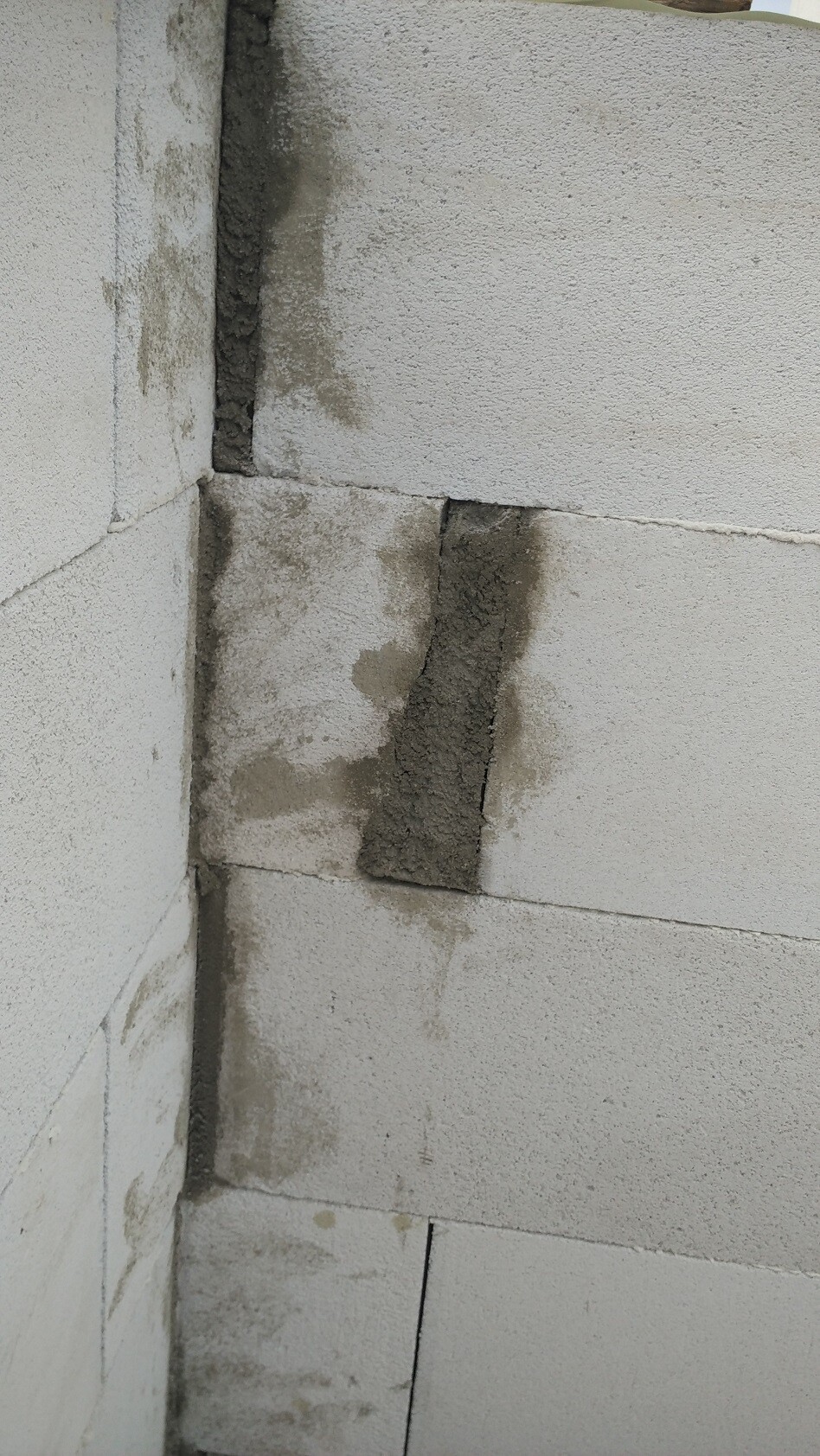
after the structural mason started the masonry work a few days ago, I noticed some joints that have been filled with a 21 mm (0.8 inch) thermal mortar. The building was constructed using 42 cm (17 inch) aerated concrete blocks ("Ytong").
The site manager said this is acceptable since thermal mortar was used. However, I wonder why the blocks were not cut and fitted properly instead.
Is this still within an acceptable range, or should I raise concerns about this?
Hi Bauexperte,
thank you for your quick reply.
Now I can be reassured. I was just surprised that the joints were visible everywhere. Then I also followed the energy consultant’s opinion, who said that this is absolutely not acceptable...
I also didn’t understand why the blocks are not simply cut to the correct length, and then any necessary recesses made with a saw if needed.
thank you for your quick reply.
Now I can be reassured. I was just surprised that the joints were visible everywhere. Then I also followed the energy consultant’s opinion, who said that this is absolutely not acceptable...
I also didn’t understand why the blocks are not simply cut to the correct length, and then any necessary recesses made with a saw if needed.
Processing guidelines from the manufacturers...
Alternatively (taken from a Bau.net post):
DINA 1053-1: Masonry – Part 1: Calculation and Execution
DIN EN 771-1 Specifications for Masonry Units 05/2005; Part 1: Clay Masonry Units; German version EN 771-1:2003 + A1:2005
DIN V 105-100v Clay Bricks, Part 100: Clay Bricks with Special Properties, 10/2005
DIN 18202 Tolerances in Building Construction; Structures, 10/2005
DIN 4172 Dimensional Standards in Building Construction, 07/1955
Alternatively (taken from a Bau.net post):
DINA 1053-1: Masonry – Part 1: Calculation and Execution
DIN EN 771-1 Specifications for Masonry Units 05/2005; Part 1: Clay Masonry Units; German version EN 771-1:2003 + A1:2005
DIN V 105-100v Clay Bricks, Part 100: Clay Bricks with Special Properties, 10/2005
DIN 18202 Tolerances in Building Construction; Structures, 10/2005
DIN 4172 Dimensional Standards in Building Construction, 07/1955

I would not accept the executed construction quality of the aerated concrete masonry. There is no reason to deliver such patchwork other than to use up all leftover pieces from the construction site. That is likely the actual reason.
Normally, for mortared head joints in aerated concrete with dry head joints, a maximum of 5mm (0.2 inches) is allowed (DIN EN 1996-1/NA: 2012-05). These joints must be filled with the appropriate thin-bed mortar to at least half the depth of the masonry throughout the entire height of the wall. Proper joint filling also affects fire protection and sound insulation. For example, it is immediately evident that an insufficiently mortared head joint acts as a sound bridge.
Normally, for mortared head joints in aerated concrete with dry head joints, a maximum of 5mm (0.2 inches) is allowed (DIN EN 1996-1/NA: 2012-05). These joints must be filled with the appropriate thin-bed mortar to at least half the depth of the masonry throughout the entire height of the wall. Proper joint filling also affects fire protection and sound insulation. For example, it is immediately evident that an insufficiently mortared head joint acts as a sound bridge.
Similar topics