
ᐅ Crack in the plaster above the external wall insulation on an older building from 1971
Created on: 1 May 2021 14:36
B
basti009Hello, we have an older building from 1970. The facade consists of an external thermal insulation composite system (ETICS) with 5 cm (2 inches) thickness and was repainted in 2014.
Our roof was replaced this year, with insulation that qualifies for a 20 percent subsidy.
After inspecting our garage, I noticed cracks in the facade. From the ground, the facade looks excellent, with no visible dirt or damage.
I have read that if the facade ever needs renovation, it must be upgraded according to the currently valid Energy Saving Ordinance, which would never be cost-effective. Since the facade looks perfect from below, I assumed that if anything, we might only need to repaint it again in 20 years.
What could be the worst-case scenario caused by these cracks? Could this lead to the need for a full facade renovation? Or is it more likely that the long crack, if anything, would require only a partial repair in that specific area?
Is it sufficient to just repair the cracks? Can they be left as they are?
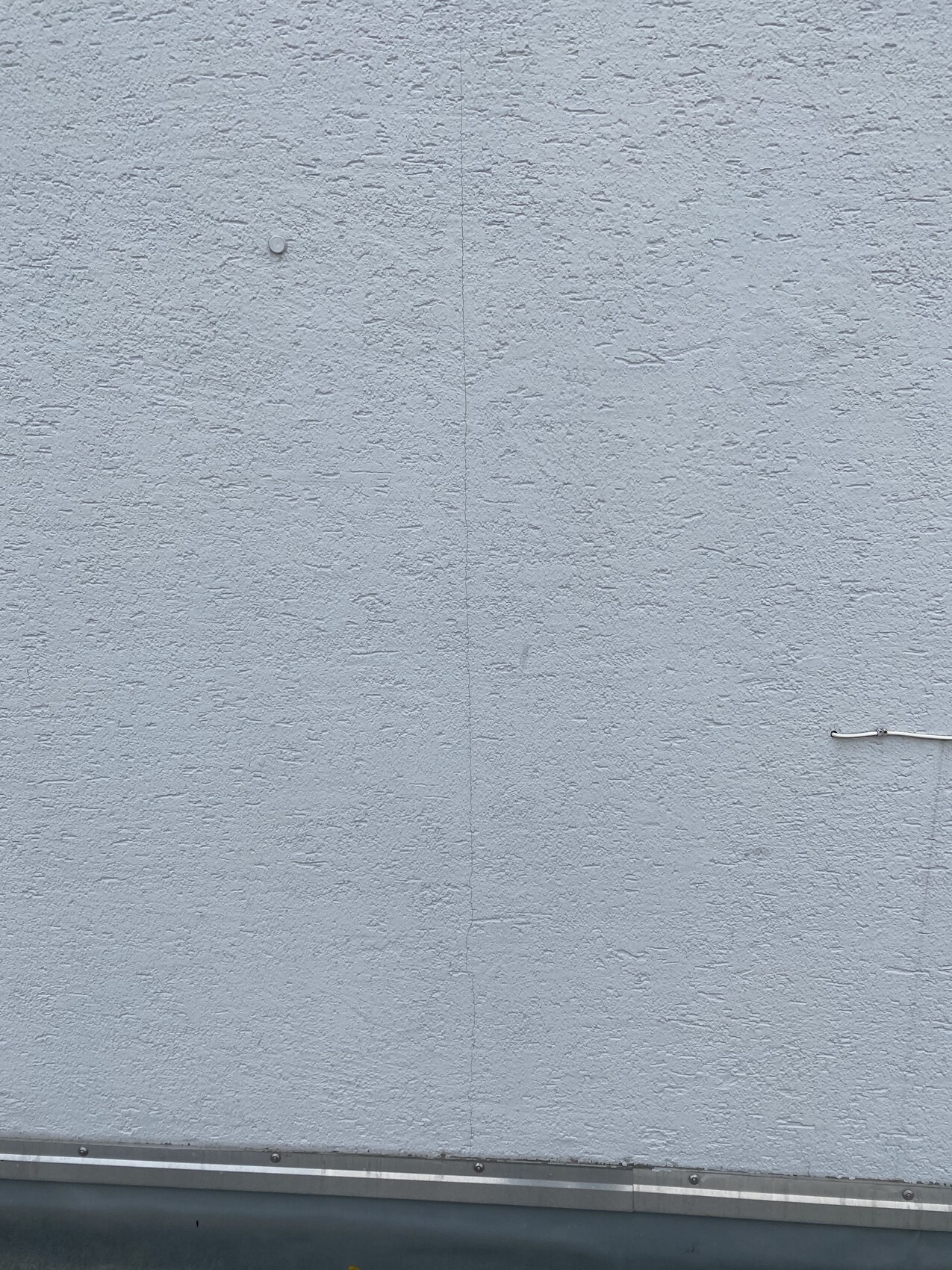
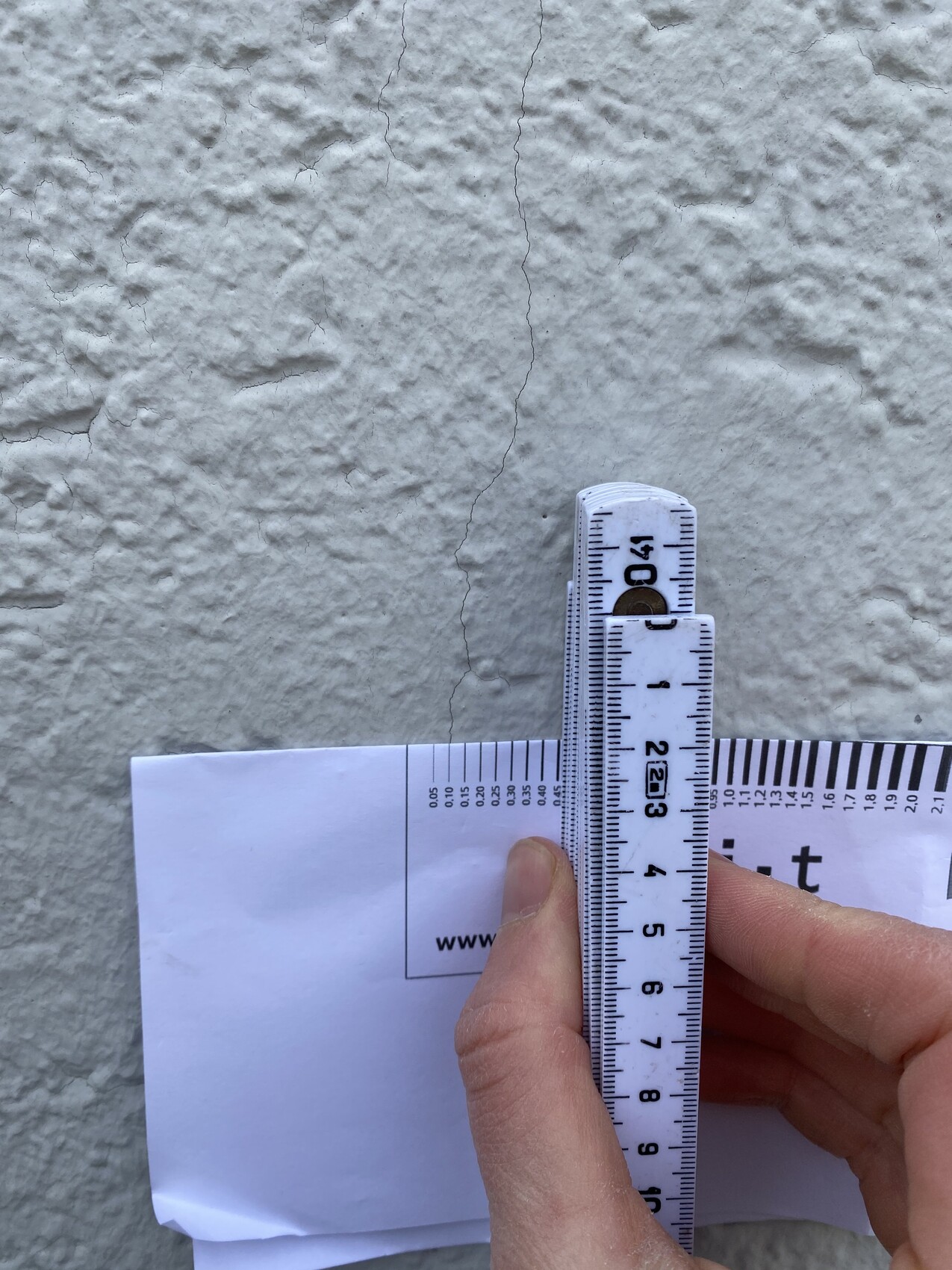
The first two pictures show a long crack, estimated at about 0.3 mm (0.01 inches) wide and 2 meters (6.6 feet) tall. When pressing firmly on the plaster, it appears to be slightly flexible.
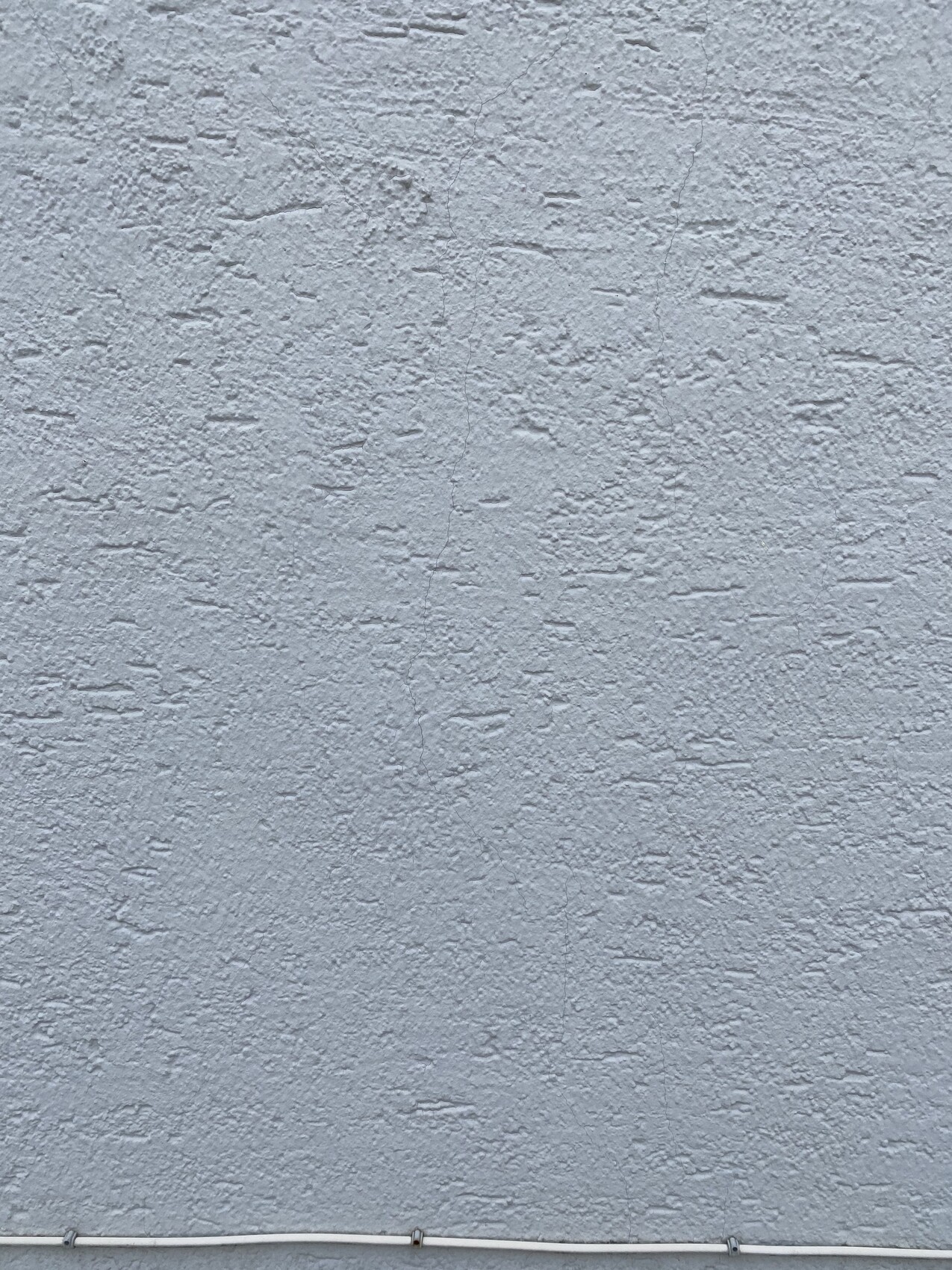
The second picture shows finer, shorter cracks. These are only found in the upper part of the facade, but in many places.
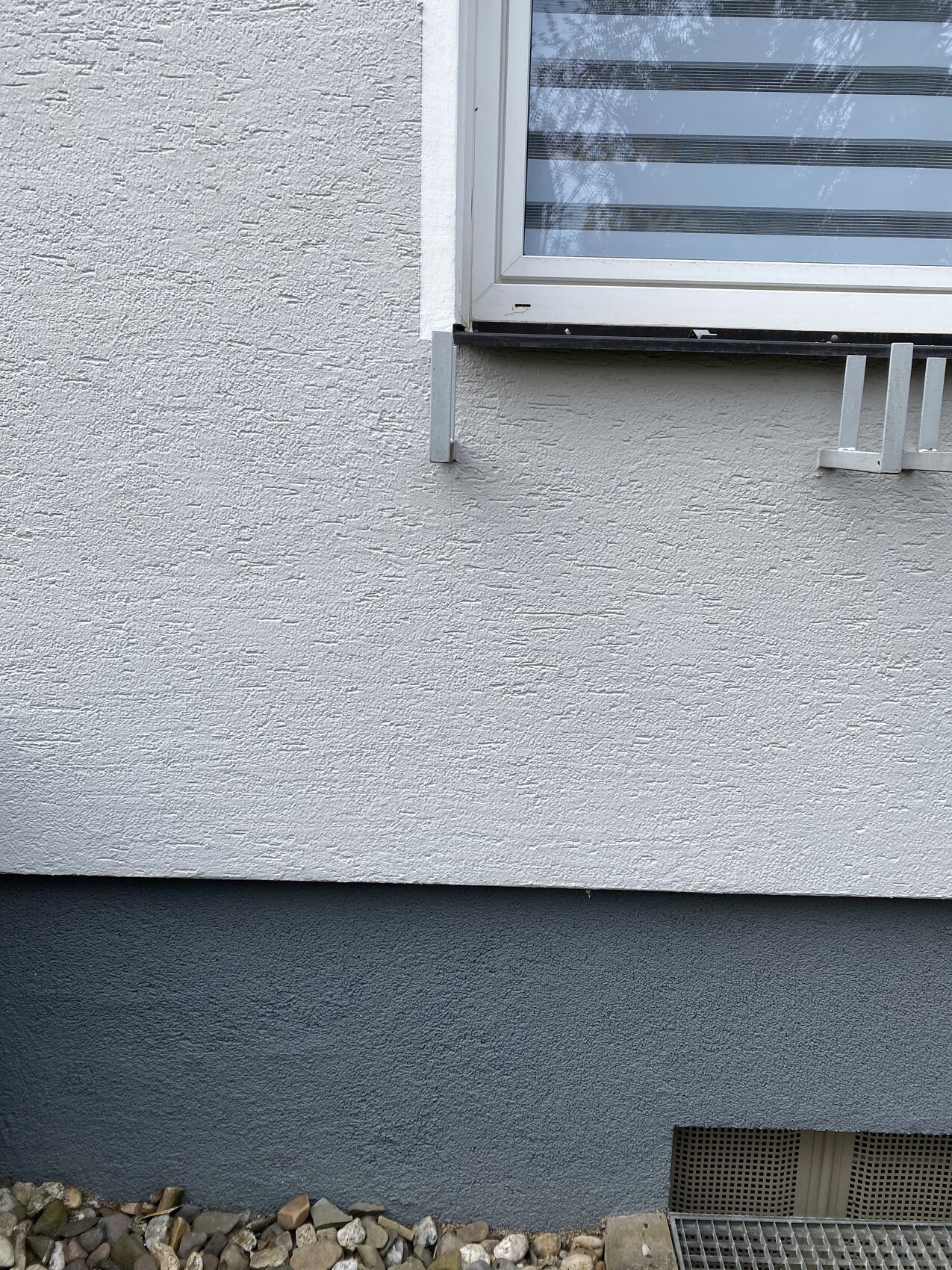
There are also a few individual cracks, as seen in the other pictures.
Should I be concerned that eventually everything will have to be replaced according to the Energy Saving Ordinance? Or are the cracks acceptable as they are?



Our roof was replaced this year, with insulation that qualifies for a 20 percent subsidy.
After inspecting our garage, I noticed cracks in the facade. From the ground, the facade looks excellent, with no visible dirt or damage.
I have read that if the facade ever needs renovation, it must be upgraded according to the currently valid Energy Saving Ordinance, which would never be cost-effective. Since the facade looks perfect from below, I assumed that if anything, we might only need to repaint it again in 20 years.
What could be the worst-case scenario caused by these cracks? Could this lead to the need for a full facade renovation? Or is it more likely that the long crack, if anything, would require only a partial repair in that specific area?
Is it sufficient to just repair the cracks? Can they be left as they are?
The first two pictures show a long crack, estimated at about 0.3 mm (0.01 inches) wide and 2 meters (6.6 feet) tall. When pressing firmly on the plaster, it appears to be slightly flexible.
The second picture shows finer, shorter cracks. These are only found in the upper part of the facade, but in many places.
There are also a few individual cracks, as seen in the other pictures.
Should I be concerned that eventually everything will have to be replaced according to the Energy Saving Ordinance? Or are the cracks acceptable as they are?

Nida35a schrieb:
I wouldn’t do anything there; any water seeping in should drain downward.
In 5 years, you could repaint the facade with crack filler paint, which covers cracks up to 2mm (0.08 inches). Is the crack in the first picture also nothing to worry about? Is it normal for it to run so vertically? I believe it's already about 0.3mm (0.01 inches) wide, but I still don’t need to take any action?
Nida35a schrieb:
I suspect it’s the joint between the insulation panels, no action needed,
the facade would have been sealed beforehand.
Or do you have any damp spots or mold inside? No, everything inside is fine.
But the external thermal insulation composite system is underneath. Could it cause moisture to penetrate in winter and then damage the plaster due to freezing?

I'm glad to finally see someone holding a measuring scale in the picture! Otherwise, we usually have to guess what the heavily zoomed-in pixelated snow might actually show...
https://www.instagram.com/11antgmxde/
https://www.linkedin.com/company/bauen-jetzt/
https://www.instagram.com/11antgmxde/
https://www.linkedin.com/company/bauen-jetzt/
Similar topics