
H
Hey Wickie11 Feb 2020 13:39I am new to the forum and would like to explain my situation and hear your opinions.
In July 2018, our balcony was re-tiled. The old covering was removed, a slope was created, and then it was retiled. First, an edge/drip profile was installed, a waterproofing membrane was glued on, a drainage mat was laid on top, and then the tiles were installed. The profile, waterproofing membrane, and drainage mat were supplied by a system provider from Iserlohn.
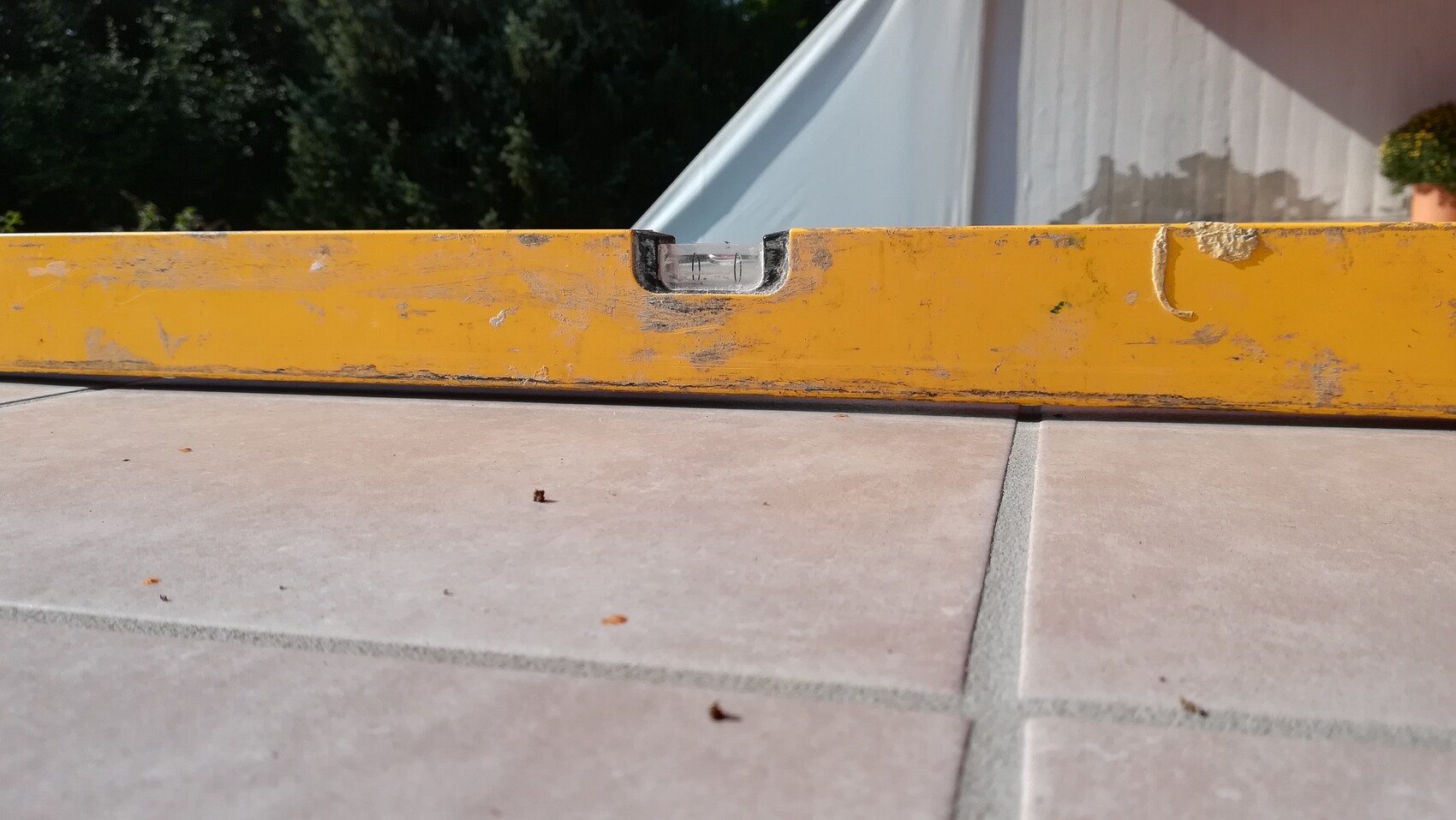
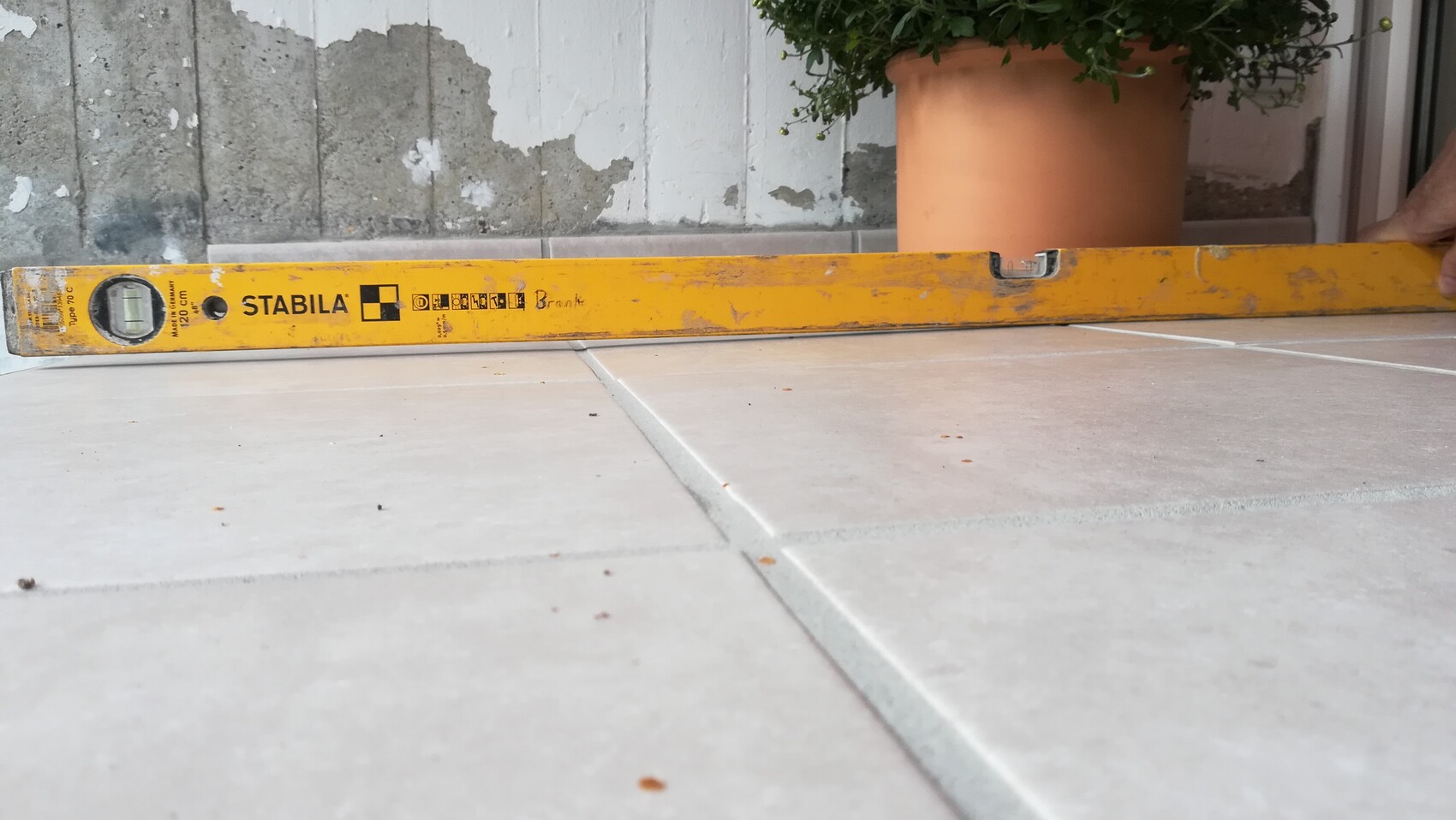
At first, we noticed that the slope was not done properly, even though there was enough height difference to create a consistent 2% gradient. Rainwater does not drain properly, and puddles remain. In some areas, you could clearly see a “kink” in the slope. Despite these defects we reported, we paid the invoice in full.
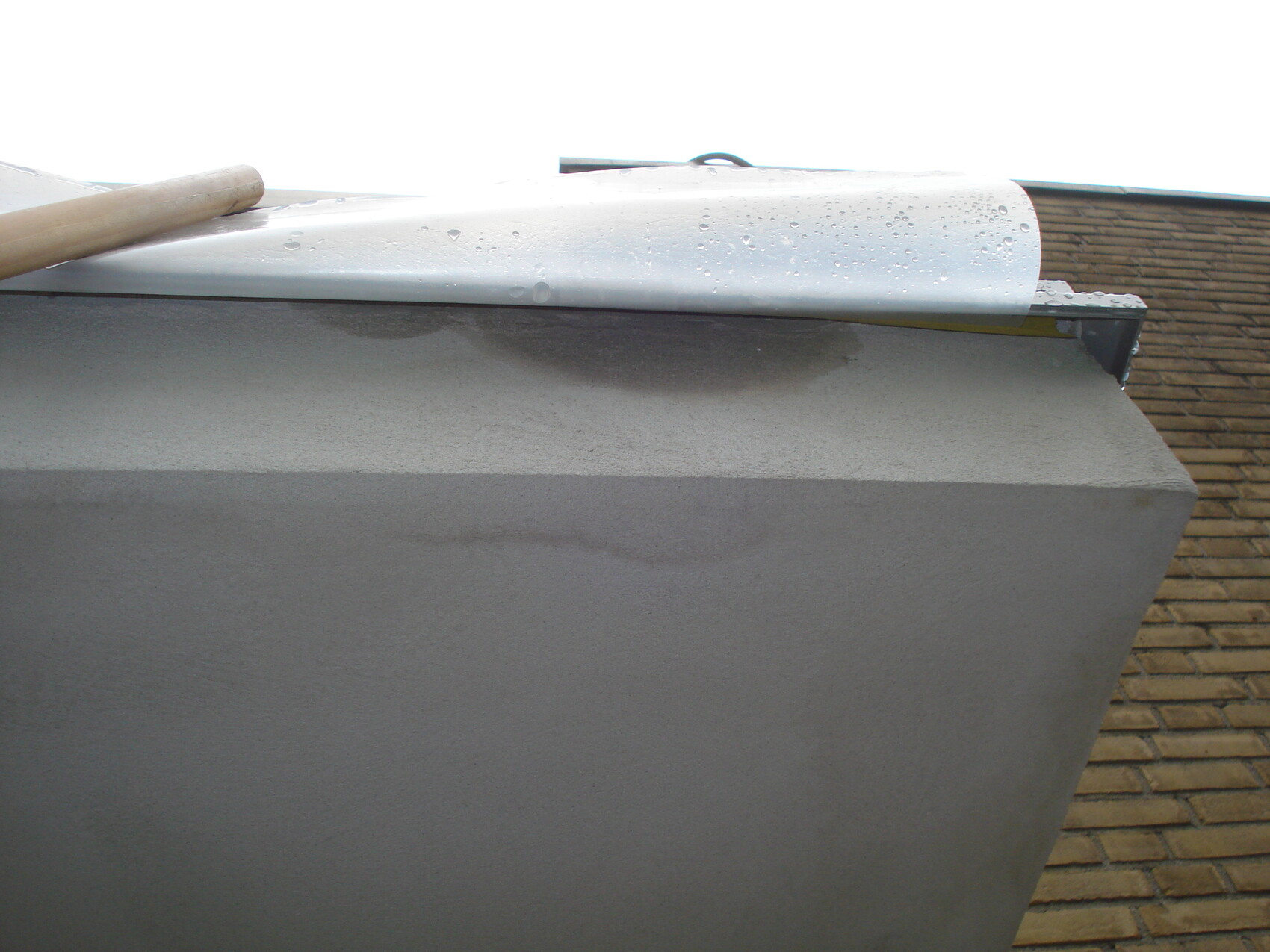
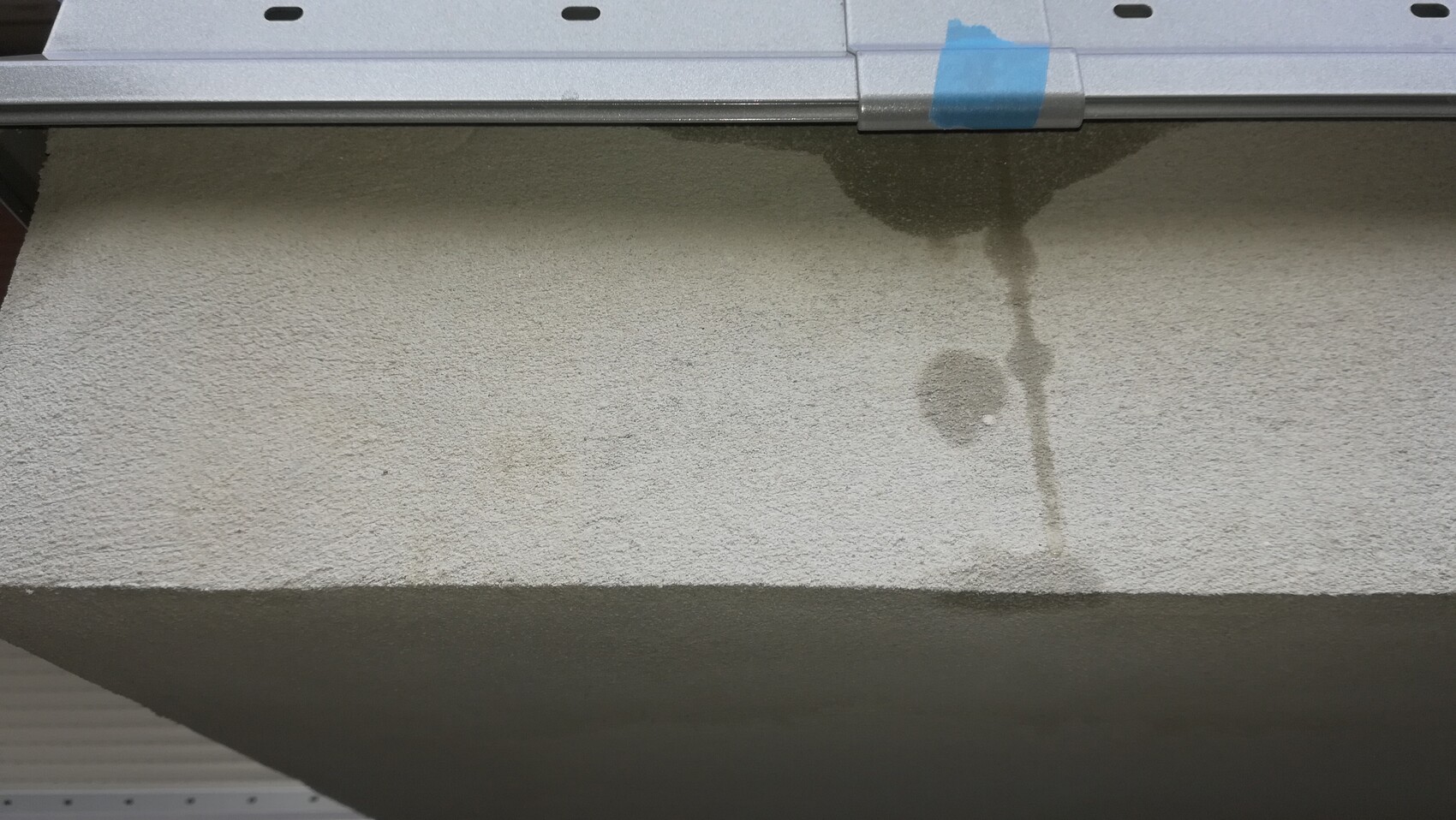
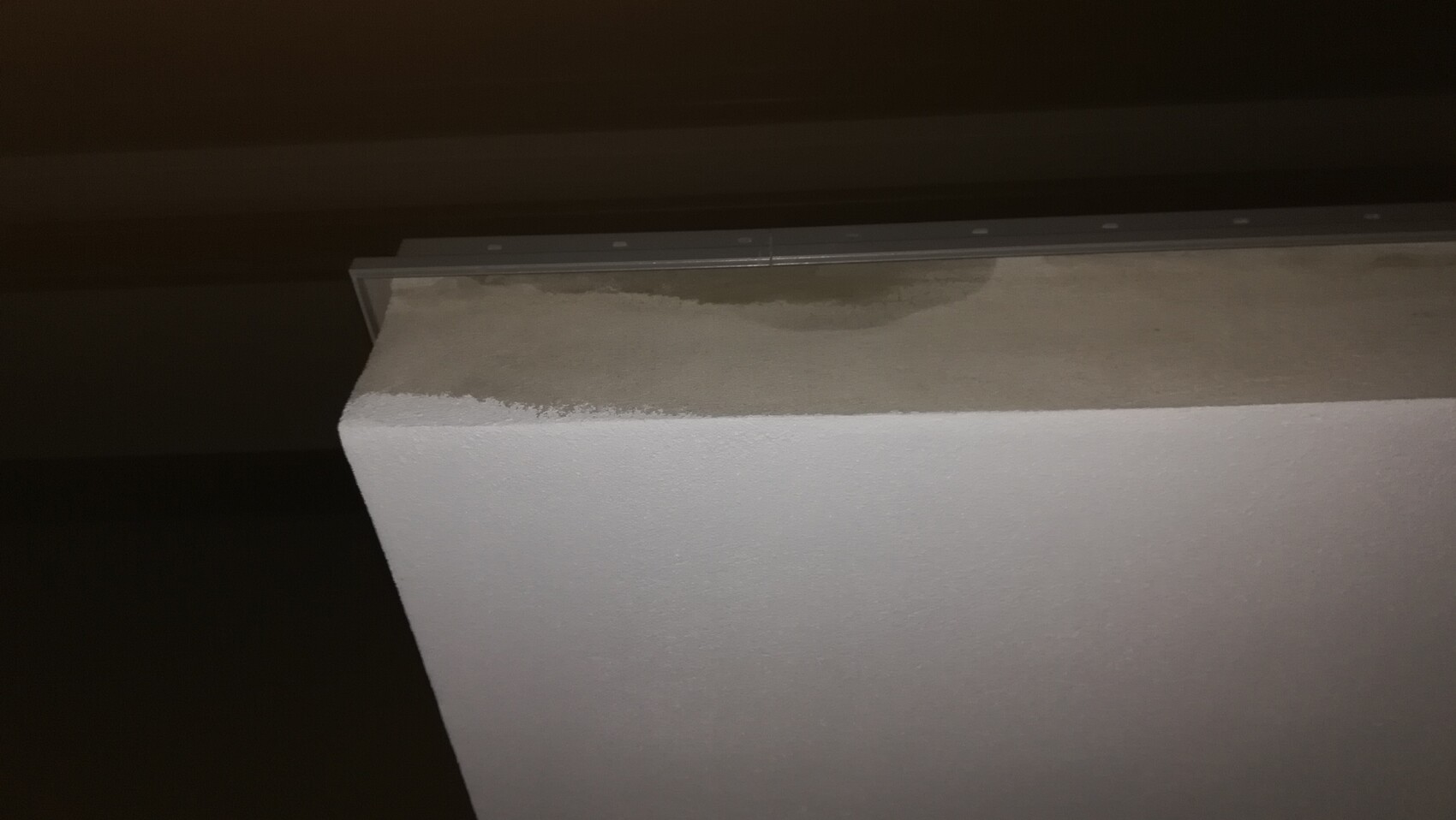
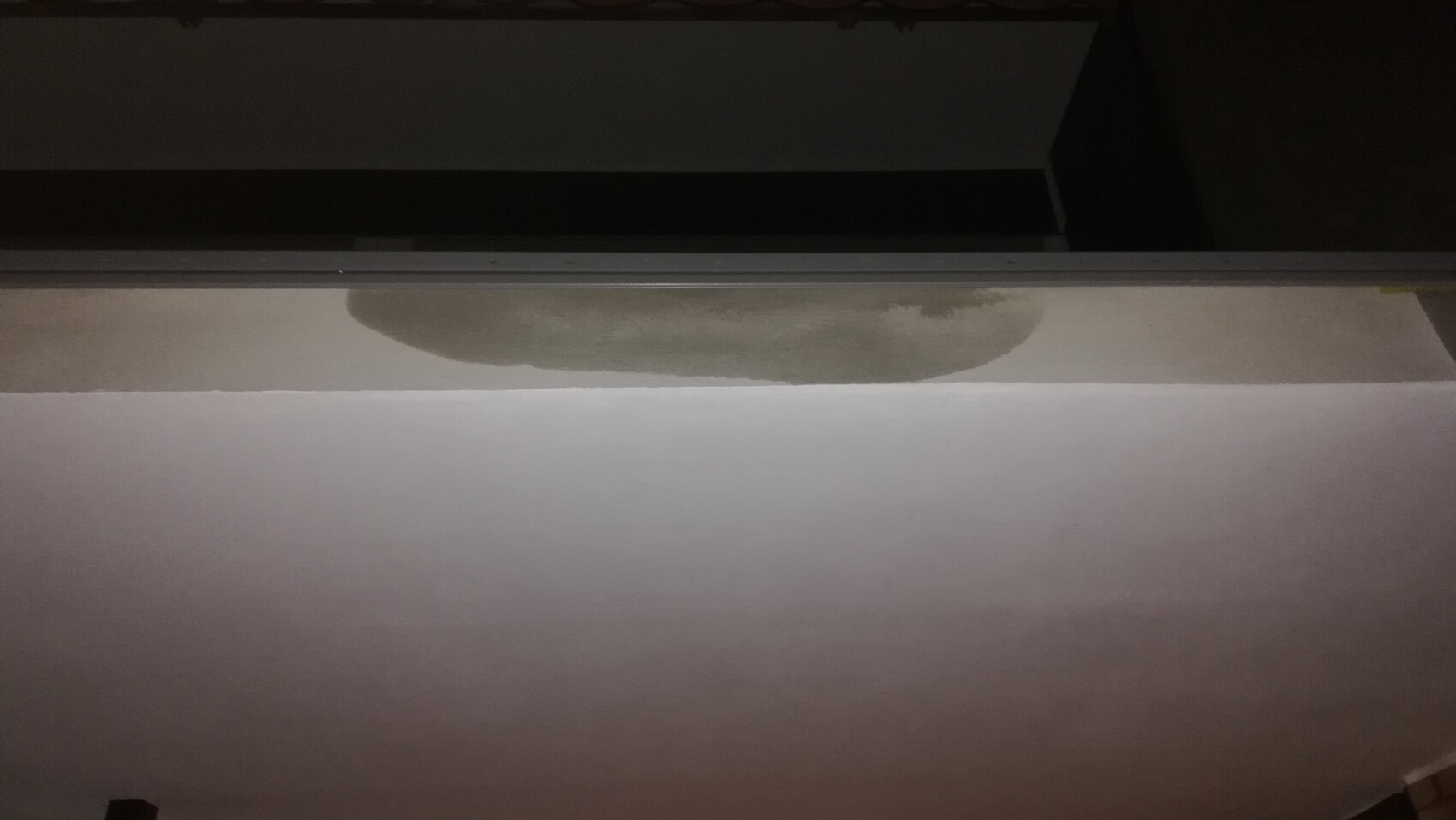
Later, we found that something in the system was not executed correctly, because moisture stains quickly appeared on the balcony’s concrete edge after rain. (We hadn’t noticed this earlier – summer 2018 was quite dry.) The stains start below the profile, so it can’t be splash water. We then submitted a defect report. The tiling contractor first wanted to simply inject silicone under the profile to seal it… After that, there was an on-site meeting with the tiling contractor and the sales representative from the company in Iserlohn. It was determined that the moisture stains can only occur if the waterproofing membrane is not properly glued to the edge profile. The system provider then created repair instructions and sent them to the tiling contractor. According to these, the tiles where moisture stains appeared on the balcony edge were removed, the drainage and waterproofing membranes were cut out and re-glued in that area. This repair took place in September 2018. Unfortunately, it did not solve the problem – on the contrary, it got worse. There still must be an inadequate adhesion of the waterproofing membrane allowing moisture/water to penetrate into the concrete core, causing the moisture stains. We pointed this out to the tiling contractor again (documented by letter and email), but there was no further response.
You can simulate the issue fairly easily by spraying some water into the drainage holes of the edge profile, that is, into the drainage mat. The whole system should basically function like a “watertight tub,” where only water that is possibly in the drainage mat can drain out through the holes in the profile end piece! When it rains, it’s easy to see that when water runs over the edge profile and through the drainage holes, water is also drawn into the drainage mat (capillary action?).
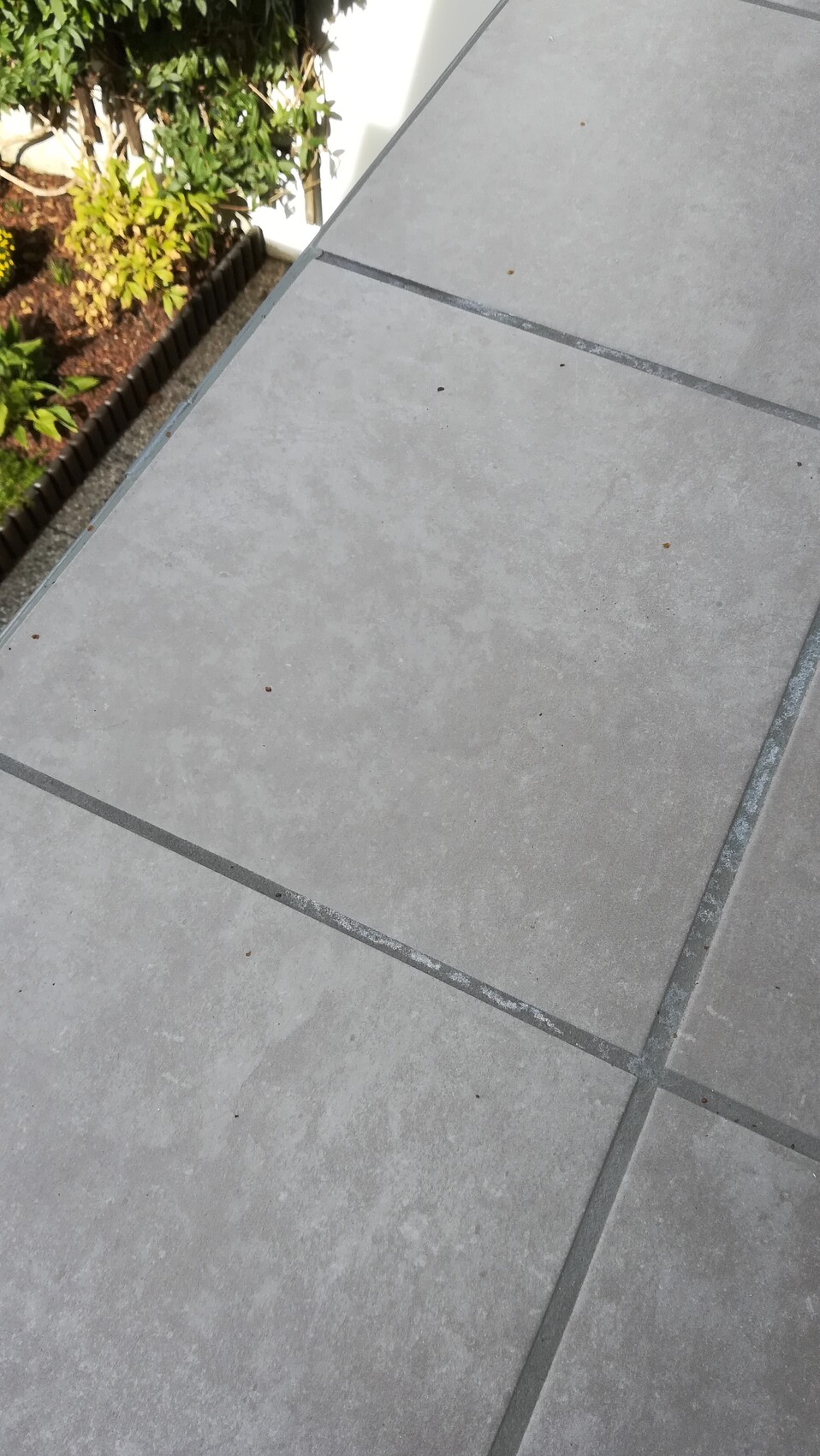
Furthermore, efflorescence developed very quickly on the grout joints, especially (but not only) in areas where there are leaks or where tiles have been replaced.
Due to health problems, I have neglected the matter, but now I want to address it, and I would be grateful for your advice. How should I proceed best?

In July 2018, our balcony was re-tiled. The old covering was removed, a slope was created, and then it was retiled. First, an edge/drip profile was installed, a waterproofing membrane was glued on, a drainage mat was laid on top, and then the tiles were installed. The profile, waterproofing membrane, and drainage mat were supplied by a system provider from Iserlohn.
At first, we noticed that the slope was not done properly, even though there was enough height difference to create a consistent 2% gradient. Rainwater does not drain properly, and puddles remain. In some areas, you could clearly see a “kink” in the slope. Despite these defects we reported, we paid the invoice in full.
Later, we found that something in the system was not executed correctly, because moisture stains quickly appeared on the balcony’s concrete edge after rain. (We hadn’t noticed this earlier – summer 2018 was quite dry.) The stains start below the profile, so it can’t be splash water. We then submitted a defect report. The tiling contractor first wanted to simply inject silicone under the profile to seal it… After that, there was an on-site meeting with the tiling contractor and the sales representative from the company in Iserlohn. It was determined that the moisture stains can only occur if the waterproofing membrane is not properly glued to the edge profile. The system provider then created repair instructions and sent them to the tiling contractor. According to these, the tiles where moisture stains appeared on the balcony edge were removed, the drainage and waterproofing membranes were cut out and re-glued in that area. This repair took place in September 2018. Unfortunately, it did not solve the problem – on the contrary, it got worse. There still must be an inadequate adhesion of the waterproofing membrane allowing moisture/water to penetrate into the concrete core, causing the moisture stains. We pointed this out to the tiling contractor again (documented by letter and email), but there was no further response.
You can simulate the issue fairly easily by spraying some water into the drainage holes of the edge profile, that is, into the drainage mat. The whole system should basically function like a “watertight tub,” where only water that is possibly in the drainage mat can drain out through the holes in the profile end piece! When it rains, it’s easy to see that when water runs over the edge profile and through the drainage holes, water is also drawn into the drainage mat (capillary action?).
Furthermore, efflorescence developed very quickly on the grout joints, especially (but not only) in areas where there are leaks or where tiles have been replaced.
Due to health problems, I have neglected the matter, but now I want to address it, and I would be grateful for your advice. How should I proceed best?
H
Hey Wickie17 Feb 2020 12:42Do you happen to know a suitable lawyer in the Düsseldorf area?
Similar topics