
Dear community,
We are facing the following issue:
Six weeks ago, the utility provider installed the lines for the multi-core house connection for our new build. In the same area, sewage pipes were also laid (depth approximately 1-1.5 meters (3-5 feet)). The soil was then compacted by the earthworks contractor.
In recent weeks, our driveway has been repeatedly used illegally as a shortcut by other construction companies, sometimes with large trucks. Since we do not live on site, we cannot say how often this happened. However, we know it has happened several times. Construction fences and water tanks were blatantly pushed aside or moved. The local authorities and police were unable to take action unless caught “in the act”...
To the main question:
We are now concerned that the underground pipes might have been damaged.
What is your assessment? Our earthworks contractor believes nothing should have been affected. Of course, the only way to be sure is by reopening part of the area. That would, of course, mean additional costs we really cannot afford right now.
I understand that no one can give me a definitive answer in this forum. However, your opinions and assessments would be very helpful.
PS: For example, the photos do not yet show the sewage pipes.
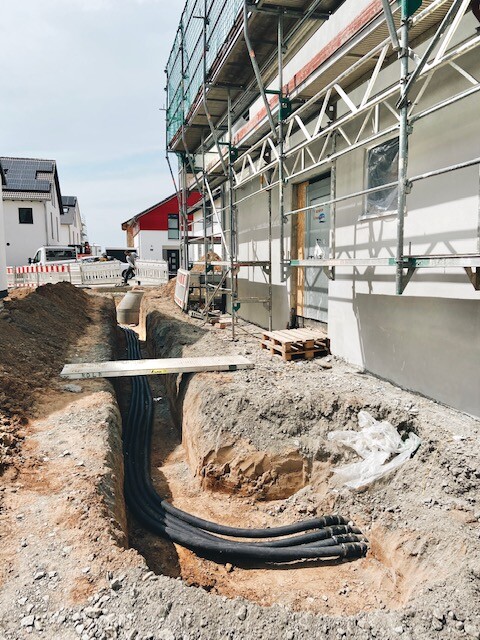
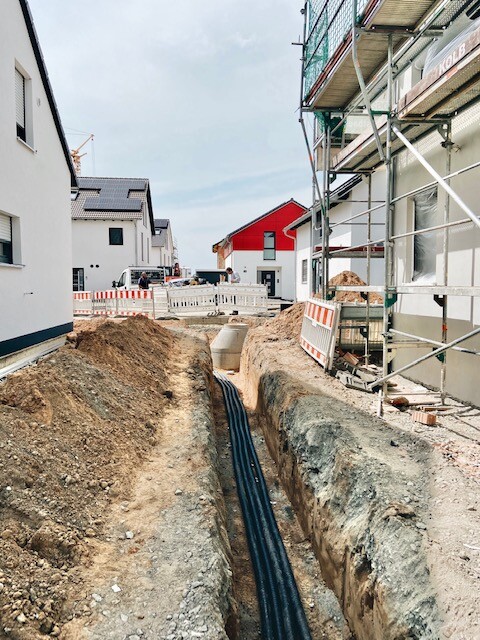
We are facing the following issue:
Six weeks ago, the utility provider installed the lines for the multi-core house connection for our new build. In the same area, sewage pipes were also laid (depth approximately 1-1.5 meters (3-5 feet)). The soil was then compacted by the earthworks contractor.
In recent weeks, our driveway has been repeatedly used illegally as a shortcut by other construction companies, sometimes with large trucks. Since we do not live on site, we cannot say how often this happened. However, we know it has happened several times. Construction fences and water tanks were blatantly pushed aside or moved. The local authorities and police were unable to take action unless caught “in the act”...
To the main question:
We are now concerned that the underground pipes might have been damaged.
What is your assessment? Our earthworks contractor believes nothing should have been affected. Of course, the only way to be sure is by reopening part of the area. That would, of course, mean additional costs we really cannot afford right now.
I understand that no one can give me a definitive answer in this forum. However, your opinions and assessments would be very helpful.
PS: For example, the photos do not yet show the sewage pipes.
W
WilderSueden20 Jun 2022 14:19If it’s done properly, nothing should be damaged. I have a strip for the driveway where the connections are located. Everyone drives over the trench: crane, stone truck, cistern, precast concrete slabs, concrete mixer, you name it.

If you can't sleep at all, there are companies that do a camera inspection (basically any reputable drain cleaning company). They can also check if the slope is still working properly and, of course, identify any real damage. This way, you avoid having to open up the pipes unless something is actually broken.
Similar topics