
F
Forsberg215 Oct 2024 16:31Hello,
In my apartment, which will soon be rented out again (house built in 1972, windows with double glazing since 2010, insulated ceiling, but no insulation on the facade), I want to install calcium silicate boards on two interior walls in the dining room because there has been mold in the corner in the past. The problem is that, according to the manufacturer's instructions, calcium silicate boards must not be applied to gypsum or lime-gypsum plaster, so this gypsum-containing plaster would have to be completely removed beforehand.
My question is: How can I tell if the plaster contains gypsum?
As mentioned, the building was constructed in 1972, and my uncle was already on the construction site back then. He thought it is probably a lime-cement plaster, but he is not certain. Unfortunately, quite a thick layer of paint has been applied several times, so it’s not possible to really feel with your fingers what type of plaster it might be. I am also not a building expert and could only guess.
Would it be possible to remove a small sample and have it analyzed? If so, who would do this?
Best regards,
Robert
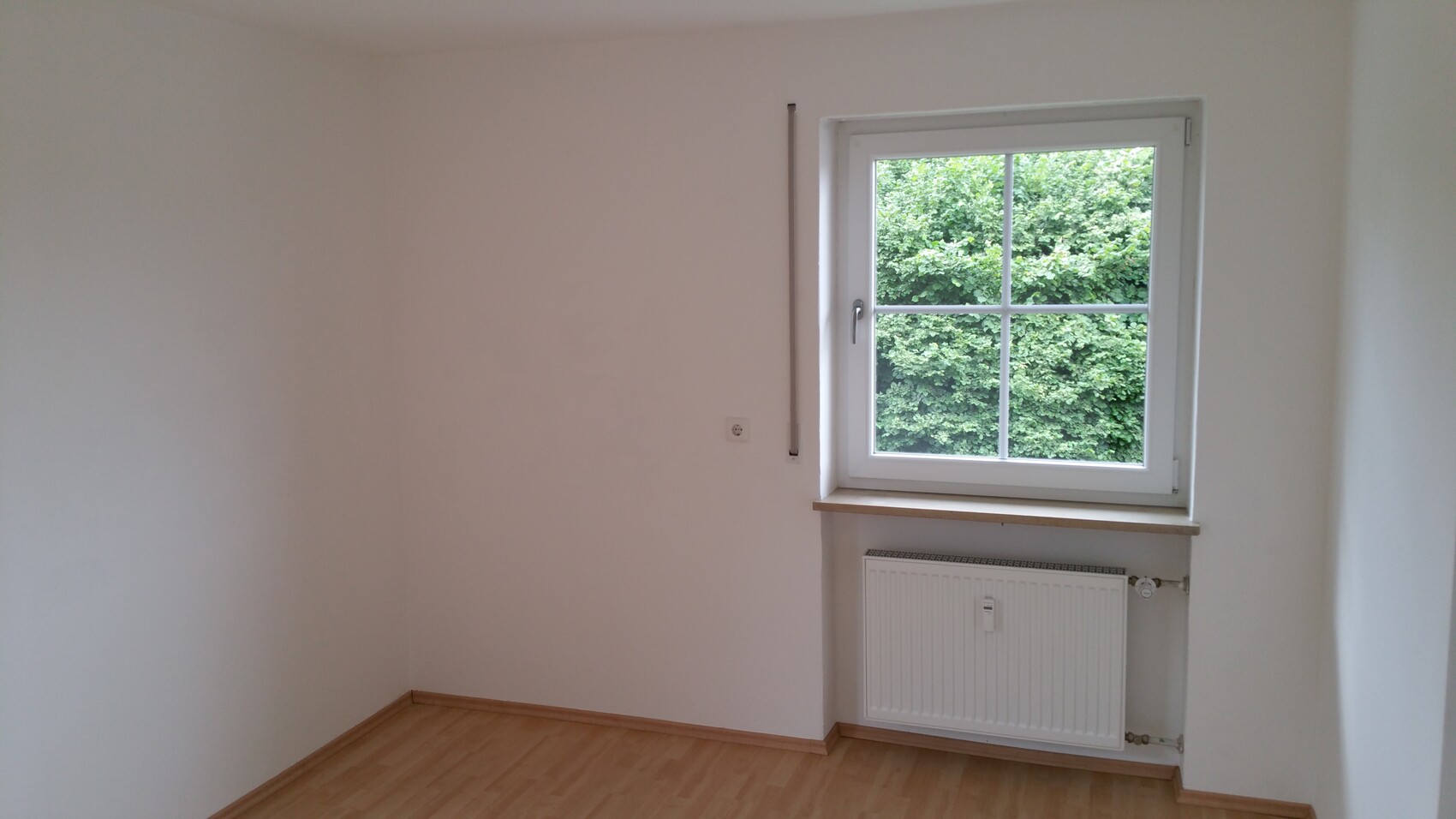
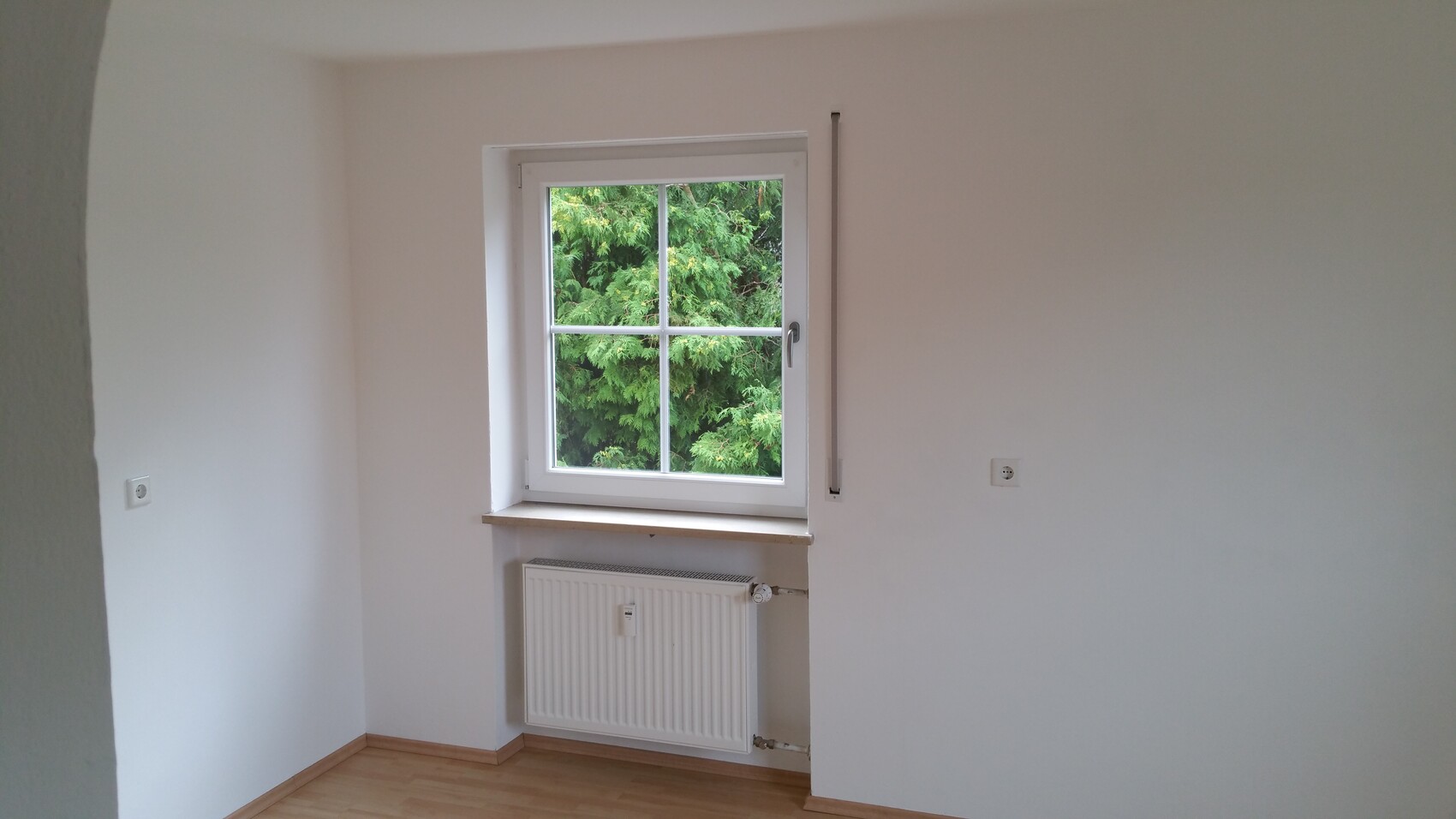
In my apartment, which will soon be rented out again (house built in 1972, windows with double glazing since 2010, insulated ceiling, but no insulation on the facade), I want to install calcium silicate boards on two interior walls in the dining room because there has been mold in the corner in the past. The problem is that, according to the manufacturer's instructions, calcium silicate boards must not be applied to gypsum or lime-gypsum plaster, so this gypsum-containing plaster would have to be completely removed beforehand.
My question is: How can I tell if the plaster contains gypsum?
As mentioned, the building was constructed in 1972, and my uncle was already on the construction site back then. He thought it is probably a lime-cement plaster, but he is not certain. Unfortunately, quite a thick layer of paint has been applied several times, so it’s not possible to really feel with your fingers what type of plaster it might be. I am also not a building expert and could only guess.
Would it be possible to remove a small sample and have it analyzed? If so, who would do this?
Best regards,
Robert
N
nordanney5 Oct 2024 17:22I recommend using ChatGPT for simple questions like this, even if you are not an expert. It often provides quite good tips, similar to those I would give myself.
1. Color and Surface:
2. Fingernail Test:
3. Moisture Sensitivity:
4. Tapping Test:
5. Reaction to Sanding or Drilling:
6. Construction and Layer Thickness:
7. Identification by Small Scratches:
8. pH Test:
Especially the tips regarding moisture, hardness, and dust during drilling are good indicators.
1. Color and Surface:
- Gypsum plaster has a very light, almost white color, often lighter than cement or lime plaster.
- The surface of gypsum plaster is usually very smooth and feels soft and fine-grained. You can easily notice this by gently running your hand over it.
2. Fingernail Test:
- Gypsum plaster is softer than many other types of plaster. You can easily press a groove into it with your fingernail, which is harder to do with firmer plasters like cement or lime plaster.
3. Moisture Sensitivity:
- Gypsum plaster is sensitive to moisture. If you slightly dampen the plaster in a moist area, it often darkens. With prolonged moisture, it may crumble or become soft because gypsum is not a waterproof material.
4. Tapping Test:
- When tapping on a gypsum plaster surface, you often hear a dull, muffled sound compared to firmer plasters, which may produce a sharper, more solid tone.
5. Reaction to Sanding or Drilling:
- When sanding or drilling gypsum plaster, fine white dust is released, which is another indication that it is gypsum plaster.
- Gypsum plaster is relatively easy to work with, while cement-based plasters offer more resistance.
6. Construction and Layer Thickness:
- Gypsum plaster is often applied in thin layers (about 5-10 mm (0.2-0.4 inches)), and its structure, if exposed anywhere, is usually very uniform.
7. Identification by Small Scratches:
- A small scratch test in an inconspicuous area can be helpful. Gypsum plaster typically flakes off as a fine powder.
8. pH Test:
- A somewhat more technical test is the pH test: gypsum has a neutral pH around 7. Lime plasters are more alkaline (higher pH). Using a specific pH test strip or solution on a dampened spot, you can test the pH level.
Especially the tips regarding moisture, hardness, and dust during drilling are good indicators.
F
Forsberg215 Oct 2024 17:54Thank you very much for the many tips.
I would definitely be able to identify a pure gypsum plaster with that. Based on your advice and the texture, I can probably rule out a pure gypsum plaster. It seems more challenging if the plaster consists of lime and gypsum. However, in that case, at least some white dust should be released when drilling, right? Testing for moisture and hardness would be more difficult in that scenario.
What would actually be the consequence if the wall plaster behind the calcium silicate boards contains some gypsum?
The boards themselves (2.5 cm thick) (1 inch) are highly permeable to water vapor and diffusion-open, so the moisture absorbed from the air passes through and would then come into contact with the gypsum plaster. The instructions for the boards and the anti-mold plaster mortar state that any existing gypsum plaster should be removed, especially if condensation is expected to form in the gypsum or lime-gypsum plaster layer.
I would definitely be able to identify a pure gypsum plaster with that. Based on your advice and the texture, I can probably rule out a pure gypsum plaster. It seems more challenging if the plaster consists of lime and gypsum. However, in that case, at least some white dust should be released when drilling, right? Testing for moisture and hardness would be more difficult in that scenario.
What would actually be the consequence if the wall plaster behind the calcium silicate boards contains some gypsum?
The boards themselves (2.5 cm thick) (1 inch) are highly permeable to water vapor and diffusion-open, so the moisture absorbed from the air passes through and would then come into contact with the gypsum plaster. The instructions for the boards and the anti-mold plaster mortar state that any existing gypsum plaster should be removed, especially if condensation is expected to form in the gypsum or lime-gypsum plaster layer.
B
Buchsbaum0665 Oct 2024 22:46I would scrape off some plaster and put the crumbs into water. This way, you can already see if there is gypsum in it or not. Then rub it between your fingers. If it becomes slippery and fine, it is gypsum. Lime-cement plaster is much coarser and does not dissolve in water.
Similar topics