
If you look closely, our house is from the 1970s and not very imaginative.
I am planning an entrance that brings joy both when passing by and walking through.
According to Hessian building regulations, you can construct an entrance area that isn’t too large without a building permit / planning permission. I like that.
I hope the pictures help to show what I mean.
In the third one, you can see the current condition ... I already "spruced up" the door a bit beforehand, but it’s not enough for me.
The roof (white here) will be covered with metal sheets. The door will be set slightly outward.
For now, it’s just an idea ... we’ll see ...
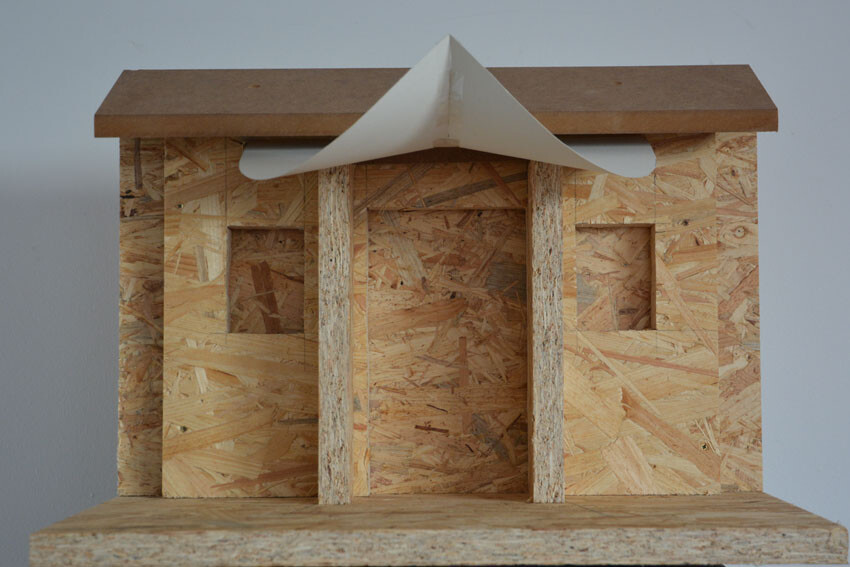
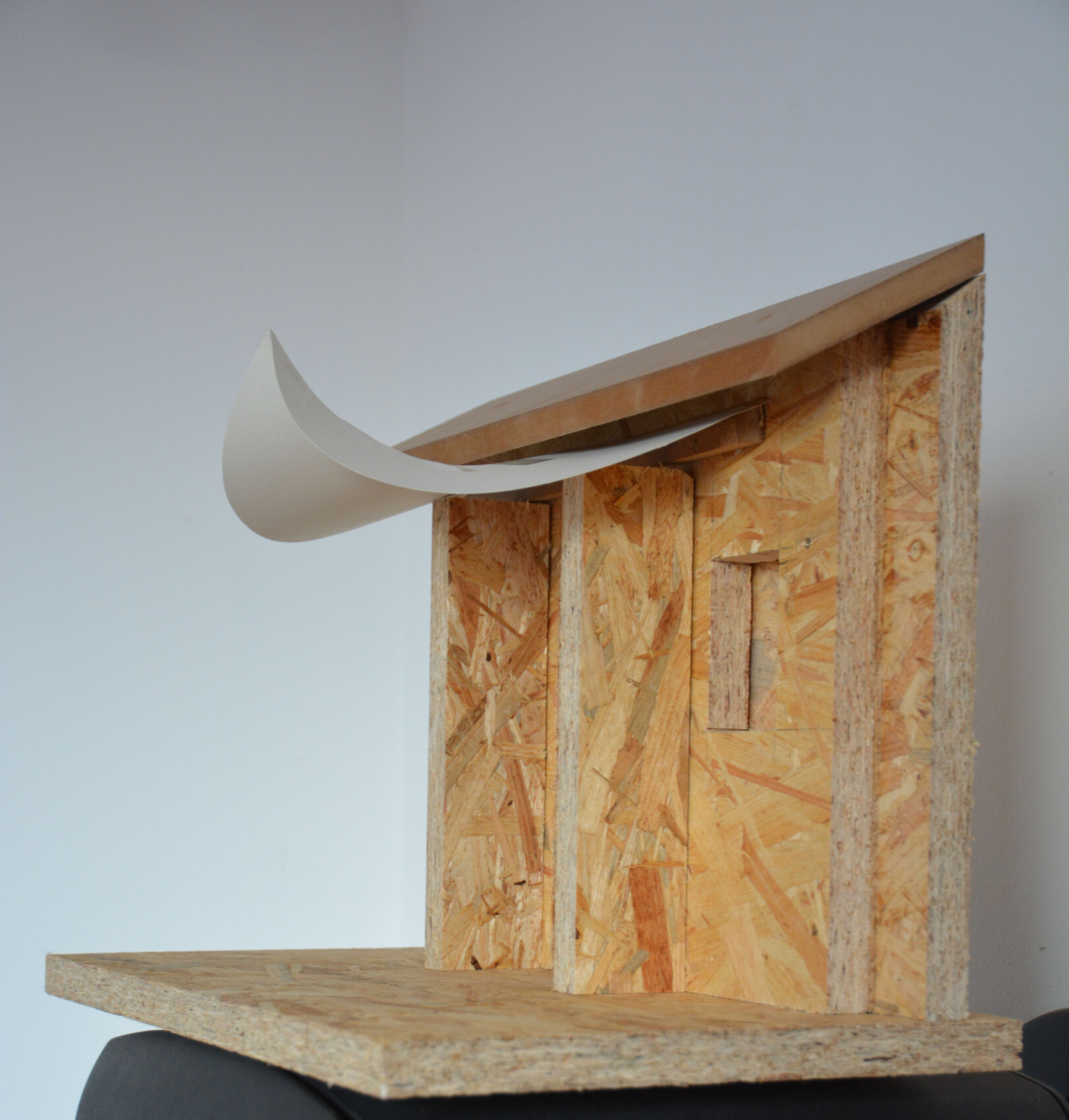
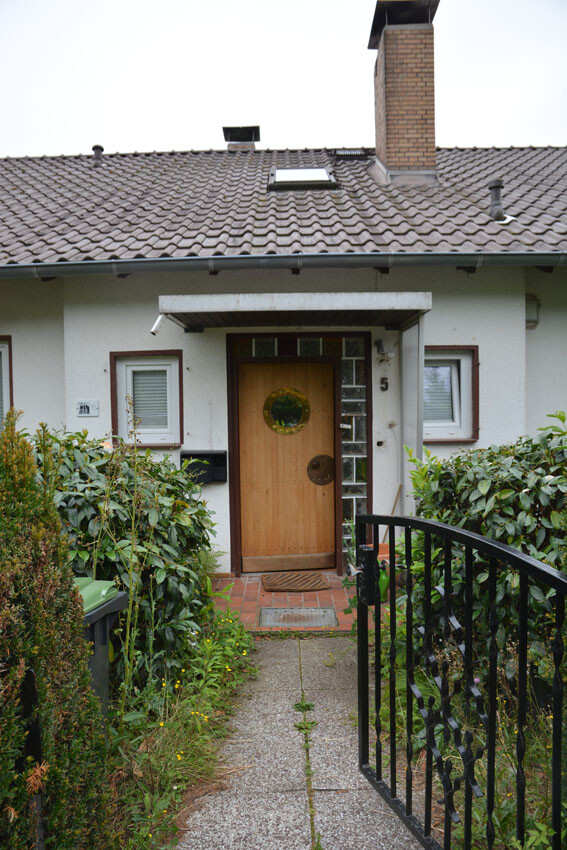
I am planning an entrance that brings joy both when passing by and walking through.
According to Hessian building regulations, you can construct an entrance area that isn’t too large without a building permit / planning permission. I like that.
I hope the pictures help to show what I mean.
In the third one, you can see the current condition ... I already "spruced up" the door a bit beforehand, but it’s not enough for me.
The roof (white here) will be covered with metal sheets. The door will be set slightly outward.
For now, it’s just an idea ... we’ll see ...


manohara schrieb:
Brass (Meszink, that’s how I remember it) and bronze are copper alloys, with either one or the other. I will add this mnemonic to my 11ant memory.
https://www.instagram.com/11antgmxde/
https://www.linkedin.com/company/bauen-jetzt/
wrobel schrieb:
because it fits well here
An original entrance designed by friends
Olli manohara schrieb:
wrobel schrieb:
because it fits well here
A rather original entrance from friends
OlliAre these actually the most recent pictures?
I would like to see how it looks with plants and curtains... basically "finished."
Yesterday a roofer came by and, when asked about a metal covering for the porch roof, said: "challenging, but definitely doable."
He suggested covering the entire surface (except for the gable edge) with a single sheet of metal, which would require a soldered seam because roofing sheets are only available up to 1 x 3 meters (3.3 x 9.8 feet) in size.
Since a soft-soldered seam would not hold securely at that size, he recommends hard soldering, which I find hard to believe is achievable, but that’s what I understood from him.
In that case, copper would probably be the most suitable material.
At the lower edge, the metal would extend 2 to 3 centimeters (1 to 1.2 inches) beyond and would need to be bent slightly downwards to prevent water from being drawn back up between the wood and the metal by capillary action.
I am still (gladly) working on this.
The coronavirus period is great for my considerations. I have time and no pressure to deliver quick results.
In the meantime, I have already built many models and thought about various options...
He suggested covering the entire surface (except for the gable edge) with a single sheet of metal, which would require a soldered seam because roofing sheets are only available up to 1 x 3 meters (3.3 x 9.8 feet) in size.
Since a soft-soldered seam would not hold securely at that size, he recommends hard soldering, which I find hard to believe is achievable, but that’s what I understood from him.
In that case, copper would probably be the most suitable material.
At the lower edge, the metal would extend 2 to 3 centimeters (1 to 1.2 inches) beyond and would need to be bent slightly downwards to prevent water from being drawn back up between the wood and the metal by capillary action.
I am still (gladly) working on this.
The coronavirus period is great for my considerations. I have time and no pressure to deliver quick results.
In the meantime, I have already built many models and thought about various options...
"Verdigris" on the roof.
I really like the green color, but in all cases I've observed, the copper turned black (which is fine, but not what I want).
It is often said that near the sea it turns green due to the atmosphere, and that the green patina can also be created artificially (using acid).
I suspect very few people truly understand this, because the coloring process takes a very long time and probably keeps changing depending on the environment.
My idea is to apply an artificial green patina to my small copper roof, but I assume that the green (if it even works) will turn black after a few years since I don’t live near the sea.
In that case, I would save myself the effort and choose a different technique.
Elsewhere on the house, titanium zinc is probably used, and I’m not very fond of the material change anyway.
For that spot, however, I would like something more lively than the titanium zinc gray.
I have also considered real gilding.
I have done something similar before and am satisfied with the result, but that would be too expensive for me (and especially for my wife).

I really like the green color, but in all cases I've observed, the copper turned black (which is fine, but not what I want).
It is often said that near the sea it turns green due to the atmosphere, and that the green patina can also be created artificially (using acid).
I suspect very few people truly understand this, because the coloring process takes a very long time and probably keeps changing depending on the environment.
My idea is to apply an artificial green patina to my small copper roof, but I assume that the green (if it even works) will turn black after a few years since I don’t live near the sea.
In that case, I would save myself the effort and choose a different technique.
Elsewhere on the house, titanium zinc is probably used, and I’m not very fond of the material change anyway.
For that spot, however, I would like something more lively than the titanium zinc gray.
I have also considered real gilding.
I have done something similar before and am satisfied with the result, but that would be too expensive for me (and especially for my wife).
Similar topics