
If you look closely, our house is from the 1970s and not very imaginative.
I am planning an entrance that brings joy both when passing by and walking through.
According to Hessian building regulations, you can construct an entrance area that isn’t too large without a building permit / planning permission. I like that.
I hope the pictures help to show what I mean.
In the third one, you can see the current condition ... I already "spruced up" the door a bit beforehand, but it’s not enough for me.
The roof (white here) will be covered with metal sheets. The door will be set slightly outward.
For now, it’s just an idea ... we’ll see ...
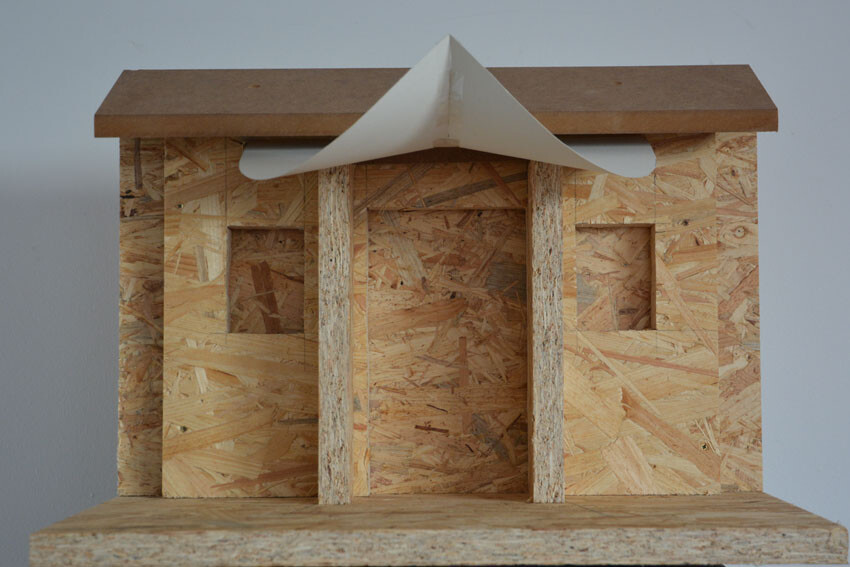
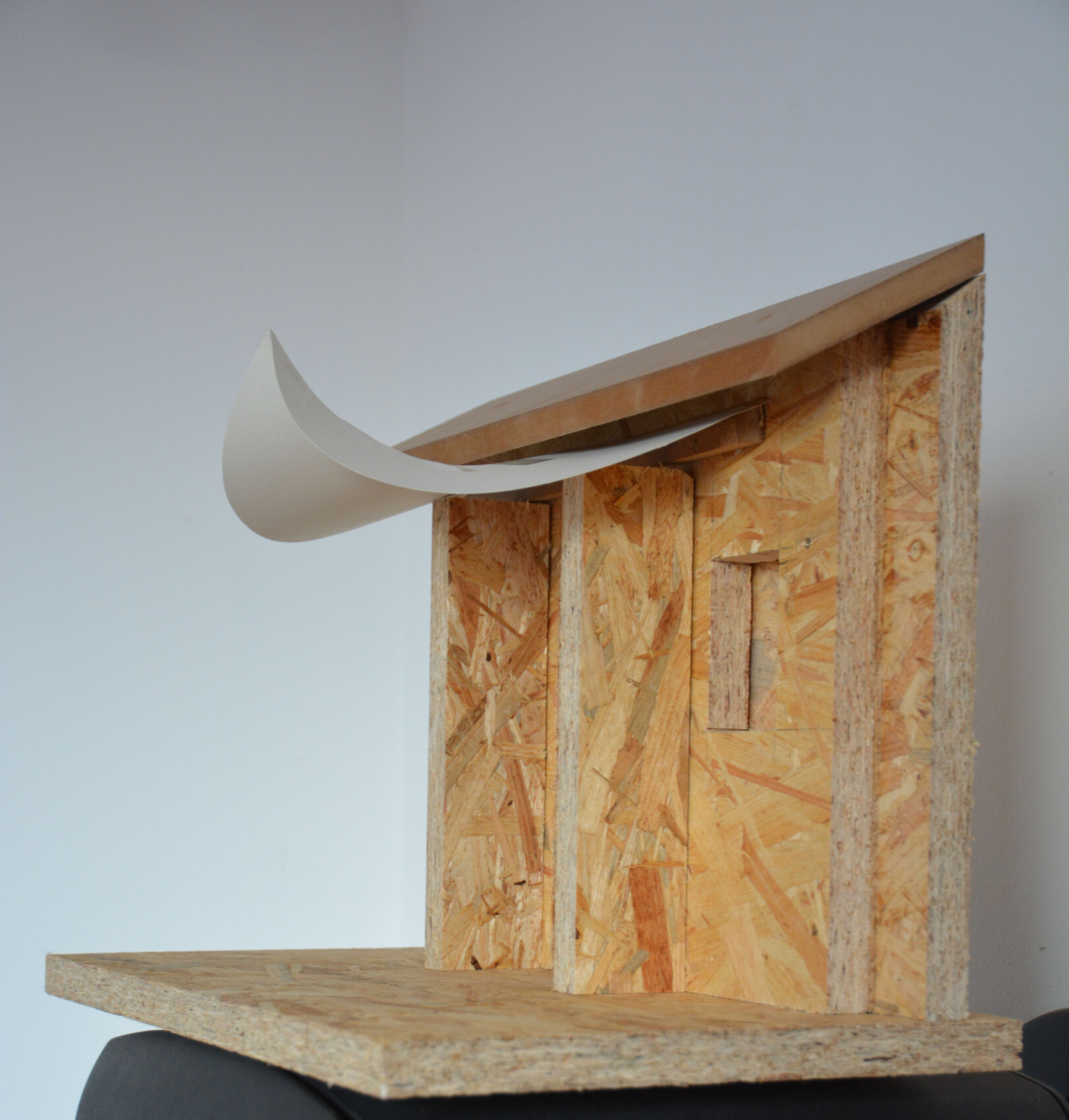
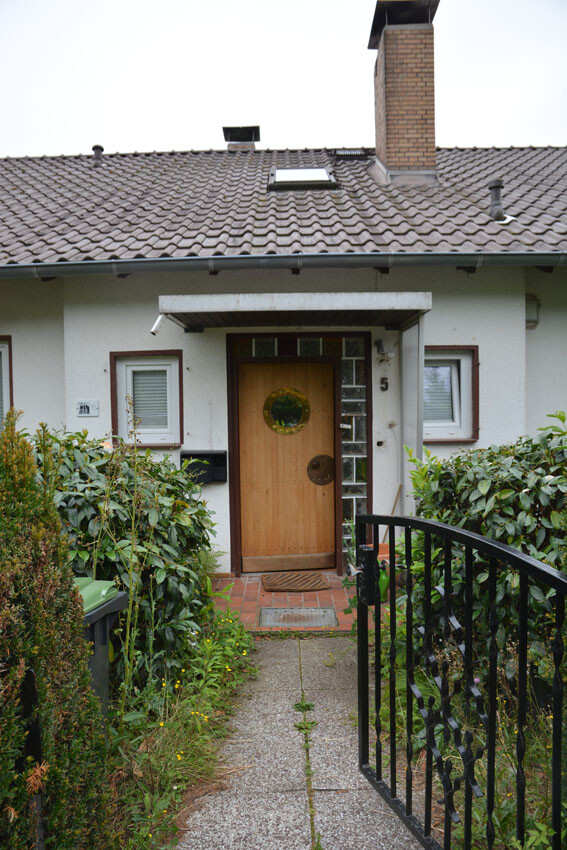
I am planning an entrance that brings joy both when passing by and walking through.
According to Hessian building regulations, you can construct an entrance area that isn’t too large without a building permit / planning permission. I like that.
I hope the pictures help to show what I mean.
In the third one, you can see the current condition ... I already "spruced up" the door a bit beforehand, but it’s not enough for me.
The roof (white here) will be covered with metal sheets. The door will be set slightly outward.
For now, it’s just an idea ... we’ll see ...

Yes, copper will turn green over time even without exposure to the sea, but it takes decades. Near the sea, it first darkens, and then the patina forms gradually. I cannot say whether this process is faster or slower by the sea. However, I know for certain that copper roofs on old houses here are all green, and they have certainly never been near the sea, not even for a summer retreat.


"Pre-patinated copper"
I probably won’t be able to use it because the shape of the roof where the copper is supposed to be installed is somewhat complex. I assume that the patina would chip off during bending or, in some cases, even when shaping it by hammering.
However, there are techniques to induce the patina on the finished roof using acid.
My main concern is:
I put a lot of effort and use aggressive chemicals to create a green patina, but due to the air composition (I read about this in a book from around 1900), it might turn black again after two years.
(You can tell I’m not yet convinced that copper always naturally turns green—I've seen too many black copper roofs for that... I pay attention to these things :eek )
I probably won’t be able to use it because the shape of the roof where the copper is supposed to be installed is somewhat complex. I assume that the patina would chip off during bending or, in some cases, even when shaping it by hammering.
However, there are techniques to induce the patina on the finished roof using acid.
My main concern is:
I put a lot of effort and use aggressive chemicals to create a green patina, but due to the air composition (I read about this in a book from around 1900), it might turn black again after two years.
(You can tell I’m not yet convinced that copper always naturally turns green—I've seen too many black copper roofs for that... I pay attention to these things :eek )
The book stated that since the beginning of the Industrial Revolution, the atmosphere has increasingly hindered the formation of greenery. This is why proximity to the sea is often mentioned in relation to green patina, as it apparently works better there. However, green roofs can also be found far from the sea.