
C
carl_300014 Jul 2025 16:18Hi,
I have a trapezoid-shaped window in my apartment. Tilt-and-roll shutters are expensive, so I tried to do it myself. Now I'm unsure whether the motor is sufficiently protected against water, especially from rain coming in sideways or rain with wind.
I know I’m an amateur and not everything is perfect here.
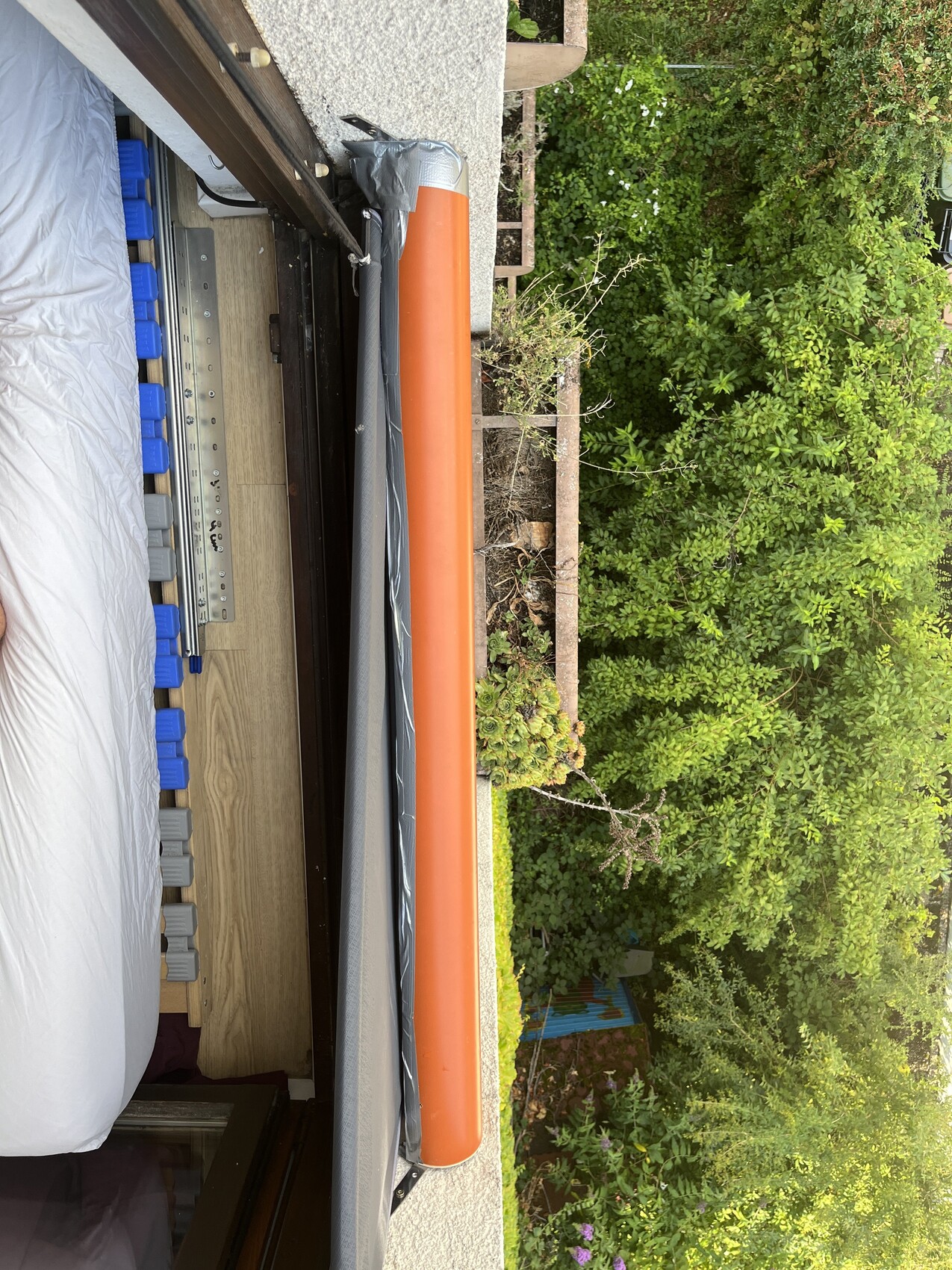
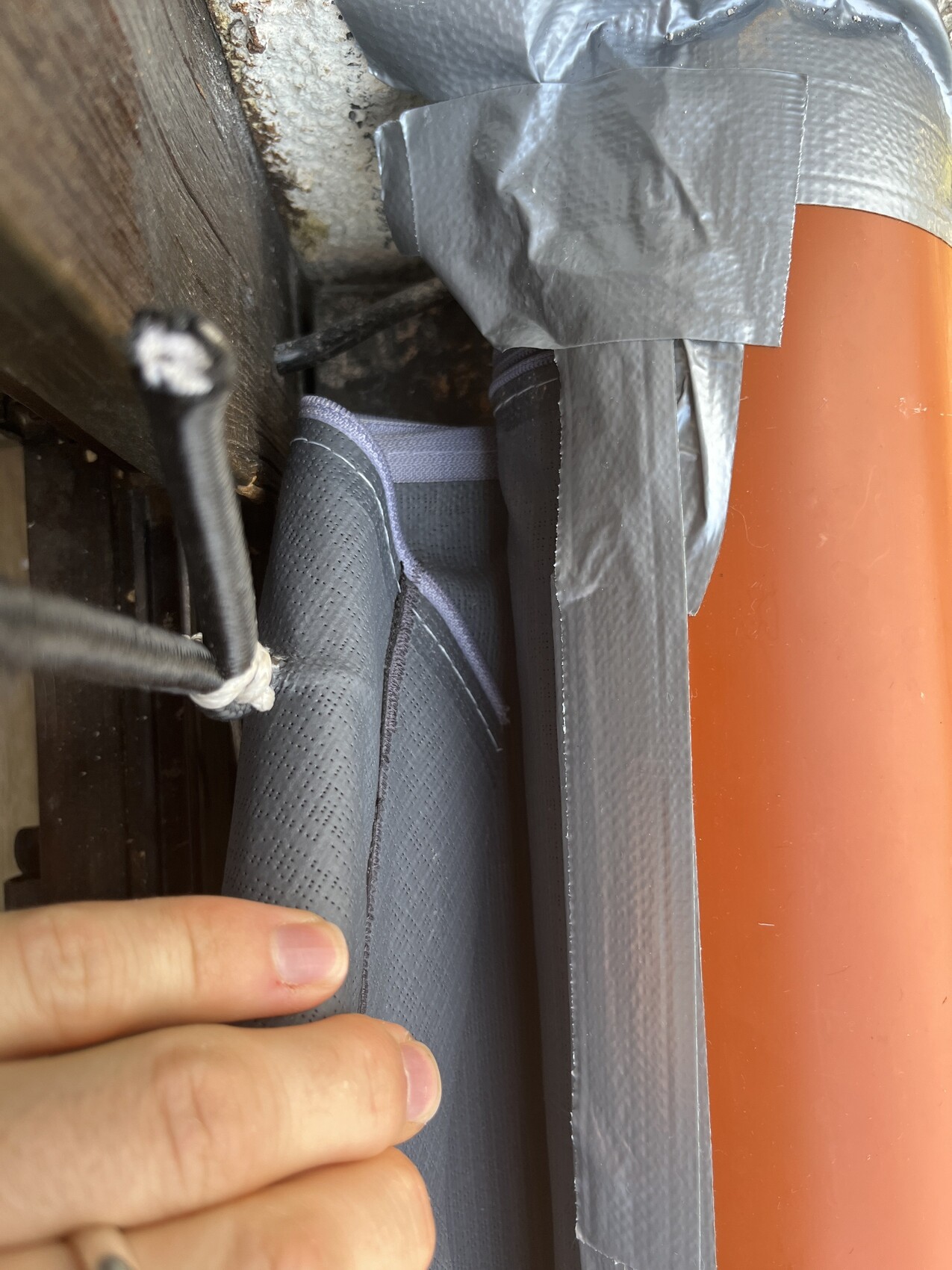
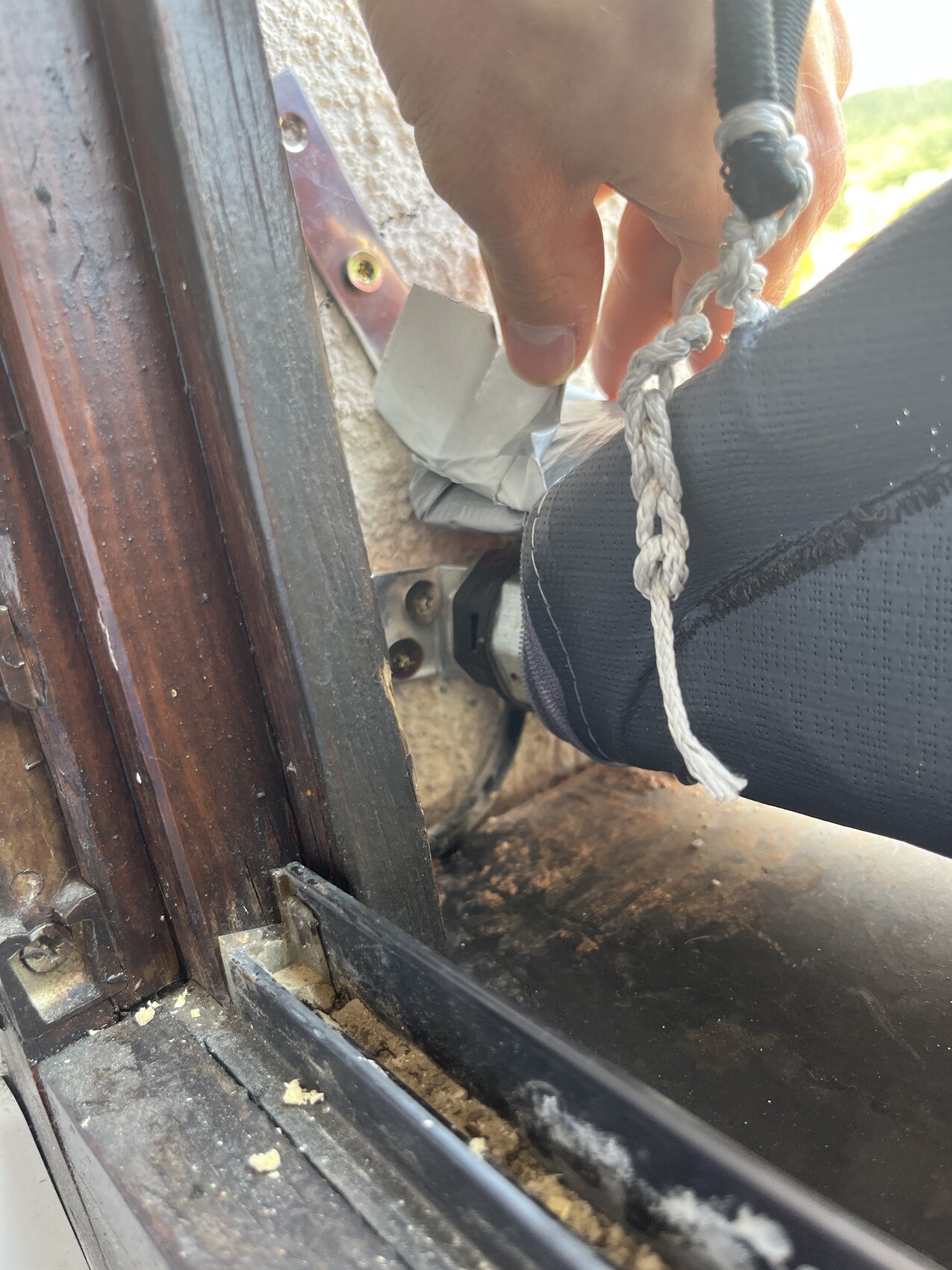
I installed the roller shutter motor at the bottom and let part of the textile screen stick out. I placed a PVC pipe around/in front of the roller shaft with the motor (the tape is just to prevent the cut edge from damaging the fabric). There is a small roof above the window, but the window is 1.5m to 1.8m (5 to 6 feet) tall, so it doesn’t offer much protection in windy conditions.
My biggest concern is that when the textile screen is extended, water will run down the fabric and collect at the transition to the roller shaft (where the fabric is rolled up), possibly running toward the motor.
Today I tested on the side where the motor is not located to see how water flows, and fortunately, the fabric seems quite permeable. When I poured water from above into the transition between the extended fabric and the rolled-up fabric on the shaft, the water passed through.
What do you think? What are your experiences with roller shutter motors and their vulnerability to water damage? The motor is rated IP44 (protected against splashing water).
Thanks & regards
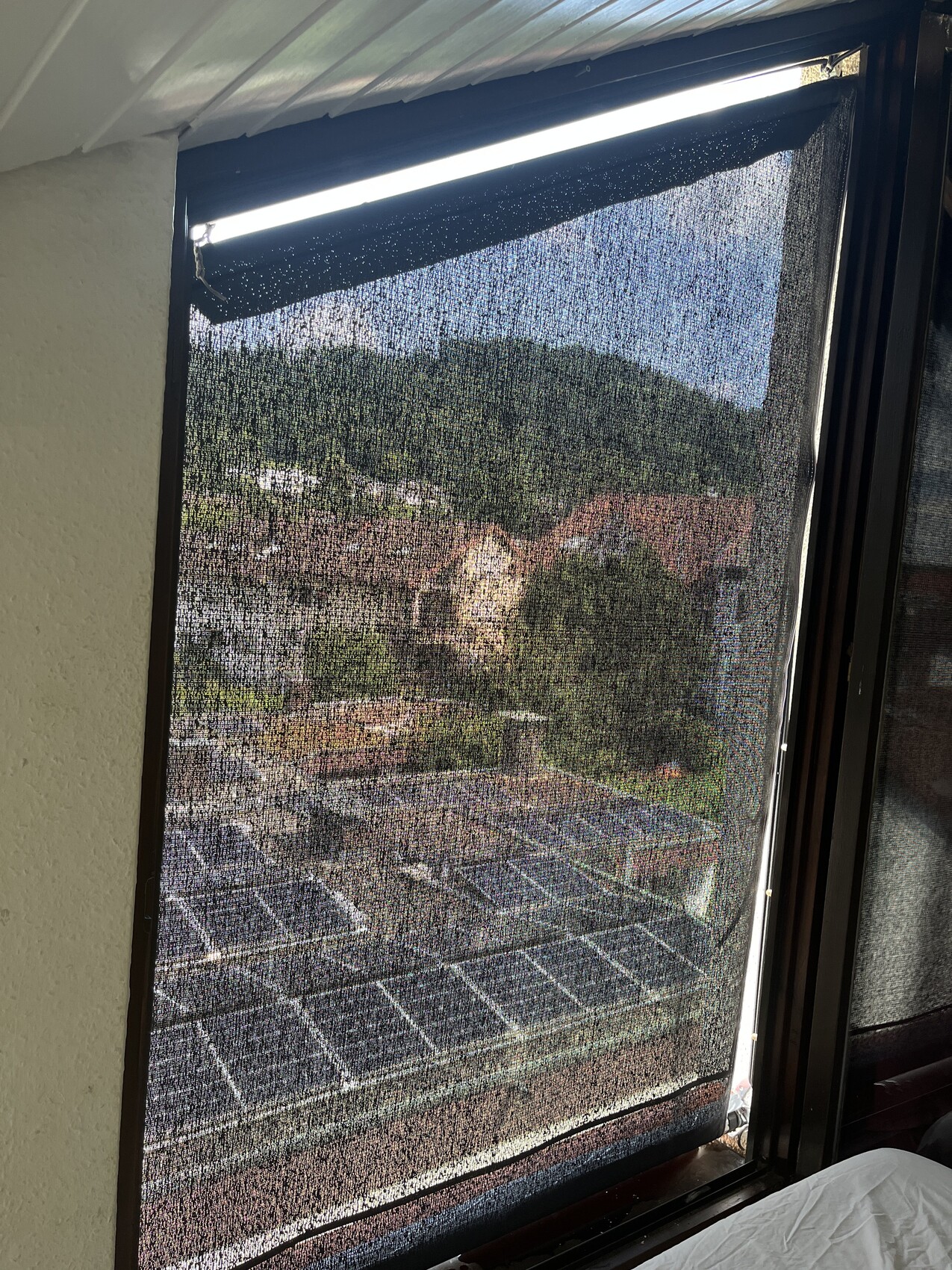
I have a trapezoid-shaped window in my apartment. Tilt-and-roll shutters are expensive, so I tried to do it myself. Now I'm unsure whether the motor is sufficiently protected against water, especially from rain coming in sideways or rain with wind.
I know I’m an amateur and not everything is perfect here.
I installed the roller shutter motor at the bottom and let part of the textile screen stick out. I placed a PVC pipe around/in front of the roller shaft with the motor (the tape is just to prevent the cut edge from damaging the fabric). There is a small roof above the window, but the window is 1.5m to 1.8m (5 to 6 feet) tall, so it doesn’t offer much protection in windy conditions.
My biggest concern is that when the textile screen is extended, water will run down the fabric and collect at the transition to the roller shaft (where the fabric is rolled up), possibly running toward the motor.
Today I tested on the side where the motor is not located to see how water flows, and fortunately, the fabric seems quite permeable. When I poured water from above into the transition between the extended fabric and the rolled-up fabric on the shaft, the water passed through.
What do you think? What are your experiences with roller shutter motors and their vulnerability to water damage? The motor is rated IP44 (protected against splashing water).
Thanks & regards
W
wiltshire14 Jul 2025 21:26I like self-devised solutions. Using duct tape to repel water on the engine is a pragmatic approach. It should usually be sufficient. If not, not much will actually get damaged. Then you can look for a replacement engine with the appropriate IP rating.

carl_3000 schrieb:
What do you think about this?For bold self-build projects, I think I’ll call in @ateliersiegel for you.https://www.instagram.com/11antgmxde/
https://www.linkedin.com/company/bauen-jetzt/
 ateliersiegel16 Jul 2025 08:43
11ant schrieb:
For bold self-built projects, I think I’ll just shout out to @ateliersiegel.I’m not sure what exactly is meant by that, but I’ll take it as a compliment 😎ateliersiegel schrieb:
I'm not sure what is meant by thatIt means that I see you in this forum as the competent evaluator for Daniel-Düsentrieb projects.https://www.instagram.com/11antgmxde/
https://www.linkedin.com/company/bauen-jetzt/
ateliersiegel16 Jul 2025 17:35"competent" *cool
In the case of this roller shutter, unfortunately I can't contribute anything meaningful. The whole project seems rather unclear to me — even though there are photos included... still...
In the case of this roller shutter, unfortunately I can't contribute anything meaningful. The whole project seems rather unclear to me — even though there are photos included... still...
Similar topics