
I am in the process of buying a house. However, there was a water damage incident recently. The house has no basement and was built in 1999. Allegedly, a sewer pipe in front of the house burst, causing water to back up into the house. All the walls are damp on the inside, about 20cm (8 inches) high, and the plaster is peeling off in some areas. The insurance company then hired a company that supposedly dried the damage by drilling into the floor. Some time has passed since then, but the walls are still damp because the heating system leaked for an extended period.
How should I proceed now to avoid making a mistake when buying the house? Where else could the water be coming from? The foundation slab is made of waterproof concrete.
I originally planned to completely remove the screed and insulation on the ground floor to install underfloor heating, but now I am worried about what I might find.
Thank you.
How should I proceed now to avoid making a mistake when buying the house? Where else could the water be coming from? The foundation slab is made of waterproof concrete.
I originally planned to completely remove the screed and insulation on the ground floor to install underfloor heating, but now I am worried about what I might find.
Thank you.
B
Bauexperte4 Dec 2012 11:03powertdi schrieb:
How should I proceed now to avoid making a mistake when buying a house? Where else could the water be coming from? The foundation slab is made of waterproof concrete.Request documentation for the completed work, hire an independent expert specializing in moisture damage in older buildings, review the documents together with them, and conduct an on-site inspection of the property.Kind regards
powertdi schrieb:
...How can I proceed now to avoid making a mistake when buying a house? I just don’t understand how all the walls can still be damp simply because the heating system is leaking in some areas! ;-Stay away from properties like that!
Best regards
 Altbauprofi9 Mar 2015 22:49
For an effective and long-lasting repair of moisture damage, a precise preliminary examination is necessary to identify the causes of moisture intrusion and assess the condition of the building component.
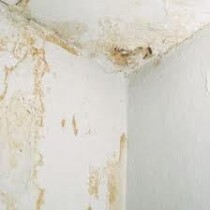
Common damage focal points in practice:

Common causes of moisture damage in ground-contacting building parts include:
Remote diagnosis is generally not recommended.
Common damage focal points in practice:
- Leaking pitched roof coverings
- Leaking gutters and downspouts
- Cracks and decay in chimneys
- Leaking waterproofing on flat roofs
- Cracks and plaster detachment on façades
- Non-functional windows
- Damp building foundations and basement exterior walls
- Mold infestation indoors on damp building components
Common causes of moisture damage in ground-contacting building parts include:
- Rising damp due to faulty horizontal damp-proofing
- Lateral moisture penetration caused by driving rain
- Lateral moisture penetration through joint leaks
- Lateral moisture penetration due to faulty vertical damp-proofing
- Moisture ingress caused by salts (hygroscopic moisture)
- Moisture ingress from indoor air (condensation)
Remote diagnosis is generally not recommended.
 blockhauspower10 Mar 2015 17:39
That would be settled then after two and a half years. :-)
Similar topics