
ᐅ Mechanical ventilation with heat recovery tends to get dirty and develop mold over time.
Created on: 9 Mar 2021 19:12
S
schnuffy1deS
schnuffy1de9 Mar 2021 19:12Hello everyone,
I have a question. The last maintenance of the Wolf CWL 300B was about three years ago.
My heating technician/master told me two weeks ago that I can perform the maintenance of the controlled residential ventilation system myself…
I disassembled it and could hardly believe my eyes.
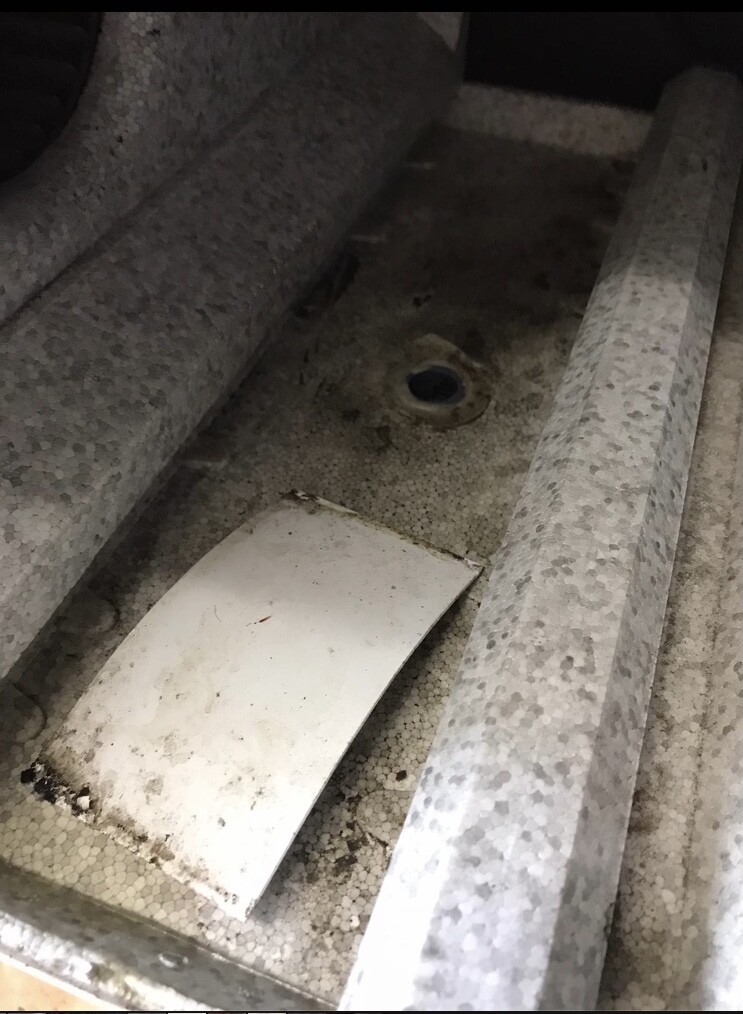
There was a lot of moisture and mold around the water drain at the bottom.
I cleaned and dried it and sprayed it with disinfectant…
Is this normal? And what is this little plate for? It was just lying there.
Thank you
I have a question. The last maintenance of the Wolf CWL 300B was about three years ago.
My heating technician/master told me two weeks ago that I can perform the maintenance of the controlled residential ventilation system myself…
I disassembled it and could hardly believe my eyes.
There was a lot of moisture and mold around the water drain at the bottom.
I cleaned and dried it and sprayed it with disinfectant…
Is this normal? And what is this little plate for? It was just lying there.
Thank you

Well, somehow it’s become moldy and dirty and so on... jokes aside...
Three years is quite a long time. So it’s no surprise.
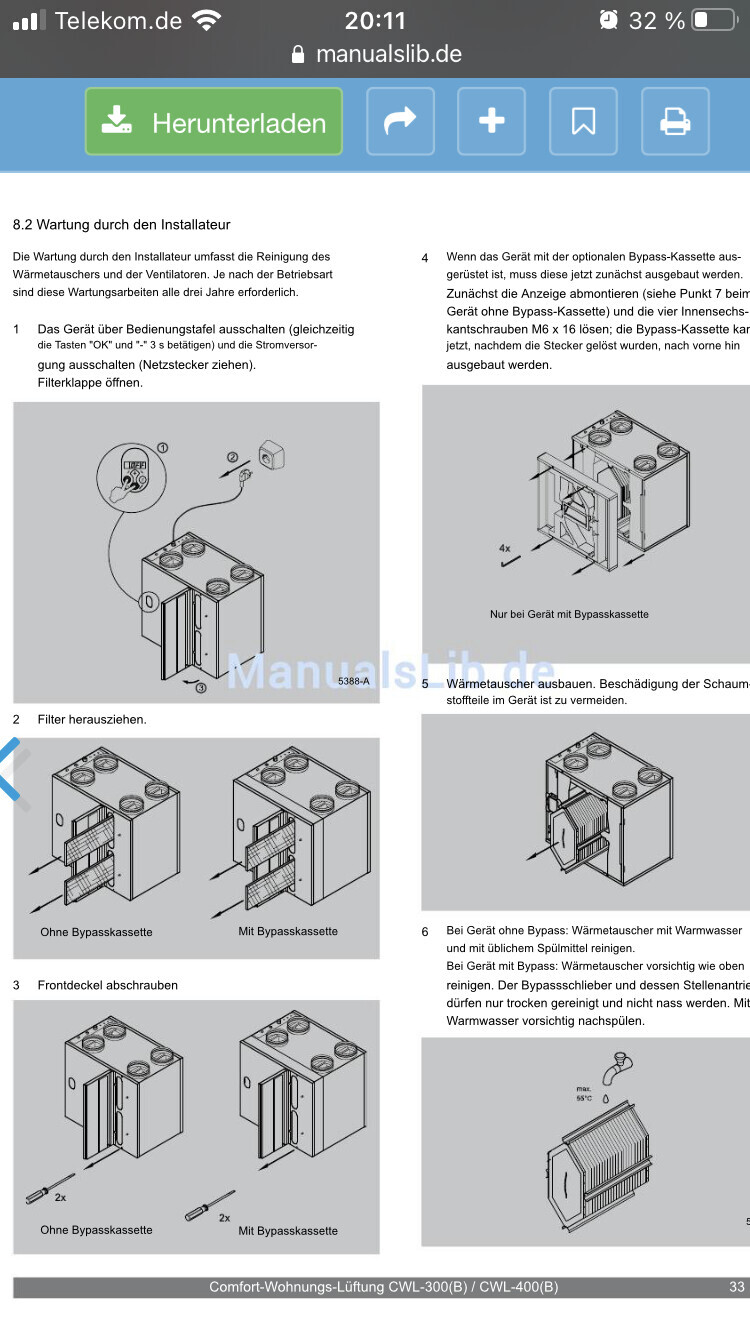
The manufacturer recommends flushing the heat exchanger at least once a year and inspecting and, if necessary, cleaning the rest of the system during that process.
What you found there is the condensate tray. Naturally, a variety of debris, dirt, and other substances end up there. But since this is the drain, that is not a malfunction but its primary function.
The white curved plastic piece is clamped directly over the condensate connection, positioned between the two ribs to protect against coarse contaminants and to prevent clogging.
Three years is quite a long time. So it’s no surprise.
The manufacturer recommends flushing the heat exchanger at least once a year and inspecting and, if necessary, cleaning the rest of the system during that process.
What you found there is the condensate tray. Naturally, a variety of debris, dirt, and other substances end up there. But since this is the drain, that is not a malfunction but its primary function.
The white curved plastic piece is clamped directly over the condensate connection, positioned between the two ribs to protect against coarse contaminants and to prevent clogging.
S
schnuffy1de9 Mar 2021 20:18Hi
First of all, thank you very much for your reply and the tip about the panel.
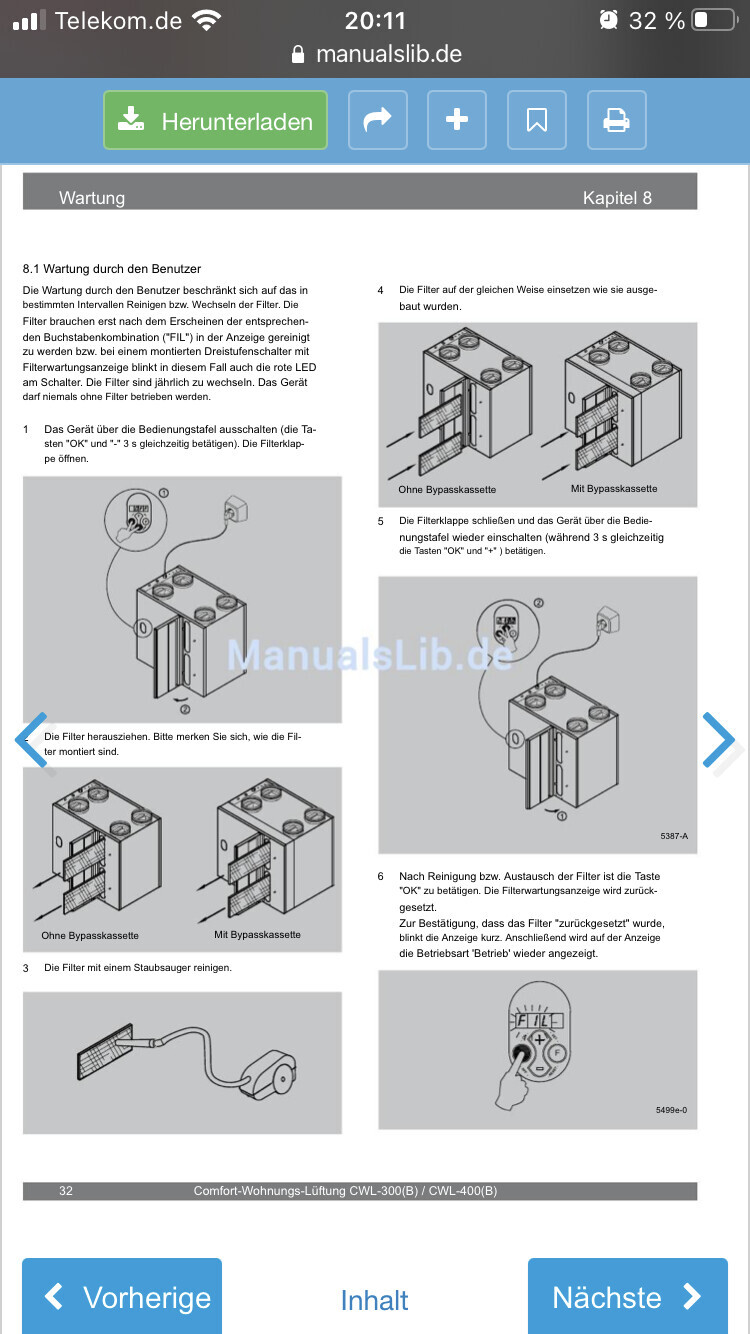
Of course, I clean the mechanical ventilation system more frequently than every three years—at least where the filters are. These are replaced every few months. But for the heat exchanger, the system’s instructions recommend every three years (depending on usage).
Now that I know this, I will make sure to do it every year from now on...
So far, I have been using standard G filters.
Does an F filter provide any advantages? Or activated carbon filters? Are they “better” for the supply air?
First of all, thank you very much for your reply and the tip about the panel.
Of course, I clean the mechanical ventilation system more frequently than every three years—at least where the filters are. These are replaced every few months. But for the heat exchanger, the system’s instructions recommend every three years (depending on usage).
Now that I know this, I will make sure to do it every year from now on...
So far, I have been using standard G filters.
Does an F filter provide any advantages? Or activated carbon filters? Are they “better” for the supply air?
You can see how it looks after three years. For that reason, it’s better to replace it annually.
Activated carbon filters naturally help with odor filtration. You will have to decide between G or F filters yourself. The F filters clog faster, of course.
However, on the exhaust side, you can stick with G filters.
Activated carbon filters naturally help with odor filtration. You will have to decide between G or F filters yourself. The F filters clog faster, of course.
However, on the exhaust side, you can stick with G filters.
S
schnuffy1de10 Mar 2021 18:42Hi
Thank you very much. I will now make sure to do it at least once a year… it’s definitely not acceptable otherwise *yuck*
OK, I will consider buying the activated carbon…
Thanks
Thank you very much. I will now make sure to do it at least once a year… it’s definitely not acceptable otherwise *yuck*
OK, I will consider buying the activated carbon…
Thanks
Similar topics