
E
Eyedentity15 Oct 2022 13:06Hello everyone,
Our house was built in 2020 with Poroton blocks (42.5cm (17 inches), no external insulation system) and plastered. I don’t have more specific information about the plaster.
On the west side, we can see stains on the damp exterior wall, and the joints are also slightly visible. On the dry wall, the stains are hardly noticeable. Other exterior walls, either on our house or at neighbors’, show no abnormalities.
I understand that plaster can develop mold over time. However, I am surprised why the stains are only so noticeable when the wall is wet. Could the plaster be too thin, causing the masonry to “show through”?
I have an appointment with the builder soon, so I would appreciate your neutral opinions. Thank you!
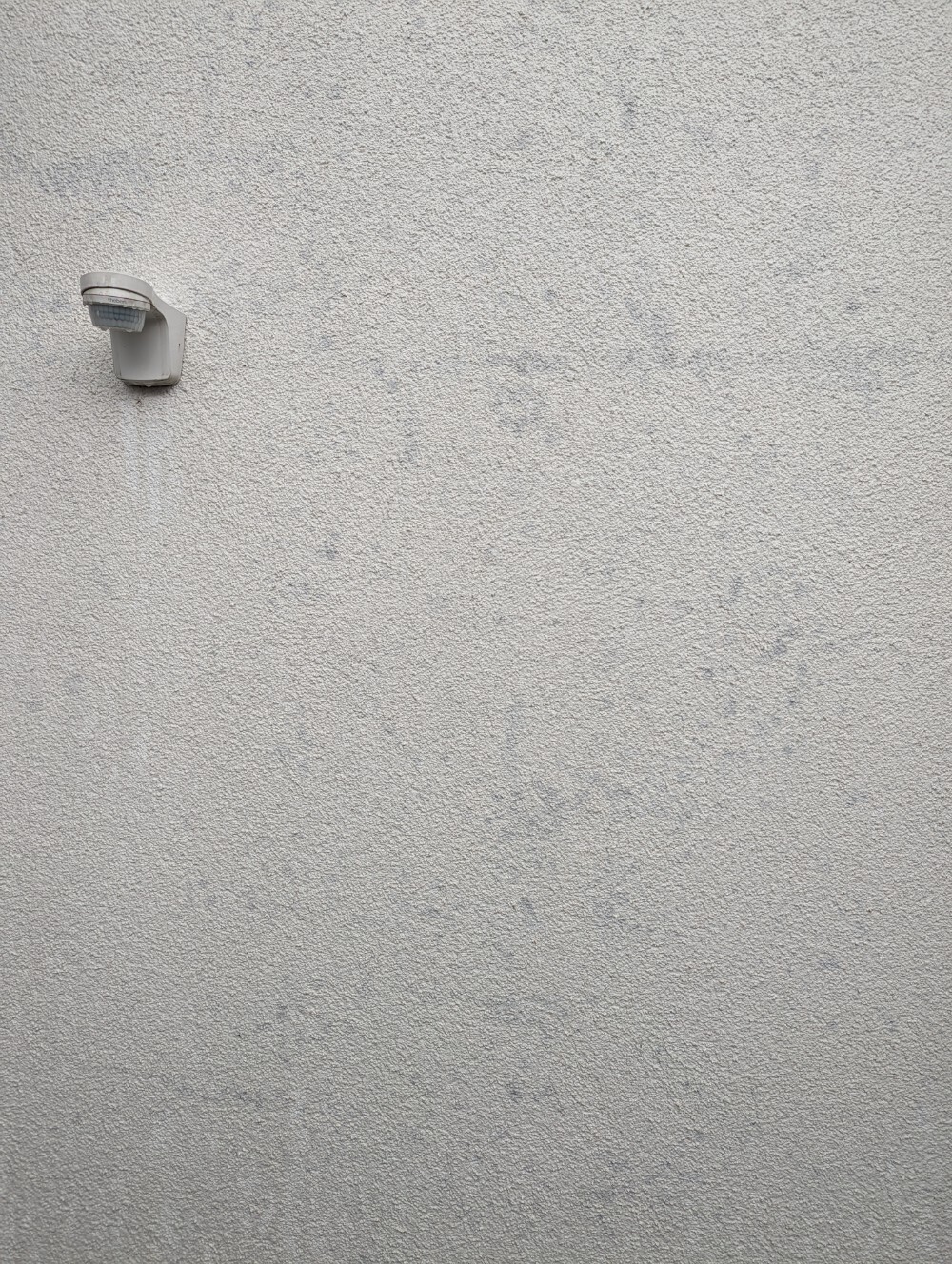

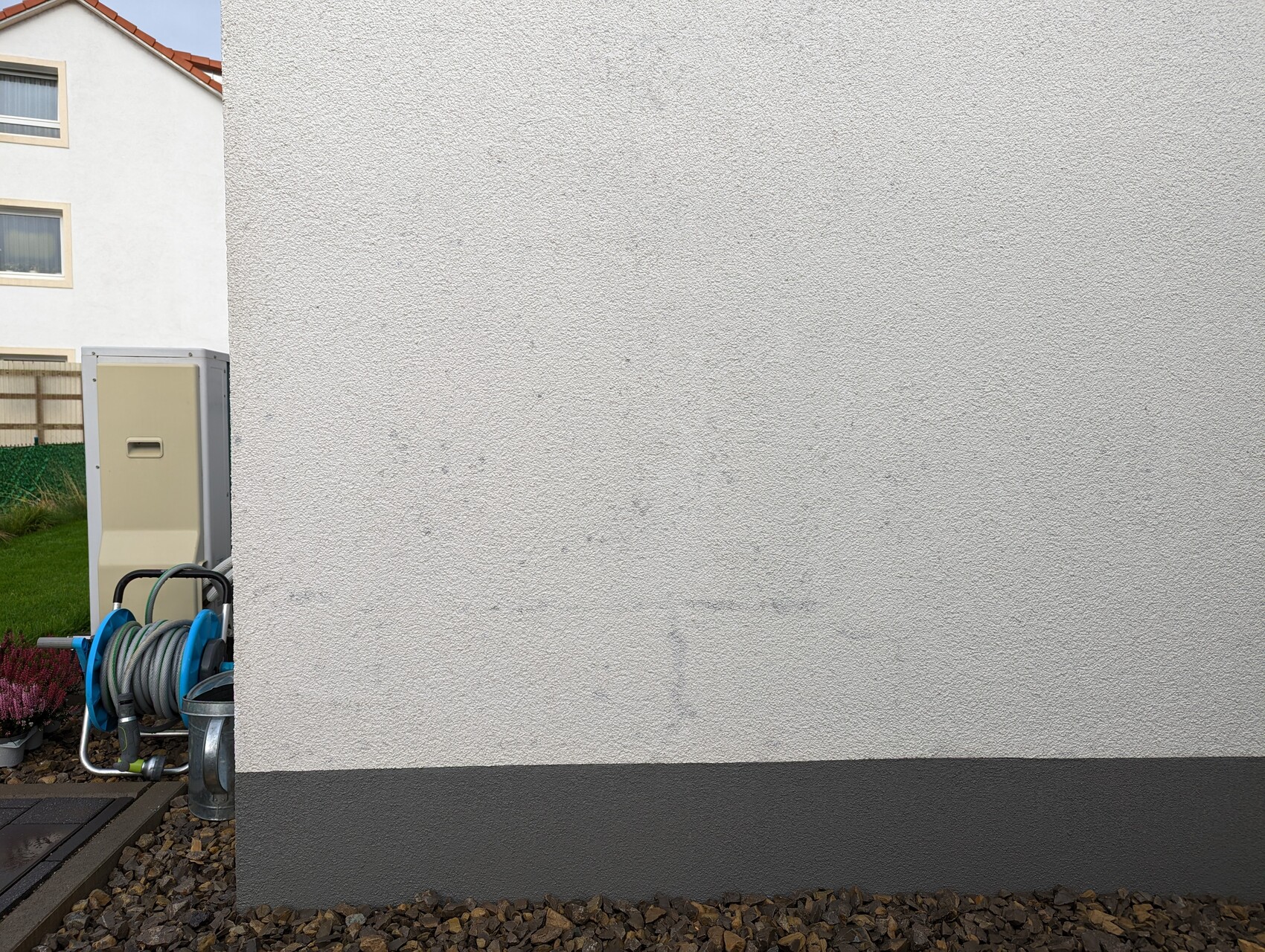
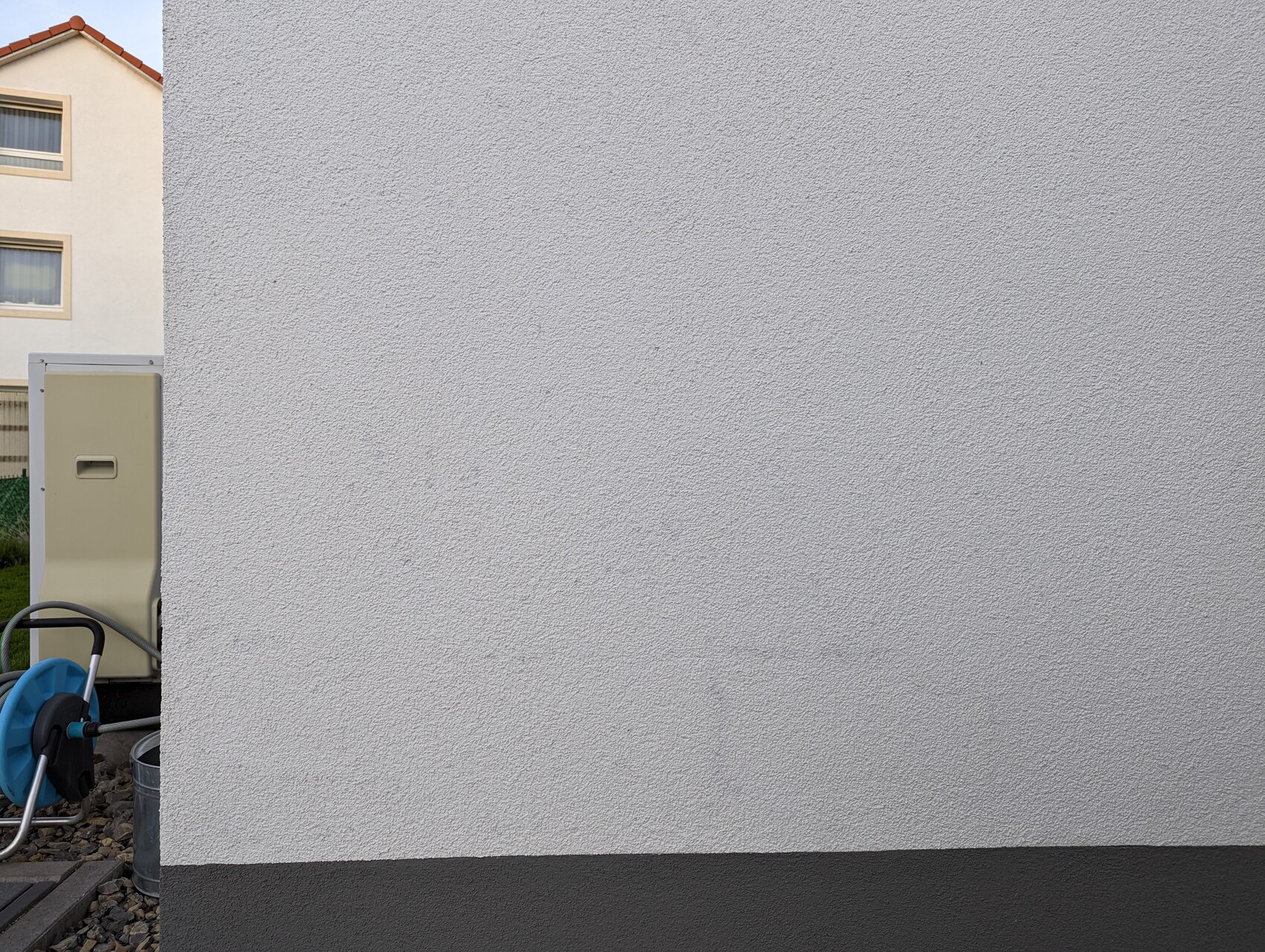
Our house was built in 2020 with Poroton blocks (42.5cm (17 inches), no external insulation system) and plastered. I don’t have more specific information about the plaster.
On the west side, we can see stains on the damp exterior wall, and the joints are also slightly visible. On the dry wall, the stains are hardly noticeable. Other exterior walls, either on our house or at neighbors’, show no abnormalities.
I understand that plaster can develop mold over time. However, I am surprised why the stains are only so noticeable when the wall is wet. Could the plaster be too thin, causing the masonry to “show through”?
I have an appointment with the builder soon, so I would appreciate your neutral opinions. Thank you!
B
Benutzer 100115 Oct 2022 13:18I would mention two reasons: the applied plaster is too thin.
Also, the paint used does not contain algaecide or fungicide. Additionally, a non-water-repellent paint was used, allowing water to penetrate the top layer. Due to the different drying behavior, this appearance develops after a short time.
In 2-3 years, it will look even worse.
You probably did not agree on a second coat with the construction company?
I would have the facade cleaned and repainted with proper paint.
Who must bear the costs and what your contract states will determine who is responsible for payment.
Also, the paint used does not contain algaecide or fungicide. Additionally, a non-water-repellent paint was used, allowing water to penetrate the top layer. Due to the different drying behavior, this appearance develops after a short time.
In 2-3 years, it will look even worse.
You probably did not agree on a second coat with the construction company?
I would have the facade cleaned and repainted with proper paint.
Who must bear the costs and what your contract states will determine who is responsible for payment.
E
Eyedentity15 Oct 2022 18:00Thank you very much for your feedback!
The stains usually appear on the north-facing wall, where the surface does not dry out in wetter climates. This leads to visible stains. This is common in many houses, even those with different wall constructions but with white plaster on the exterior.
In our case, the phenomenon was noticeable from around the seventh year. In spring, the plaster looks much brighter, but from autumn it becomes patchy.
We opted for a higher-quality plaster with fungicides. The standard option was a simpler mineral plaster.
So, if you didn’t order and pay for an upgrade, you will probably have to accept this as it is. That’s my opinion.
In our case, the phenomenon was noticeable from around the seventh year. In spring, the plaster looks much brighter, but from autumn it becomes patchy.
We opted for a higher-quality plaster with fungicides. The standard option was a simpler mineral plaster.
So, if you didn’t order and pay for an upgrade, you will probably have to accept this as it is. That’s my opinion.
As a layperson, you simply wouldn’t know this. Especially since it wasn’t clearly stated whether one or two coats were agreed upon. You can search the internet endlessly, but I would never have thought of something like this. Basically, you’re being delivered an unfinished facade—and that’s exactly what it is.
This raises the question of whether applying too thin a layer counts as a defect, or if you are more or less forced to order a thicker layer to get it done properly. Although that would be quite questionable.
This raises the question of whether applying too thin a layer counts as a defect, or if you are more or less forced to order a thicker layer to get it done properly. Although that would be quite questionable.
X
xMisterDx16 Oct 2022 09:57Then you need to get professional support 😉
With the BER project, people often complain that no experts were involved and politicians tried to act as construction managers themselves... with house building, it unfortunately seems normal that people with no technical or practical knowledge believe they can manage everything themselves.
This is the result. Unfortunately.
With the BER project, people often complain that no experts were involved and politicians tried to act as construction managers themselves... with house building, it unfortunately seems normal that people with no technical or practical knowledge believe they can manage everything themselves.
This is the result. Unfortunately.
Similar topics