
Hello.
We can’t quite fit our piece of furniture into the niche. Unfortunately, our plasterer applied the plaster thicker in the lower part of the two rear corners than higher up. The furniture fits perfectly in the upper area, but at the bottom in the rear corners it doesn’t, so we can’t push it in the last 15cm (6 inches). Does anyone have an idea how we could widen the wallpapered walls somehow? We are missing 0.5cm (0.2 inches) in width at the back of the niche. Remove the wallpaper, sand the interior plaster? Or chip away the interior plaster in the areas that will later be covered by the furniture? We are quite disappointed that we didn’t measure properly. It took a long time to find a suitable piece of furniture that my wife likes. Do you have any suggestions for the best solution?
Best regards,
Peter
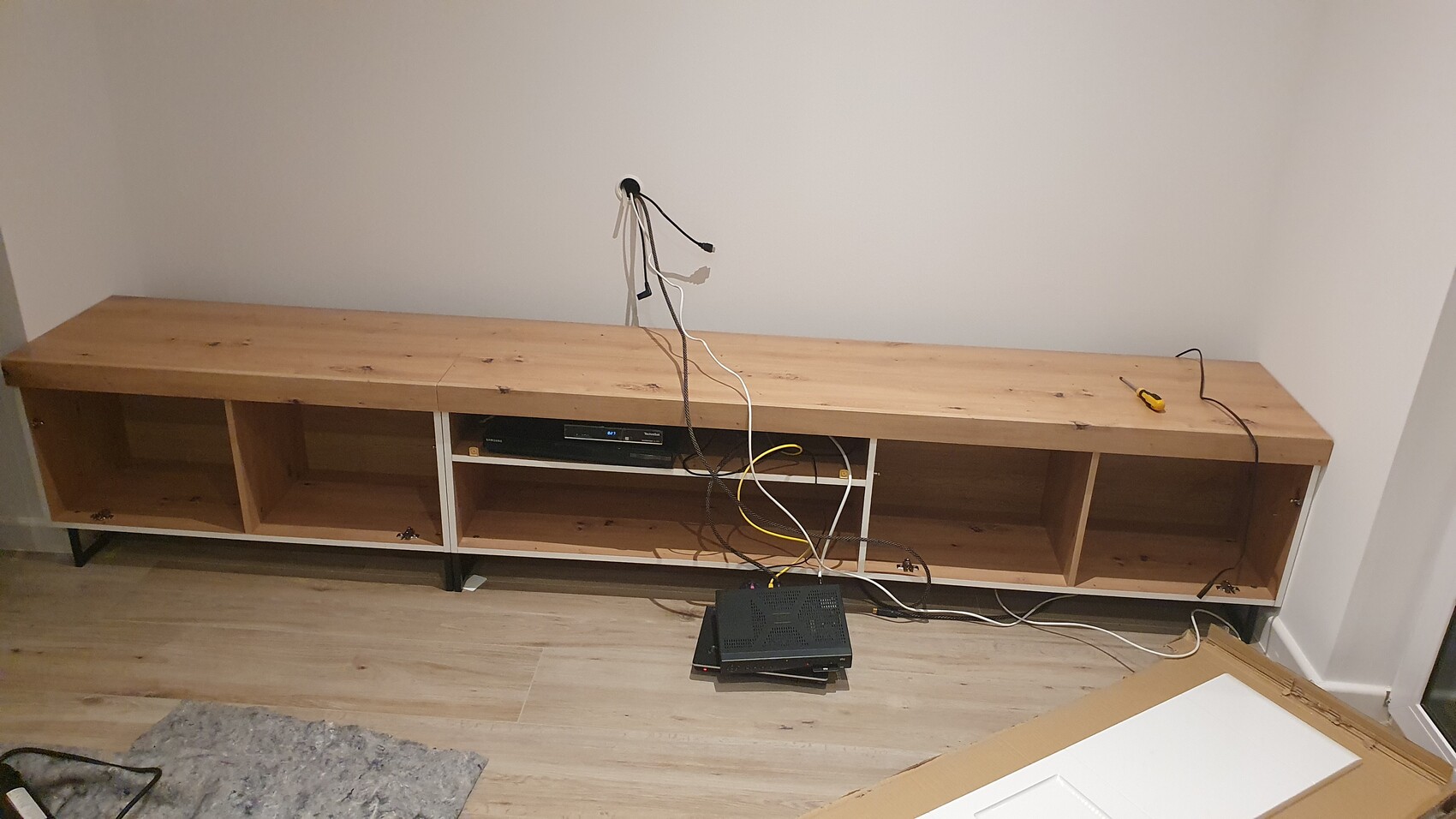
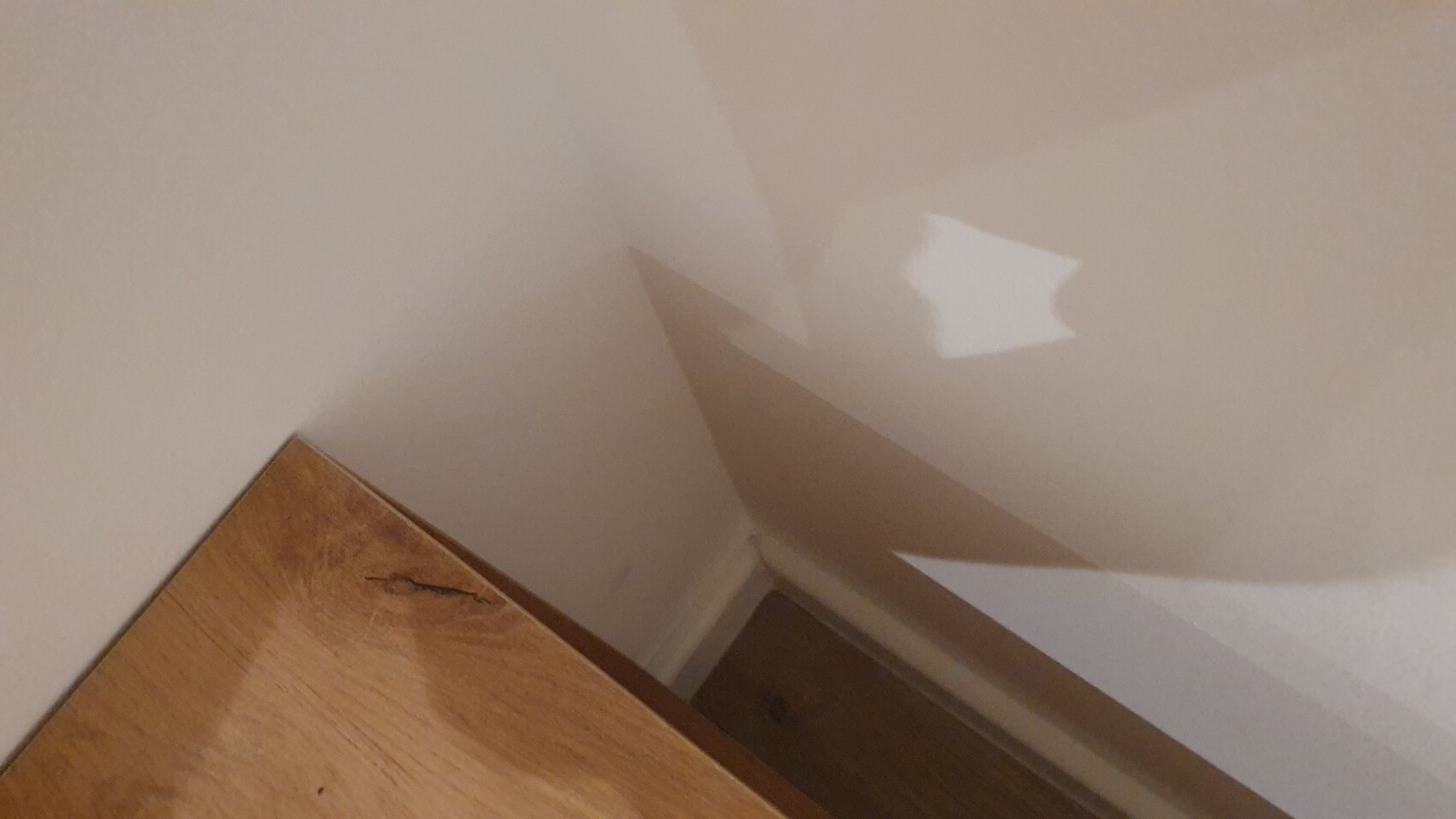
We can’t quite fit our piece of furniture into the niche. Unfortunately, our plasterer applied the plaster thicker in the lower part of the two rear corners than higher up. The furniture fits perfectly in the upper area, but at the bottom in the rear corners it doesn’t, so we can’t push it in the last 15cm (6 inches). Does anyone have an idea how we could widen the wallpapered walls somehow? We are missing 0.5cm (0.2 inches) in width at the back of the niche. Remove the wallpaper, sand the interior plaster? Or chip away the interior plaster in the areas that will later be covered by the furniture? We are quite disappointed that we didn’t measure properly. It took a long time to find a suitable piece of furniture that my wife likes. Do you have any suggestions for the best solution?
Best regards,
Peter


If it is not "too bothersome" that the furniture protrudes, I would consider covering the gap at the back with a well-fitted board (either matching wood or painted white). Once the plaster and wallpaper are removed, this will definitely remain visible along the upper rear edge... (regardless of how much or little dust is generated) Therefore, this area will need to be "addressed" somehow (for example, a white quarter round molding in the corner).
One question is whether it might be simpler to modify the furniture. Perhaps a side panel can be removed, the whole piece shortened, and then reassembled? There is already a seam. Maybe the wall where two parts meet could be completely omitted?
Would it be worth consulting a carpenter?
I know of situations where, due to a mistake, the final result was better than originally planned (maybe you will be happy with a larger table surface because something fits now that didn’t before).
One question is whether it might be simpler to modify the furniture. Perhaps a side panel can be removed, the whole piece shortened, and then reassembled? There is already a seam. Maybe the wall where two parts meet could be completely omitted?
Would it be worth consulting a carpenter?
I know of situations where, due to a mistake, the final result was better than originally planned (maybe you will be happy with a larger table surface because something fits now that didn’t before).
H
hampshire16 Jun 2021 14:35I would pragmatically and quickly tackle the plaster with a multitool and accept that the wall behind the furniture may no longer look perfect. This creates less mess and requires less effort than sanding, while offering more precision than chiseling.
T
T_im_Norden16 Jun 2021 15:29If we are really talking about 5 mm (0.5 centimeters), then use a sanding block and sandpaper and carefully sand it down by hand.
5 mm is almost just wallpaper and paint.
5 mm is almost just wallpaper and paint.
I just went through the same issue myself. Mark the edge of the wood on the wall with a pencil, then carefully score along the edge with a utility knife, and cut more deeply just below that. Anything under the edge won’t be visible. Sanding always creates dust, so cutting and chiseling works better. If necessary, run the vacuum briefly, but if you work slowly, not much dust will be produced. Since it’s probably gypsum plaster, you can also score it all with the knife and then gently chip it away with a putty knife and hammer.
Similar topics