
Hello dear forum,
I would like to get some opinions on the waterproofing of our house. Our site manager assures us that it is a "reasonable and watertight execution," arguing that "there is no other way to do it" and "this is how we've always done it, and we've never had any problems."
First, as a quote from the construction specification: "The joints remaining on the interior side between exterior components and the building structure (window frames) are to be completely filled with mineral fiber insulation according to DIN 18355. Alternatively, the installation may be carried out using assembly foam in accordance with the state of the art."
1. Our question is whether the waterproofing and installation of the windows were carried out professionally and according to standard practice (raindriven rain protection?).
Here are pictures of the same window at different stages of construction:
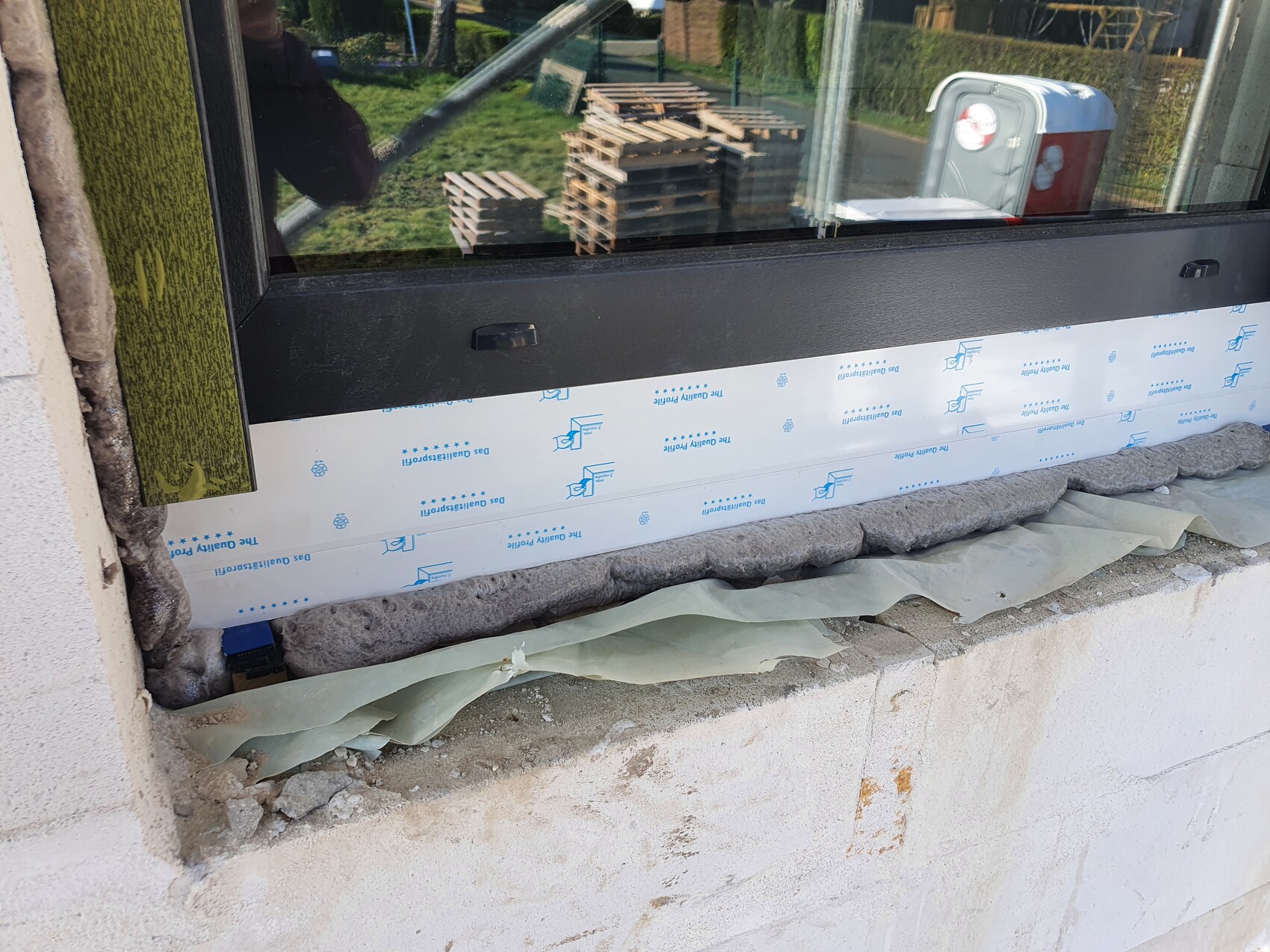
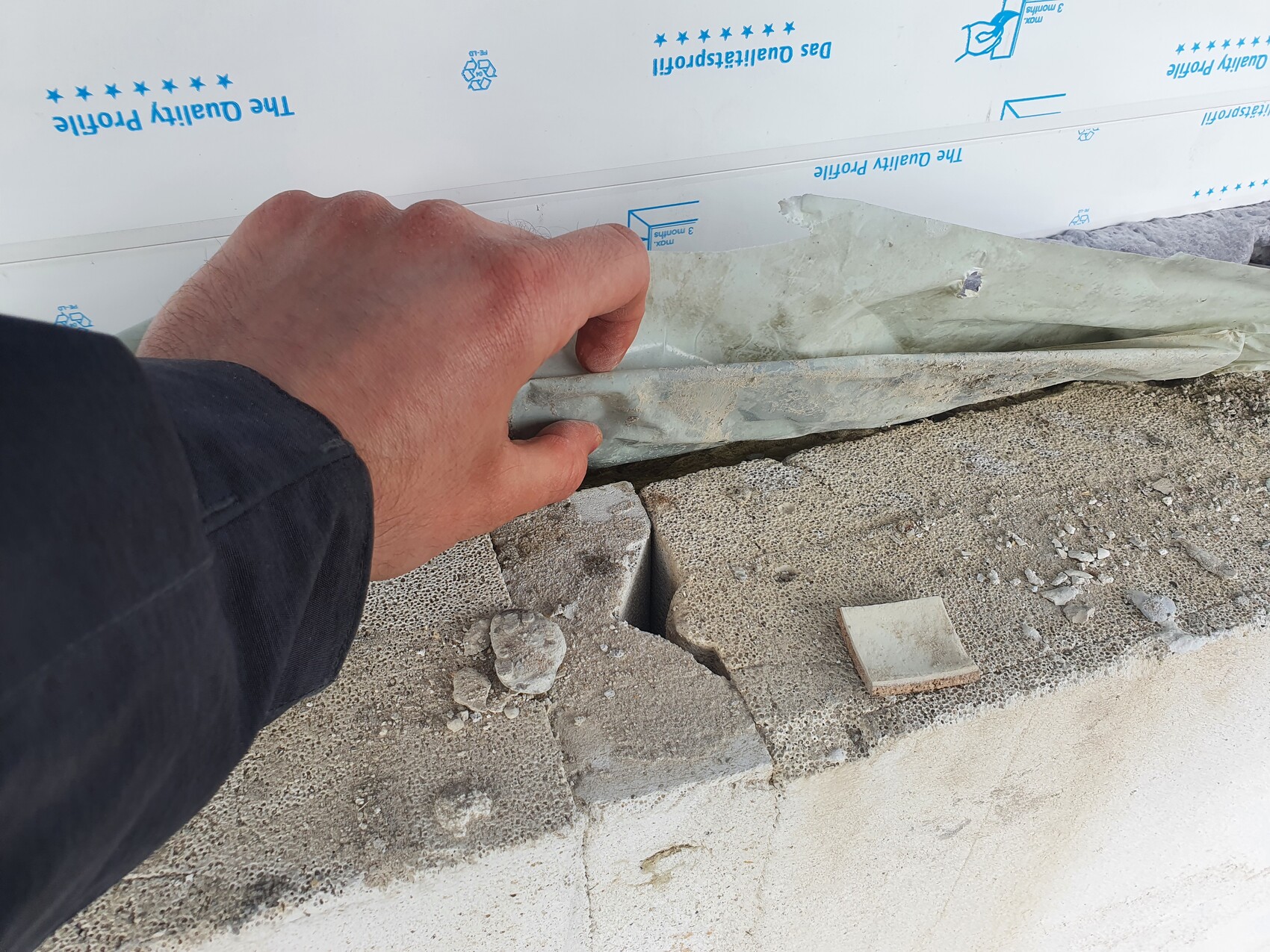
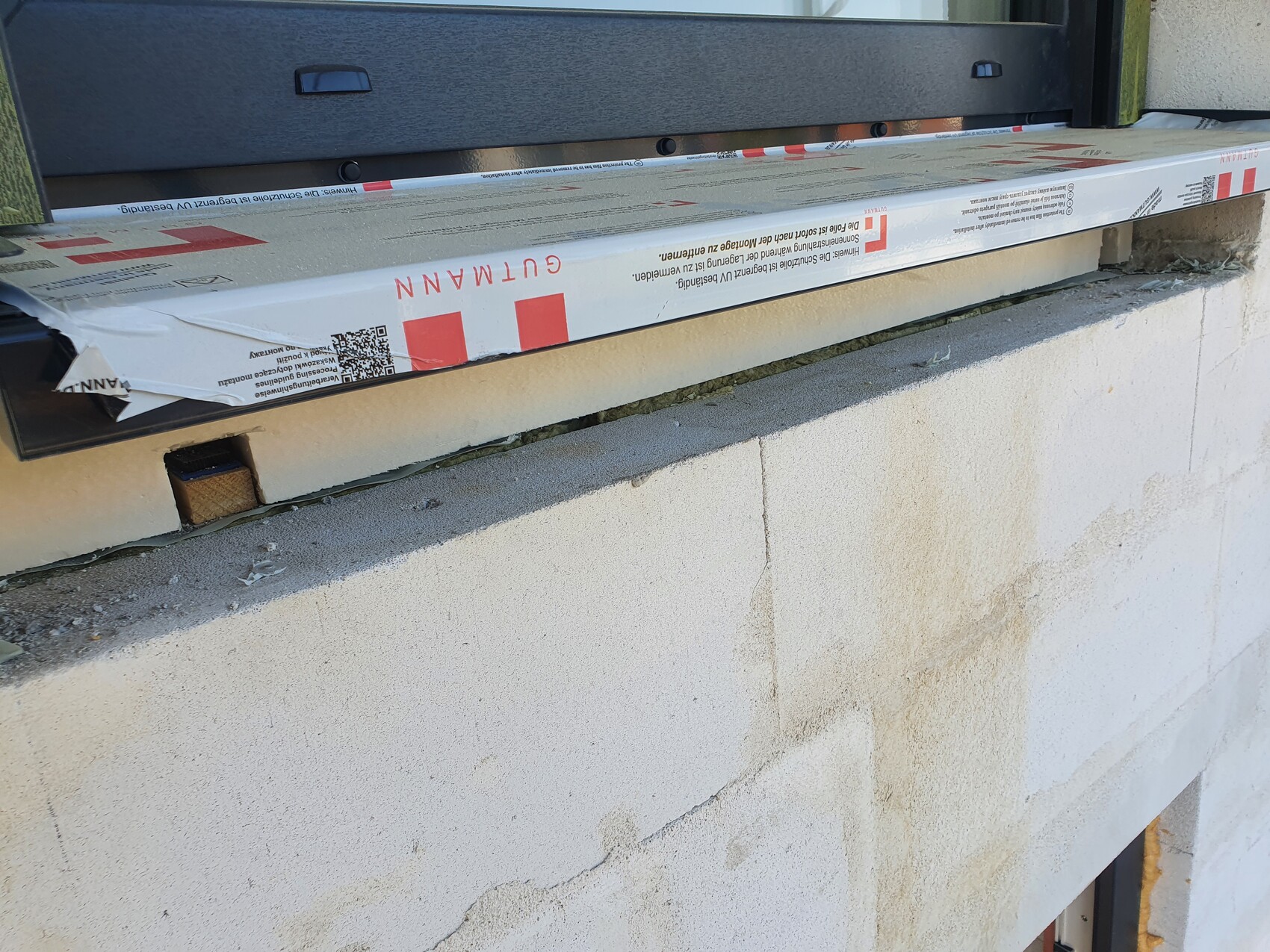
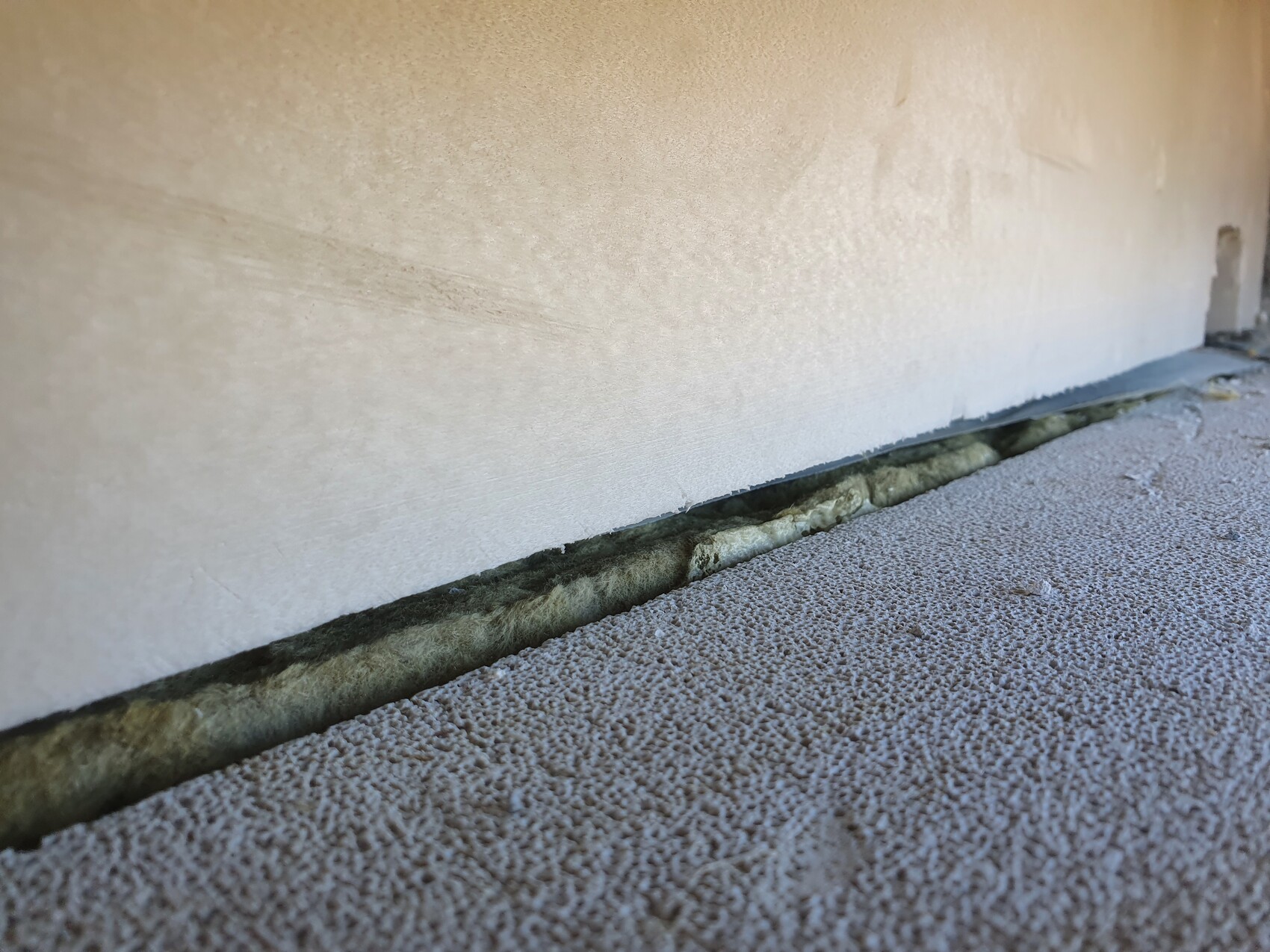
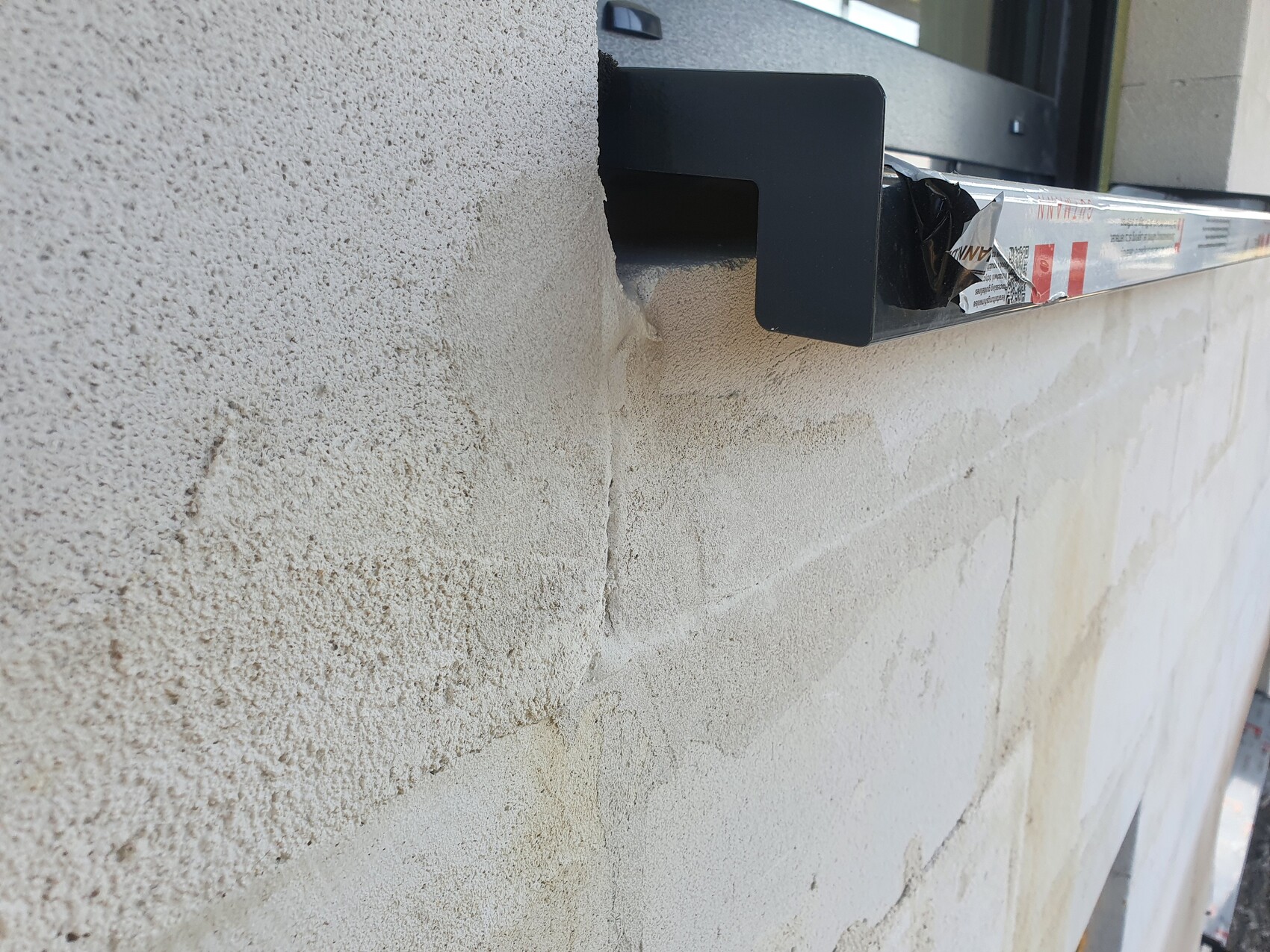
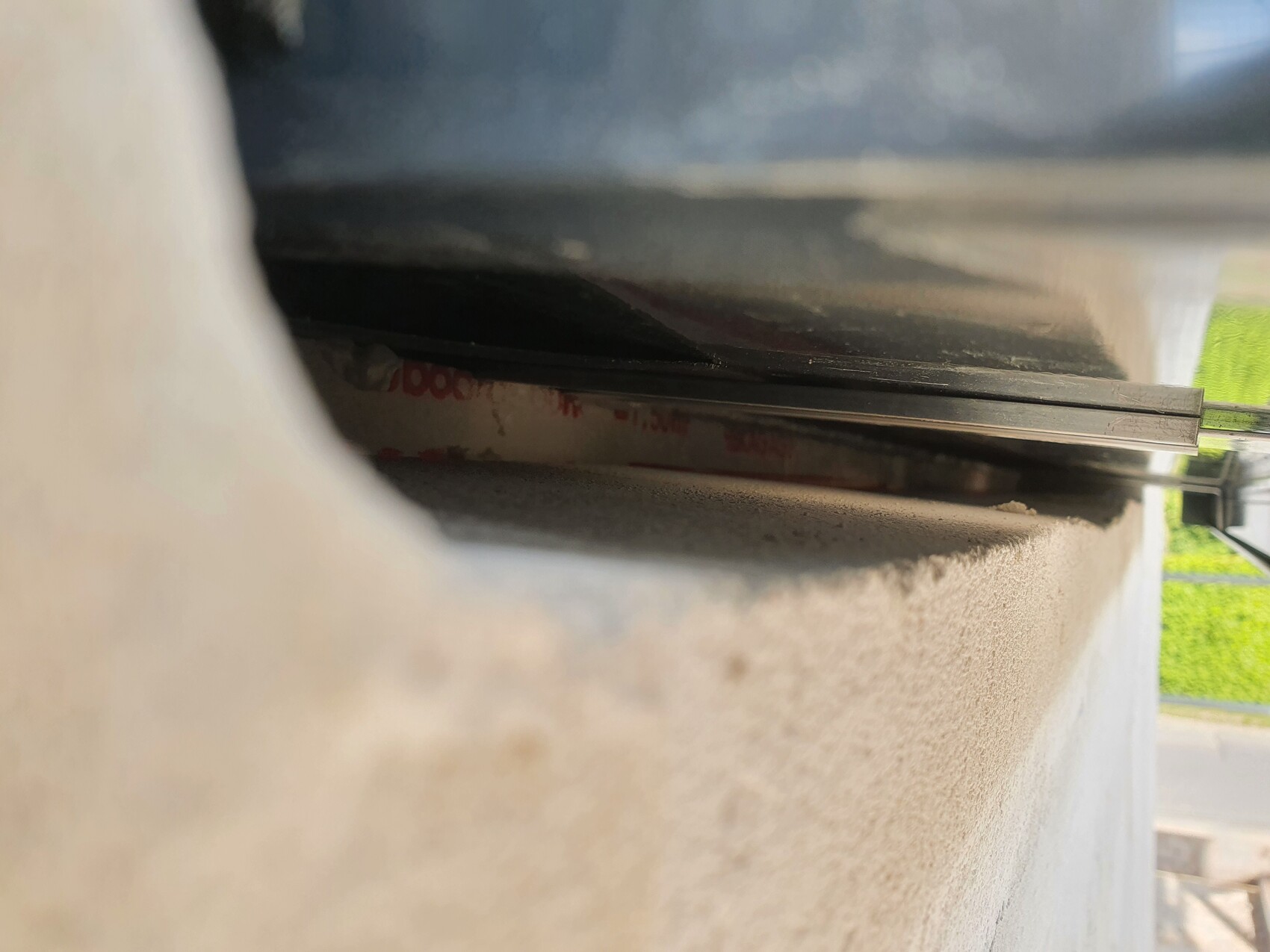
2. Should there have been a secondary waterproofing layer installed under the window sill, before the rigid foam insulation and masonry?
3. In the last picture (6), you can see the installation of all window sills. Below them is a sealing tape and, according to the site manager, "it is plastered over and everything is sealed" – is this sufficient?
Picture 7 before the sealing tape and 9 after sealing tape at the corners:
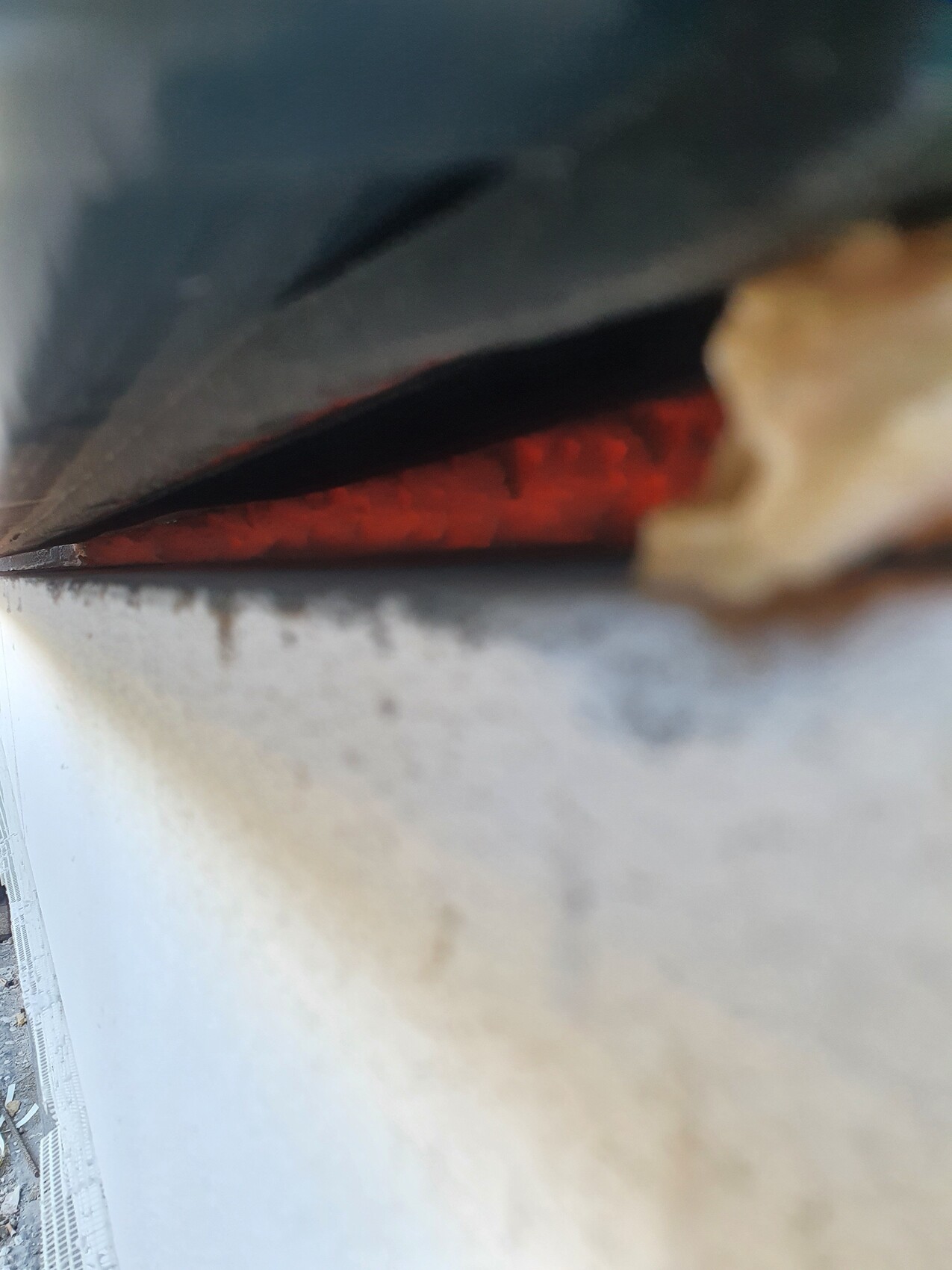
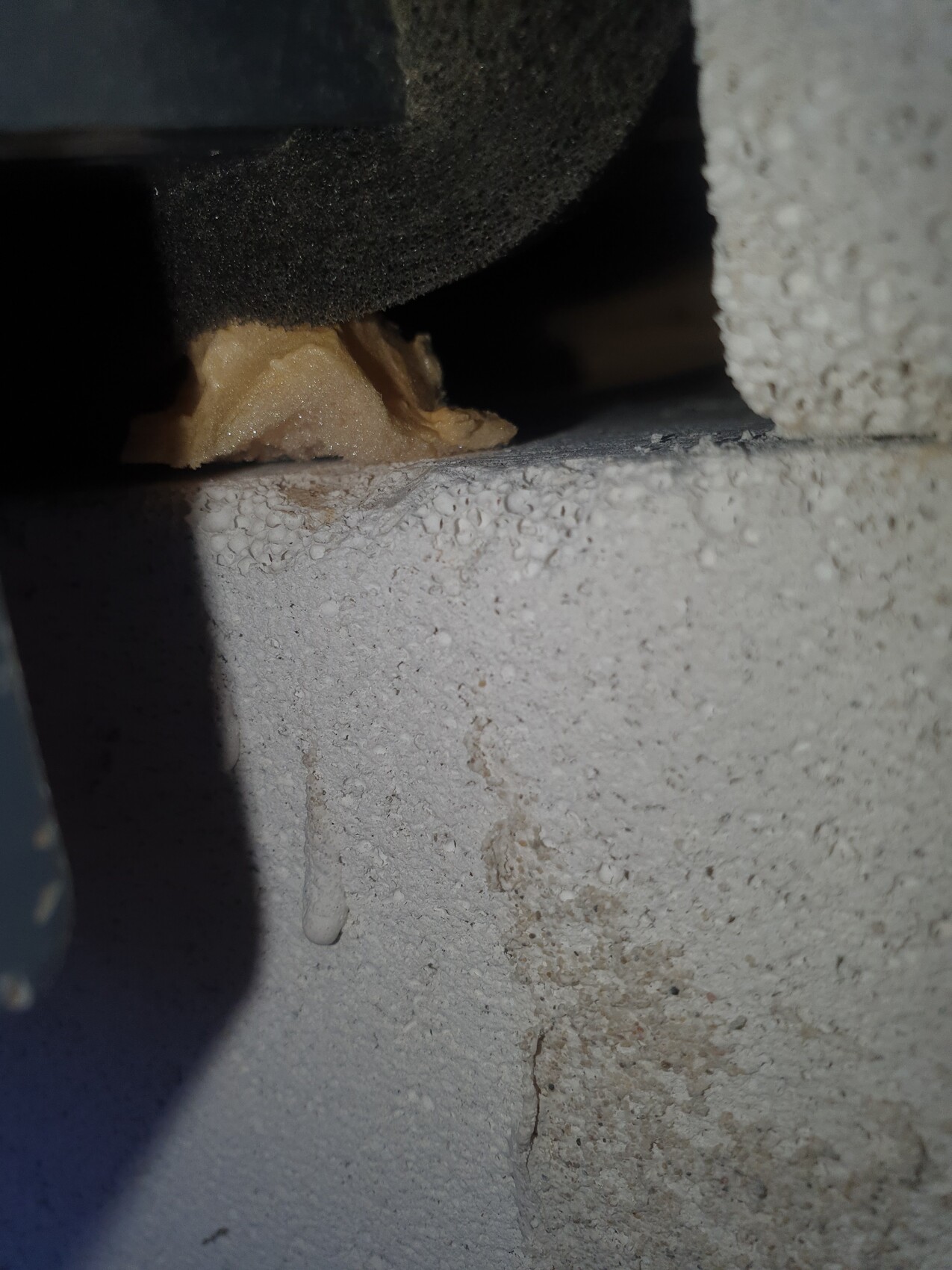
More pictures will follow in the next post:
I would like to get some opinions on the waterproofing of our house. Our site manager assures us that it is a "reasonable and watertight execution," arguing that "there is no other way to do it" and "this is how we've always done it, and we've never had any problems."
First, as a quote from the construction specification: "The joints remaining on the interior side between exterior components and the building structure (window frames) are to be completely filled with mineral fiber insulation according to DIN 18355. Alternatively, the installation may be carried out using assembly foam in accordance with the state of the art."
1. Our question is whether the waterproofing and installation of the windows were carried out professionally and according to standard practice (raindriven rain protection?).
Here are pictures of the same window at different stages of construction:
2. Should there have been a secondary waterproofing layer installed under the window sill, before the rigid foam insulation and masonry?
3. In the last picture (6), you can see the installation of all window sills. Below them is a sealing tape and, according to the site manager, "it is plastered over and everything is sealed" – is this sufficient?
Picture 7 before the sealing tape and 9 after sealing tape at the corners:
More pictures will follow in the next post:
An expert inspector does not provide a solution because they do not create detailed construction plans; they only identify defects.
To me, it sounds more like the client cut costs in the wrong area. I wouldn’t be surprised if there are no detailed construction plans at all and the site manager might just be a skilled worker, possibly from the general contractor.
Sorry, that’s just the famous crystal ball, of course. But situations like this don’t occur when qualified professionals are present on site. Especially since this applies to the entire building, not just one specific trade where work is poorly done.
To me, it sounds more like the client cut costs in the wrong area. I wouldn’t be surprised if there are no detailed construction plans at all and the site manager might just be a skilled worker, possibly from the general contractor.
Sorry, that’s just the famous crystal ball, of course. But situations like this don’t occur when qualified professionals are present on site. Especially since this applies to the entire building, not just one specific trade where work is poorly done.

parcus schrieb:
An expert does not provide a solutionMy experience so far is that the expert points out what is wrong and explains how it should be done correctly.
Both statements are correct:
That’s also how I know it—from YouTube videos by inspectors.
This means that in real life the inspector behaves differently than on a video channel, and is aware of the fine line between being an inspector (who only points out defects in a “destructive” way) and a planner (who provides “constructive” advice, which involves liability risks).
https://www.instagram.com/11antgmxde/
https://www.linkedin.com/company/bauen-jetzt/
Pinky0301 schrieb:
My experience so far has been that the inspector tells me what is wrong and how it should be done correctly.
That’s also how I know it—from YouTube videos by inspectors.
parcus schrieb:
An inspector does not provide solutions, as they do not do detailed execution planning; they only identify defects.
This means that in real life the inspector behaves differently than on a video channel, and is aware of the fine line between being an inspector (who only points out defects in a “destructive” way) and a planner (who provides “constructive” advice, which involves liability risks).
https://www.instagram.com/11antgmxde/
https://www.linkedin.com/company/bauen-jetzt/
Whether real or virtual, if the inspector goes beyond their role of assessing, it becomes consulting, and they are then fully liable, potentially also for the contractor. This applies even if there is no contract or payment, including cases of services offered as a favor. Many engineers and architects have found themselves under legal pressure because of this.
Detailed design and construction management are the core parts of the planning process for good reason. If these are missing, the client is liable, and it is their decision. If the client chose to save costs earlier, this is also taken into account by the courts. General contractors or tradespeople will typically provide detailed shop drawings. Some regional building regulations may even require detailed design. This is about protecting the client’s investment; the building authority has no direct interest in this. Unfortunately, the concept of the “junior site manager” still exists.
The KfW (development bank) does not provide protection for clients either, as the required specialist planning is also considered shop or detailed design. An energy consultant is not liable here, as they do not produce detailed design.
Detailed design and construction management are the core parts of the planning process for good reason. If these are missing, the client is liable, and it is their decision. If the client chose to save costs earlier, this is also taken into account by the courts. General contractors or tradespeople will typically provide detailed shop drawings. Some regional building regulations may even require detailed design. This is about protecting the client’s investment; the building authority has no direct interest in this. Unfortunately, the concept of the “junior site manager” still exists.
The KfW (development bank) does not provide protection for clients either, as the required specialist planning is also considered shop or detailed design. An energy consultant is not liable here, as they do not produce detailed design.
parcus schrieb:
Detailed execution planning and construction management are rightly considered the core parts of any project planning. There are cases where, in the end, the client still ends up bearing the costs.
Maybe it can be minimized, but I think that if tradespeople know what they are doing, then construction managers become unnecessary.
My brother used to be a master heating engineer, and he never had a single case where a construction manager told him, "You did that wrong"... his work was always spotless and done out of passion. He had to change careers due to age.
I’m friends with a structural builder who has been working for 25 years. He has worked for 25 years with a very meticulous architect (also acting as construction manager) who is also always the client (then sells the properties afterward). The builder is dedicated to his sites, is reachable until midnight, and you can always ask him questions without him getting rude.
Tradespeople should be checked more often, and proof of compliance etc. should be presented… then there would be far fewer bad apples.
Maybe I just have the wrong perspective… no idea.
The problem with heating engineers is that manufacturers tend to sell complete packages.
I believe almost every one of my clients has bought more in recent years than they actually needed. There are often systems that aren’t even that small for KfW55 standard and better. In theory, from next year onward, only passive houses will be approved for new construction, assuming the new building energy law is passed this year.
And who are the craftsmen nowadays—who in Germany still wants to be a tradesperson?
Generally, people are just glad if they can communicate with a craftsman at all.
The phrase “we’ve always done it this way” is unfortunately not uncommon.
It’s not about working against each other.
Every craftsman prefers clear instructions.
Often, responsibility is shifted to the craftsman, following the motto that the last ones have to bear the burden.
So why is it such a problem to sit down with the craftsman in advance and possibly adjust the planning to their capabilities? For example, in timber construction.
Compromises belong in renovations, not in new builds.
The craftsman also wants to earn full payment for installing the windows.
I believe almost every one of my clients has bought more in recent years than they actually needed. There are often systems that aren’t even that small for KfW55 standard and better. In theory, from next year onward, only passive houses will be approved for new construction, assuming the new building energy law is passed this year.
And who are the craftsmen nowadays—who in Germany still wants to be a tradesperson?
Generally, people are just glad if they can communicate with a craftsman at all.
The phrase “we’ve always done it this way” is unfortunately not uncommon.
It’s not about working against each other.
Every craftsman prefers clear instructions.
Often, responsibility is shifted to the craftsman, following the motto that the last ones have to bear the burden.
So why is it such a problem to sit down with the craftsman in advance and possibly adjust the planning to their capabilities? For example, in timber construction.
Compromises belong in renovations, not in new builds.
The craftsman also wants to earn full payment for installing the windows.
Similar topics