
Just out of curiosity, to better understand the slope of the heating curve, what flow temperatures do you typically run at 0°C (32°F) outdoor temperature, given a certain indoor temperature and insulation level, when using a combination of underfloor heating and a heat pump?
Background of the question:
My logic tells me that if I want, for example, 22°C (72°F) room temperature, the flow temperature must be at least 22°C (72°F) or higher, since I learned that there needs to be a temperature difference for heat transfer to occur.
So if my heating system turns on at 12°C (54°F) outdoor temperature, my flow temperature should logically start somewhere around 22°C–25°C (72°F–77°F). Accordingly, at only 5°C (41°F) outside, it should be around 27°C (81°F), and at 0°C (32°F) close to 30°C (86°F).
The system design usually takes the location and outdoor temperature down to about –12°C (10°F). If at 0°C (32°F) flow temperature is already 30°C (86°F) according to my logic, then at –12°C (10°F) the flow temperature should be about 40°C (104°F). But most underfloor heating designs for heat pumps are based on a maximum flow temperature of 35°C (95°F).
Of course, the insulation of the house and the indoor temperatures still play a role. Or is the increase in flow temperature actually so gradual that it only rises by about 0.5–1°C (1–2°F) for outdoor temperature drops in 0–5°C (0–9°F) increments?
Background of the question:
My logic tells me that if I want, for example, 22°C (72°F) room temperature, the flow temperature must be at least 22°C (72°F) or higher, since I learned that there needs to be a temperature difference for heat transfer to occur.
So if my heating system turns on at 12°C (54°F) outdoor temperature, my flow temperature should logically start somewhere around 22°C–25°C (72°F–77°F). Accordingly, at only 5°C (41°F) outside, it should be around 27°C (81°F), and at 0°C (32°F) close to 30°C (86°F).
The system design usually takes the location and outdoor temperature down to about –12°C (10°F). If at 0°C (32°F) flow temperature is already 30°C (86°F) according to my logic, then at –12°C (10°F) the flow temperature should be about 40°C (104°F). But most underfloor heating designs for heat pumps are based on a maximum flow temperature of 35°C (95°F).
Of course, the insulation of the house and the indoor temperatures still play a role. Or is the increase in flow temperature actually so gradual that it only rises by about 0.5–1°C (1–2°F) for outdoor temperature drops in 0–5°C (0–9°F) increments?
OWLer schrieb:
Both documents are quite outrageous in how vaguely they describe the connections.Well, if the system is properly designed, you just need to set the target room temperature and maybe adjust the heating curve by one step (+/-); nothing more is necessary. That’s the advantage. 🙁
tomtom79 schrieb:
And is the valve fully open as well? The actuator is usually attached there.
[ATTACH alt="welche-vorlauftemperaturen-fahrt-ihr-aktuell-536863-1.jpg"]66577[/ATTACH]How can you tell if the valve is completely open?A
Alessandro2 Nov 2021 09:59When you press the pin in, the flow rate in the Tacosetter rises sharply.

tomtom79 schrieb:
Is the valve fully open as well? The actuator is usually located there.
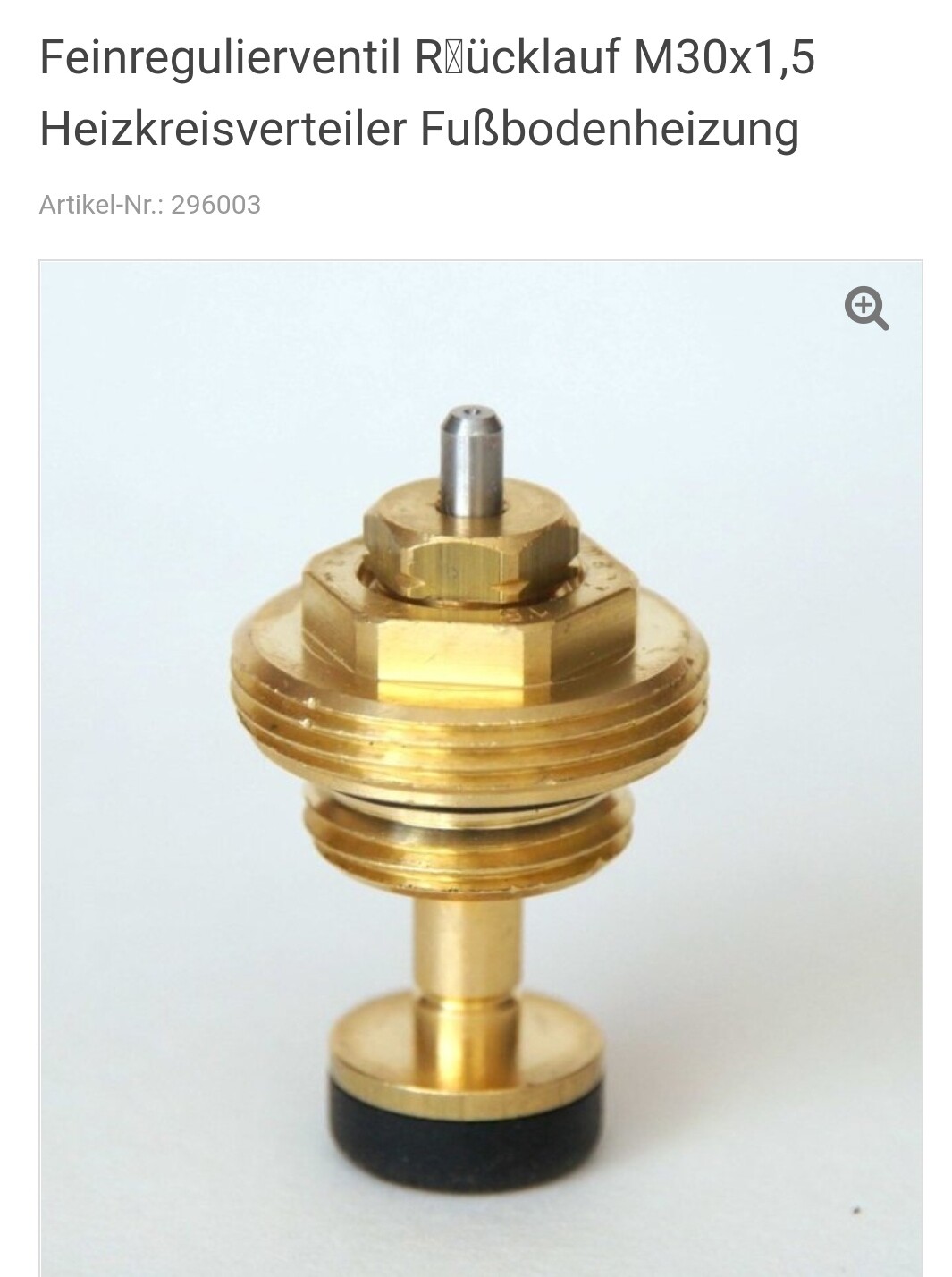
I just checked the technical documentation for my Zewotherm heating circuit valve.
The plumber told me to regulate using the sight glass. What do they actually learn during their training?
