
Just out of curiosity, to better understand the slope of the heating curve, what flow temperatures do you typically run at 0°C (32°F) outdoor temperature, given a certain indoor temperature and insulation level, when using a combination of underfloor heating and a heat pump?
Background of the question:
My logic tells me that if I want, for example, 22°C (72°F) room temperature, the flow temperature must be at least 22°C (72°F) or higher, since I learned that there needs to be a temperature difference for heat transfer to occur.
So if my heating system turns on at 12°C (54°F) outdoor temperature, my flow temperature should logically start somewhere around 22°C–25°C (72°F–77°F). Accordingly, at only 5°C (41°F) outside, it should be around 27°C (81°F), and at 0°C (32°F) close to 30°C (86°F).
The system design usually takes the location and outdoor temperature down to about –12°C (10°F). If at 0°C (32°F) flow temperature is already 30°C (86°F) according to my logic, then at –12°C (10°F) the flow temperature should be about 40°C (104°F). But most underfloor heating designs for heat pumps are based on a maximum flow temperature of 35°C (95°F).
Of course, the insulation of the house and the indoor temperatures still play a role. Or is the increase in flow temperature actually so gradual that it only rises by about 0.5–1°C (1–2°F) for outdoor temperature drops in 0–5°C (0–9°F) increments?
Background of the question:
My logic tells me that if I want, for example, 22°C (72°F) room temperature, the flow temperature must be at least 22°C (72°F) or higher, since I learned that there needs to be a temperature difference for heat transfer to occur.
So if my heating system turns on at 12°C (54°F) outdoor temperature, my flow temperature should logically start somewhere around 22°C–25°C (72°F–77°F). Accordingly, at only 5°C (41°F) outside, it should be around 27°C (81°F), and at 0°C (32°F) close to 30°C (86°F).
The system design usually takes the location and outdoor temperature down to about –12°C (10°F). If at 0°C (32°F) flow temperature is already 30°C (86°F) according to my logic, then at –12°C (10°F) the flow temperature should be about 40°C (104°F). But most underfloor heating designs for heat pumps are based on a maximum flow temperature of 35°C (95°F).
Of course, the insulation of the house and the indoor temperatures still play a role. Or is the increase in flow temperature actually so gradual that it only rises by about 0.5–1°C (1–2°F) for outdoor temperature drops in 0–5°C (0–9°F) increments?
 KingJulien24 Oct 2021 13:23
Especially when the actuators are down:
Check if the square nut underneath is completely unscrewed.
I recently noticed that both the supply and return lines were throttled.
It turned out: 20% less pump power was needed for the same flow rate.
Check if the square nut underneath is completely unscrewed.
I recently noticed that both the supply and return lines were throttled.
It turned out: 20% less pump power was needed for the same flow rate.
KingJulien24 Oct 2021 13:24driver55 schrieb:
More than 5 liters per minute —> 300 I don't see there. Those are just rough estimates, read from the wrong angle of a photo.
I trust the flow meter of the heat pump more.

A small buffer tank is installed with a capacity of 18 liters (5 gallons) used as a return line storage.
The actuators have their own fuse; however, all the actuators are wired together with Wago connectors inside a junction box. I need to carefully untangle and document everything later. For now, all actuators are manually set to maximum or permanently open.
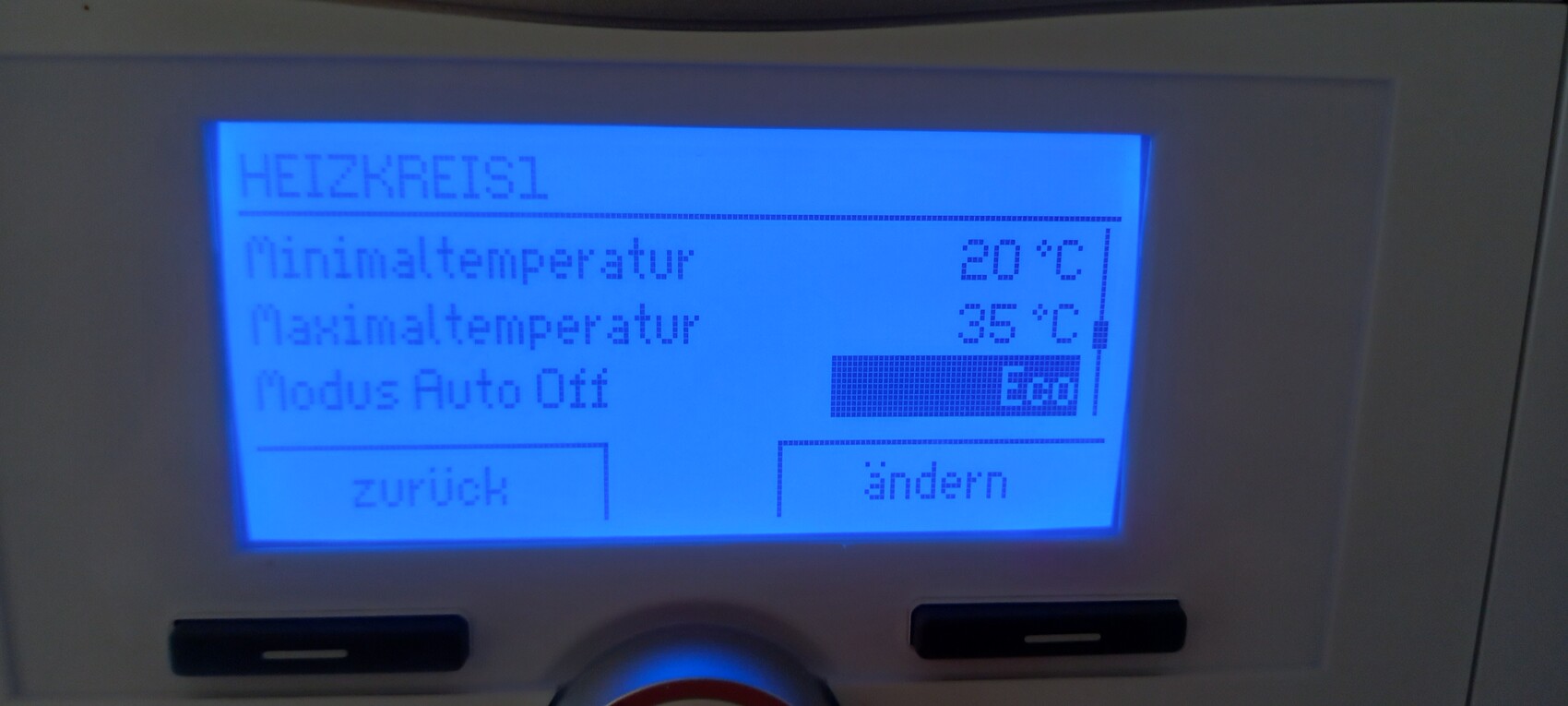
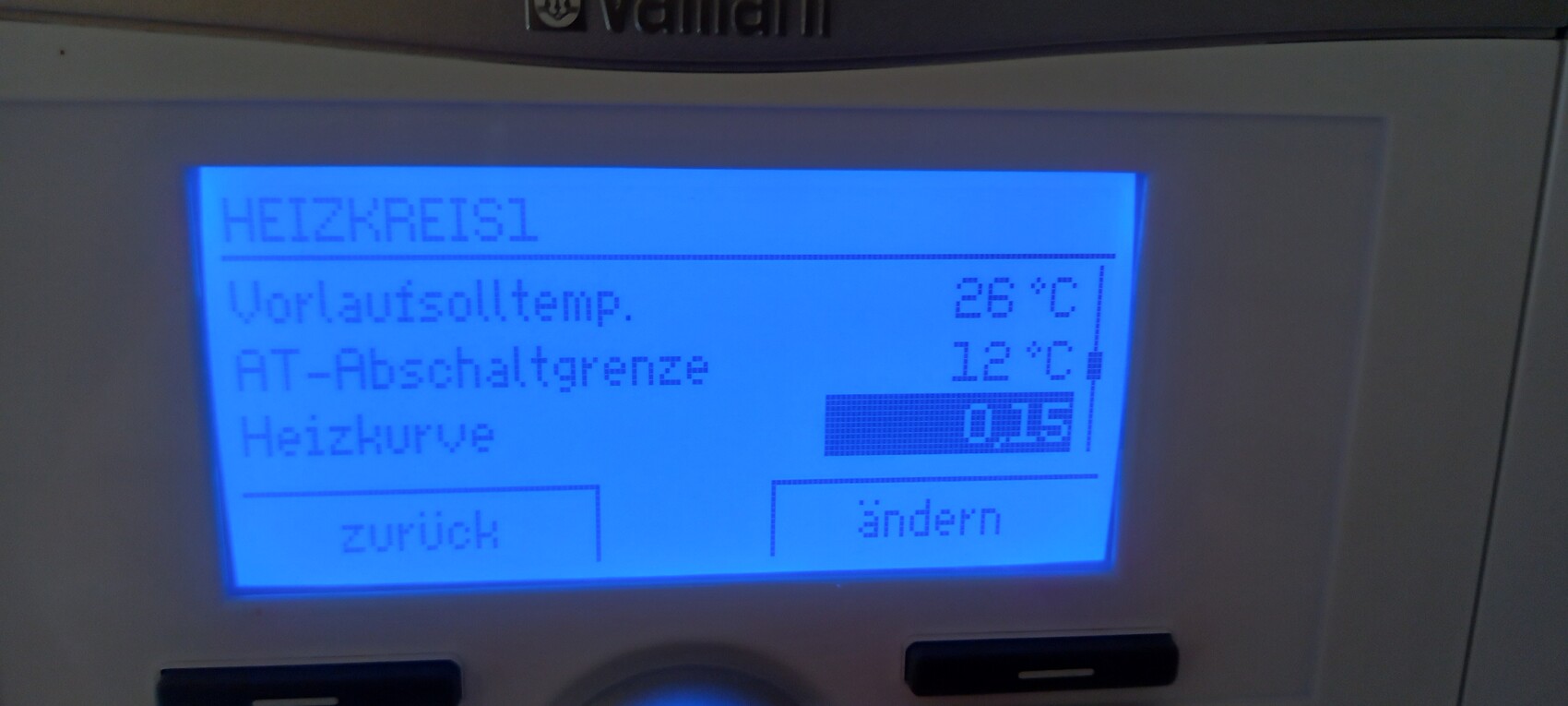
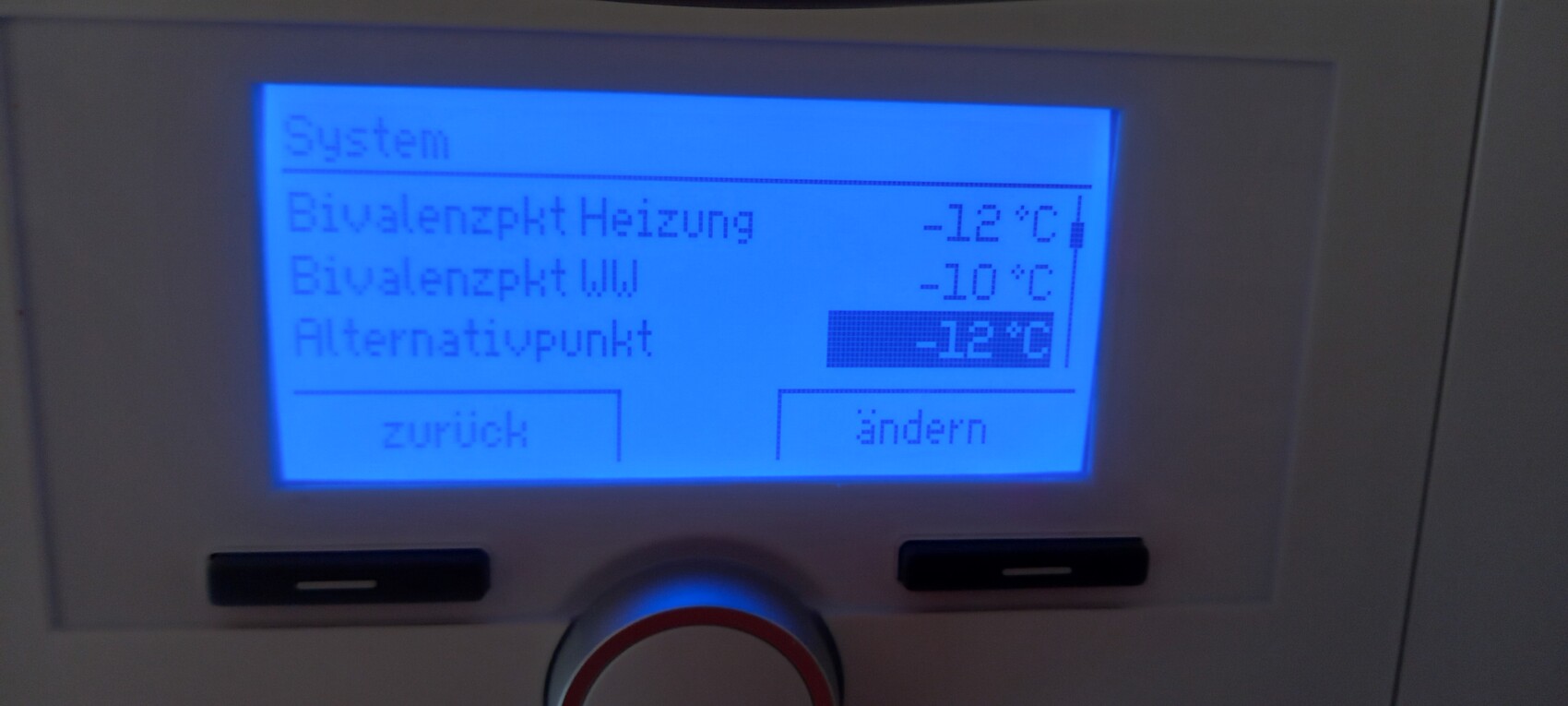
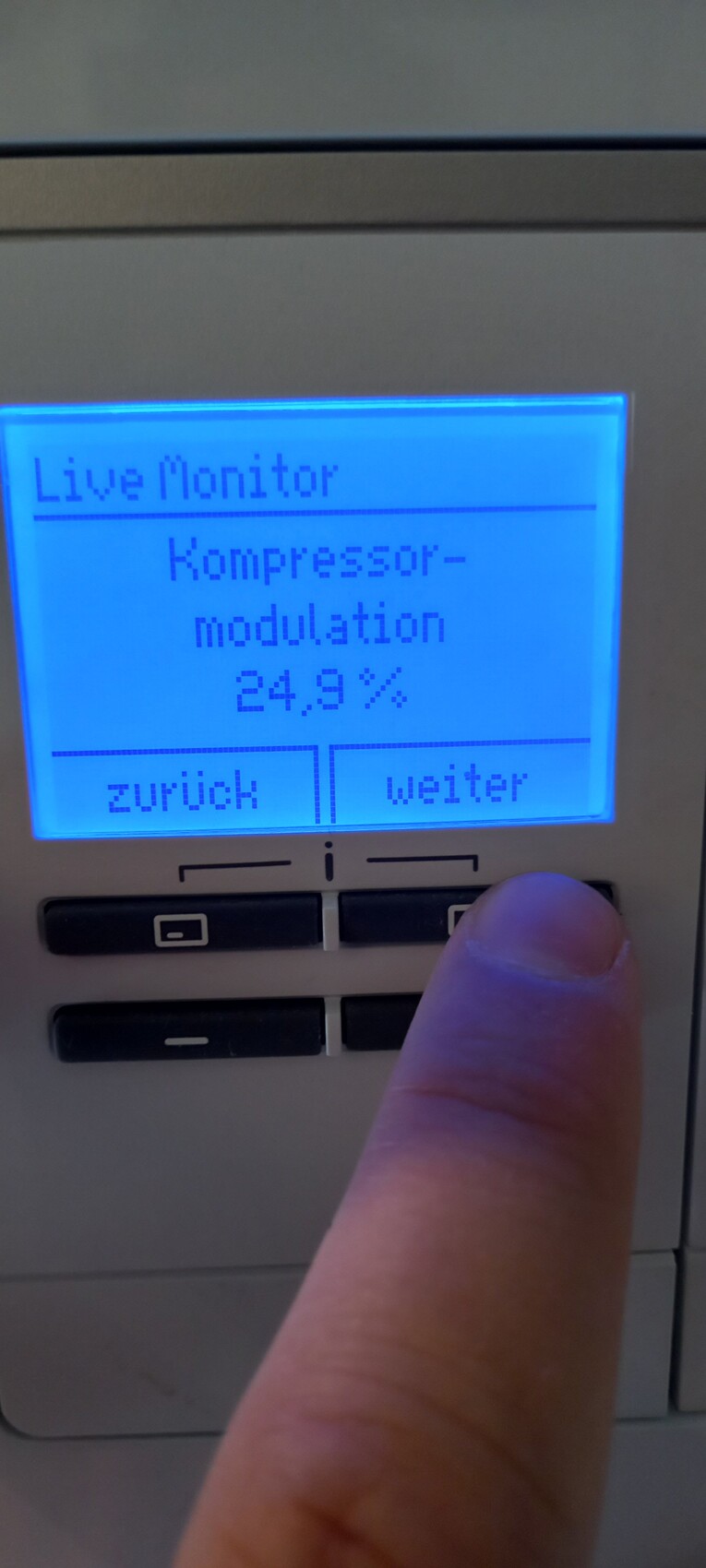
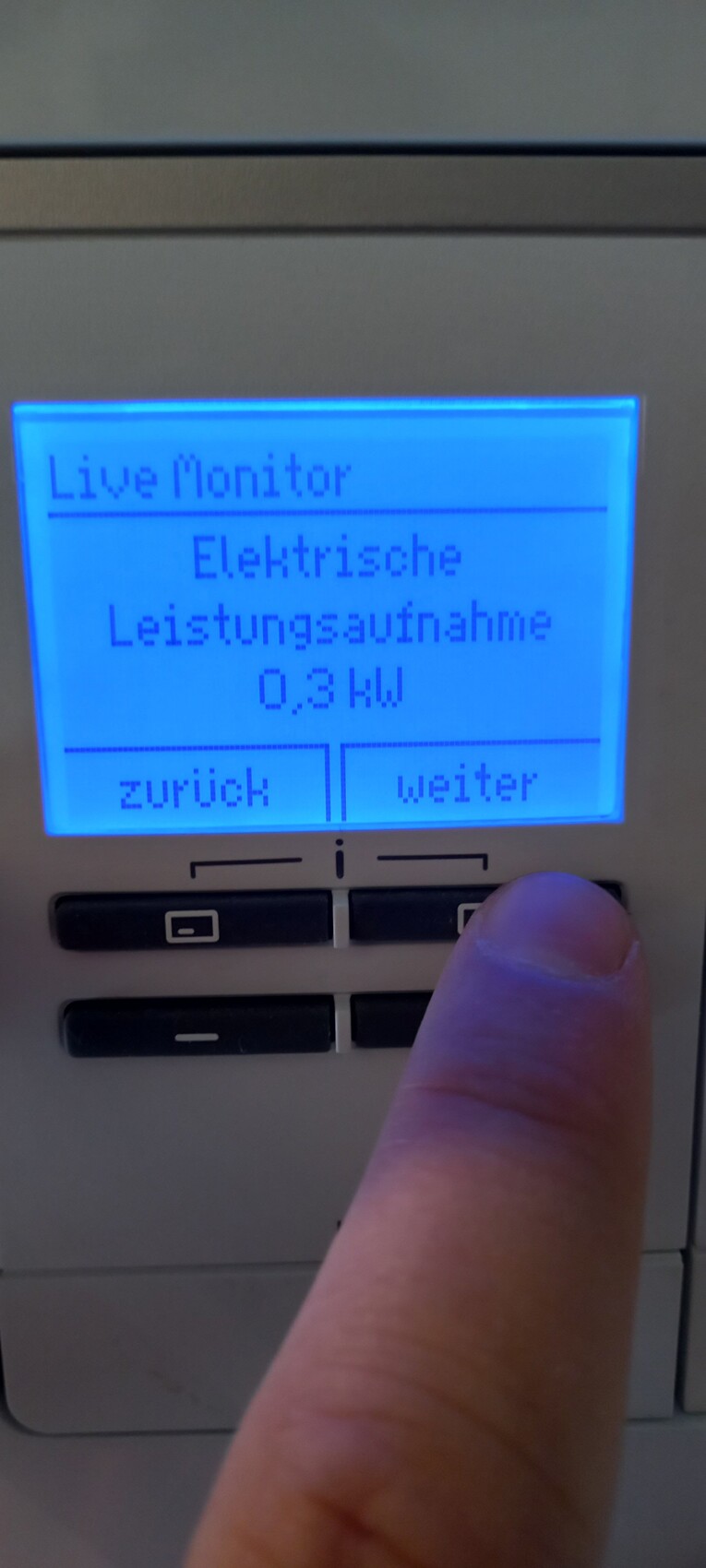
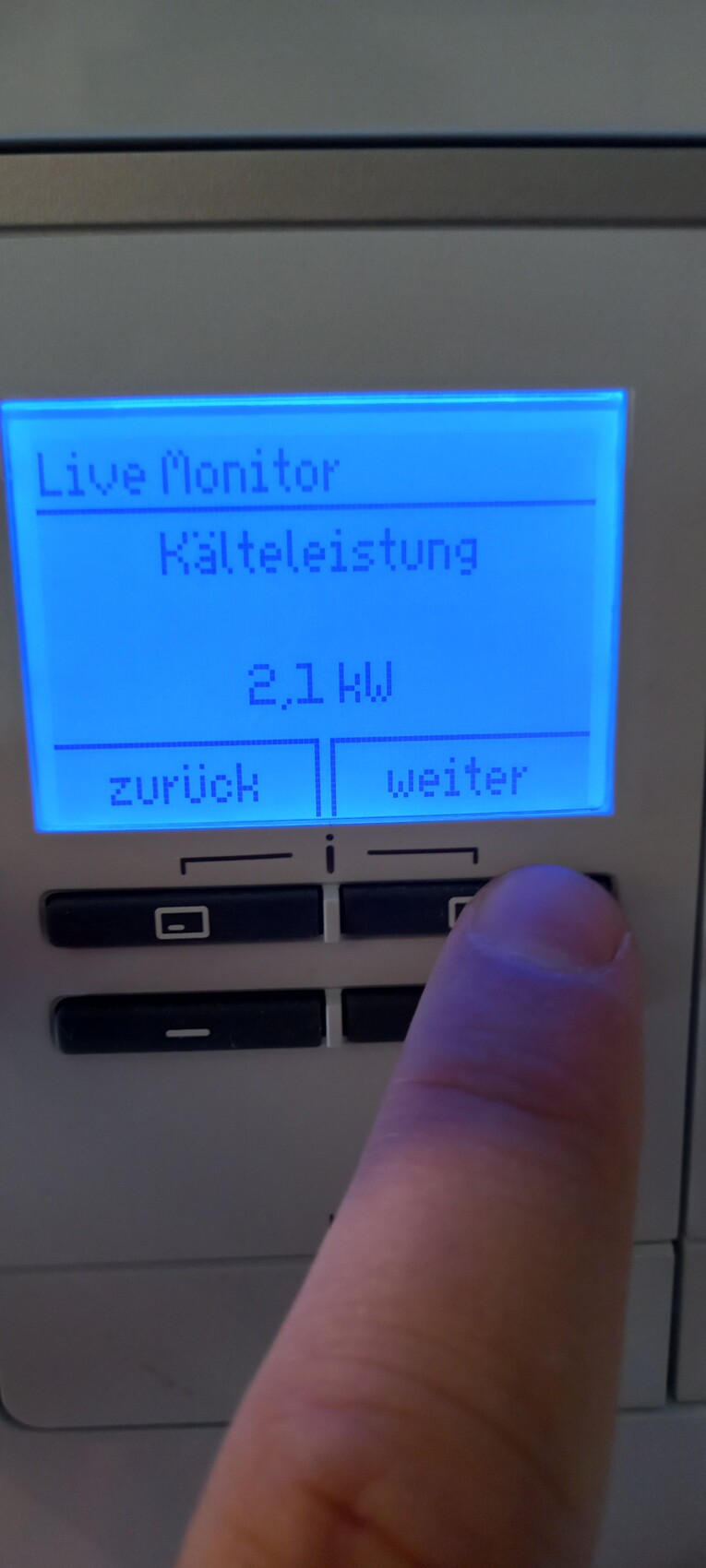
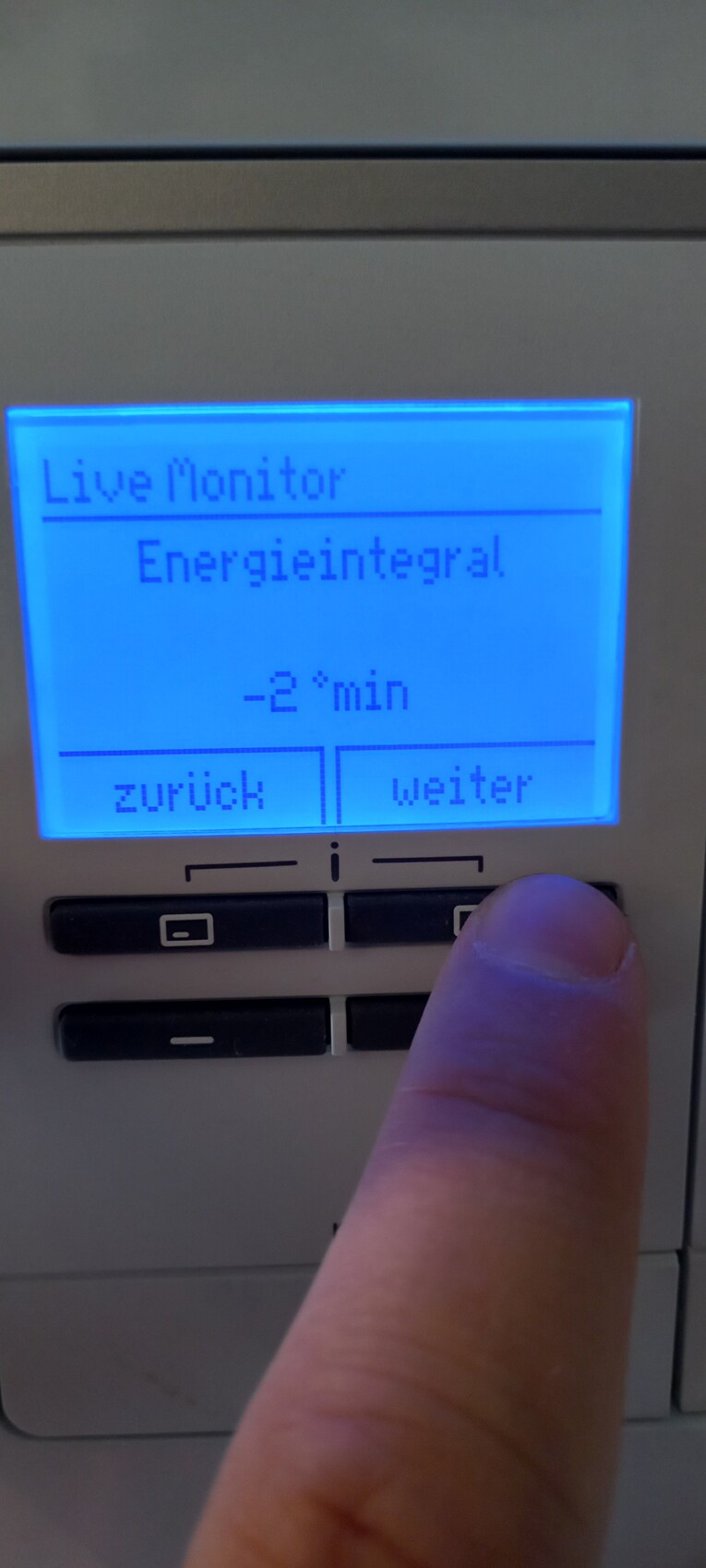
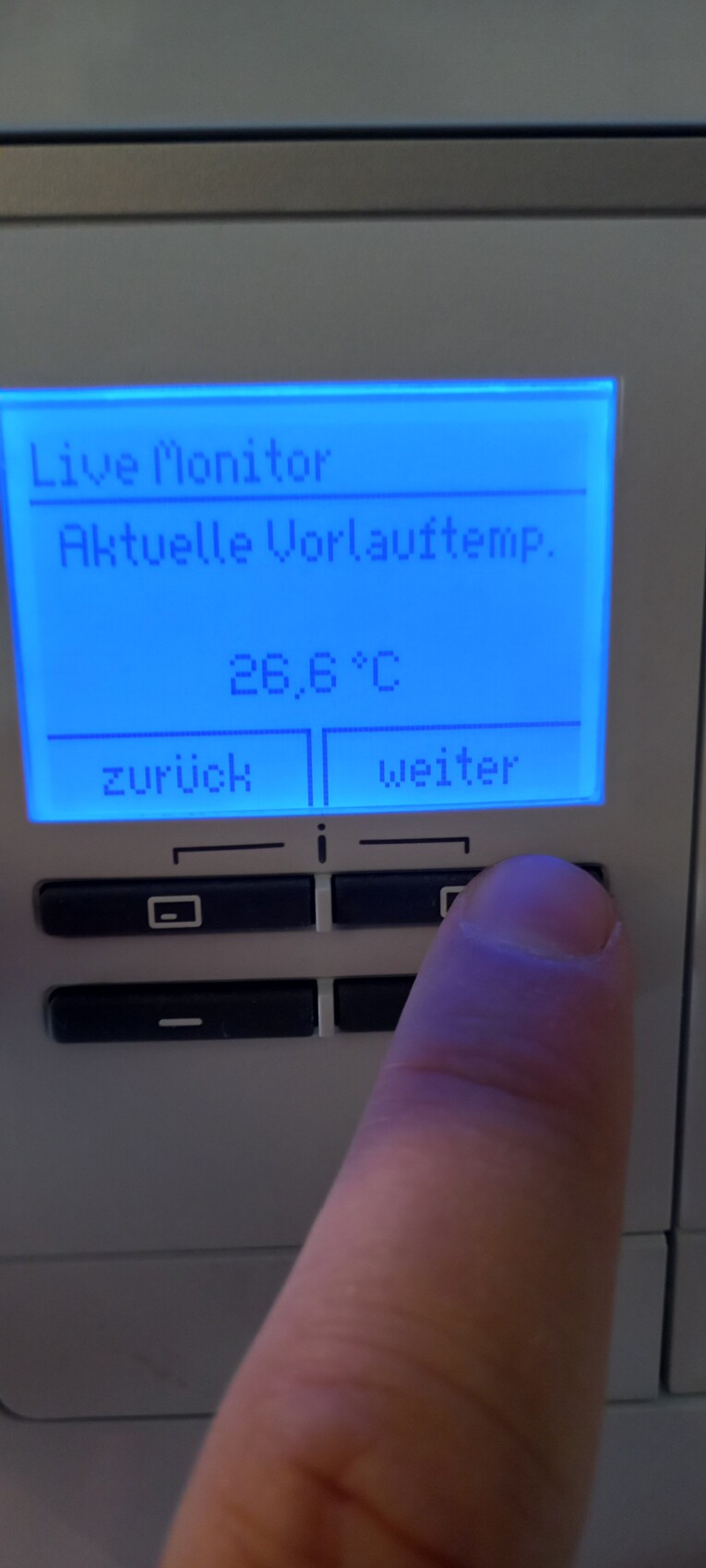

The actuators have their own fuse; however, all the actuators are wired together with Wago connectors inside a junction box. I need to carefully untangle and document everything later. For now, all actuators are manually set to maximum or permanently open.
KingJulien24 Oct 2021 16:21lesmue79 schrieb:
The actuators have their own fuse, but all the actuators are cramped into a junction box using Wago connectors.Doesn't matter, just pull the fuse, unscrew them, and let them hang. I’m not bothering to remove them 😉