
Hello everyone,
Our electrical installation is now almost complete, and the plastering is about to begin. However, I find the workmanship to be extremely untidy.
For example, I have found four different versions of the wiring for the blinds and roller shutters in the house, and some walls have more cables than space to eventually hang a picture.
Additionally, the cables are being routed over the floor. What do you think? Is this standard practice, or does it look like very poor workmanship?
Best regards,
Christine
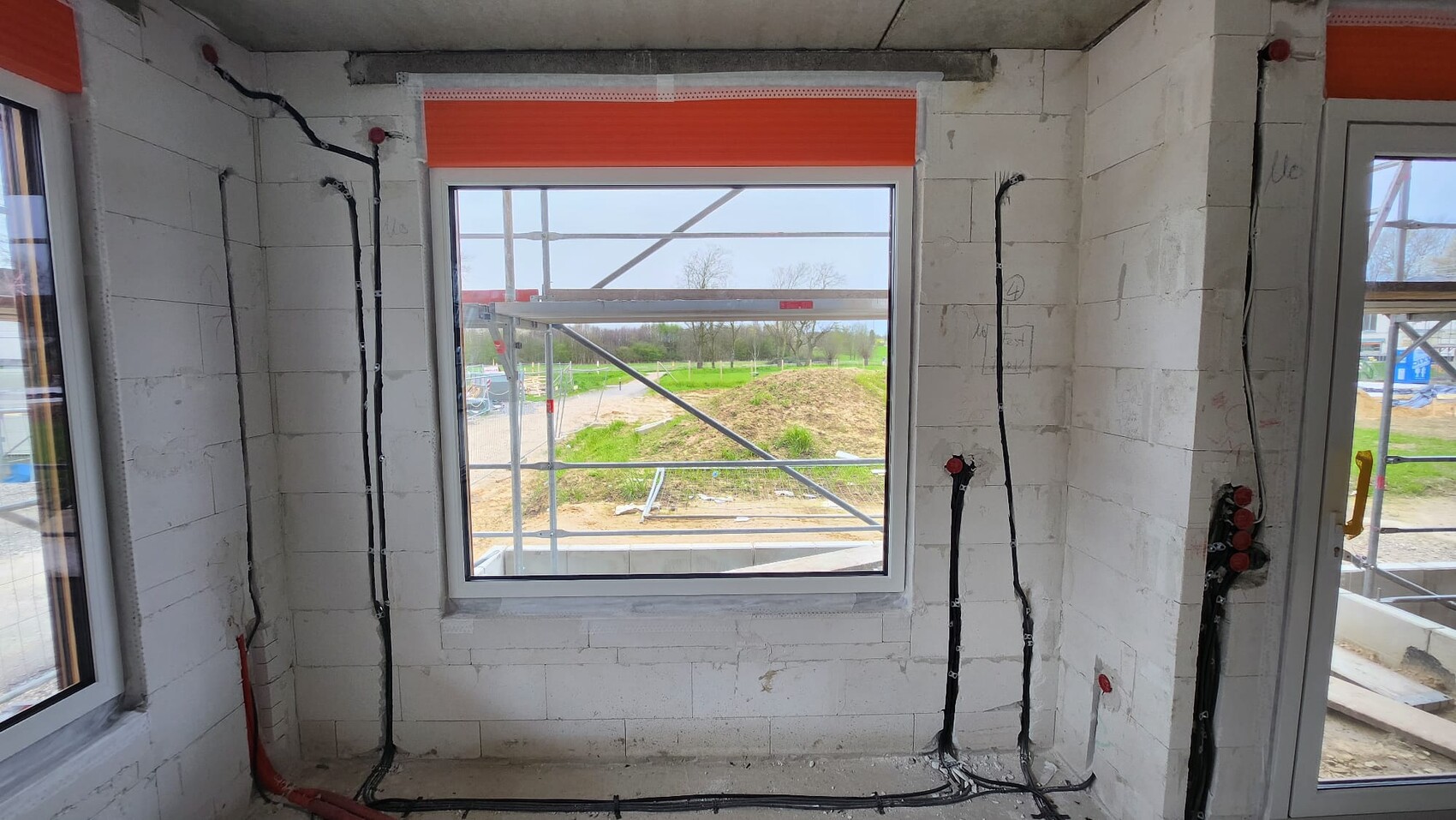
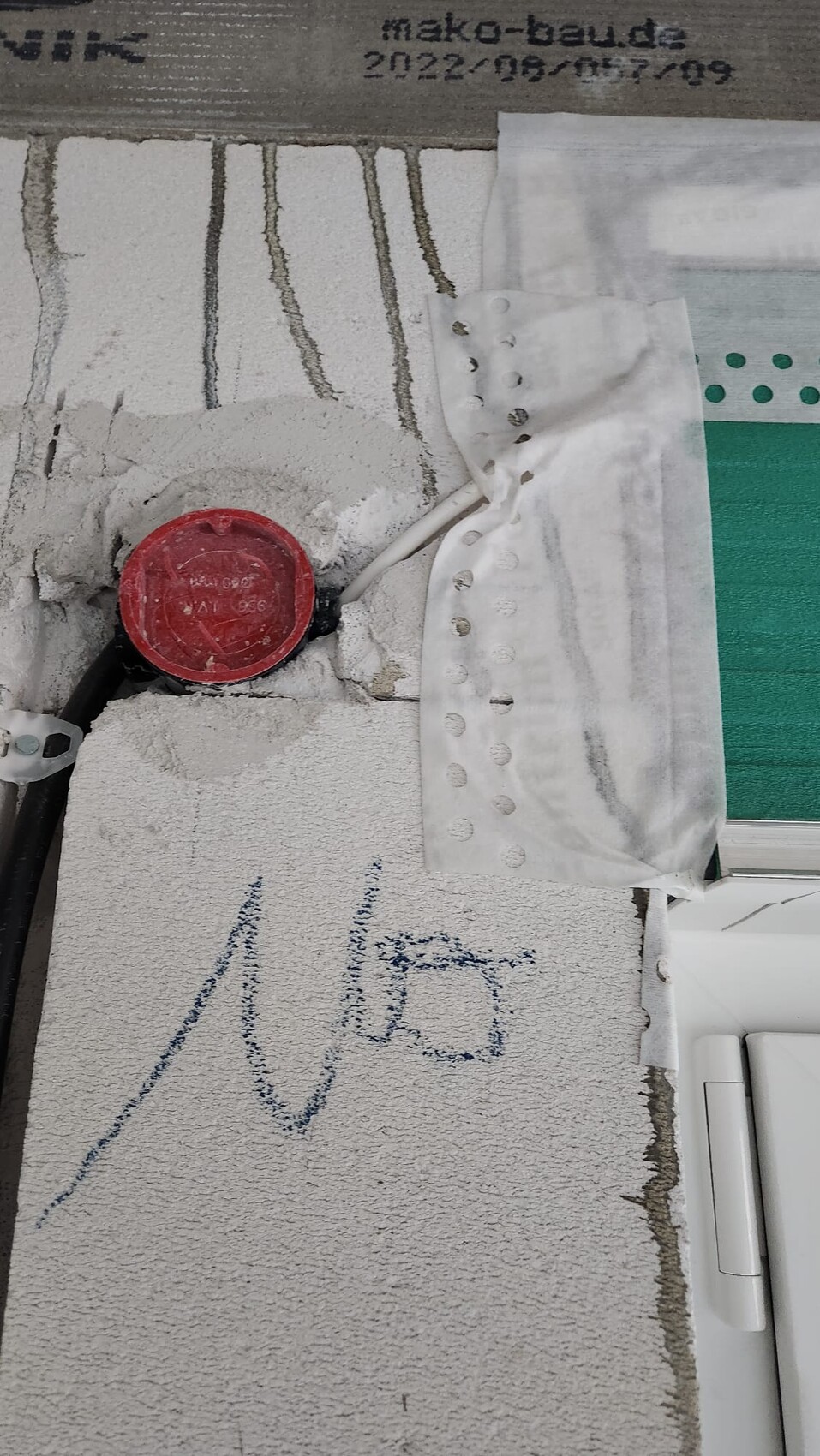
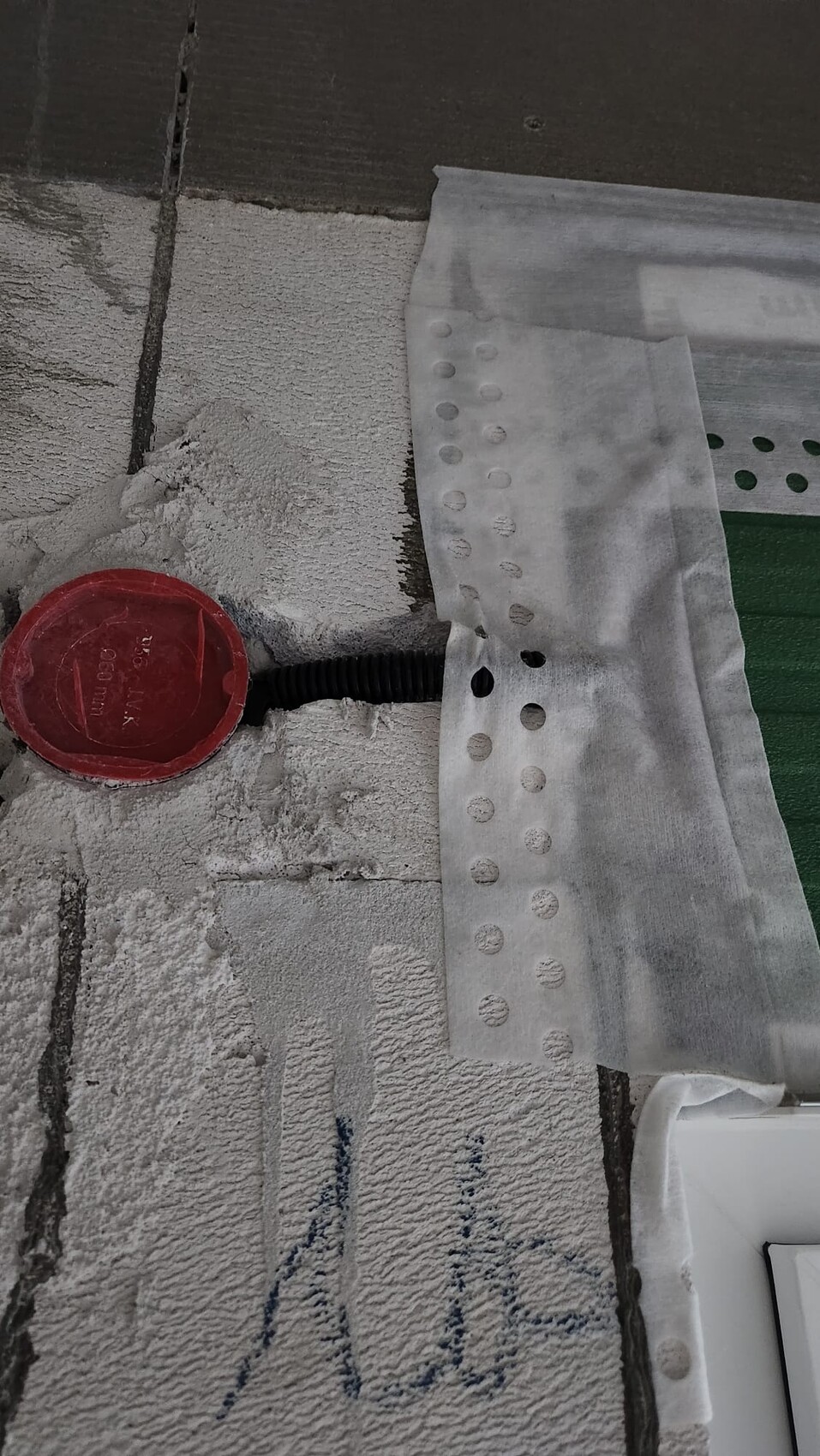
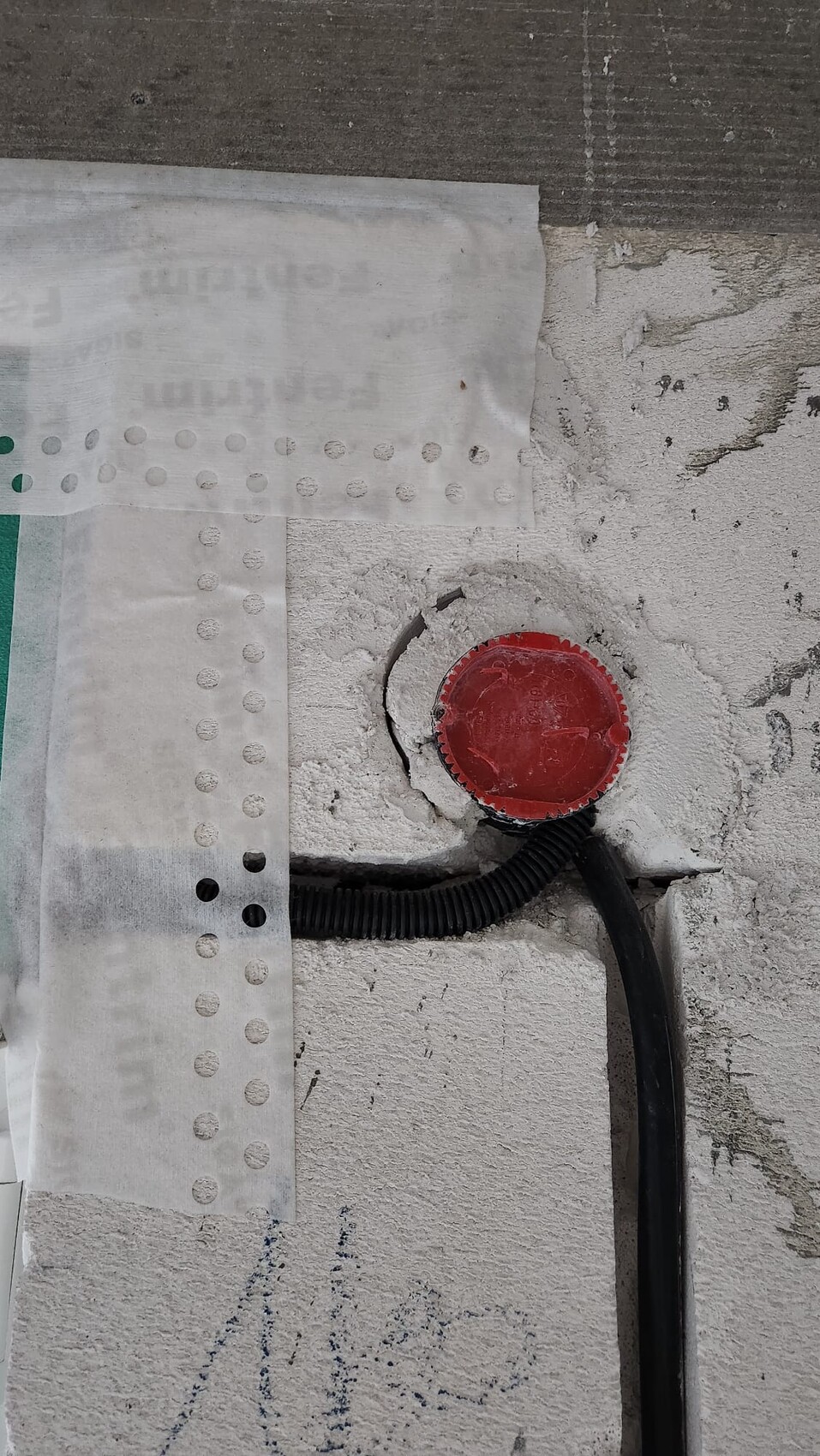
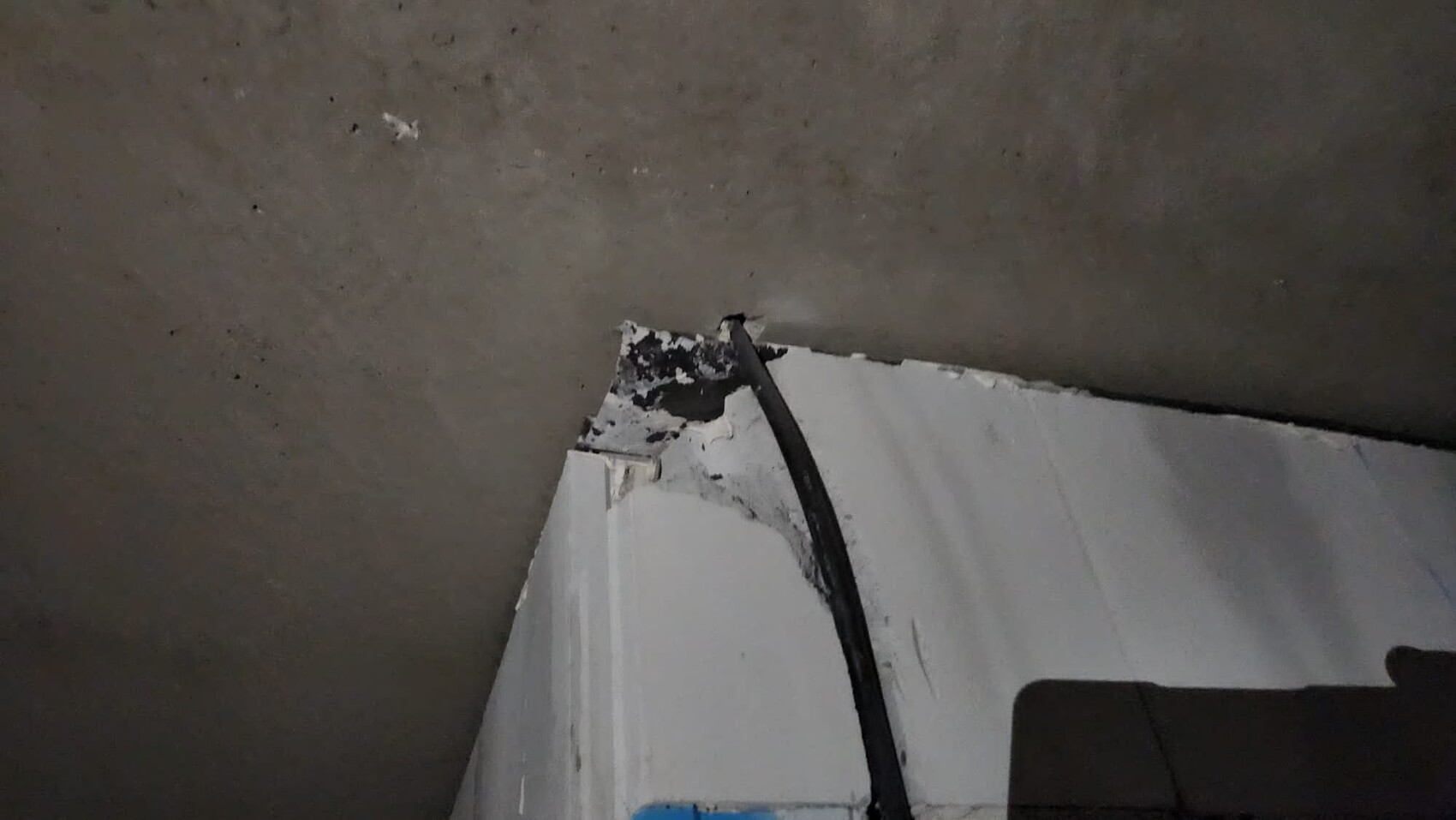
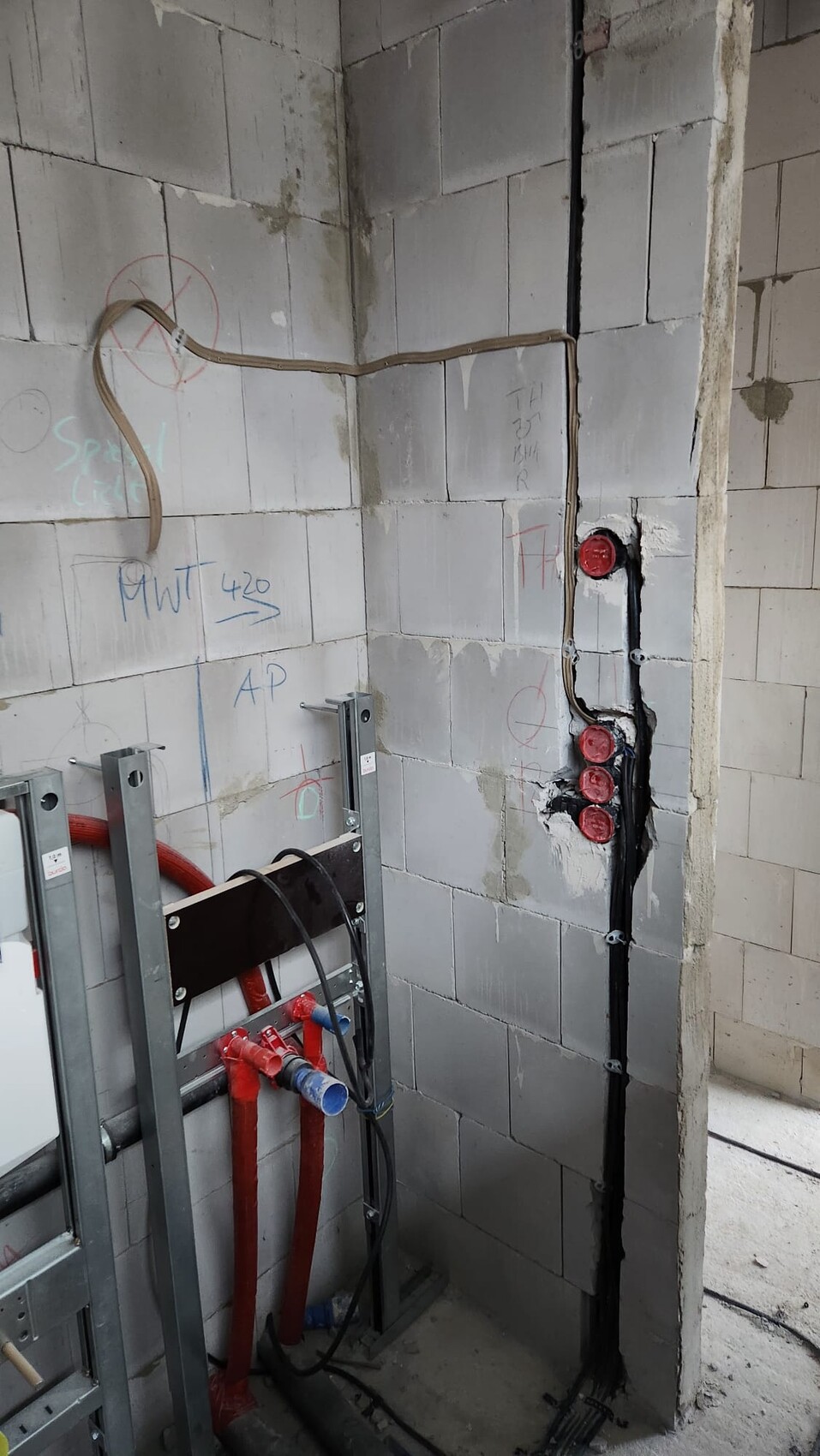
Our electrical installation is now almost complete, and the plastering is about to begin. However, I find the workmanship to be extremely untidy.
For example, I have found four different versions of the wiring for the blinds and roller shutters in the house, and some walls have more cables than space to eventually hang a picture.
Additionally, the cables are being routed over the floor. What do you think? Is this standard practice, or does it look like very poor workmanship?
Best regards,
Christine
X
xMisterDx13 Apr 2023 23:57guckuck2 schrieb:
You simply place the laser in the room and then cut the chase vertically. This costs practically nothing. It’s just careless workmanship.Sure, for one chase. Then there’s the next chase, moving the laser, realigning. No wonder construction keeps getting more expensive when even cable chases have to be cut at perfect right angles.
Naturally, there’s no time or budget left for the final inspection measurements. Cable chases all at 90°. The customer ends up worse off because the electrician forgot the grounding conductor (PE) in the rush. You guys have completely lost it.
xMisterDx schrieb:
Yes, for one groove. Then comes the next groove, you have to reposition and align the laser.
No wonder construction keeps getting more expensive when even nonsensical cable grooves have to be at right angles.
Of course, then there is no time or budget left for the final inspection measurements. All cable grooves at 90°. The customer is doomed because the electrician forgot the PE conductor in the rush.
You’re all out of your minds.You just rotate it around its own axis. That only takes 5 seconds.
The DIN standards apply:
…
Within buildings, specific installation zones are prescribed for cables concealed behind plaster, as well as for switches and outlets. By combining this with the rule that cables must be installed only vertically or horizontally, it ensures that the approximate path of the (invisible) cables can be traced. This reduces the risk of damage to the cables during later work by other trades (gas, water, heating), for example when drilling anchor holes or driving nails.
- Cables in walls must be installed only vertically or horizontally
…
Within buildings, specific installation zones are prescribed for cables concealed behind plaster, as well as for switches and outlets. By combining this with the rule that cables must be installed only vertically or horizontally, it ensures that the approximate path of the (invisible) cables can be traced. This reduces the risk of damage to the cables during later work by other trades (gas, water, heating), for example when drilling anchor holes or driving nails.
X
xMisterDx14 Apr 2023 21:46Sure, it’s not a masterpiece, and no one claimed it was. But as a friend always says, "Don’t make a Mona Lisa out of it."
Calling the electricians back to cover the chases and then re-cut them again just doesn’t make sense.
It’s pointless, like a child saying, “But I want to!”
The chases run straight up, not at 45° or directly between the sockets and switches.
That’s fine. You wouldn’t drill 5cm (2 inches) away from the socket anyway, unless you’ve taken measurements and marked it carefully.
Calling the electricians back to cover the chases and then re-cut them again just doesn’t make sense.
It’s pointless, like a child saying, “But I want to!”
The chases run straight up, not at 45° or directly between the sockets and switches.
That’s fine. You wouldn’t drill 5cm (2 inches) away from the socket anyway, unless you’ve taken measurements and marked it carefully.

Similar topics