
Hello everyone,
Our electrical installation is now almost complete, and the plastering is about to begin. However, I find the workmanship to be extremely untidy.
For example, I have found four different versions of the wiring for the blinds and roller shutters in the house, and some walls have more cables than space to eventually hang a picture.
Additionally, the cables are being routed over the floor. What do you think? Is this standard practice, or does it look like very poor workmanship?
Best regards,
Christine
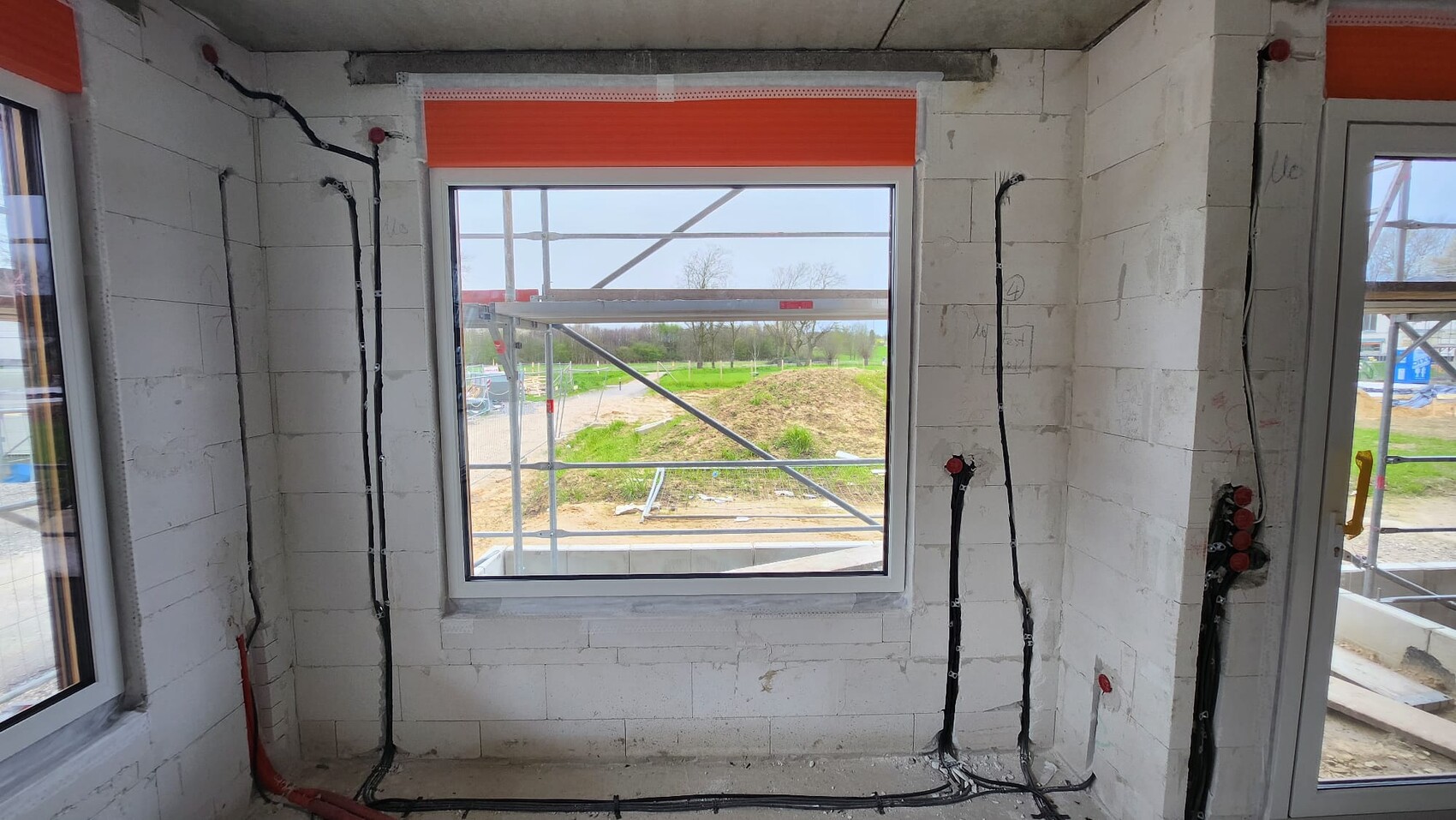
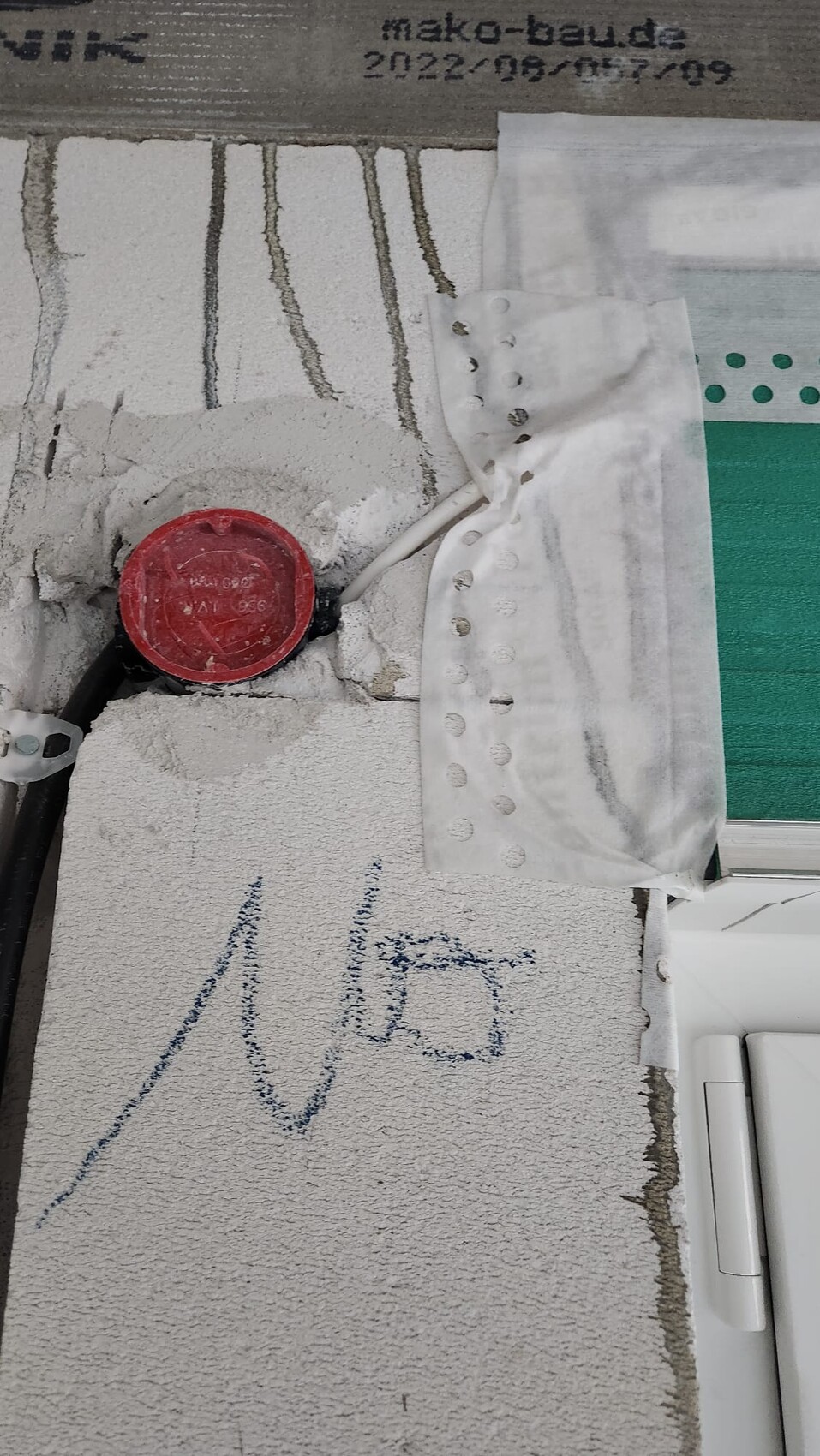
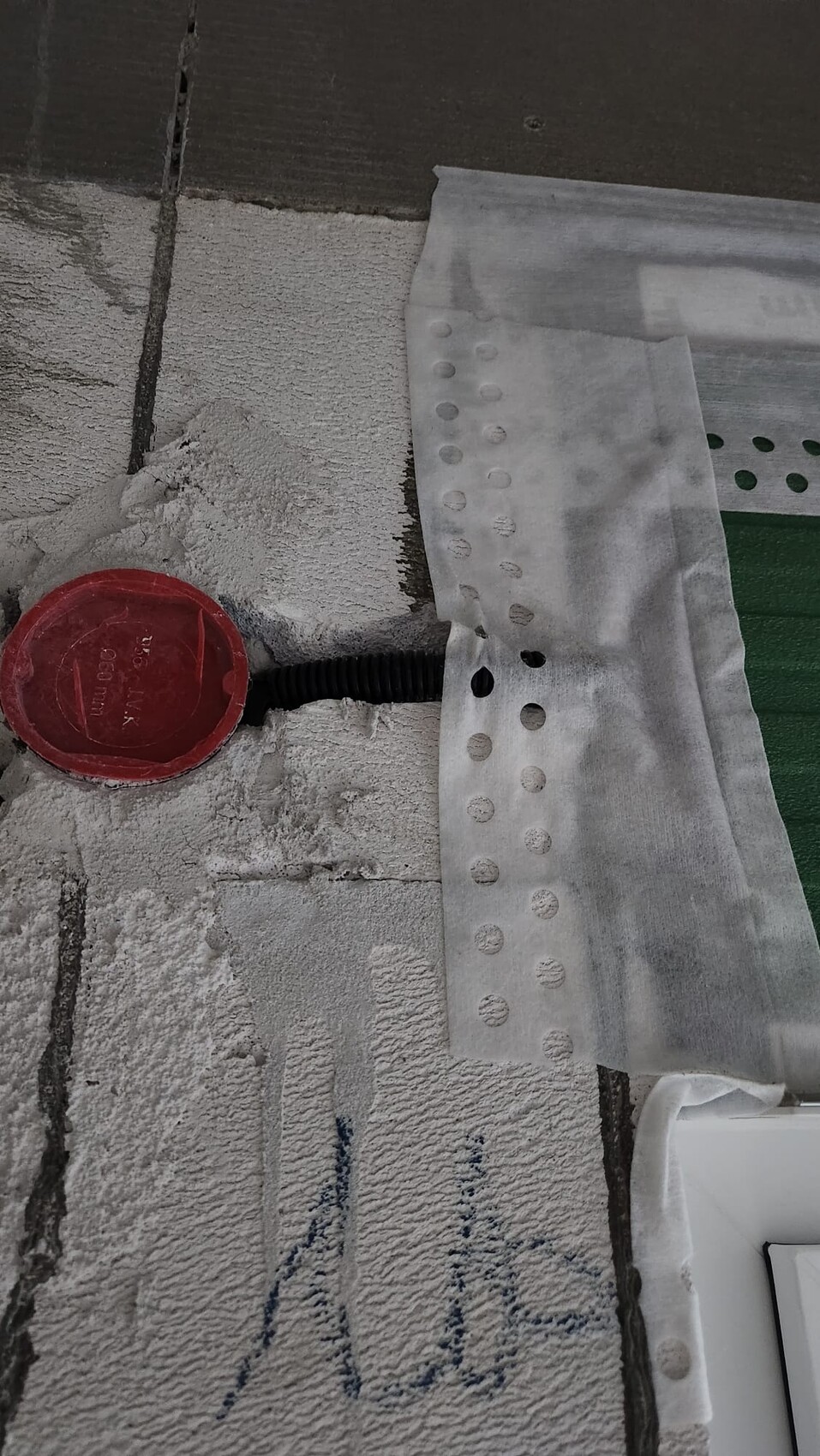
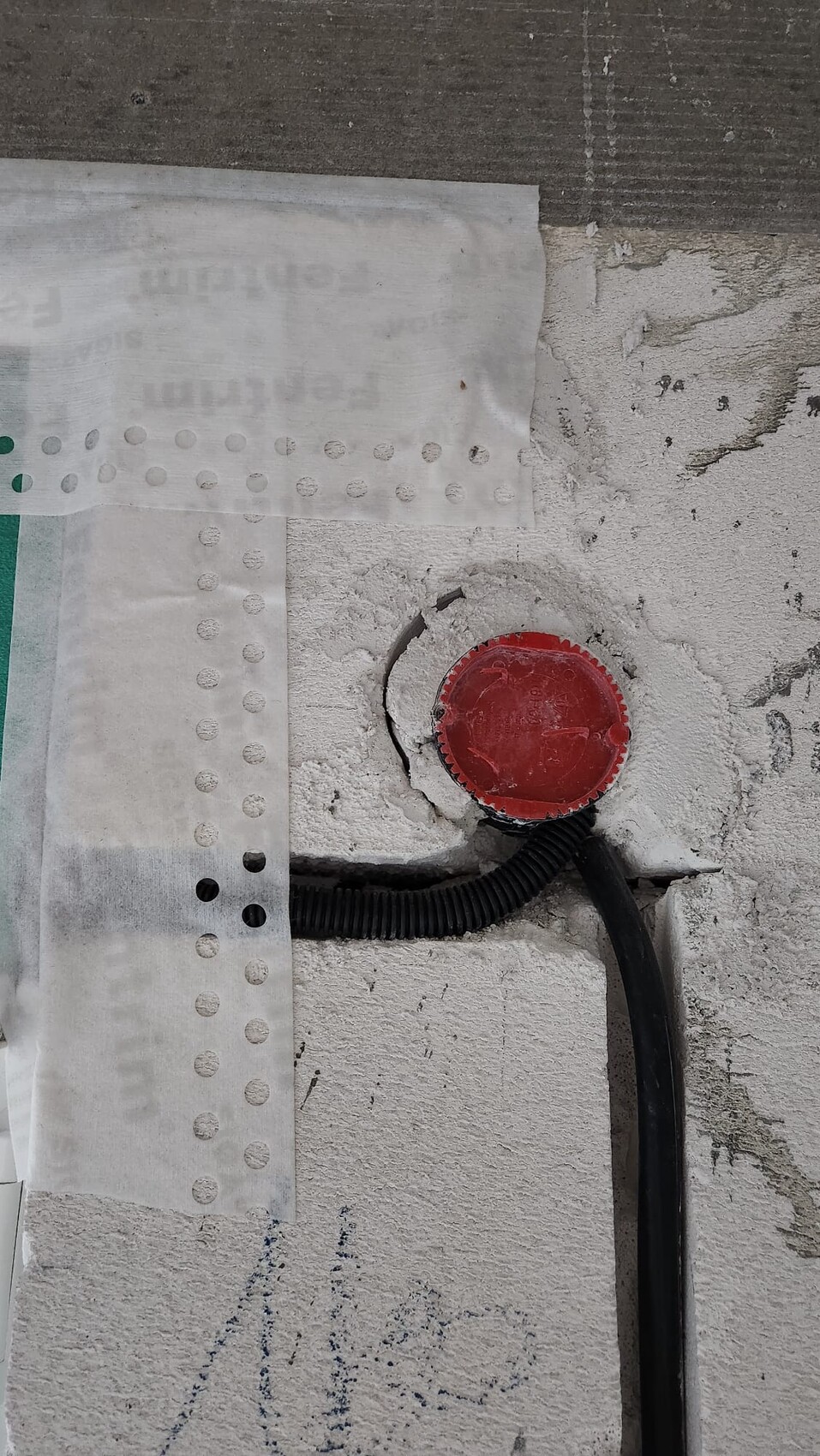
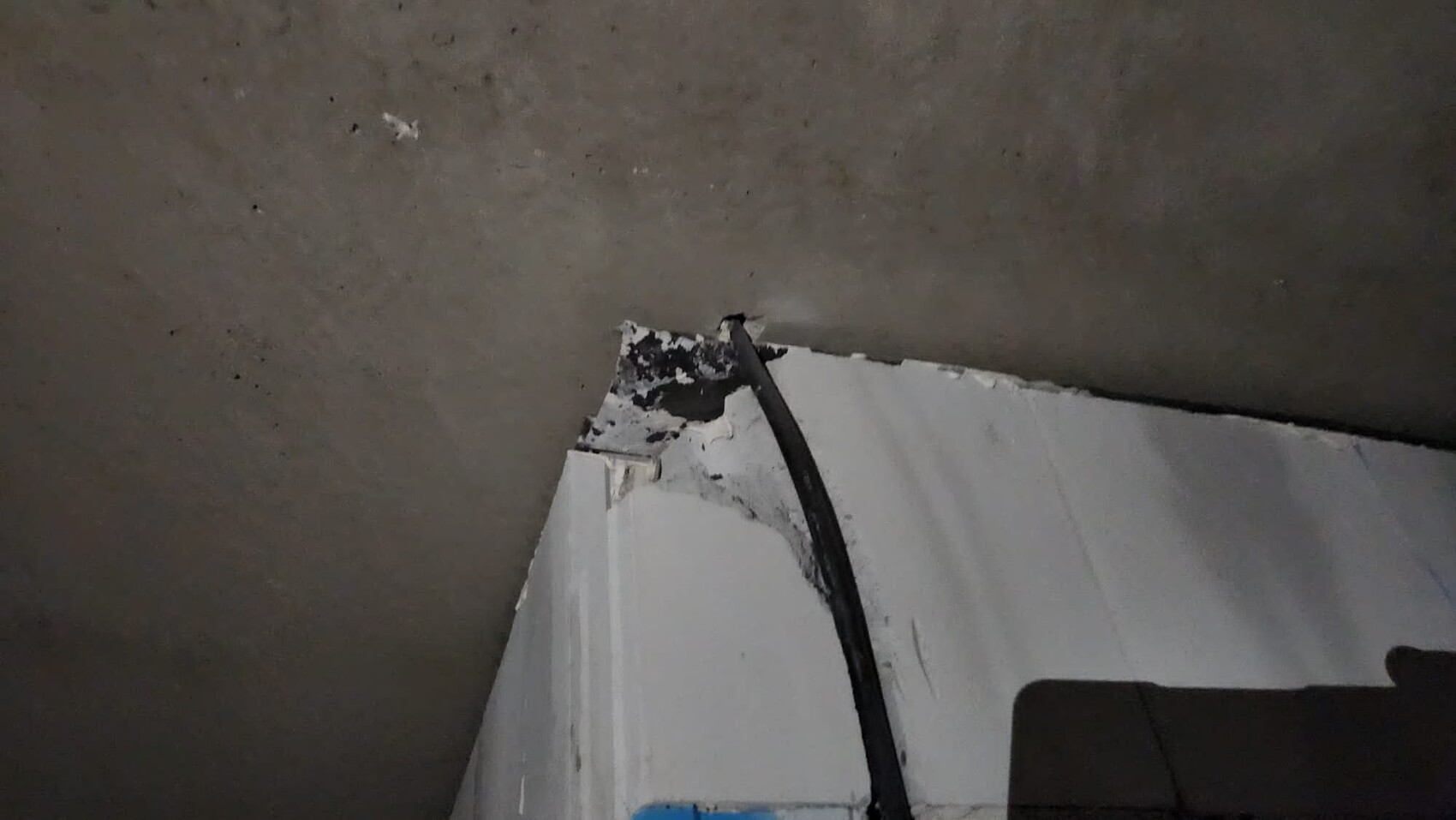
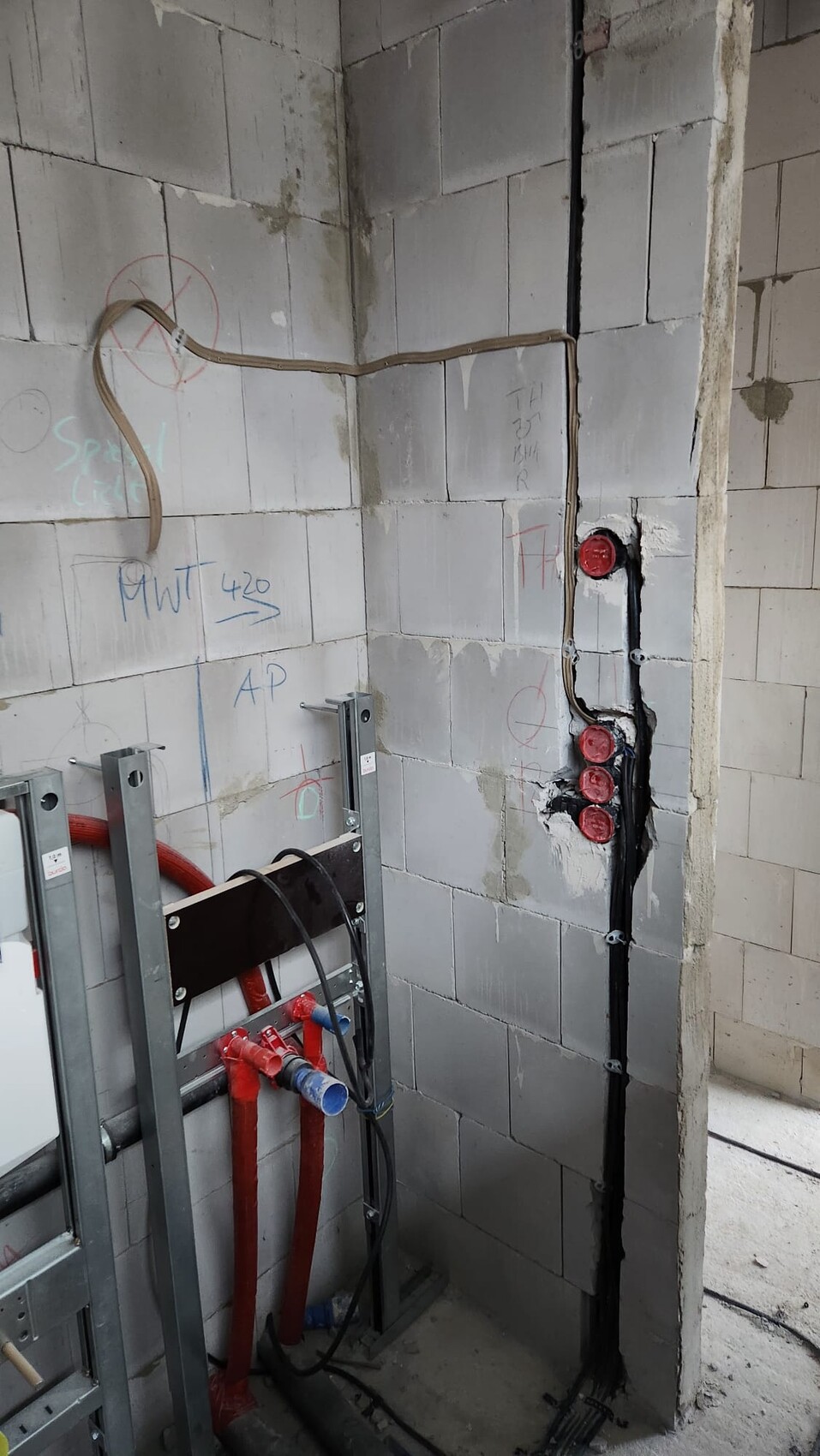
Our electrical installation is now almost complete, and the plastering is about to begin. However, I find the workmanship to be extremely untidy.
For example, I have found four different versions of the wiring for the blinds and roller shutters in the house, and some walls have more cables than space to eventually hang a picture.
Additionally, the cables are being routed over the floor. What do you think? Is this standard practice, or does it look like very poor workmanship?
Best regards,
Christine
It already looks a bit like harakiri. The plasterer will thank the electrician for this.
In the end, you won’t see it later anyway; but this does not indicate high-quality work.
With something like this, I would be skeptical about things you don’t notice or what might have happened behind the scenes.
In the end, you won’t see it later anyway; but this does not indicate high-quality work.
With something like this, I would be skeptical about things you don’t notice or what might have happened behind the scenes.
A
Audiobampa11 Apr 2023 22:05This is not compliant with regulations either. There are measurements you should follow during installation; otherwise, you might accidentally drill into a cable later on...
 Winniefred12 Apr 2023 07:05
What does your electrician do for a living? 😀
Joking aside, this doesn’t look professionally done. There are actually standards that specify how cables should be routed. These cables look like they were pulled by someone who was drunk, with all these snake-like bends, etc. In our case, the apprentice pulled the cables, and it looked much neater and more thought out than this. Even then, we had some mistakes installed that we only noticed later (like swapped labeling on stove connections and similar issues). We had to have someone come back and test everything again, even though our company is a certified master craftsman business in Germany. As @Malunga already said; I would be seriously concerned about what else might have been done incorrectly.
Joking aside, this doesn’t look professionally done. There are actually standards that specify how cables should be routed. These cables look like they were pulled by someone who was drunk, with all these snake-like bends, etc. In our case, the apprentice pulled the cables, and it looked much neater and more thought out than this. Even then, we had some mistakes installed that we only noticed later (like swapped labeling on stove connections and similar issues). We had to have someone come back and test everything again, even though our company is a certified master craftsman business in Germany. As @Malunga already said; I would be seriously concerned about what else might have been done incorrectly.
B
Bausparfuchs12 Apr 2023 07:32Basically, the installation is completely fine. The fact that some cable ducts are slightly crooked should not be considered a major defect.
I would document it now to avoid drilling into any cables later.
Yes, the routing of the cables should be done vertically and horizontally.
However, I am a bit concerned that the flush-mounted boxes are set too deep. Assuming a plaster thickness of 10 - 20 mm (0.4 - 0.8 inches), spacer rings will be needed for the switches and sockets. This could have been avoided. Besides that, nowadays junction boxes are usually foam-sealed. Using plaster to set them is somewhat old-fashioned, but of course, it can be done that way.
There are plasterers who prefer that flush-mounted boxes do not protrude, but I find it more practical if they do.
Also, the cables on the floor will be covered by the screed anyway. This is normal and not a problem.
I would document it now to avoid drilling into any cables later.
Yes, the routing of the cables should be done vertically and horizontally.
However, I am a bit concerned that the flush-mounted boxes are set too deep. Assuming a plaster thickness of 10 - 20 mm (0.4 - 0.8 inches), spacer rings will be needed for the switches and sockets. This could have been avoided. Besides that, nowadays junction boxes are usually foam-sealed. Using plaster to set them is somewhat old-fashioned, but of course, it can be done that way.
There are plasterers who prefer that flush-mounted boxes do not protrude, but I find it more practical if they do.
Also, the cables on the floor will be covered by the screed anyway. This is normal and not a problem.
Hello everyone,
Thank you very much for the comments and feedback.
I will now go over the construction site again with the site manager and discuss the installation. Then we will create a list, and individual items will be reviewed and revised as needed.
Best regards, Christine
Thank you very much for the comments and feedback.
I will now go over the construction site again with the site manager and discuss the installation. Then we will create a list, and individual items will be reviewed and revised as needed.
Best regards, Christine
Similar topics