
ᐅ Q3 gypsum lime skim coat shows strong texture after painting?!
Created on: 18 Nov 2022 12:58
S
SurripioHello,
After painting in our new build, we ended up with a very pronounced texture on the walls.
Our plasterer insists that this is caused by the paint and mentioned that if we had diluted it to about 30-50%, this wouldn’t have happened.
However, on the walls that have not yet been painted, the sanding directions and marks are clearly visible. While the walls feel quite smooth to the touch, you can see two different materials on the unpainted surfaces.
We would be interested in hearing more opinions from this forum.
Attached are a few pictures.
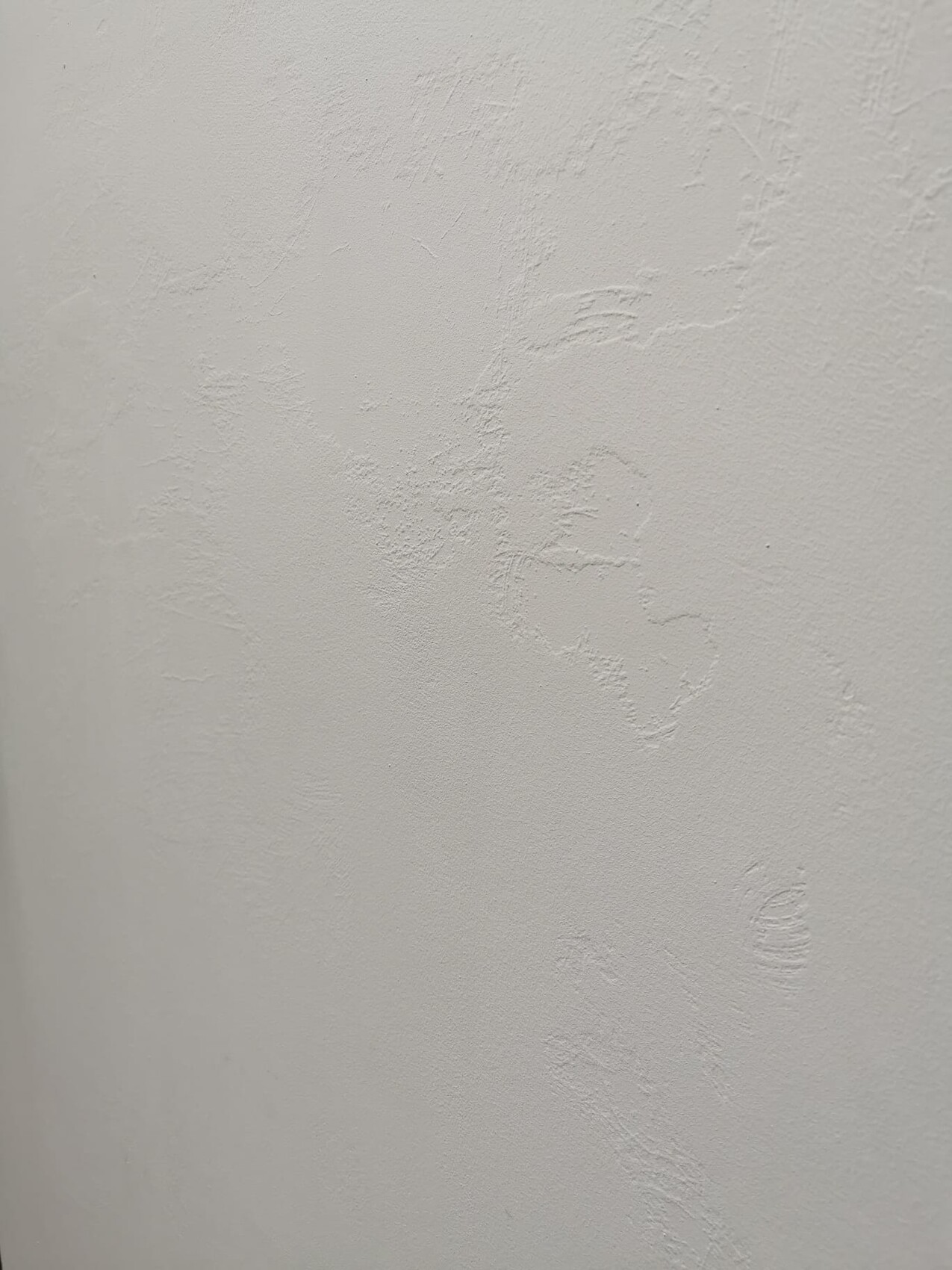

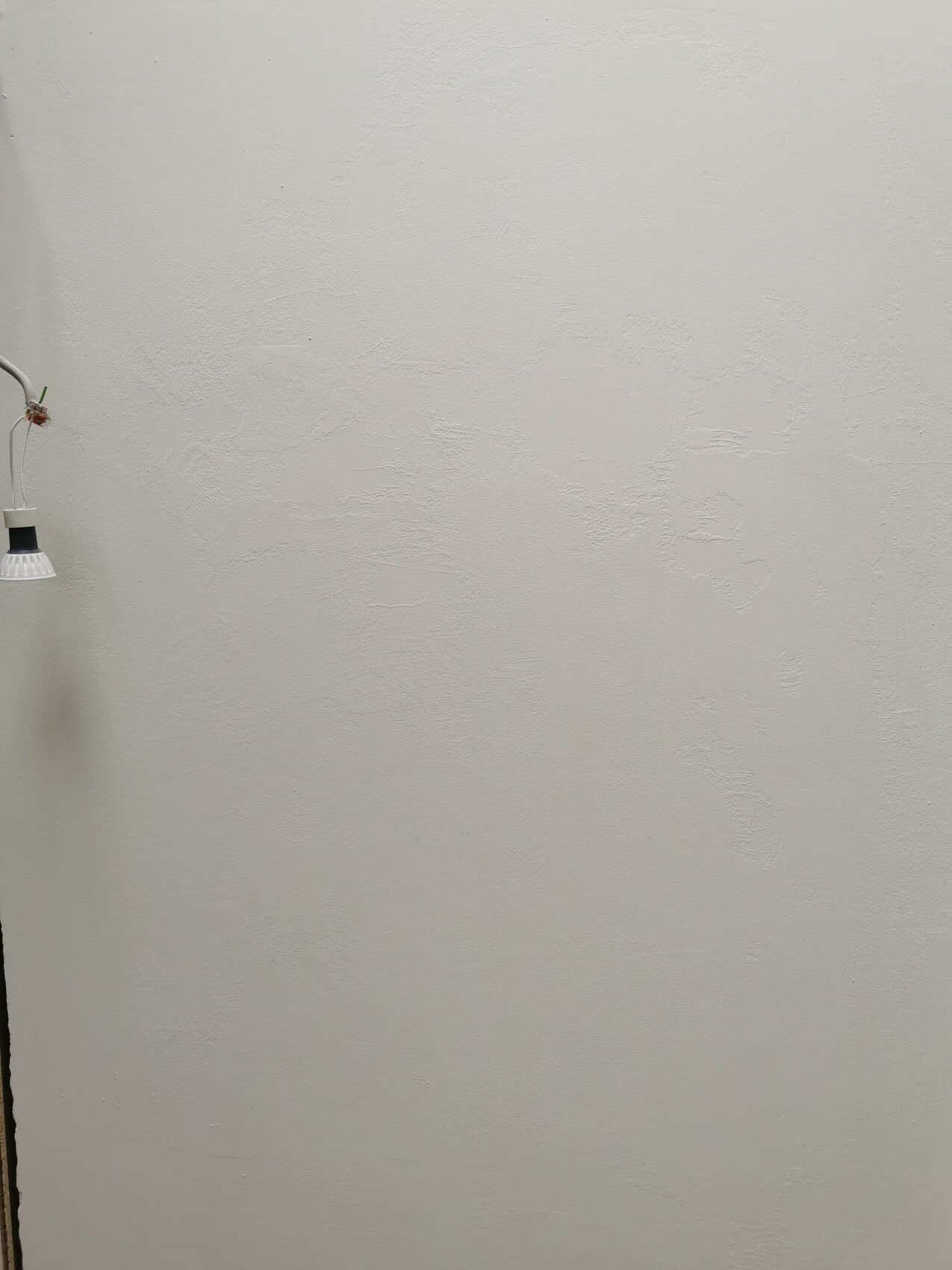
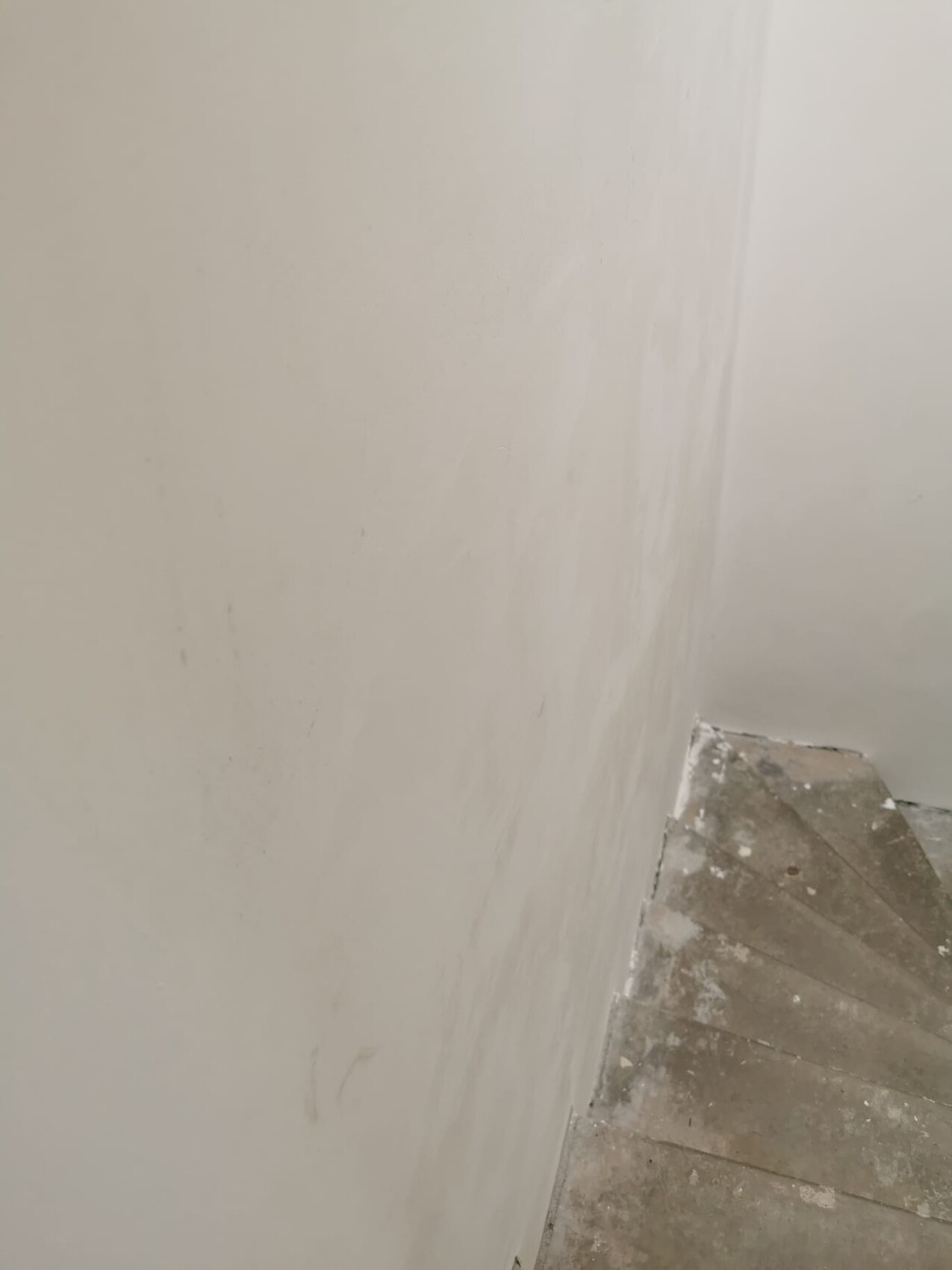
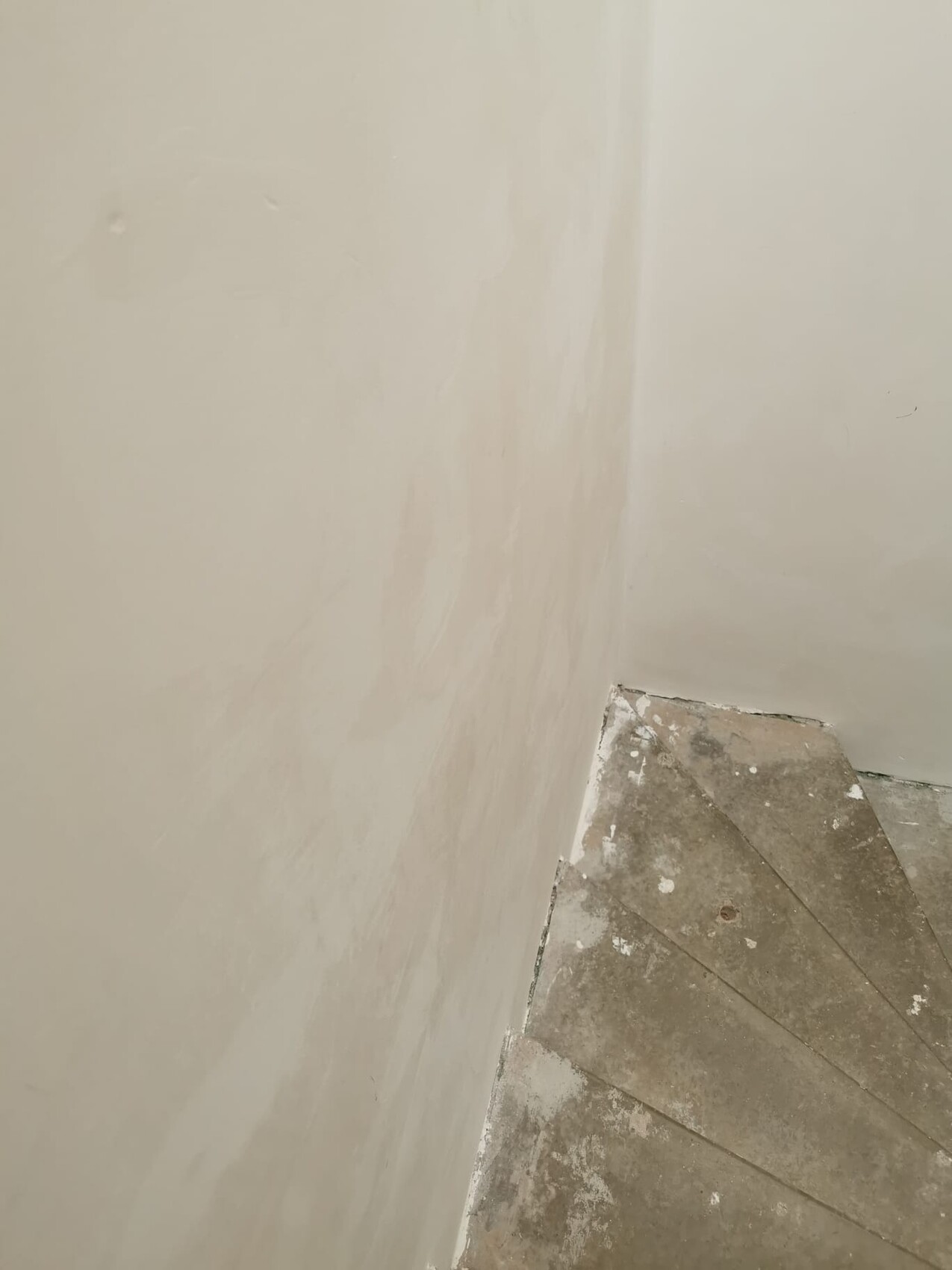
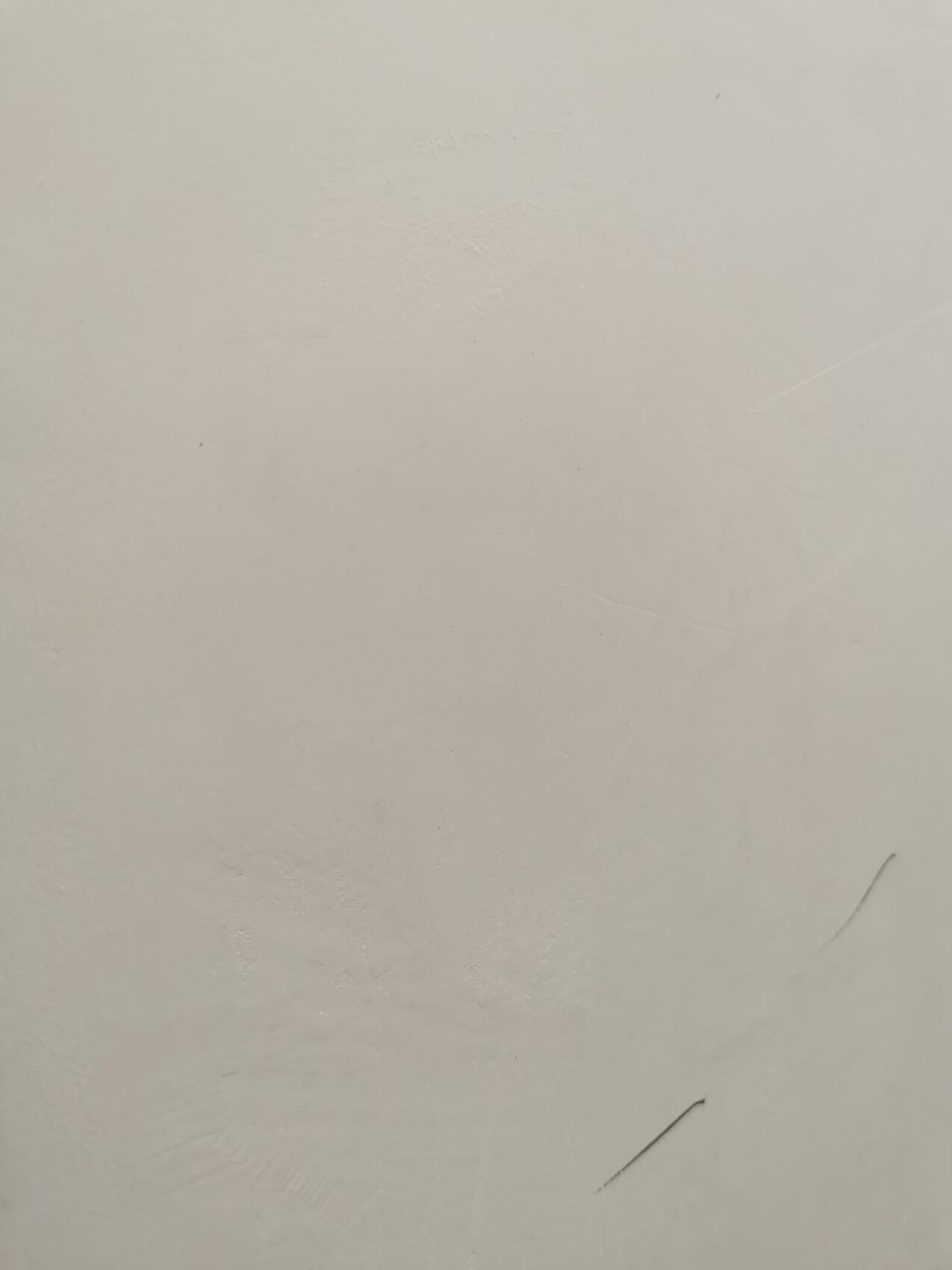
After painting in our new build, we ended up with a very pronounced texture on the walls.
Our plasterer insists that this is caused by the paint and mentioned that if we had diluted it to about 30-50%, this wouldn’t have happened.
However, on the walls that have not yet been painted, the sanding directions and marks are clearly visible. While the walls feel quite smooth to the touch, you can see two different materials on the unpainted surfaces.
We would be interested in hearing more opinions from this forum.
Attached are a few pictures.

It looked similar for me. You need to sand it down and then, if necessary, apply filler again. Several passes. In the end, it’s best to use an orbital or hand sander. Using a random orbital sander carries the risk of creating new marks.
Or, based on my experience, my one and only reliable recommendation is this: sand once, then apply a heavy-duty painter’s fleece. After that, painting becomes easy, and the walls turn out smooth.
Or, based on my experience, my one and only reliable recommendation is this: sand once, then apply a heavy-duty painter’s fleece. After that, painting becomes easy, and the walls turn out smooth.

S
SaniererNRW12318 Nov 2022 13:43Surripio schrieb:
Attached are some pictures.Are these the pictures of the walls before painting? If so, this does not qualify as a Q3 finish.I assume the first three pictures are after painting and the others are before.
As I mentioned, my situation looked very similar before I sanded the first room. Although I had Level 2 finish (Q2), my walls still felt smooth to the touch. It was only after the first coat that you could see the streaks and these strange patches.
Sanding improved the surface, but the issues were still visible.
Two things improved the result: 1. Using a different paint with a (higher?) proportion of dispersion. My first paint was actually lime paint, which also contained some dispersion, but apparently lime paint has particles that are too heavy or something like that.
When I used pure dispersion paint, the results were much better, and dispersion silicate paint also gave better results and a more uniform finish.
2. Painter’s fleece. On the ground floor, I had painter’s fleece with 150g/m² applied. After that, painting and the overall appearance of the walls were fantastic!
As I mentioned, my situation looked very similar before I sanded the first room. Although I had Level 2 finish (Q2), my walls still felt smooth to the touch. It was only after the first coat that you could see the streaks and these strange patches.
Sanding improved the surface, but the issues were still visible.
Two things improved the result: 1. Using a different paint with a (higher?) proportion of dispersion. My first paint was actually lime paint, which also contained some dispersion, but apparently lime paint has particles that are too heavy or something like that.
When I used pure dispersion paint, the results were much better, and dispersion silicate paint also gave better results and a more uniform finish.
2. Painter’s fleece. On the ground floor, I had painter’s fleece with 150g/m² applied. After that, painting and the overall appearance of the walls were fantastic!
Similar topics