
ᐅ Insulating an Attic in a House Built in 1978: Is a Humidity-Variable Vapor Retarder Recommended?
Created on: 11 Jan 2026 22:15
E
Eagel22Hello everyone,
We have a small attic above our first floor, which is partly used as a storage space. At its highest point, the attic has a height of about 1.4 meters (4.6 feet). The house was built in 1978.
The roof over the attic is insulated.
Roof structure:
Tiles
Battens
Counter battens
Presumably an underlay membrane
Wood fiber board
Rafters with a height of 19 cm (7.5 inches)
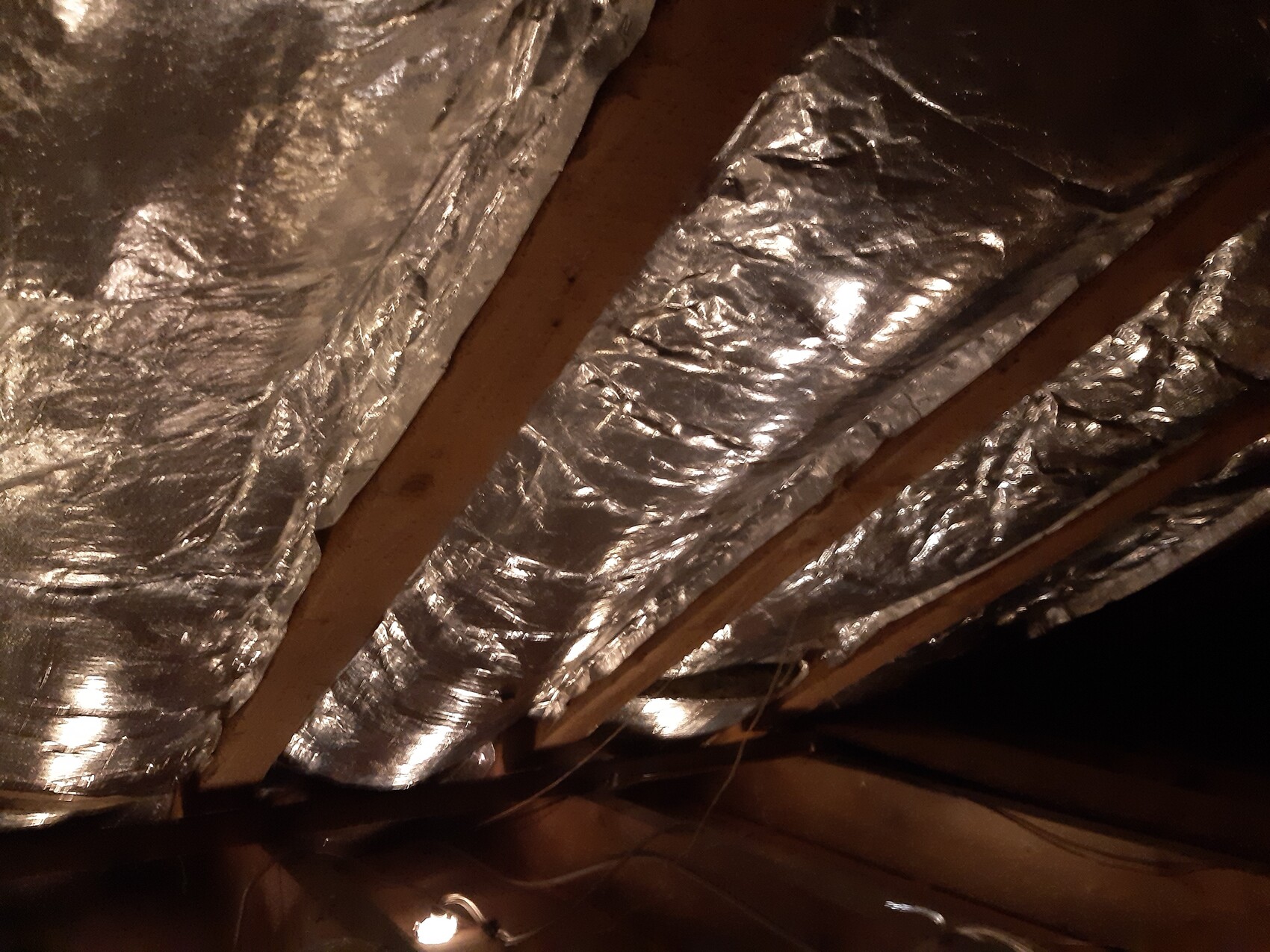
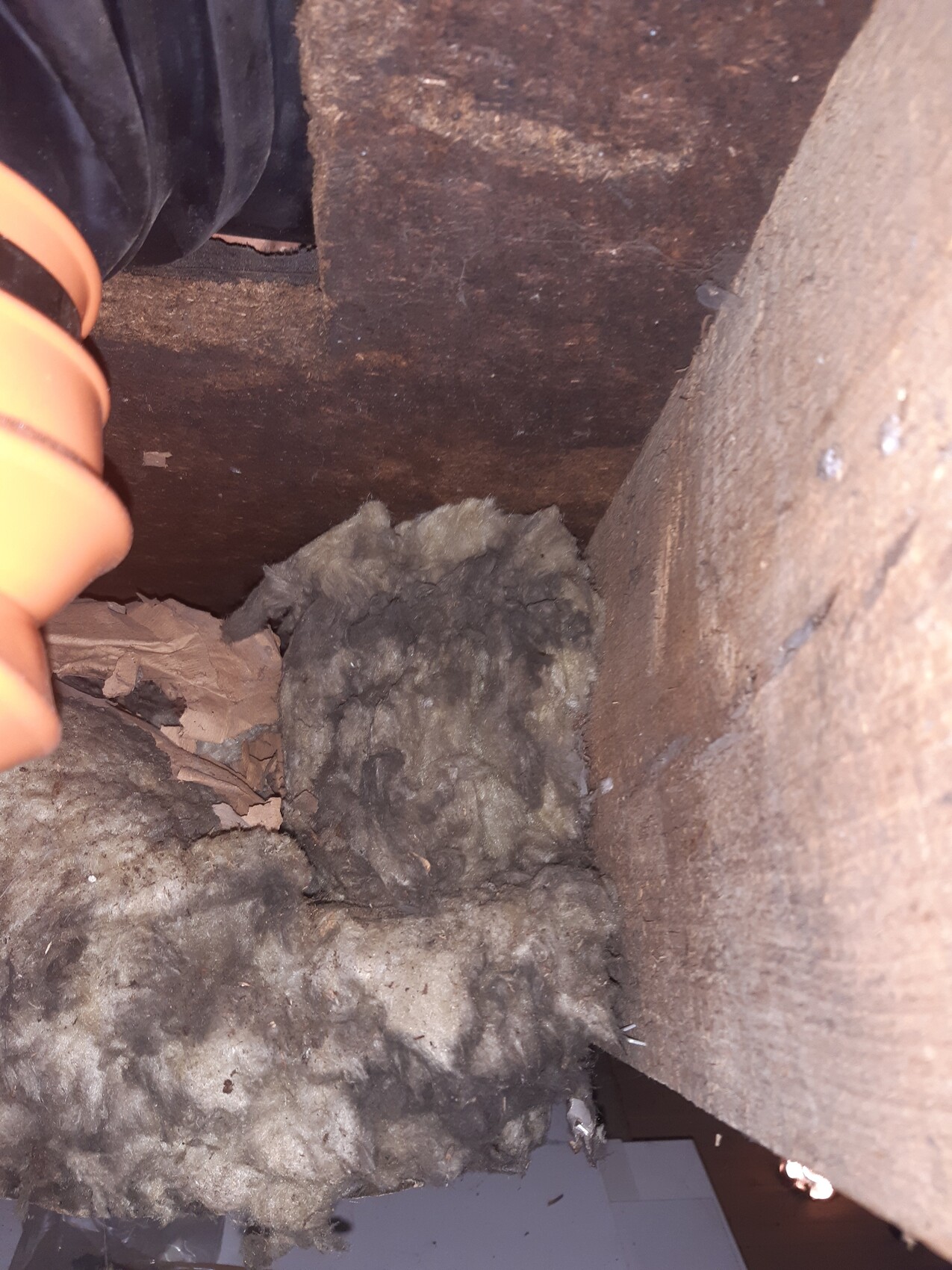
Between the rafters, there is mineral wool insulation with an aluminum foil facing. The aluminum facing is stapled to the sides of the rafters.
So, it cannot really be considered a continuous vapor barrier.
I want to improve the insulation in the attic first, since the upper floor has a wooden beam ceiling including the sloped areas, and I don’t want to remove that.
The right approach would probably be to remove the old insulation first.
Then install new insulation, followed by a variable humidity vapor retarder, and finally add insulation below the rafters.
The wood fiber board and the underlay membrane are most likely not vapor-permeable. Therefore, using a variable humidity vapor retarder should work.
How do you see this?
We have a small attic above our first floor, which is partly used as a storage space. At its highest point, the attic has a height of about 1.4 meters (4.6 feet). The house was built in 1978.
The roof over the attic is insulated.
Roof structure:
Tiles
Battens
Counter battens
Presumably an underlay membrane
Wood fiber board
Rafters with a height of 19 cm (7.5 inches)
Between the rafters, there is mineral wool insulation with an aluminum foil facing. The aluminum facing is stapled to the sides of the rafters.
So, it cannot really be considered a continuous vapor barrier.
I want to improve the insulation in the attic first, since the upper floor has a wooden beam ceiling including the sloped areas, and I don’t want to remove that.
The right approach would probably be to remove the old insulation first.
Then install new insulation, followed by a variable humidity vapor retarder, and finally add insulation below the rafters.
The wood fiber board and the underlay membrane are most likely not vapor-permeable. Therefore, using a variable humidity vapor retarder should work.
How do you see this?
N
nordanney12 Jan 2026 13:59Personally, based on my own experience, I would approach it quite differently. Remove the old insulation. Do not install new insulation. Just lay two layers of mineral wool on the floor and ensure good ventilation of the attic. Ideally, if absolutely necessary, make a small part usable for a few purposes (but be careful, you will then have a cold attic). Fast, cheap, and very effective.
Similar topics