
S
strebermeister19 Sep 2024 19:11Hello,
we have bought a house from 1965 that has not yet been upgraded energetically (no insulation, oil heating).
When removing the wallpaper, we discovered that thin insulation boards were attached on the interior side of all exterior walls. These are "Selitron insulating under-wallpaper" boards; at least there is still an opened pack of them in the attic.
Currently, electrical wiring and plumbing renovations are underway. Some of these insulation boards will inevitably be damaged by chasing (cutting channels in the walls). Where possible: Should we leave these insulation boards on the walls and simply cover them with new wallpaper again? Or would you recommend removing them completely and installing a different type of insulation instead? Do these thin (about 3mm (0.1 inch)) insulation boards have any noticeable effect at all?
We are still undecided about which type of insulation to install and where. Probably external wall insulation on the existing brick facade at a later stage.
Good luck, Andreas
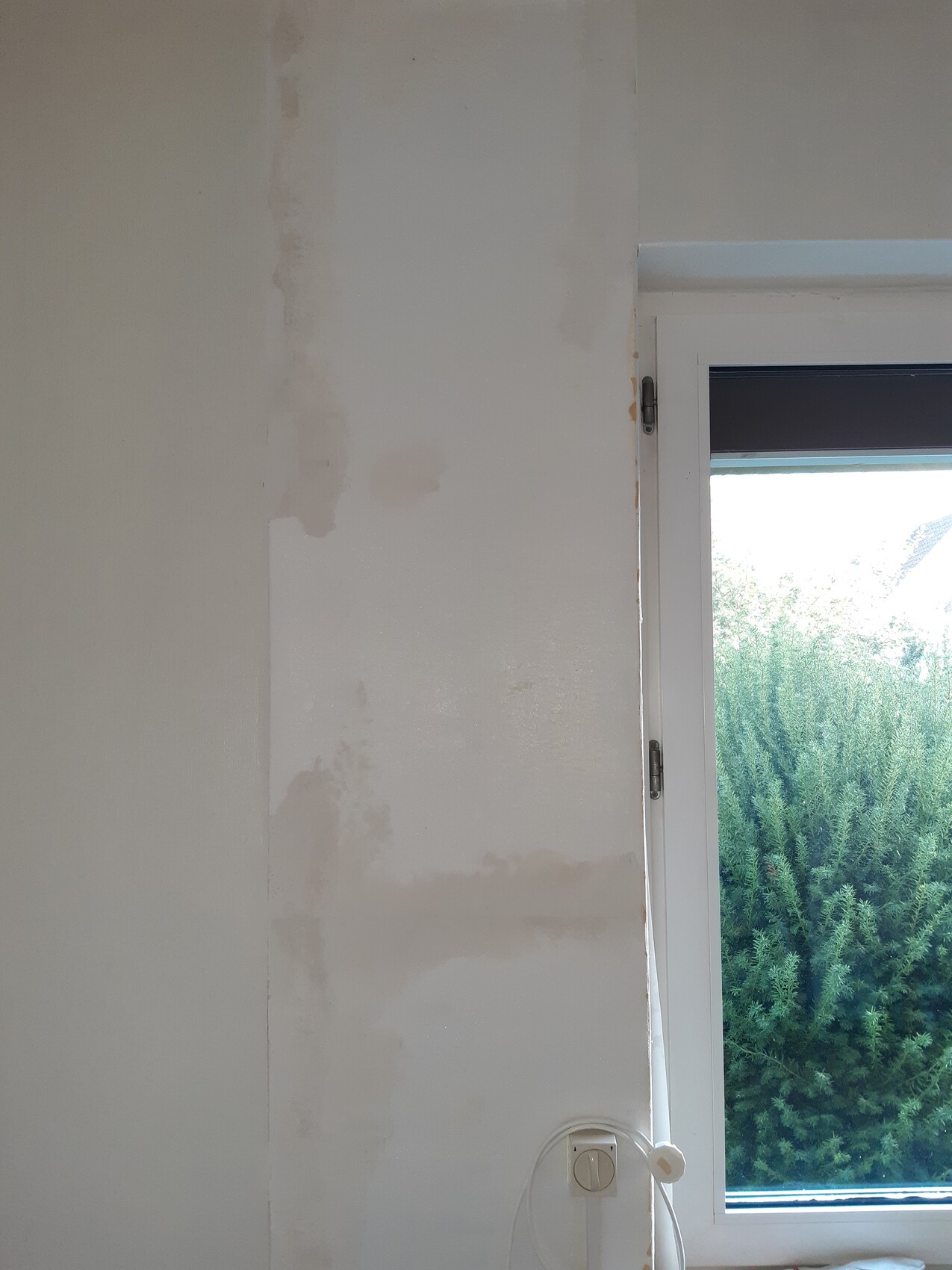
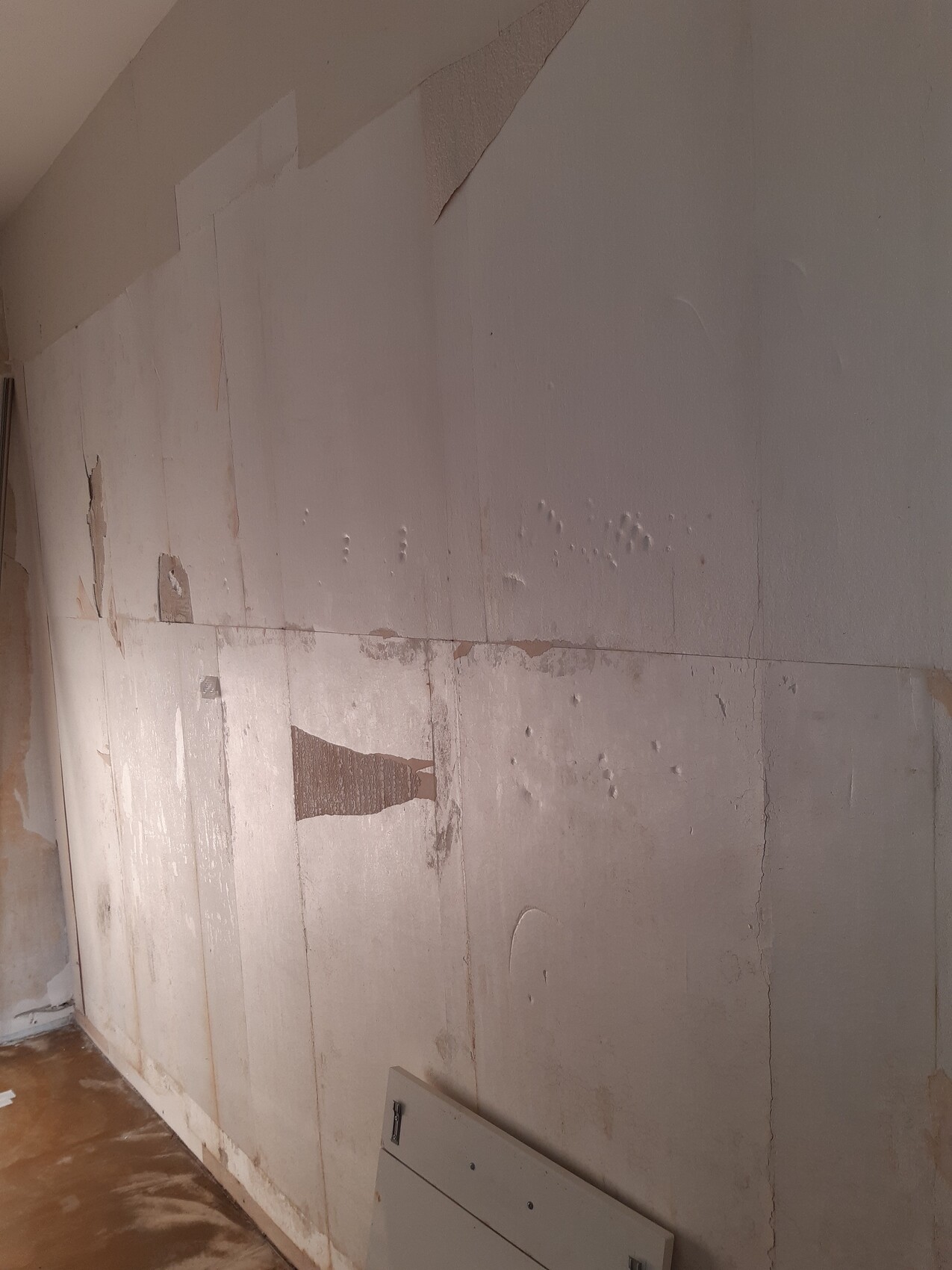
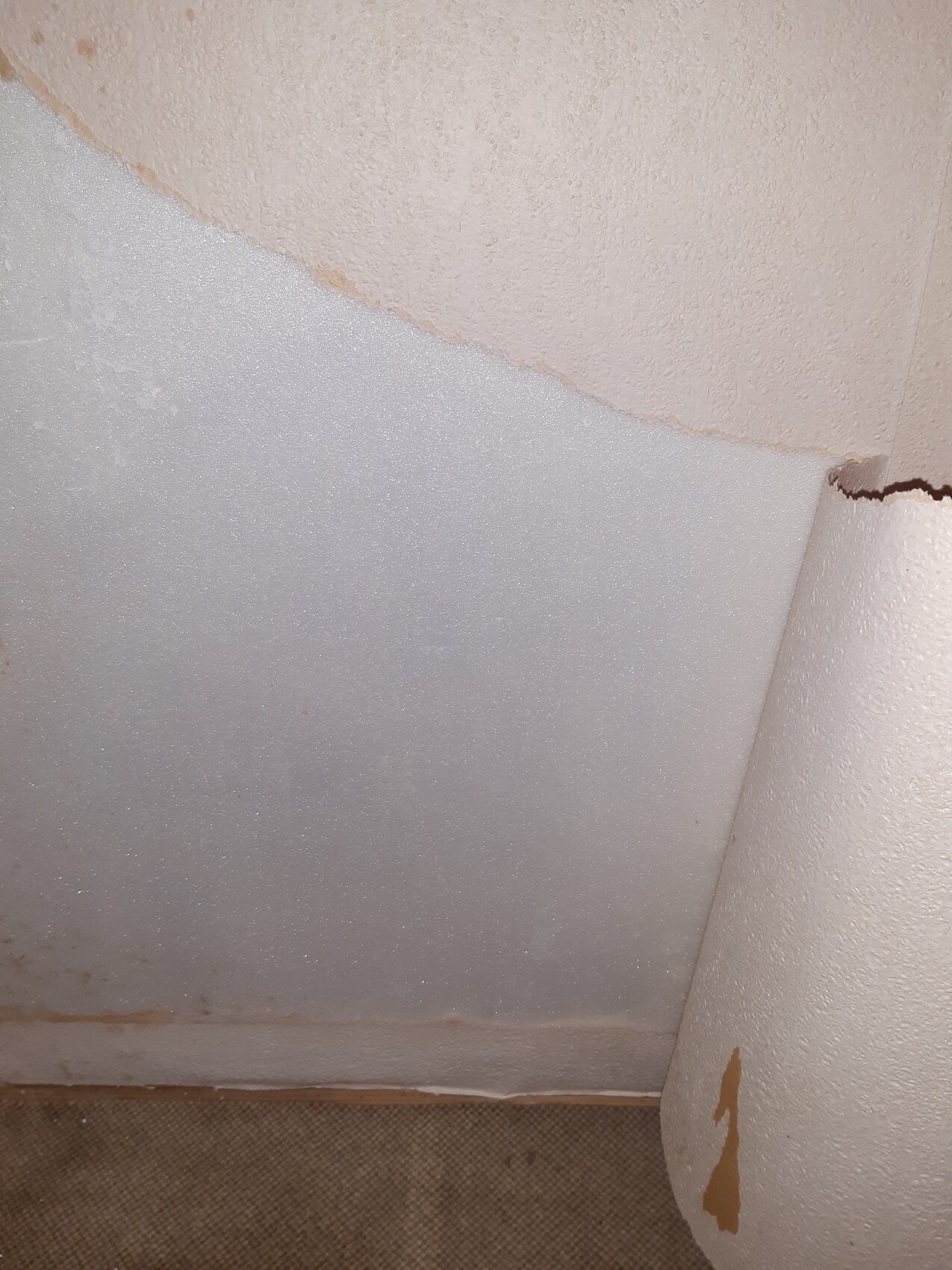
we have bought a house from 1965 that has not yet been upgraded energetically (no insulation, oil heating).
When removing the wallpaper, we discovered that thin insulation boards were attached on the interior side of all exterior walls. These are "Selitron insulating under-wallpaper" boards; at least there is still an opened pack of them in the attic.
Currently, electrical wiring and plumbing renovations are underway. Some of these insulation boards will inevitably be damaged by chasing (cutting channels in the walls). Where possible: Should we leave these insulation boards on the walls and simply cover them with new wallpaper again? Or would you recommend removing them completely and installing a different type of insulation instead? Do these thin (about 3mm (0.1 inch)) insulation boards have any noticeable effect at all?
We are still undecided about which type of insulation to install and where. Probably external wall insulation on the existing brick facade at a later stage.
Good luck, Andreas
N
nordanney19 Sep 2024 22:34strebermeister schrieb:
Or would you remove it completely and install some other type of insulation instead?The insulation is as useful as chewing gum paper stuck on. You can just tear it off. Another type of insulation makes sense. Either blown-in insulation (if there is a sufficient air cavity) or traditional facade insulation.
S
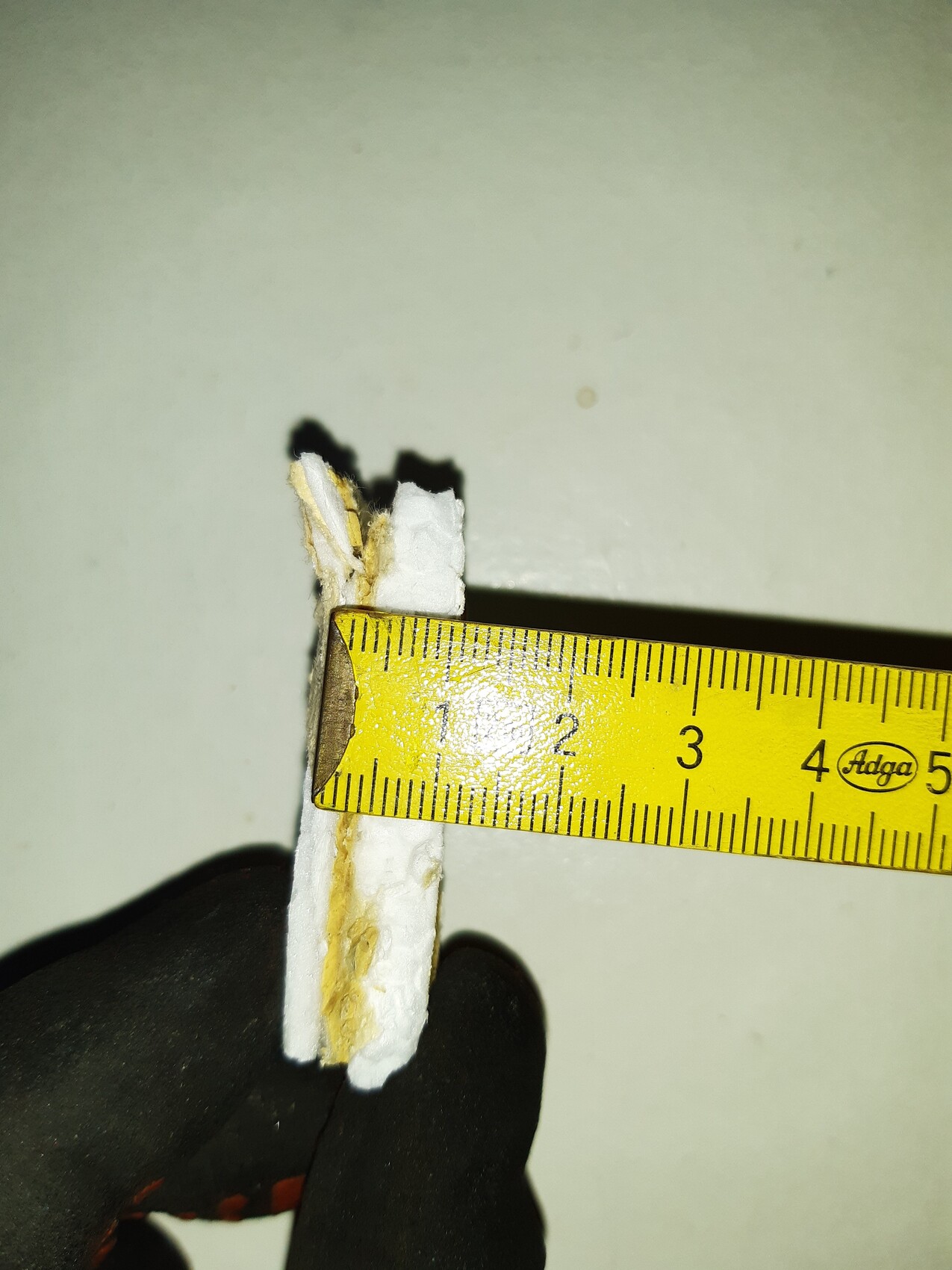
strebermeister25 Sep 2024 10:07It turned out that there is still a layer of polystyrene foam attached behind the Selitron insulation. The total layer thickness is 1 cm (0.4 inches). Now I’m wondering again whether to remove it or leave it in place. Ideally, I would remove it because the adhesive has to be scraped off the wall anyway, and parts of the walls need to be channeled anyway. However, if I remove it, there will be no insulation for about five years. Is the insulation effect of the Selitron-polystyrene composite better, or would there be hardly any noticeable difference?
Good luck, Andreas
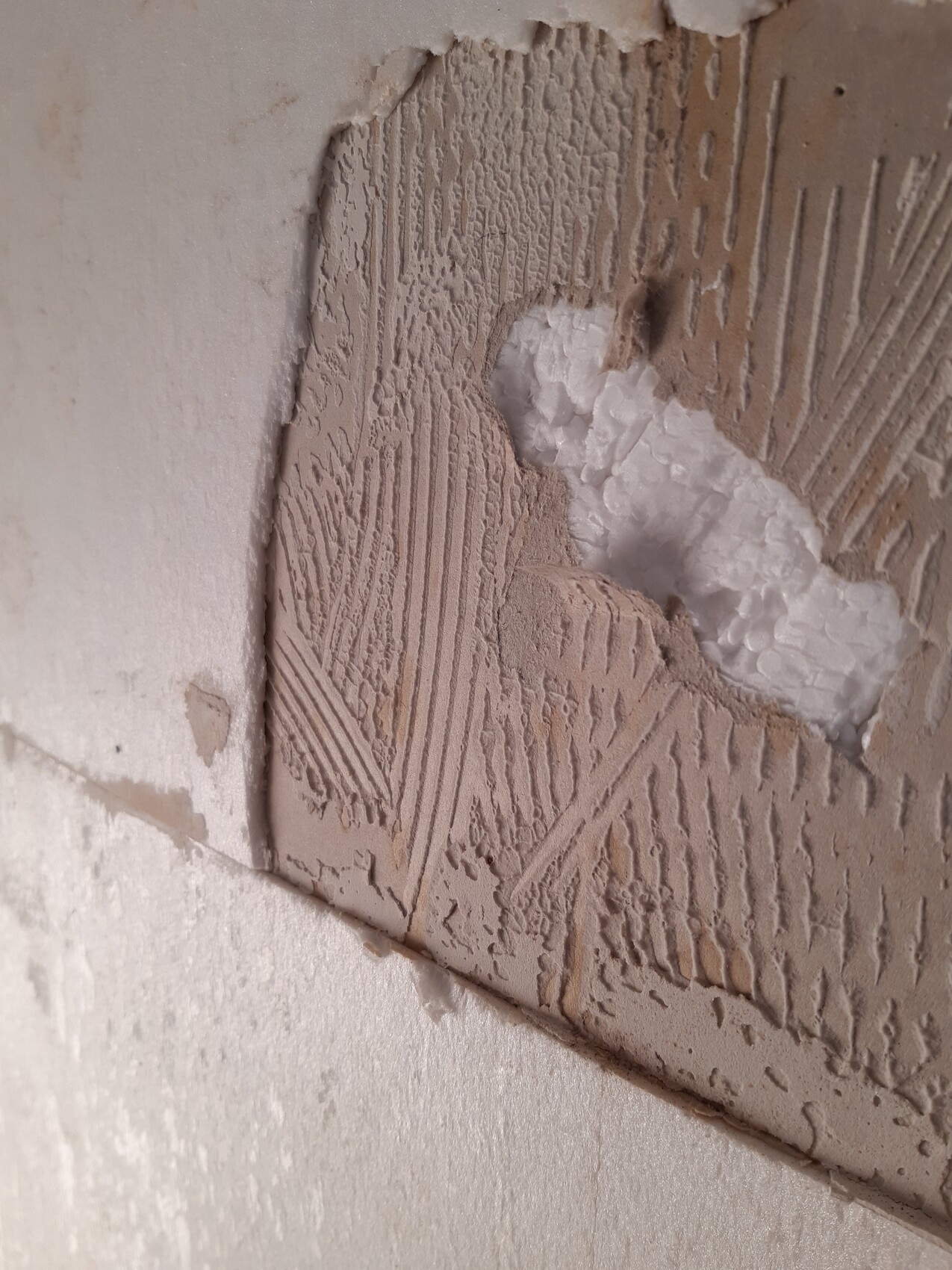
Good luck, Andreas
N
nordanney25 Sep 2024 10:36strebermeister schrieb:
I would prefer to remove them because the adhesive has to be scraped off the wall anyway, and the walls need to be partially chased anyway.Do it that way. That will get the mess off the wall for now.Similar topics