
L
lolerloler11 Jan 2017 22:11Good evening dear forum members,
About two months ago (so well before the onset of winter), I noticed a significant unevenness in the paving stones on the sidewalk directly in front of our house (when standing facing the front door, it is on the right, just before the neighbor’s house) – there are 2-3 rows across that are noticeably uneven and, rather than having sunken, have actually risen.
Unfortunately, this is not very clear in the pictures (in one photo I have roughly marked the spot with my foot).
My question now is what could cause such a rise in the paving stones. Could it be due to underground pipes that might be damaged and leaking fluids, which in turn may have affected the paved area? Although I would expect that if water was involved, the ground would be soft and the stones would more likely sink.
Any other possible causes? Above all, I want to avoid the possibility that this could indicate hidden issues that might damage the facade or foundation of our house. Whether the sidewalk is uneven or not is basically irrelevant to me. Is there any way to find out without digging up the pavement?
The condition has not changed over these two months – neither worsened nor improved. The paving stones are not loose; they remain just as firmly fixed as always, only uneven.
Possibly relevant – we don’t have a basement. On the side where the paving stones are uneven is our kitchen with a tiled floor, so any issues would likely be noticeable there first... There are no visible signs of damage to the insulation or facade.
I’m at a loss.
Thank you very much in advance!
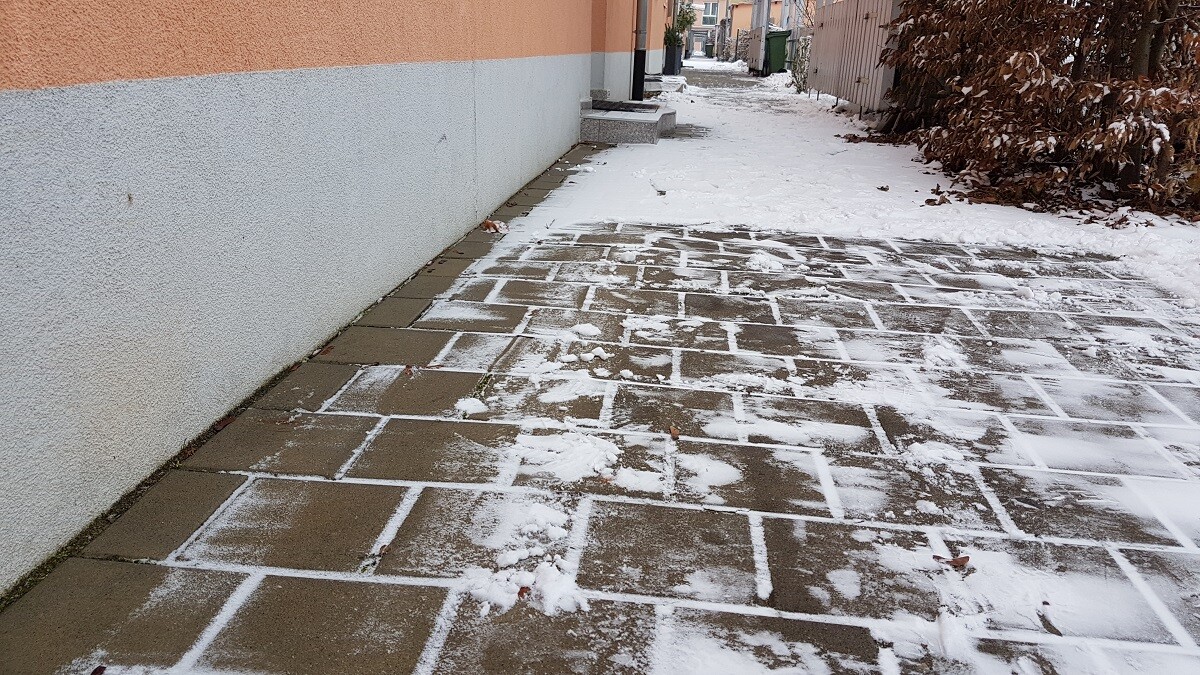
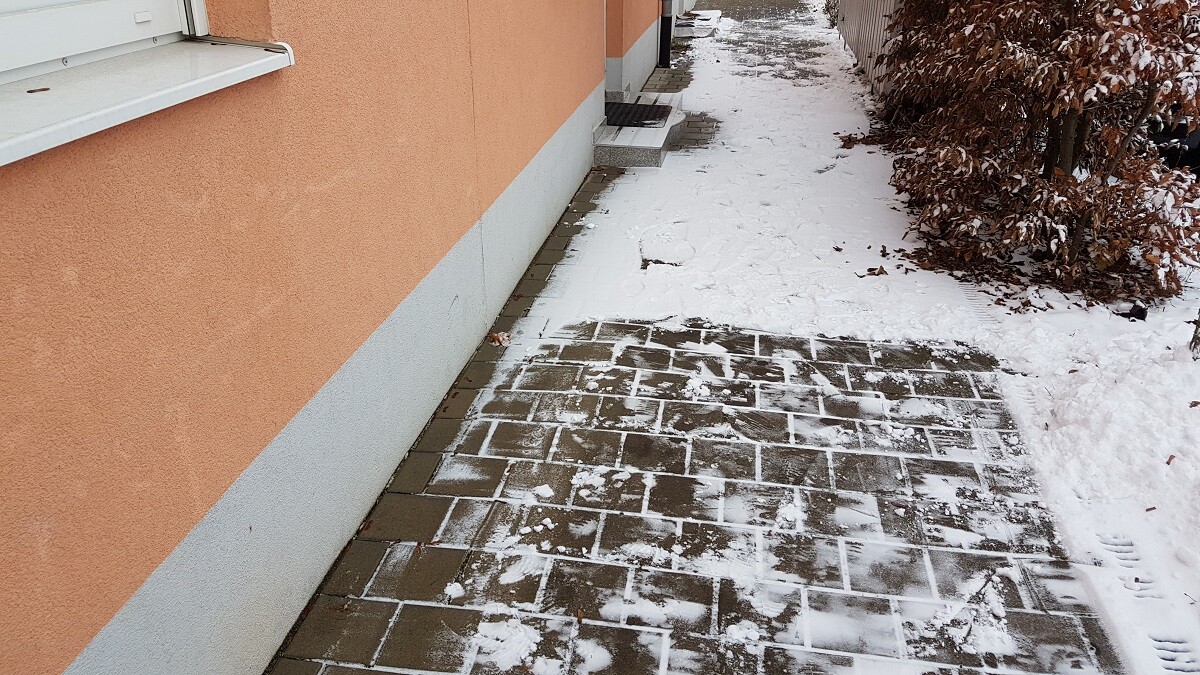
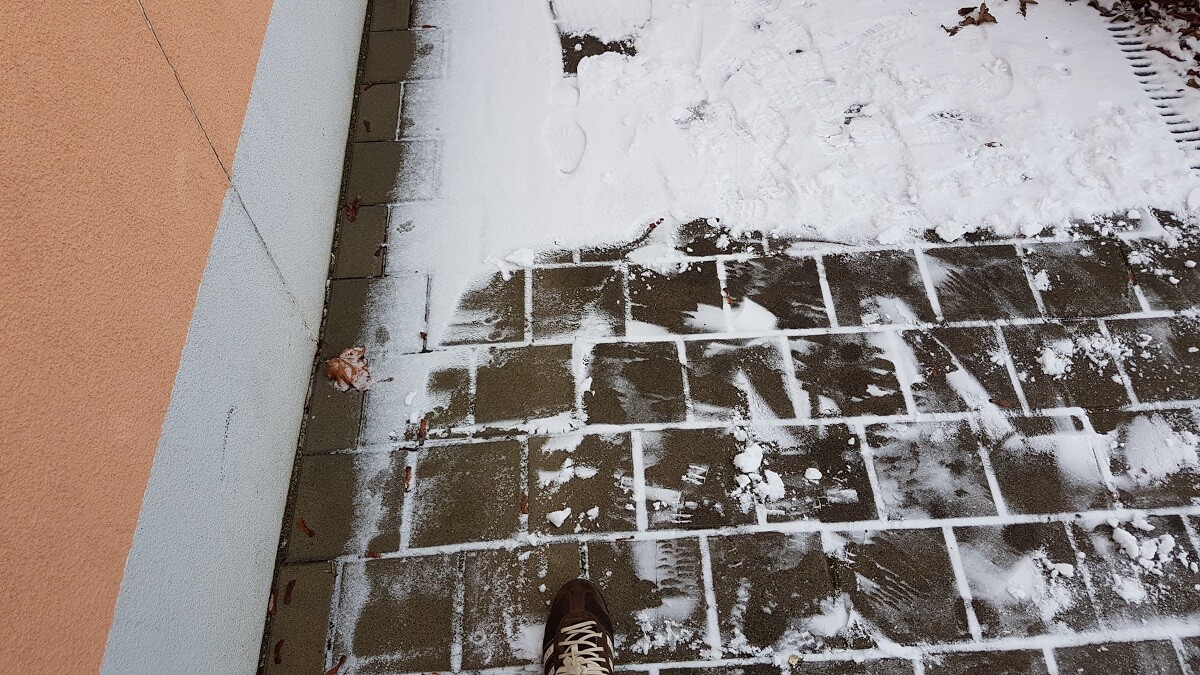
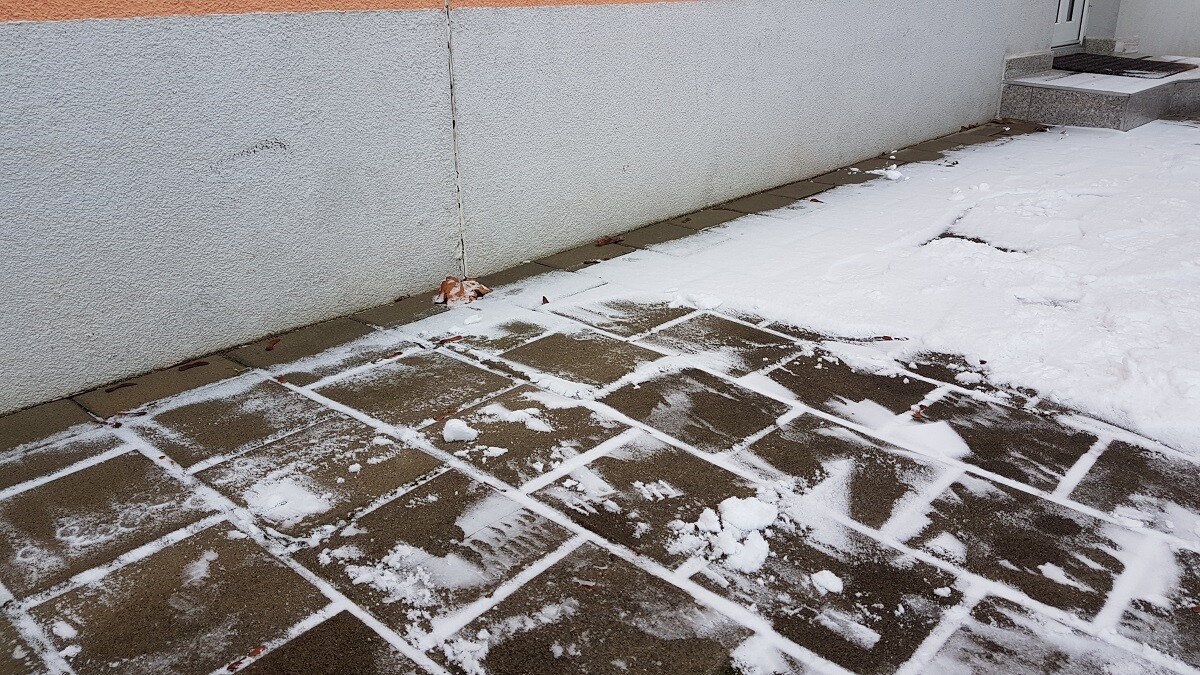
About two months ago (so well before the onset of winter), I noticed a significant unevenness in the paving stones on the sidewalk directly in front of our house (when standing facing the front door, it is on the right, just before the neighbor’s house) – there are 2-3 rows across that are noticeably uneven and, rather than having sunken, have actually risen.
Unfortunately, this is not very clear in the pictures (in one photo I have roughly marked the spot with my foot).
My question now is what could cause such a rise in the paving stones. Could it be due to underground pipes that might be damaged and leaking fluids, which in turn may have affected the paved area? Although I would expect that if water was involved, the ground would be soft and the stones would more likely sink.
Any other possible causes? Above all, I want to avoid the possibility that this could indicate hidden issues that might damage the facade or foundation of our house. Whether the sidewalk is uneven or not is basically irrelevant to me. Is there any way to find out without digging up the pavement?
The condition has not changed over these two months – neither worsened nor improved. The paving stones are not loose; they remain just as firmly fixed as always, only uneven.
Possibly relevant – we don’t have a basement. On the side where the paving stones are uneven is our kitchen with a tiled floor, so any issues would likely be noticeable there first... There are no visible signs of damage to the insulation or facade.
I’m at a loss.
Thank you very much in advance!
We had the courtyard paved in autumn. I asked the foreman if the paving stones could bulge in summer due to expansion, but he said no. He explained that this only happens in winter because standing water between the stones freezes and therefore takes up more space. So you can assume that normal conditions return once the ice melts...
L
lolerloler11 Jan 2017 23:17Well, as I already mentioned, the bulging appeared, in my opinion, even before there was any frost. It also didn't really reduce during the periods when it was significantly warmer.
Hello,
Is this a public road (owned by the municipality/city) or is the street privately owned (by residents)?
In theory, utility lines can be located above ground (with an accuracy of about 20cm (8 inches)) or you can first check the utility network maps to see where the water lines are and whether these might be relevant at all.
A leak could also be detected by increased water consumption, although I suspect that the slabs may be placed too close together (possibly missing an expansion joint), causing them to lift in summer and not settle back in winter. When it gets warmer again, you might try tapping them with a rubber mallet. During frost, the slabs may crack as they become even more brittle.
Best regards,
Dirk Grafe
Is this a public road (owned by the municipality/city) or is the street privately owned (by residents)?
In theory, utility lines can be located above ground (with an accuracy of about 20cm (8 inches)) or you can first check the utility network maps to see where the water lines are and whether these might be relevant at all.
A leak could also be detected by increased water consumption, although I suspect that the slabs may be placed too close together (possibly missing an expansion joint), causing them to lift in summer and not settle back in winter. When it gets warmer again, you might try tapping them with a rubber mallet. During frost, the slabs may crack as they become even more brittle.
Best regards,
Dirk Grafe
I suspect frost is the cause. Even if there have been a few days above freezing, the frost can still be in the ground.
In most cases, shut-off valve caps for water and gas are located in front of each house. If they exist, they should be visible, and the pipeline will run below them at a certain depth.
Gas will not cause the ground to lift, and if water is leaking, based on your description, it is likely that water is escaping there.
Since I can’t see the pictures on my phone, I lean more toward frost as the reason.
However, I have never experienced sidewalk slabs lifting due to “expansion joints"...
And they will not settle back on their own.
In most cases, shut-off valve caps for water and gas are located in front of each house. If they exist, they should be visible, and the pipeline will run below them at a certain depth.
Gas will not cause the ground to lift, and if water is leaking, based on your description, it is likely that water is escaping there.
Since I can’t see the pictures on my phone, I lean more toward frost as the reason.
However, I have never experienced sidewalk slabs lifting due to “expansion joints"...
And they will not settle back on their own.
L
lolerloler14 Jan 2017 22:38Good evening dear forum members,
Thank you very much for the information. I feel a bit more reassured now, but I have contacted the city again regarding the utility lines.
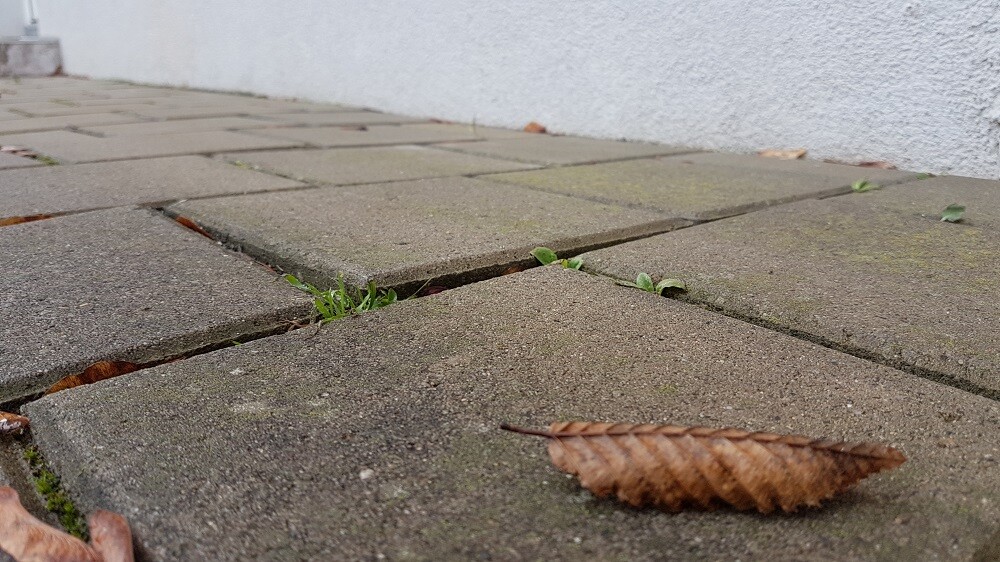
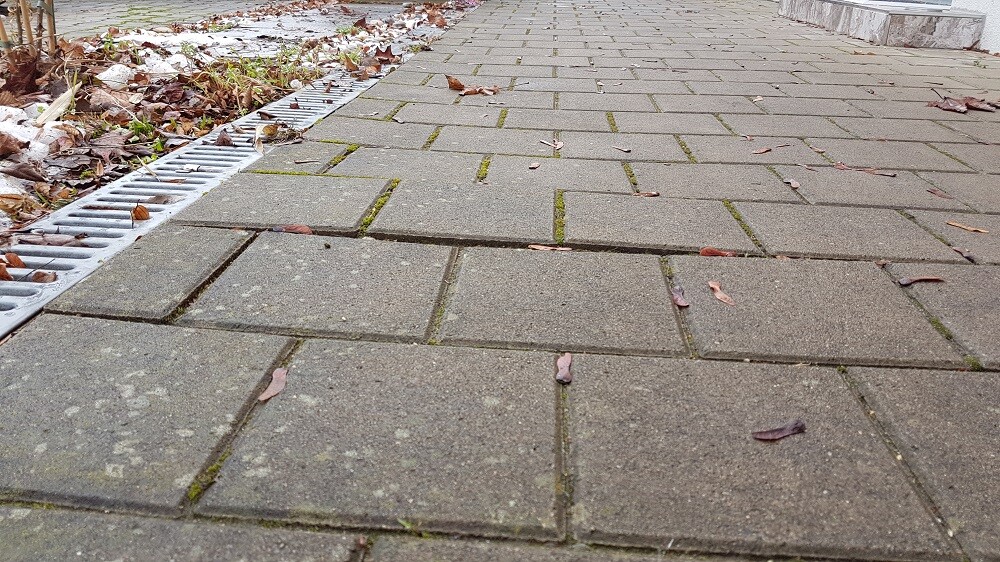
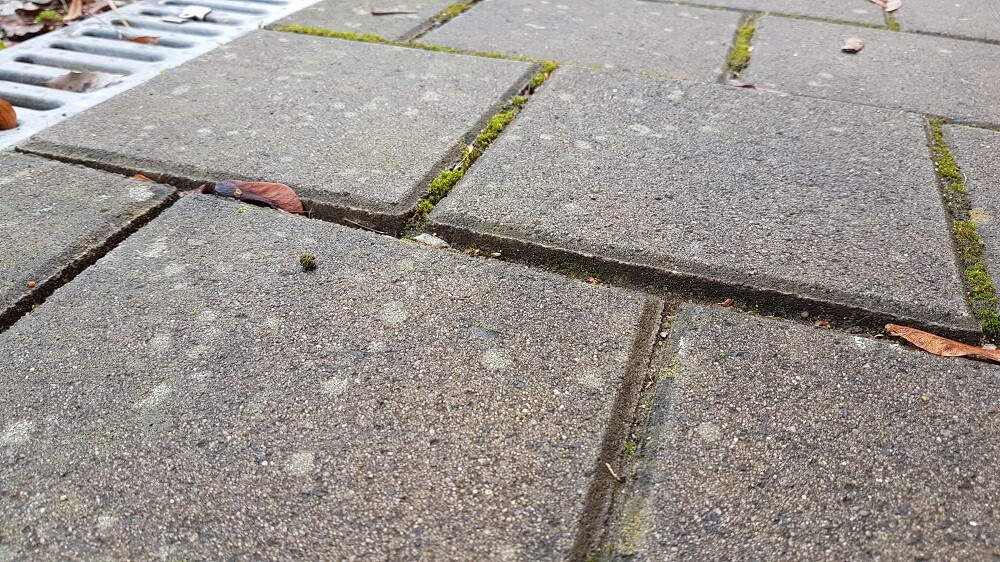
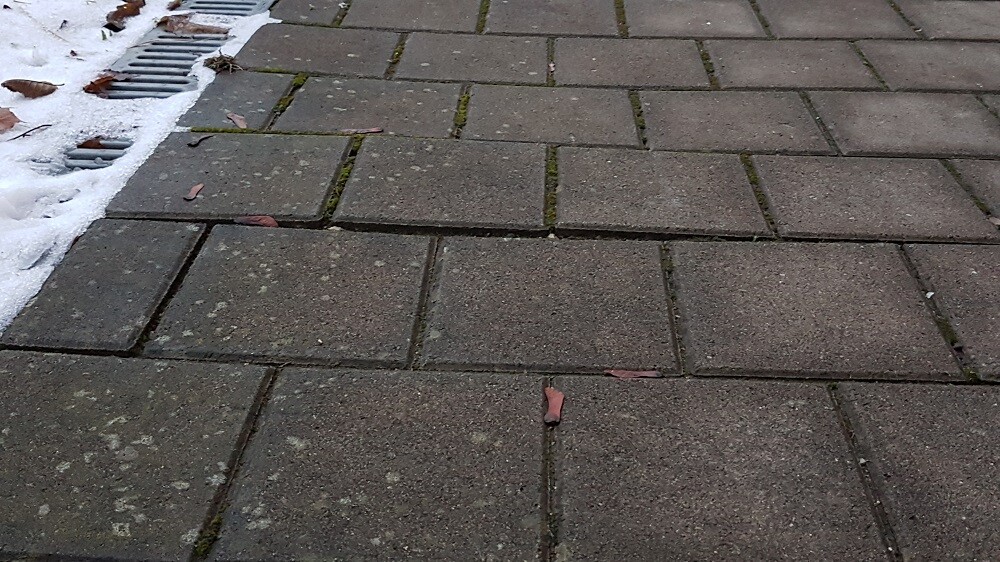
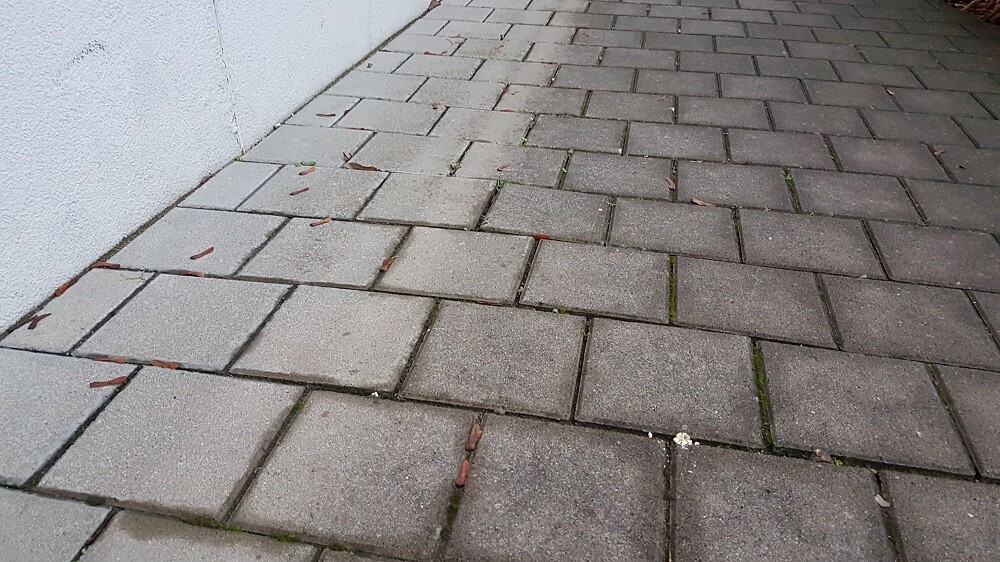
I have now photographed the clean sidewalk without snow. I think it is much clearer to see now.
Does this rather confirm the theory about water and frost?
What puzzles me is that this has only happened this summer. However, the road was built back in 2004.
@Dirk Grafe
This is a private road.
Is it possible to repair it cost-effectively by myself?
Best regards,
Loleloler
Thank you very much for the information. I feel a bit more reassured now, but I have contacted the city again regarding the utility lines.
I have now photographed the clean sidewalk without snow. I think it is much clearer to see now.
Does this rather confirm the theory about water and frost?
What puzzles me is that this has only happened this summer. However, the road was built back in 2004.
@Dirk Grafe
This is a private road.
Is it possible to repair it cost-effectively by myself?
Best regards,
Loleloler
Similar topics