
ᐅ Is the plaster still too wet, or has it already dried to the normal level?
Created on: 20 Jan 2018 17:22
3
305er
Hi, the interior plastering of our new build made from Ytong was completed on 10.10.17.
On 23.10., the cement screed was installed with an added fast-drying agent. According to the screed installer, it can be covered after 14 days.
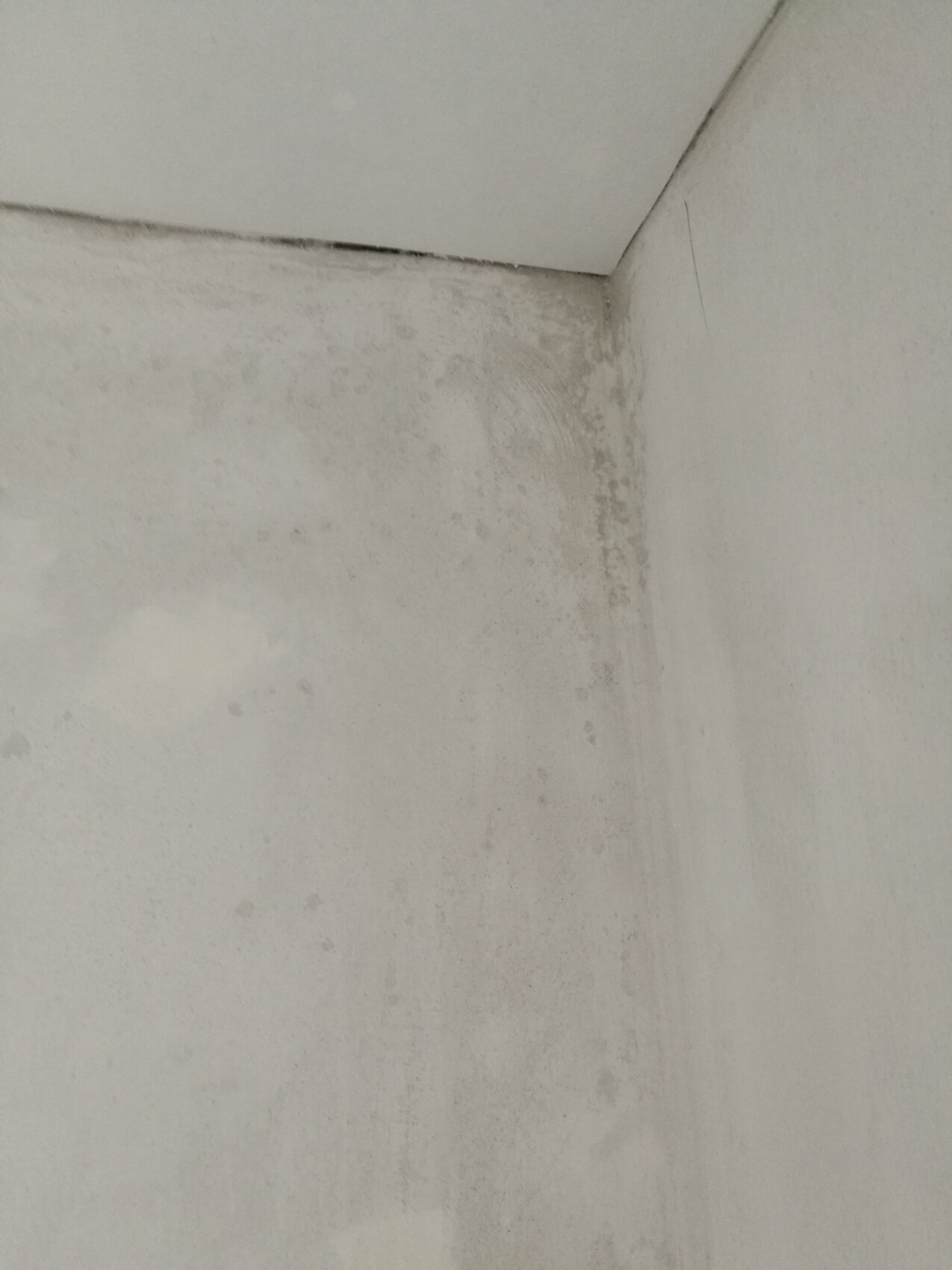
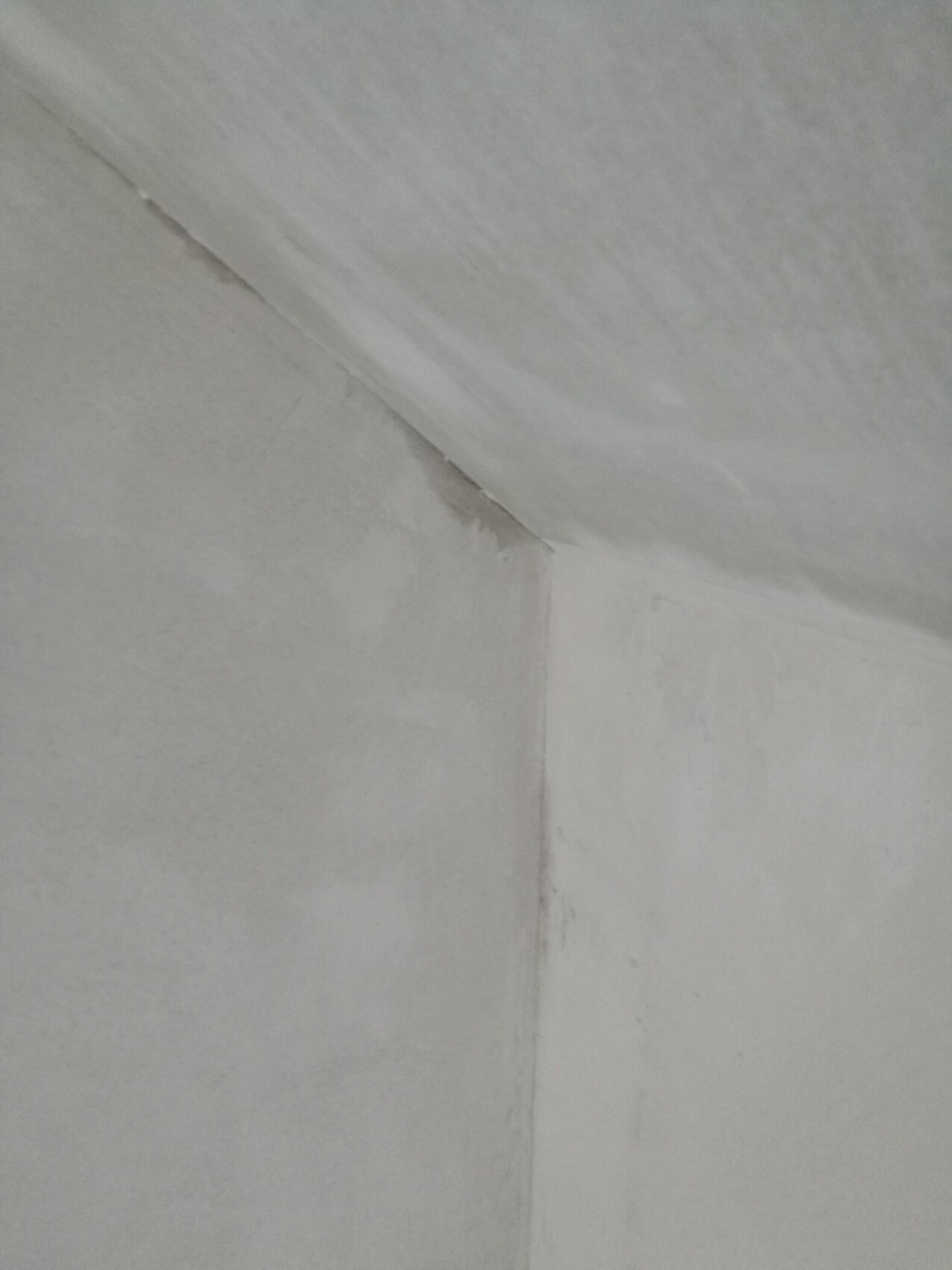
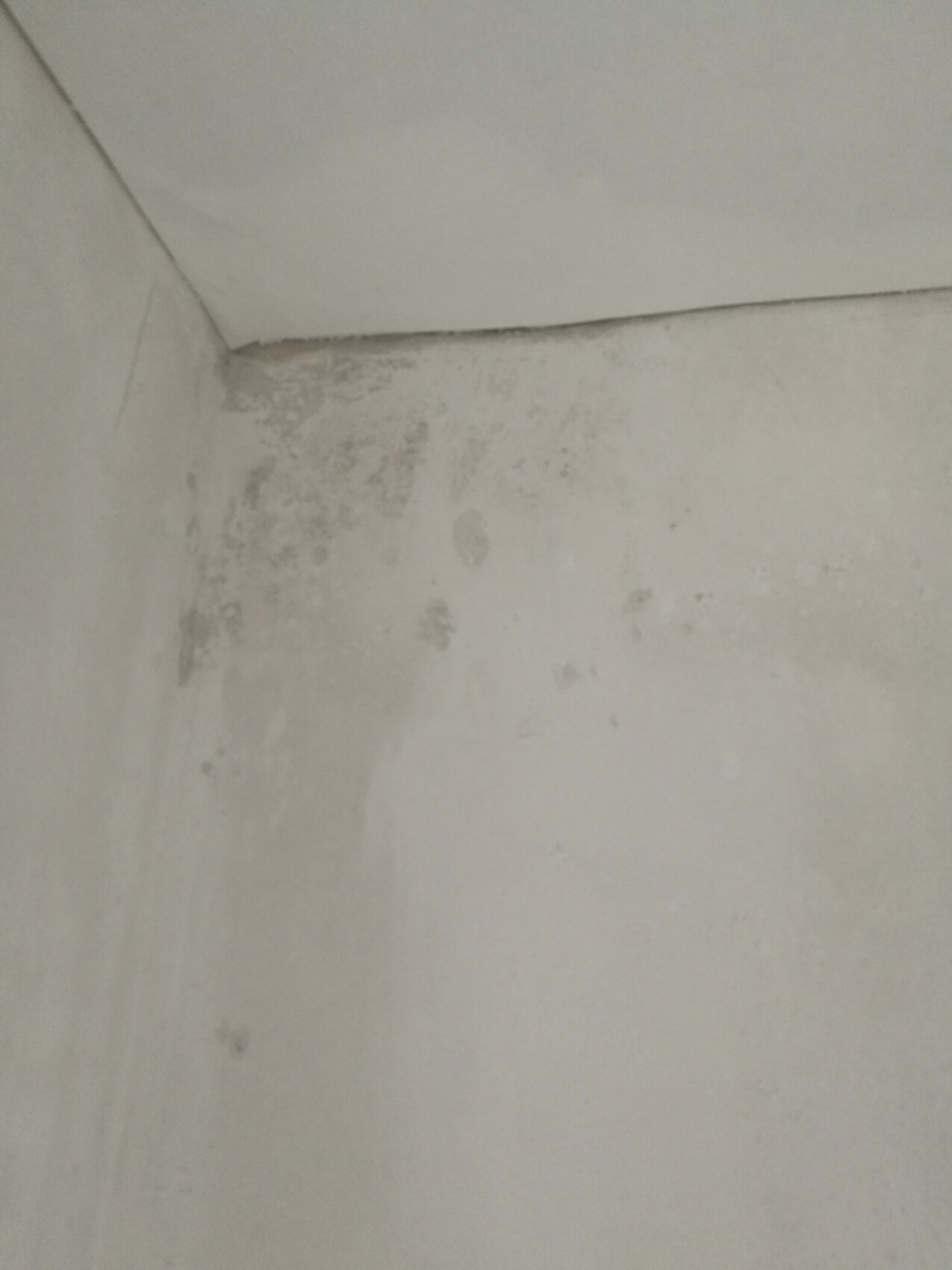
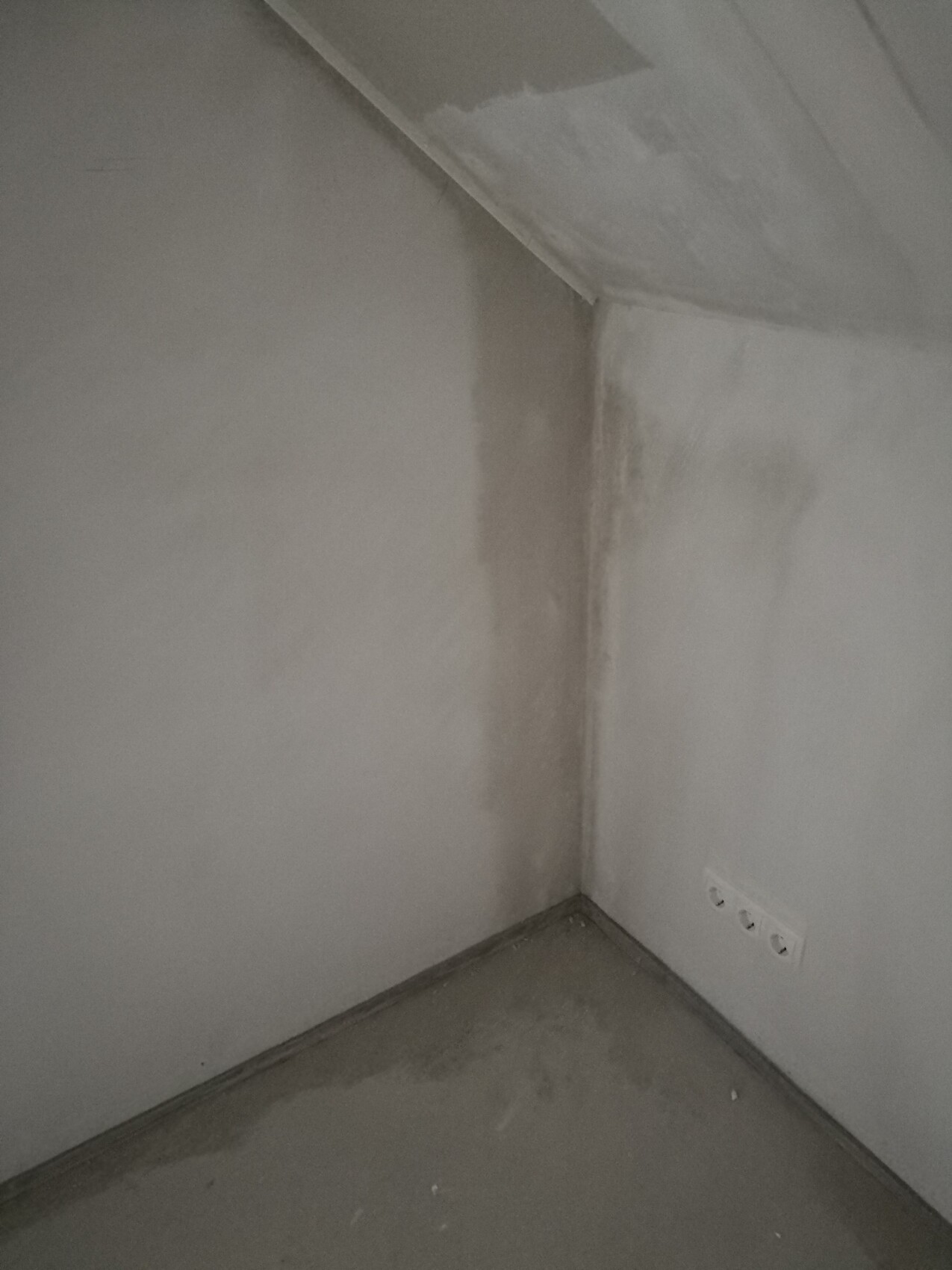
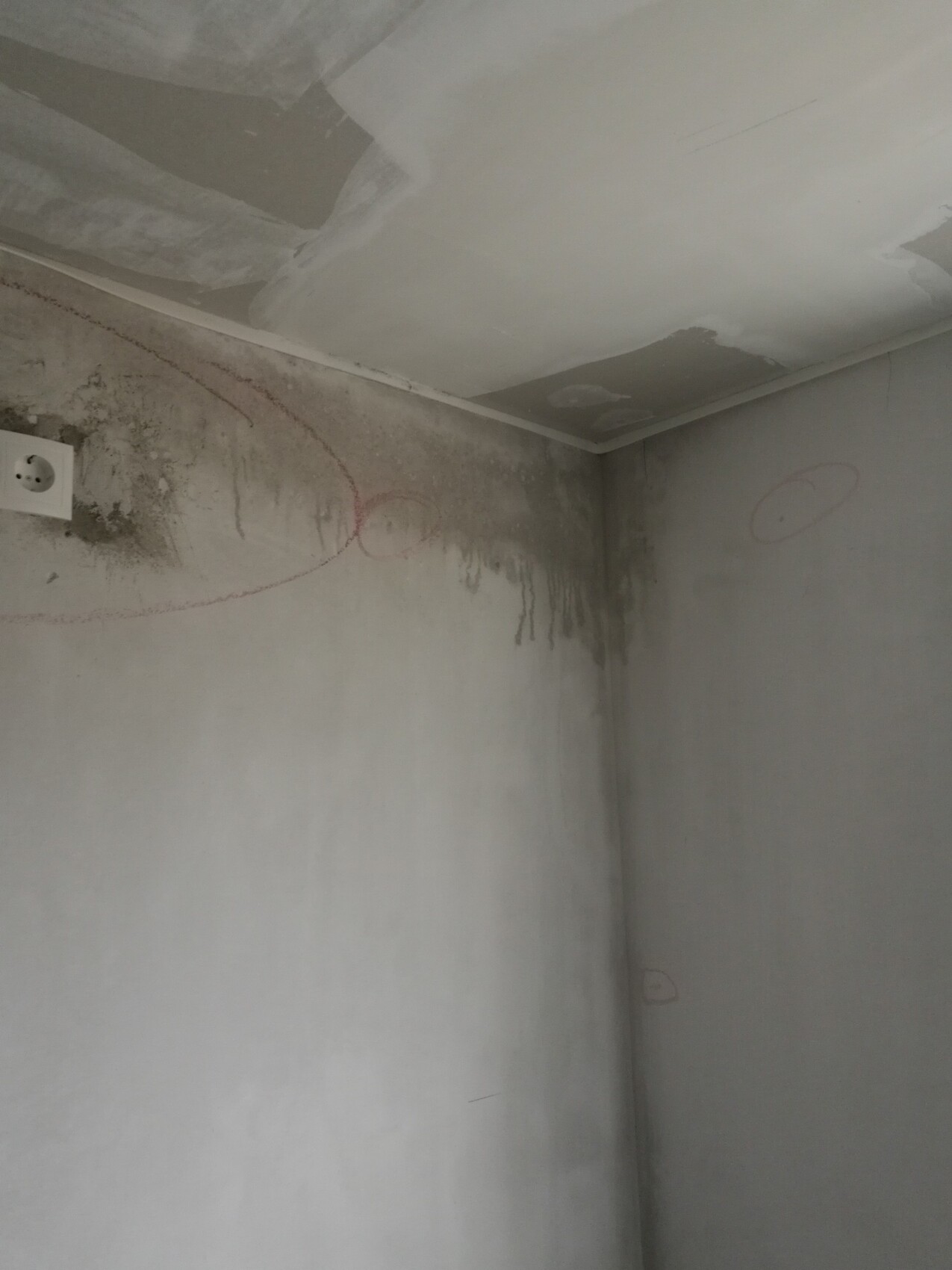
Now it is the end of January, and in some rooms on the upper floor, certain spots are still damp.
After Christmas, we used a construction dryer for 10 days, which extracted about 1-1.5 liters per hour.
We have been ventilating regularly.
The floor heating drying program never ran properly before, but it is finally working continuously now.
It was assumed the walls were dry, but when the underfloor heating was heated again to 35°C (95°F), the same areas were damp the next day.
One spot/corner sounds hollow when tapped near the dry area.
Is this still normal for these spots due to the extreme heat, or do we have a moisture problem?
Our completely useless site manager says it is normal.
The worst areas were before the construction dryer was used.
On 23.10., the cement screed was installed with an added fast-drying agent. According to the screed installer, it can be covered after 14 days.
Now it is the end of January, and in some rooms on the upper floor, certain spots are still damp.
After Christmas, we used a construction dryer for 10 days, which extracted about 1-1.5 liters per hour.
We have been ventilating regularly.
The floor heating drying program never ran properly before, but it is finally working continuously now.
It was assumed the walls were dry, but when the underfloor heating was heated again to 35°C (95°F), the same areas were damp the next day.
One spot/corner sounds hollow when tapped near the dry area.
Is this still normal for these spots due to the extreme heat, or do we have a moisture problem?
Our completely useless site manager says it is normal.
The worst areas were before the construction dryer was used.

305er schrieb:
They usually work for a prefabricated house company (timber frame)... but don’t they also use plaster, right? They probably use drywall instead.
Sometimes I think you’re a bit of a defectphobic, almost like a kind of hypochondriac among builders.
https://www.instagram.com/11antgmxde/
https://www.linkedin.com/company/bauen-jetzt/

It’s the same for us; in some corners, you can still see damp spots! (Interior plastering on 20.10., screed on 24.11.).
I read that about 2,800 liters of water are introduced per 100 sqm (1,076 sq ft) of new construction area. We heat and ventilate 3-4 times a day. A small construction dehumidifier is also in use, removing about 5-10 liters (5-10 quarts) per 24 hours.