
ᐅ Is the plaster still too wet, or has it already dried to the normal level?
Created on: 20 Jan 2018 17:22
3
305er
Hi, the interior plastering of our new build made from Ytong was completed on 10.10.17.
On 23.10., the cement screed was installed with an added fast-drying agent. According to the screed installer, it can be covered after 14 days.
Now it is the end of January, and in some rooms on the upper floor, certain spots are still damp.
After Christmas, we used a construction dryer for 10 days, which extracted about 1-1.5 liters per hour.
We have been ventilating regularly.
The floor heating drying program never ran properly before, but it is finally working continuously now.
It was assumed the walls were dry, but when the underfloor heating was heated again to 35°C (95°F), the same areas were damp the next day.
One spot/corner sounds hollow when tapped near the dry area.
Is this still normal for these spots due to the extreme heat, or do we have a moisture problem?
Our completely useless site manager says it is normal.
The worst areas were before the construction dryer was used.
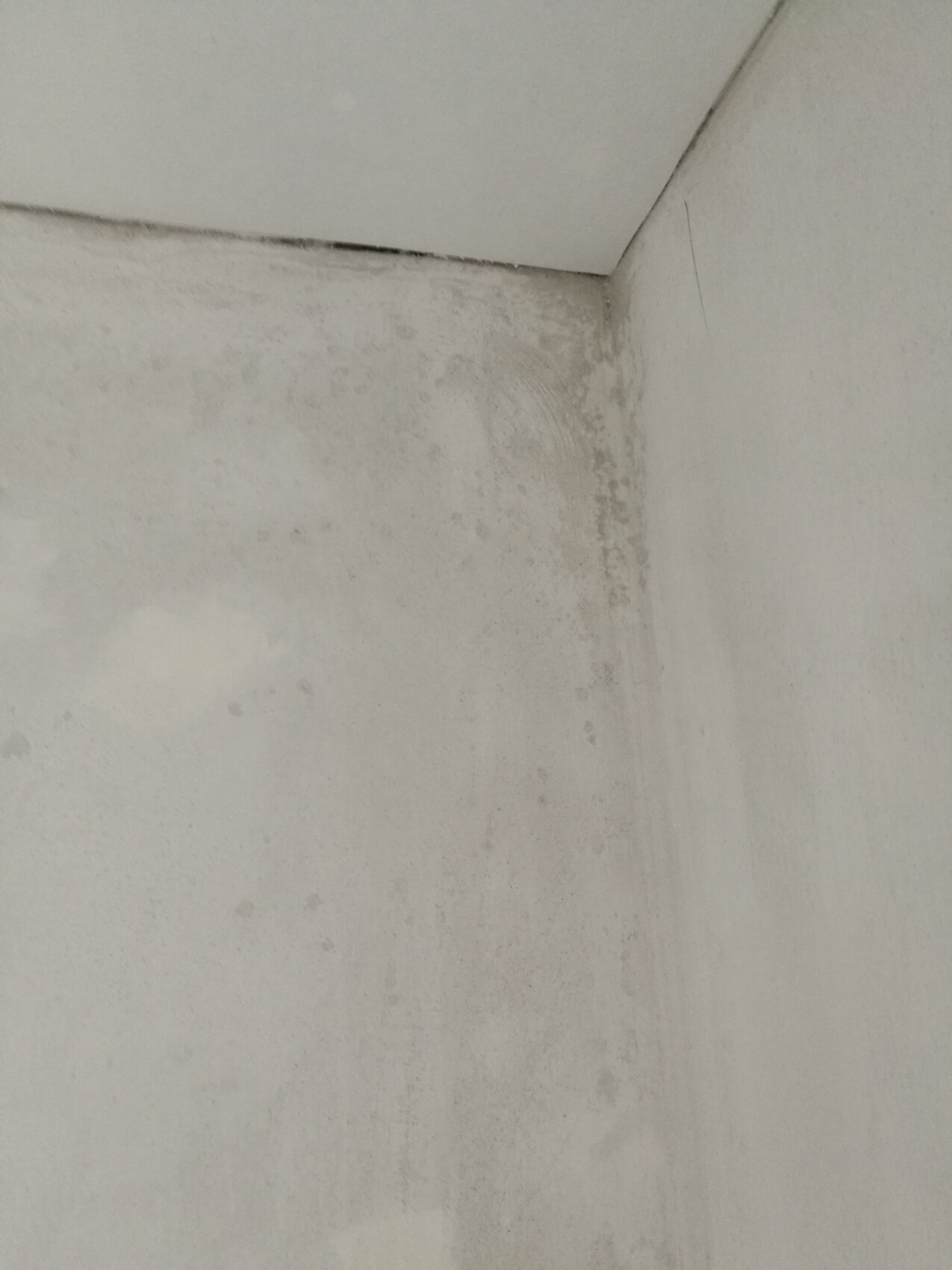
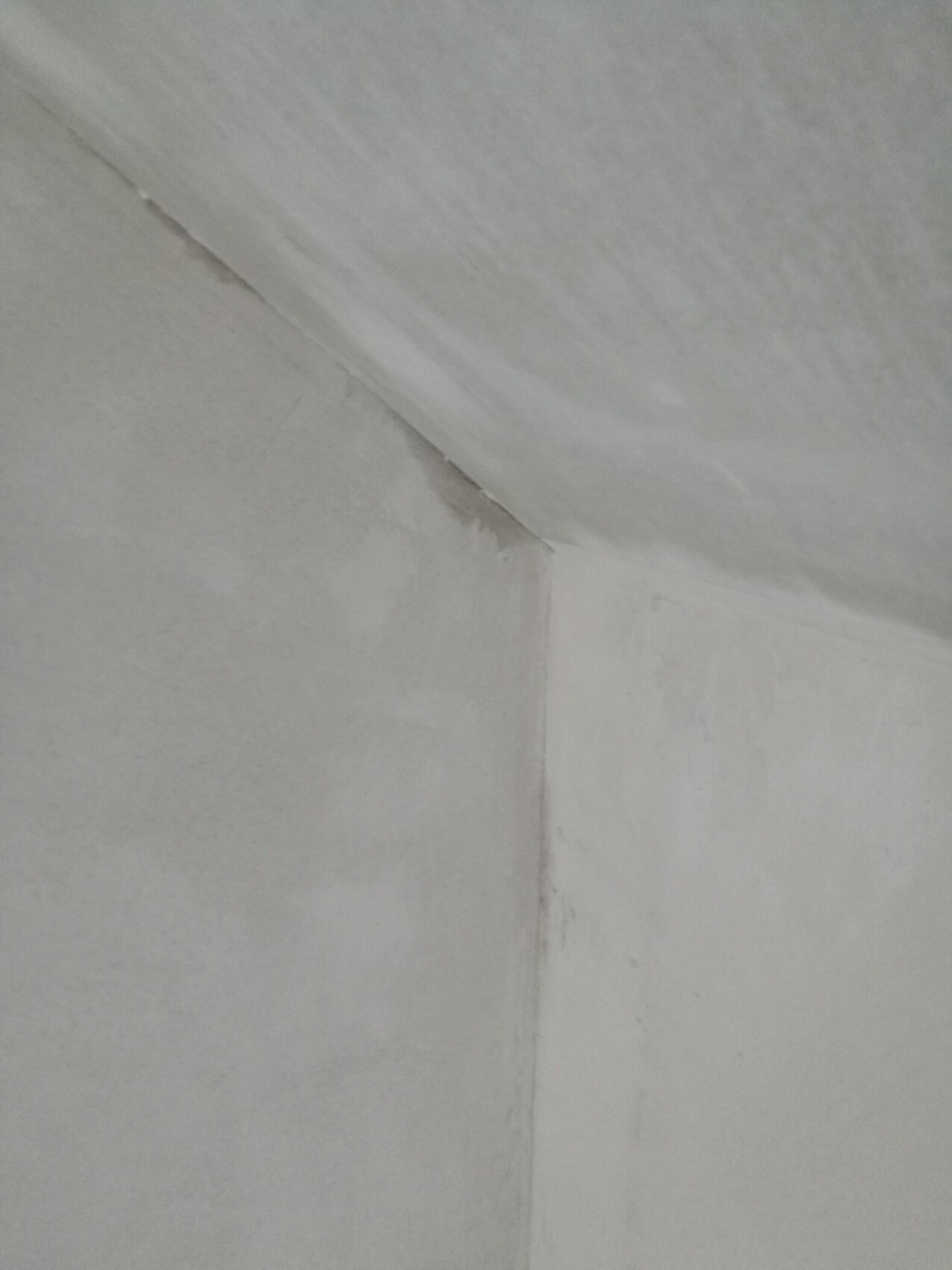
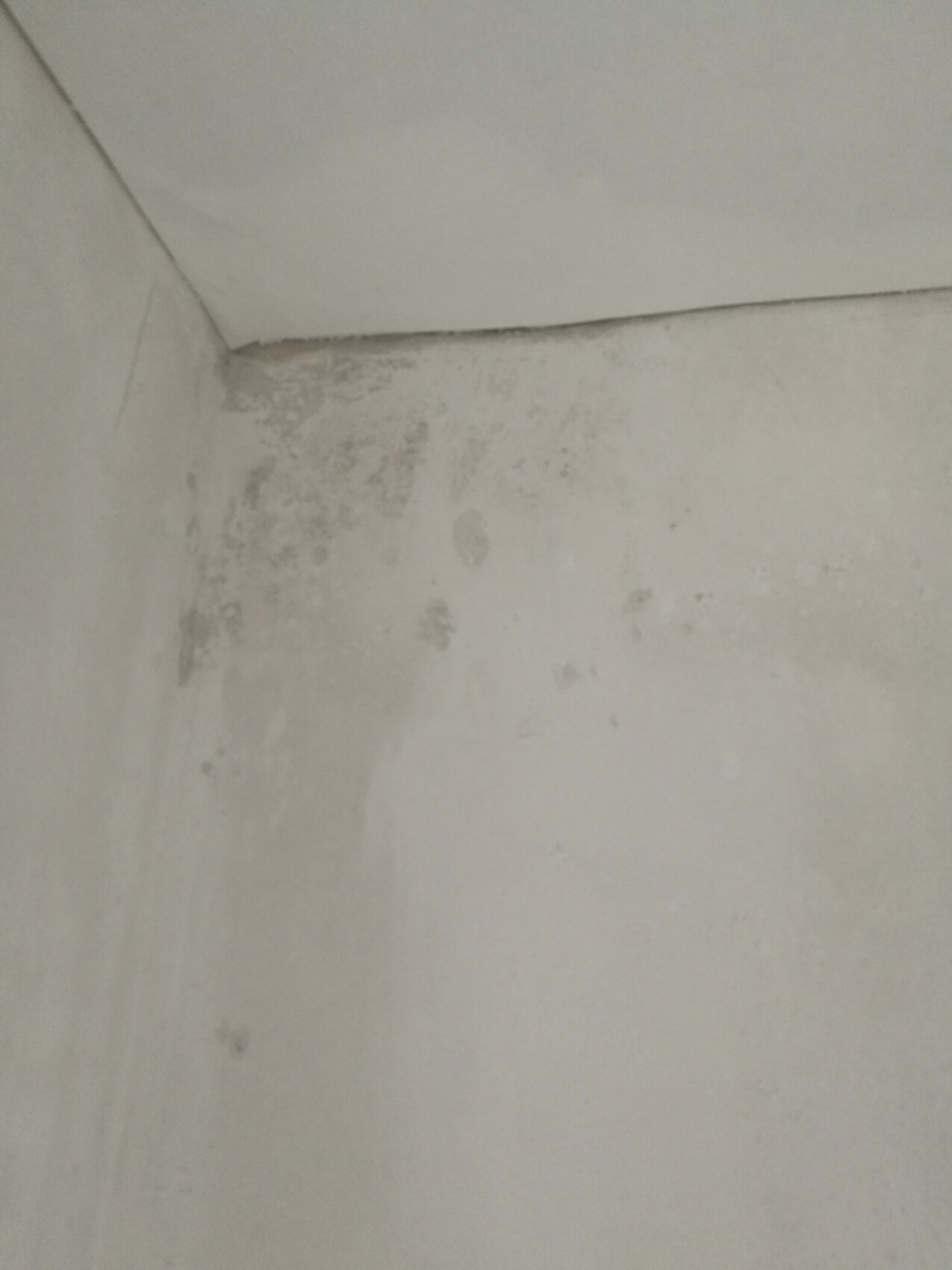
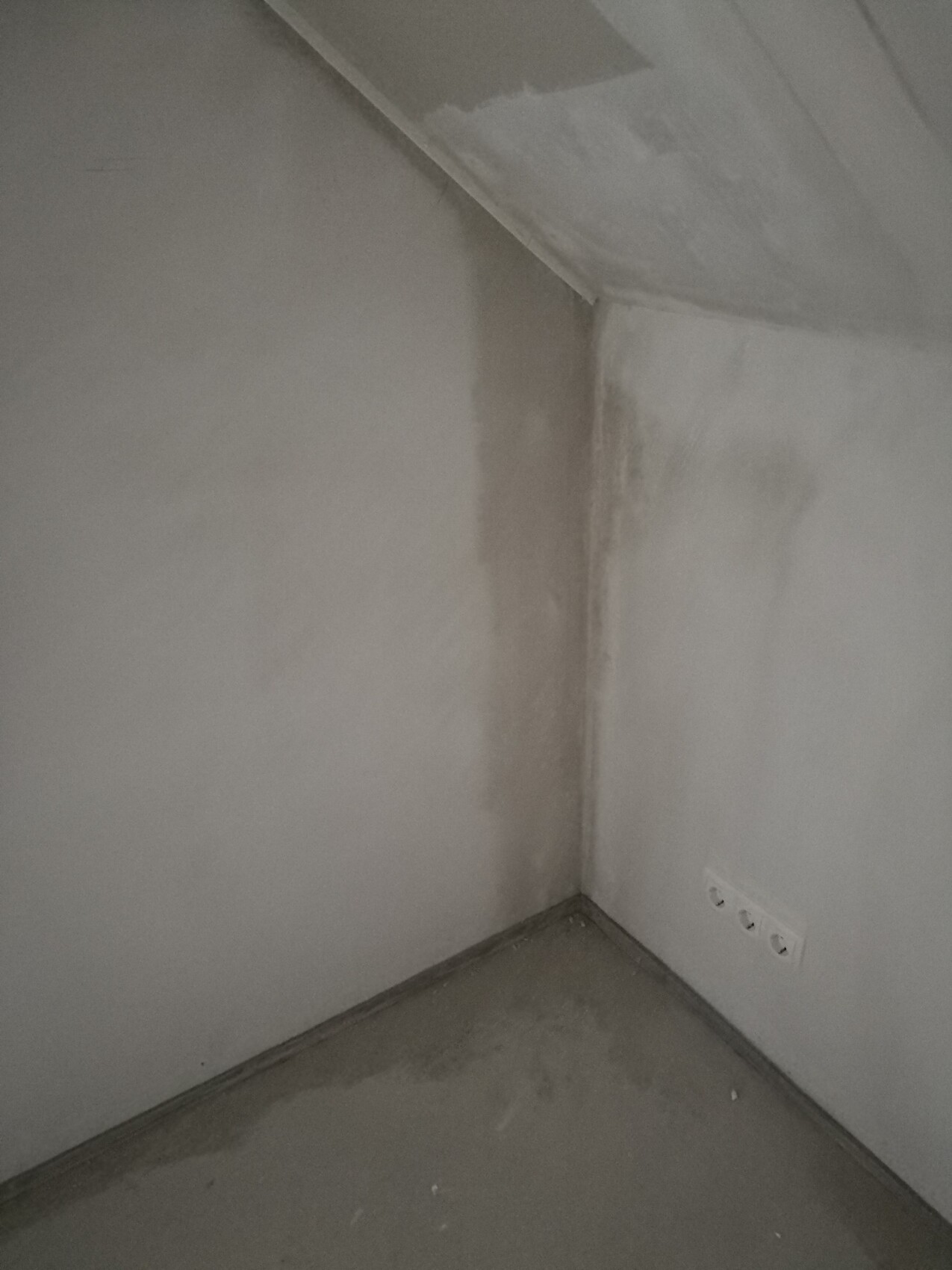
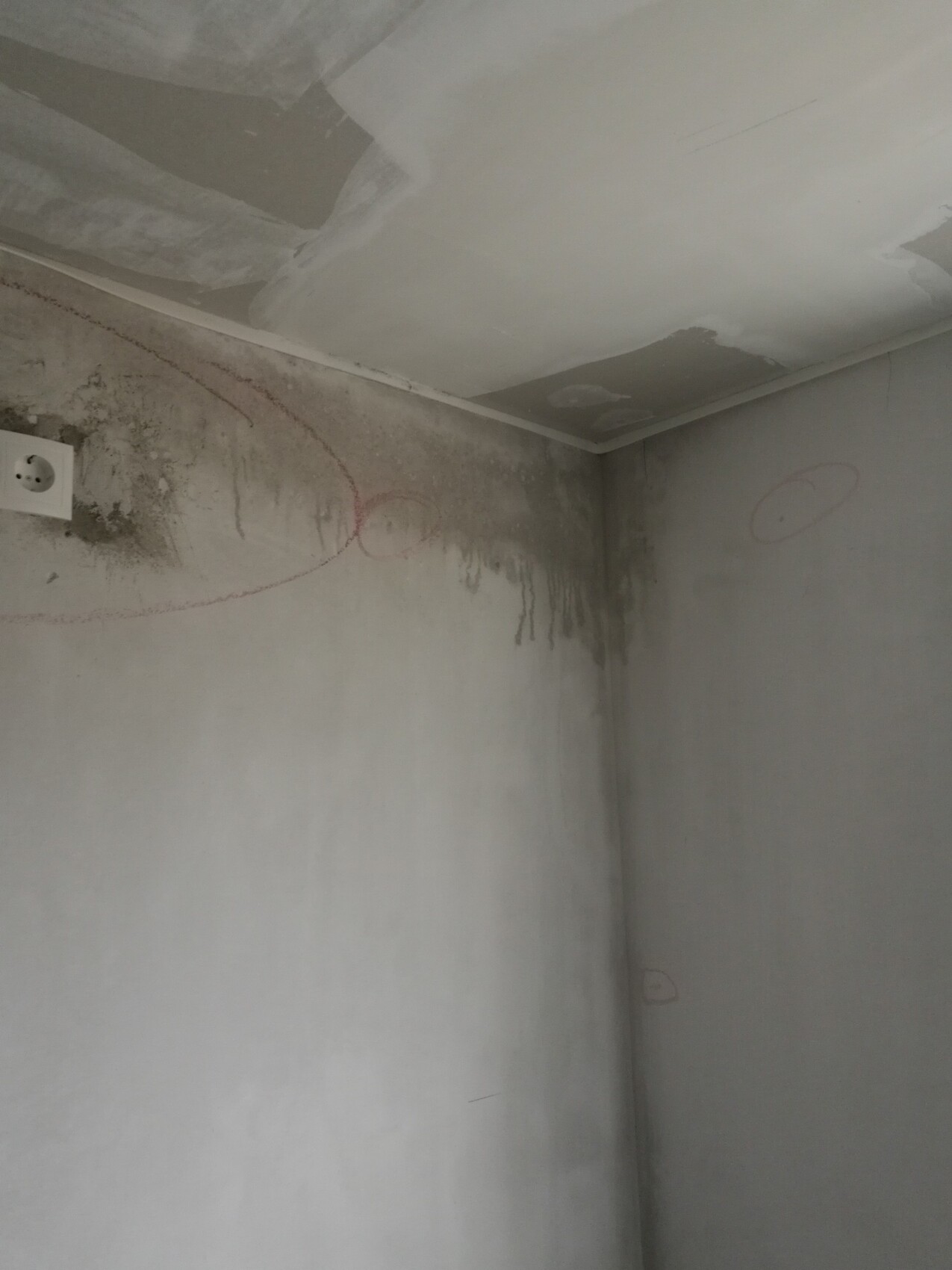
On 23.10., the cement screed was installed with an added fast-drying agent. According to the screed installer, it can be covered after 14 days.
Now it is the end of January, and in some rooms on the upper floor, certain spots are still damp.
After Christmas, we used a construction dryer for 10 days, which extracted about 1-1.5 liters per hour.
We have been ventilating regularly.
The floor heating drying program never ran properly before, but it is finally working continuously now.
It was assumed the walls were dry, but when the underfloor heating was heated again to 35°C (95°F), the same areas were damp the next day.
One spot/corner sounds hollow when tapped near the dry area.
Is this still normal for these spots due to the extreme heat, or do we have a moisture problem?
Our completely useless site manager says it is normal.
The worst areas were before the construction dryer was used.
The corners are drying really slowly. Especially since airing out barely removes any moisture with this [emoji299]️.
Take some sandpaper and lightly sand the corners. This removes the sinter layer, allowing the water to dry out better. It really helps with gypsum plaster. For screed, you simply have to heat, wait, and ventilate. Karsten
Take some sandpaper and lightly sand the corners. This removes the sinter layer, allowing the water to dry out better. It really helps with gypsum plaster. For screed, you simply have to heat, wait, and ventilate. Karsten
Sandpaper = abrasive paper?
All the walls have already been sanded since the painters are already inside.
They were also surprised and are not familiar with this.
They usually work for a prefab company (wood frame)... but even they have plaster, right?
But nothing can mold if another layer of plaster for Q3 is applied now, right?
All the walls have already been sanded since the painters are already inside.
They were also surprised and are not familiar with this.
They usually work for a prefab company (wood frame)... but even they have plaster, right?
But nothing can mold if another layer of plaster for Q3 is applied now, right?
K
Knallkörper20 Jan 2018 21:213 months and still not dry is rather unusual to me. We applied the plaster on December 20th, and everything was dry by February. However, we ran a construction dryer for over 6 weeks. If the dryer extracts 1-1.5 liters per hour, the air must have been quite humid as well. What temperatures and humidity levels have you had inside the house over the past few weeks? I would immediately raise concerns about any hollow-sounding spots.

So, in the weeks after New Year’s, the humidity level according to our thermometer was around 55% on average.
When everything is closed and the underfloor heating is heating above 35°C (95°F), it sometimes rises to over 70%.
However, the painters are already working now.
Regarding the hollow sound, what could that be? I checked the attic directly above, and I didn’t notice anything.
When everything is closed and the underfloor heating is heating above 35°C (95°F), it sometimes rises to over 70%.
However, the painters are already working now.
Regarding the hollow sound, what could that be? I checked the attic directly above, and I didn’t notice anything.
Similar topics